
La scultura del giorno: Anacréon di Eugène Guillaume
La scultura del giorno che vi propongo oggi è il poeta Anacréon, opera scolpita da Eugène Guillaume durante il soggiorno di studio a Roma terminato nel 1845.
L’artista volle scolpire nel marmo il poeta greco antico Anacreonte venuto alla luce sulle coste dell’Asia Minore, a Teo. Combatté per arginare l’invasione persiana della Ionia nel lontano 545 a.C. e dopo la bruciante sconfitta fu costretto ad abbandonare la terra natia.
La sua carriera di poeta di corte ebbe inizio in Tracia. Divenne amico del padre di Pericle, Santippo di Atene.
Un avo di Crizia che aveva avuto modo di conoscere Anacréon lo descriveva come dolce cantore mai triste e amante della cetra.
Leggenda vuole che sia morto dopo aver varcato la soglia degli ottantacinque anni, soffocato da un acino d’uva.
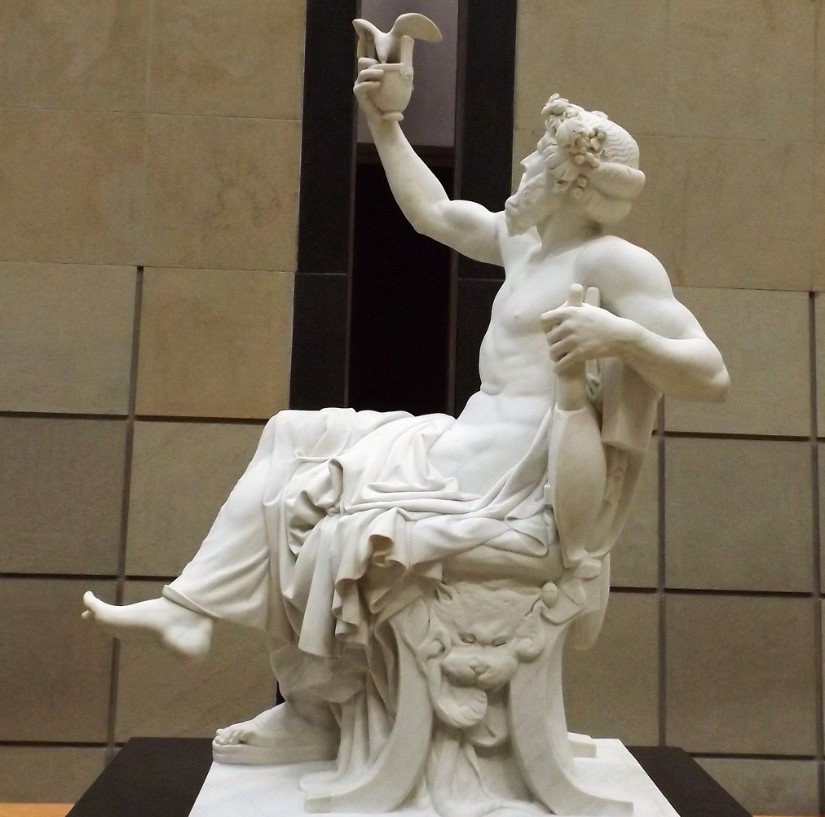
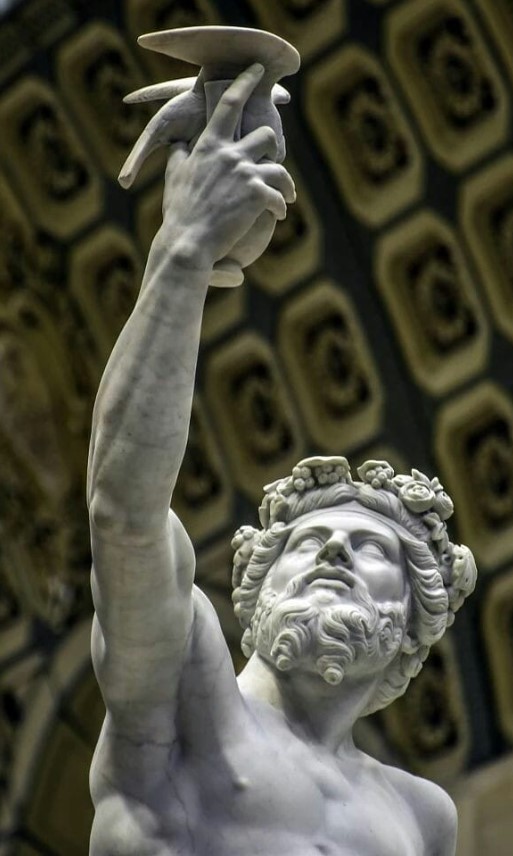
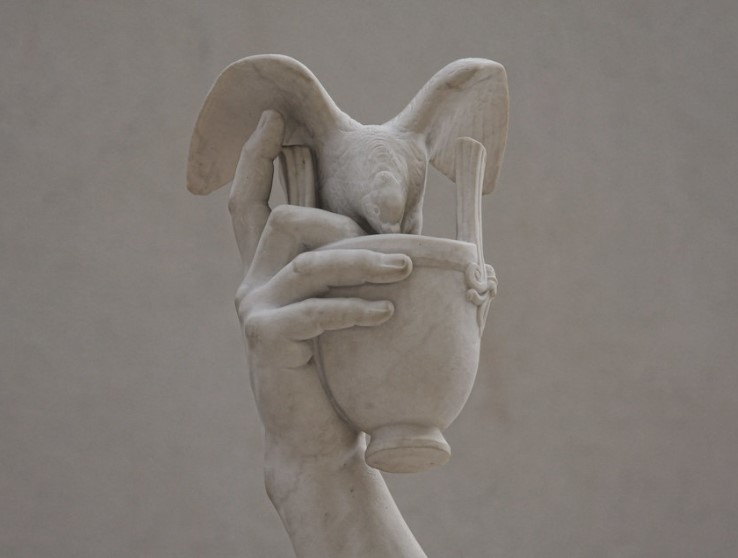
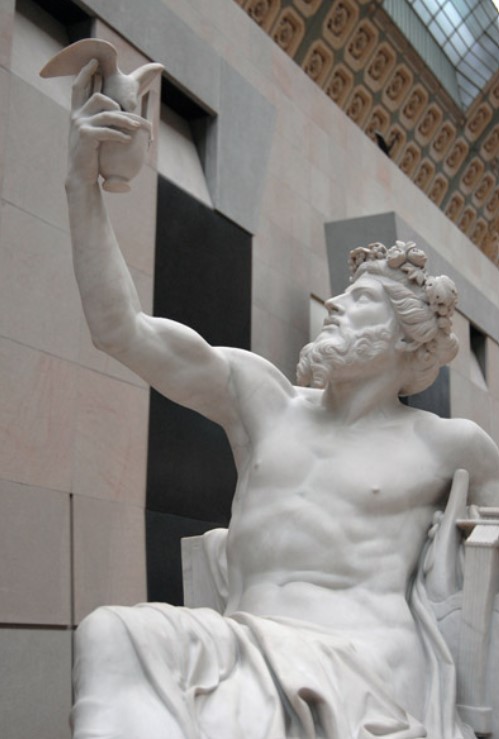
La scultura scolpita nel marmo bianco, ritrae il poeta greco ed è slanciata verso l’alto con quel braccio che si eleva al di sopra del capo, simboleggiante la leggerezza dei suoi versi e al contempo quanto la poesia possa elevare l’uomo.
L’opera fu esposta per la prima volta al Salone di Parigi del 1854 e oggi si trova nel Salone Centrale delle Sculture del Musée d’Orsay, a Parigi.
Jean Baptiste Claude Eugène Guillaume era nato a Montbard, in Côte-d’Or, il 4 luglio del 1822 e si formò presso la scuola di disegno di Digione prima di trasferirsi a Parigi a 19 anni, nel 1841.
Lì incominciò gli studi presso l’École des Beaux-Arts frequentando lo studio del celebre James Pradier.
Incoraggiato dal suo maestro che molto credeva nelle sue potenzialità, vinse conquistò il Prix de Rome nel 1845 con la sua opera Teseo. Il suo conseguente soggiorno nella Città Eterna gli diede la possibilità di studiare da vicino le opere di arte antica.
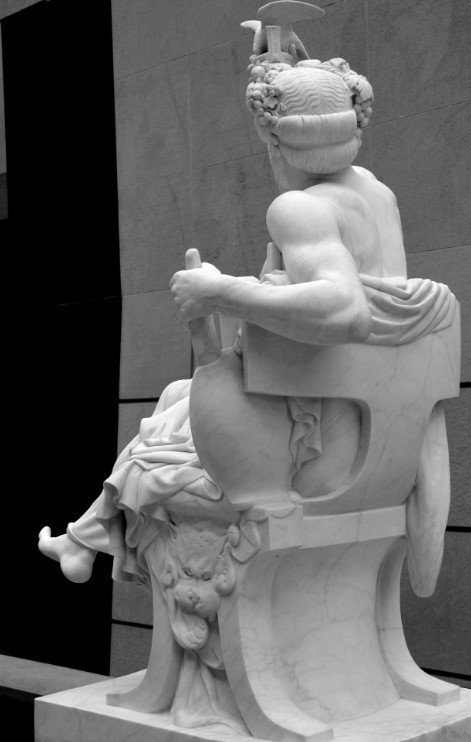
Partecipò per la prima volta al Salon di Parigi nel 1852 inviando proprio la scultura Anacreon, realizzata nel quinto e ultimo anno di studi presso Villa Medici a Roma.
“C’è nel suo bagaglio una statua che è tutta greca nell’ispirazione, nel ritmo, stavo per dire canto, tanto pare che canti e dica i versi che la Musa mette sulle sue labbra: è l’Anacreonte”.
Delafontaine
Eugène Guillaume aprì un suo laboratorio di scultura e fu direttore dell’École des Beaux-Arts di Parigi dal al 1864 al 1878. Successivamente ebbe modo di dirigere l’Accademia di Francia a Roma dal 1891 al 1904 e il primo giorno di marzo del 1905 morì nella città eterna.
Per il momento il vostro Michelangelo Buonarroti vi saluta dandovi appuntamento ai prossimi post e sui social.
Sculpture of the day: Anacréon by Eugène Guillaume
The sculpture of the day that I propose to you today is the poet Anacréon, a work sculpted by Eugène Guillaume during his study stay in Rome which ended in 1845.
The artist wanted to sculpt in marble the ancient Greek poet Anacreon who was born on the coasts of Asia Minor, in Teo. He fought to stem the Persian invasion of Ionia as far back as 545 BC. and after the burning defeat he was forced to abandon his native land.
His career as a court poet began in Thrace. He befriended Pericles’ father, Xanthippus of Athens. AN ancestor of Critias who had gotten to know Anacréon described him as a sweet singer who was never sad and a lover of the lyre.
Legend has it that he died after crossing the threshold of eighty-five, suffocated by a grape.
The sculpture carved in white marble portrays the Greek poet and is thrown upwards with that arm rising above the head, symbolizing the lightness of his verses and at the same time how much poetry can elevate man.
The work was first exhibited at the 1854 Paris Salon and is now located in the Central Sculpture Hall of the Musée d’Orsay, Paris.
Jean Baptiste Claude Eugène Guillaume was born in Montbard, in Côte-d’Or, on July 4, 1822 and trained at the Dijon drawing school before moving to Paris at the age of 19, in 1841.
There he began his studies at the École des Beaux-Arts attending the studio of the famous James Pradier.
Encouraged by his master who strongly believed in his potential, he won the Prix de Rome in 1845 with his opera Theseus. His consequent stay in the Eternal City gave him the opportunity to closely study the works of ancient art.
He participated for the first time in the Paris Salon in 1852 by sending the sculpture Anacreon, created in the fifth and last year of studies at the Villa Medici in Rome.
“In his luggage there is a statue that is all Greek in inspiration, in rhythm, I was about to say singing, so much so that it seems to sing and say the verses that the Muse puts on her lips: it is the Anacreon”.
Delafontaine
Eugène Guillaume opened his own sculpture workshop and was director of the École des Beaux-Arts in Paris from 1864 to 1878. Subsequently he was able to direct the French Academy in Rome from 1891 to 1904 and on the first day of March 1905 he died in the eternal city.
For the moment, your Michelangelo Buonarroti greets you by making an appointment for the next posts and on social media.

Sostienici – Support Us
Se questo blog ti piace e ti appassiona, puoi aiutarci a farlo crescere sempre più sostenendoci in modo concreto condividendo i post, seguendo le pagine social e con un contributo che ci aiuta ad andare avanti con il nostro lavoro di divulgazione. . ENGLISH: If you like and are passionate about this blog, you can help us make it grow more and more by supporting us in a concrete way by sharing posts, following social pages and with a contribution that helps us to move forward with our dissemination work.
8,00 €
-
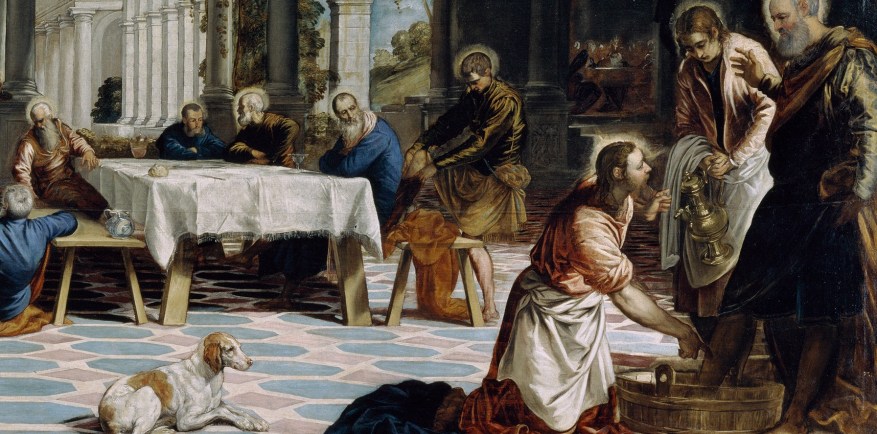
La Lavanda dei Piedi di Tintoretto: Il Capolavoro Veneziano al Prado
🇮🇹Tra i capolavori più affascinanti del Rinascimento veneziano, “La Lavanda dei Piedi” di Jacopo Tintoretto rappresenta un perfetto equilibrio tra spiritualità, innovazione compositiva e straordinaria forza narrativa… 🇬🇧Among the most fascinating masterpieces of the Venetian Renaissance, Jacopo Tintoretto’s “The Washing of the Feet” represents a perfect balance between spirituality, compositional innovation, and extraordinary narrative force…
-
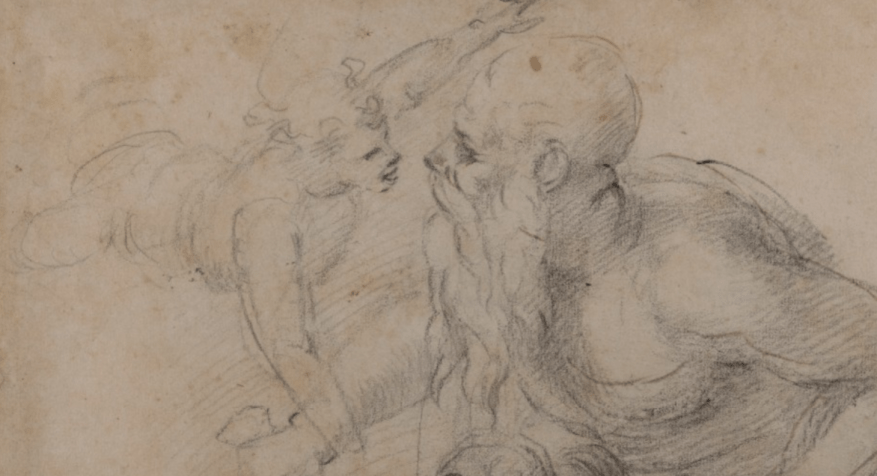
Il Sacrificio di Isacco e quel momento tra la vita e la morte
🇮🇹Oggi voglio raccontarvi alcuni dettagli sul mio disegno del Sacrificio di Isacco, conservato oggi a Casa Buonarroti. Su quel foglio volli tracciare il momento preciso in cui la paura fa spazio al miracolo… 🇬🇧Today I want to tell you some details about my drawing of the Sacrifice of Isaac, now preserved at Casa Buonarroti. On…
-
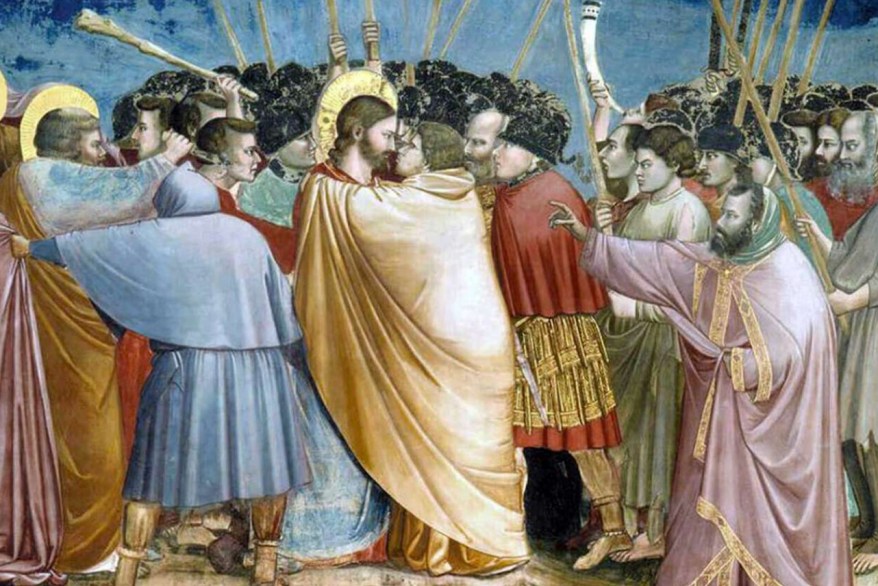
Mercoledì Santo: il giorno del tradimento di Giuda affrescato da Giotto
🇮🇹Il Mercoledì Santo è il giorno del silenzio, della riflessione e del tradimento. È il momento in cui Giuda sceglie di vendere Gesù per trenta denari, segnando uno dei passaggi più dolorosi della Settimana Santa…. 🇬🇧Holy Wednesday is a day of silence, reflection, and betrayal. ✝It is the moment when Judas chooses to sell Jesus…
Condividi:


Questo sono io





sostienici

Sostienici – Support Us
Se questo blog ti piace e ti appassiona, puoi aiutarci a farlo crescere sempre più sostenendoci in modo concreto condividendo i post, seguendo le pagine social e con un contributo che ci aiuta ad andare avanti con il nostro lavoro di divulgazione. . ENGLISH: If you like and are passionate about this blog, you can help us make it grow more and more by supporting us in a concrete way by sharing posts, following social pages and with a contribution that helps us to move forward with our dissemination work.
€10,00


