
La Scultura del giorno: la Pimpaccia, Olimpia Maidalchini di Algardi
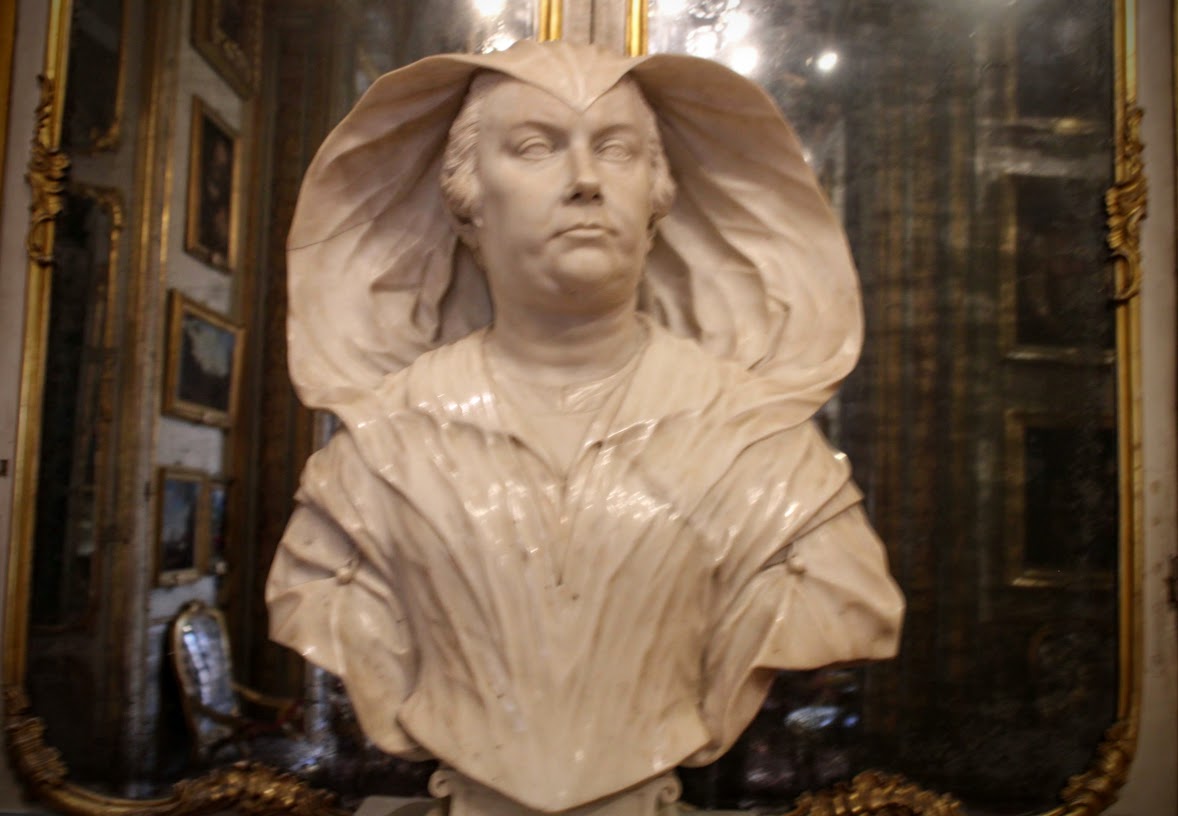
La scultura del giorno che vi propongo oggi è il busto di Olimpia Maidalchini, più nota come Pimpaccia, scolpita dall’artista bolognese Alessandro Algardi nel 1646.
E’ il ritratto della celebre cognata di papa Innocenzo X Pamphilj, indomita e arrivista. L’ambiziosa principessa divenne il bersaglio preferito dei nemici del papa che si diedero da fare per tramandarne ai posteri un’immagine non proprio lusinghiera.
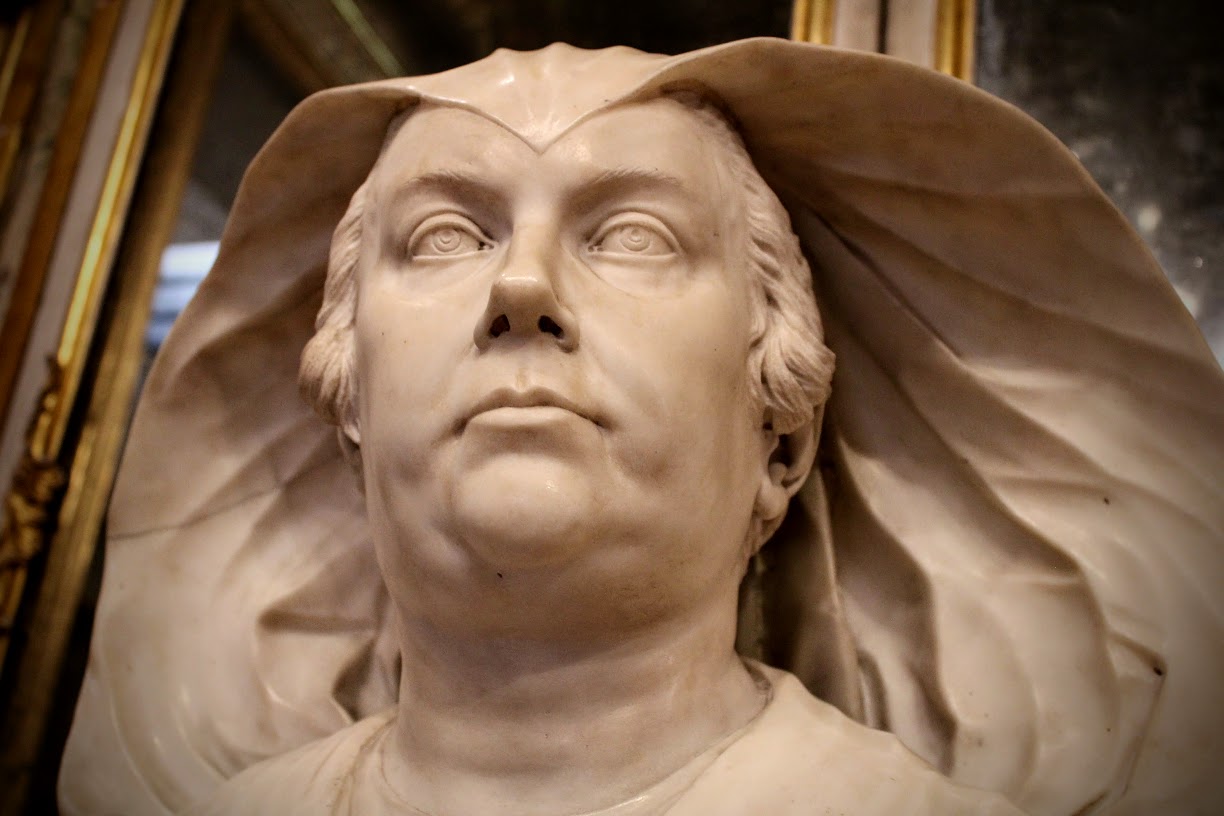
Senza ombra di dubbio, questo ritratto scolpito così realistico dell’Algardi, è una delle vette più alte della scultura romana di metà Seicento. Il volto di Olimpia con gli zigomi pronunciati e il mento che fa percepire un morso serrato, denotano il carattere risoluto della donna.
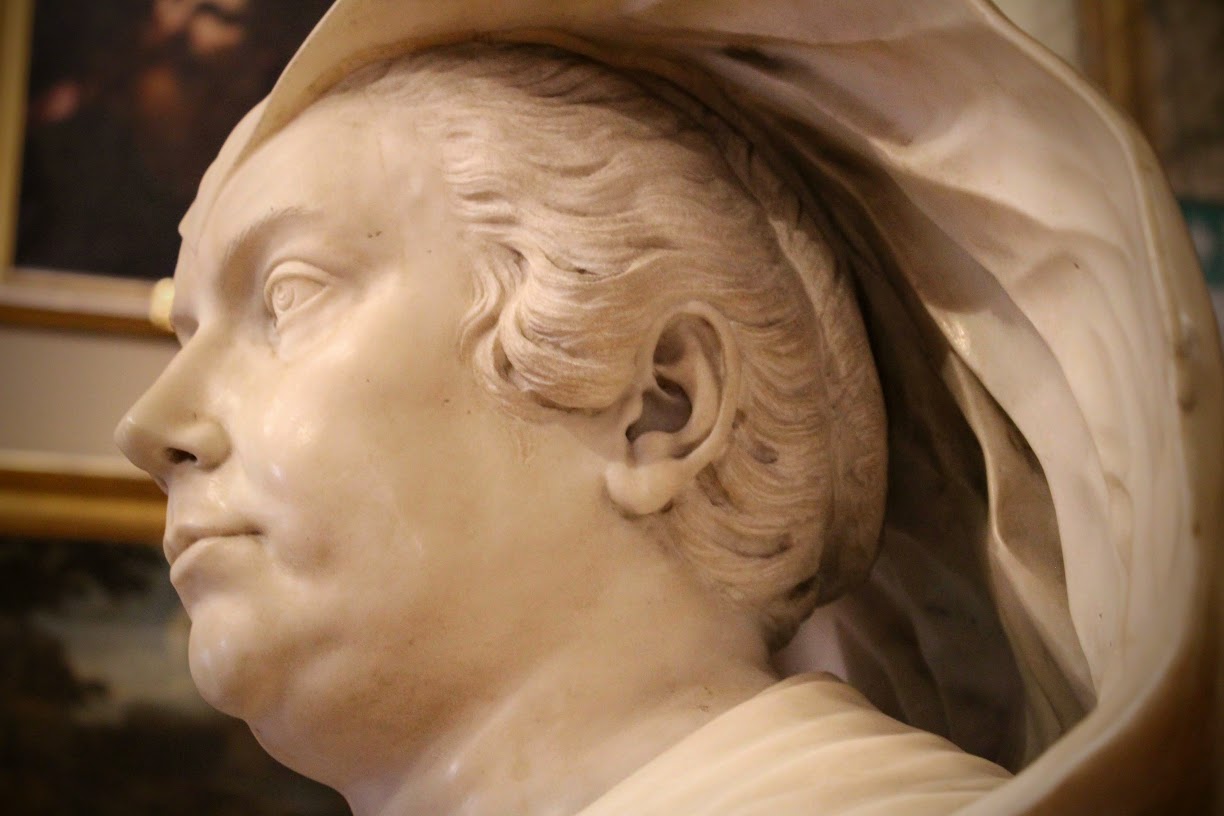
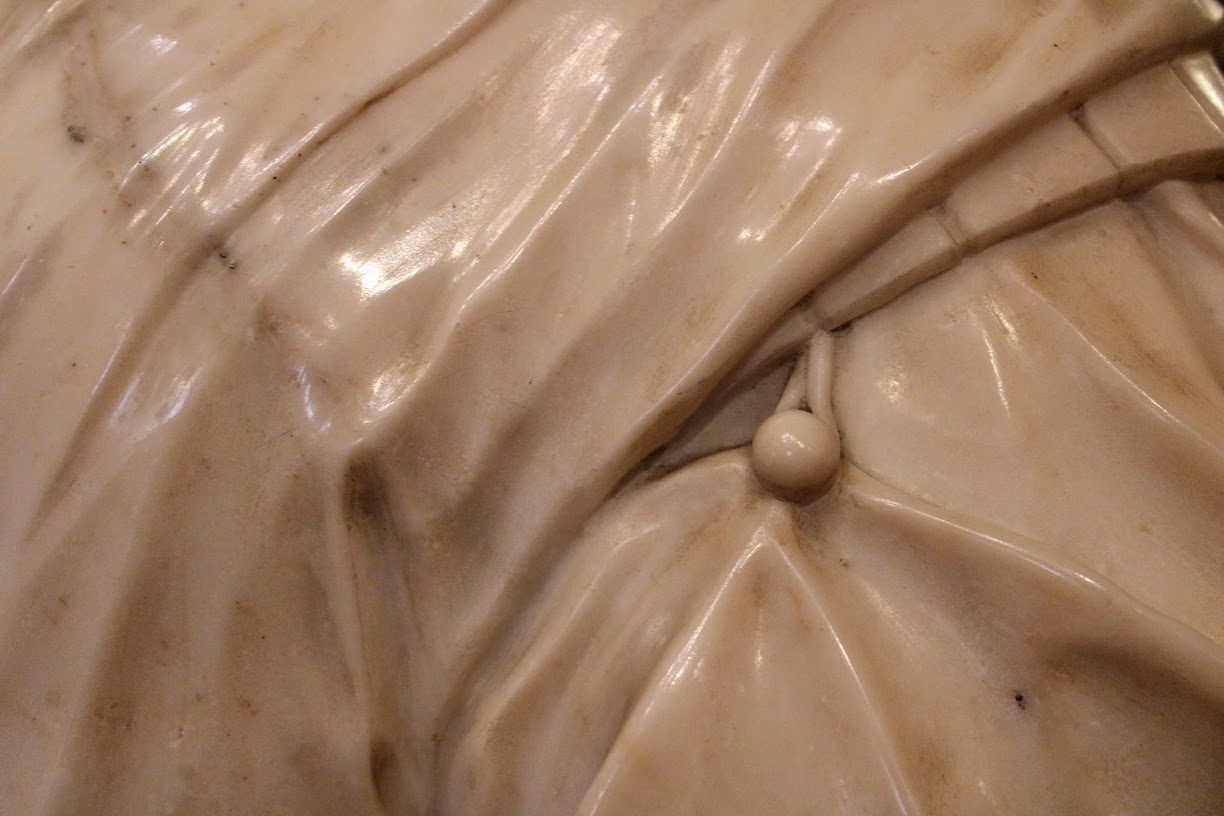
Ad aggiungere potenza al busto c’è il sottile velo vedovile gonfio di aria dietro il capo della donna che contrasta con i capelli raccolti.

Ma chi era Olimpia Maidalchini?
Donna Olimpia già da giovane mostrò il suo carattere determinato opponendosi alla volontà del padre che avrebbe voluto chiuderla in monastero. Poco prima di prendere i voti accusò il padre spirituale di averla molestata. Lui venne sospeso e lei a sedici anni sposò un anziano e ricco proprietario terriero.
Divenuta presto vedova e con una gran voglia di scalare la società romana, si sposò in seconde nozze con Pamphilio Pamphilj, fratello di quello che di lì a poco, nel 1644, sarebbe stato eletto sul soglio di Pietro con il nome di Innocenzo X.
I due ebbero un legame molto stretto. La donna rimasta vedova per la seconda volta, fu scelta dal pontefice come erede di tutti i suoi beni e possedimenti e la nominò principessa di San Martino al Cimino.
A Roma si vociferava fosse lei a tenere in mano le redini del papato tanto da essere chiamata la Papessa. Non perdeva occasione per affiancare il cognato Innocenzo X durante le cerimonie ufficiali e nelle occasioni più importanti.
Perché veniva chiamata la Pimpaccia?
Il soprannome più celebre della principessa Olimpia deriva da una pasquinata. La Pimpa fu una rappresentazione teatrale che riscosse un enorme successo nella Roma del Seicento.
Portava in scena una donna con bramosie di potere, spregiudicata e avida. I romani tutte quelle caratteristiche le avevano riscontrate nella nobildonna e non esitarono a soprannominarla come la protagonista dell’opera teatrale in una pasquinata presto divenuta celebre.
Se volete apprezzare al meglio il busto di Olimpia Maidalchini scolpito da Alessandro Algardi, non vi rimane altro che andare a visitare la Galleria Doria Pamphilj a Roma, in via del Corso.
Per il momento il vostro Michelangelo Buonarroti vi saluta dandovi appuntamento ai prossimi post e sui social.
Sculpture of the day: the Pimpaccia, Olimpia Maidalchini by Algardi
The sculpture of the day that I propose to you today is the bust of Olimpia Maidalchini, better known as Pimpaccia, sculpted by the Bolognese artist Alessandro Algardi in 1646.
It is the portrait of the famous sister-in-law of Pope Innocent X Pamphilj, indomitable and upstart. The ambitious princess became the favorite target of the pope’s enemies who worked hard to pass on a not exactly flattering image of her to posterity.
Without a shadow of a doubt, this realistic sculpted portrait by Algardi is one of the highest peaks of mid-seventeenth-century Roman sculpture. Olimpia’s face with pronounced cheekbones and her chin that makes one perceive a tight bite, denote the resolute character of the woman.
Adding power to the bust is the thin widow’s veil swollen with air behind the woman’s head which contrasts with her gathered hair.
But who was Olimpia Maidalchini?
Already as a young woman Donna Olimpia showed her determined character by opposing the will of her father who wanted to close her in a monastery. Shortly before taking her vows she accused the spiritual father of molesting her. He was suspended and at sixteen she married an elderly and wealthy landowner.
Soon becoming a widow and with a great desire to climb the ladder of Roman society, she married her second wife to Pamphilio Pamphilj, brother of the one who shortly thereafter, in 1644, would be elected to the throne of Peter with the name of Innocent X.
The two had a very close bond. The woman, widowed for the second time, was chosen by the pope as heir to all her goods and possessions and named princess of San Martino al Cimino.
In Rome, it was rumored that she held the reins of the papacy in hand, so much so that she was called the Popess. She never missed an opportunity to assist her brother-in-law Innocent X during official ceremonies and on the most important occasions.
Why was she called Pimpaccia?
Princess Olympia’s most famous nickname comes from a pasquinade. La Pimpa was a theatrical performance that enjoyed enormous success in seventeenth-century Rome.
He staged a woman with lust for power, unscrupulous and greedy. The Romans had found all those characteristics of her in the noblewoman and did not hesitate to nickname her after the protagonist of the play in a pasquinade which soon became famous.
If you want to better appreciate the bust of Olimpia Maidalchini sculpted by Alessandro Algardi, all you have to do is go and visit the Galleria Doria Pamphilj in Rome, in via del Corso.
For the moment, your Michelangelo Buonarroti greets you by making an appointment for the next posts and on social media.

Sostienici – Support Us
Se questo blog ti piace e ti appassiona, puoi aiutarci a farlo crescere sempre più sostenendoci in modo concreto condividendo i post, seguendo le pagine social e con un contributo che ci aiuta ad andare avanti con il nostro lavoro di divulgazione. . ENGLISH: If you like and are passionate about this blog, you can help us make it grow more and more by supporting us in a concrete way by sharing posts, following social pages and with a contribution that helps us to move forward with our dissemination work.
8,00 €
-
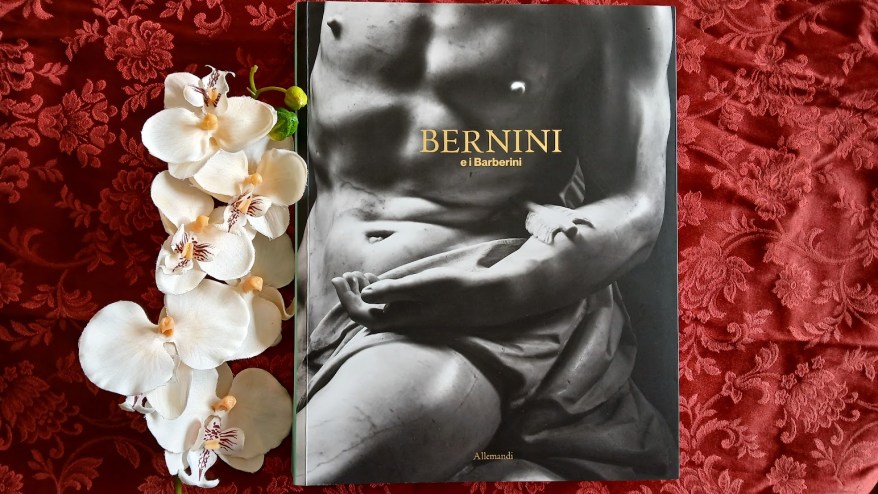
Dentro il catalogo di Bernini e i Barberini: arte, potere e immagini mozzafiato
Arte, storia e immagini sorprendenti: il catalogo “Bernini e i Barberini” racconta il legame tra Bernini e Urbano VIII in modo unico.
-
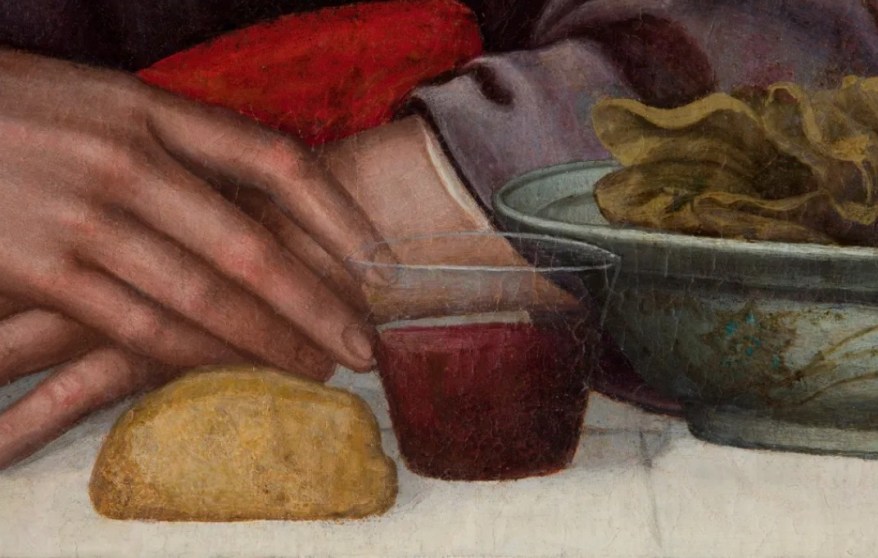
Pasqua: l’Ultima Cena della monaca pittrice Plautilla Nelli
🇮🇹Nel tempo della Pasqua, tra riflessione e rinascita, emerge la figura straordinaria di Plautilla Nelli: un’artista che, sfidando i limiti imposti alle donne, ha lasciato un segno profondo nella storia del Rinascimento. Vi propongo il suo capolavoro: l’Ultima Cena di Santa Maria Novella, a Firenze 🇬🇧During the Easter season, between reflection and rebirth, the extraordinary…
-
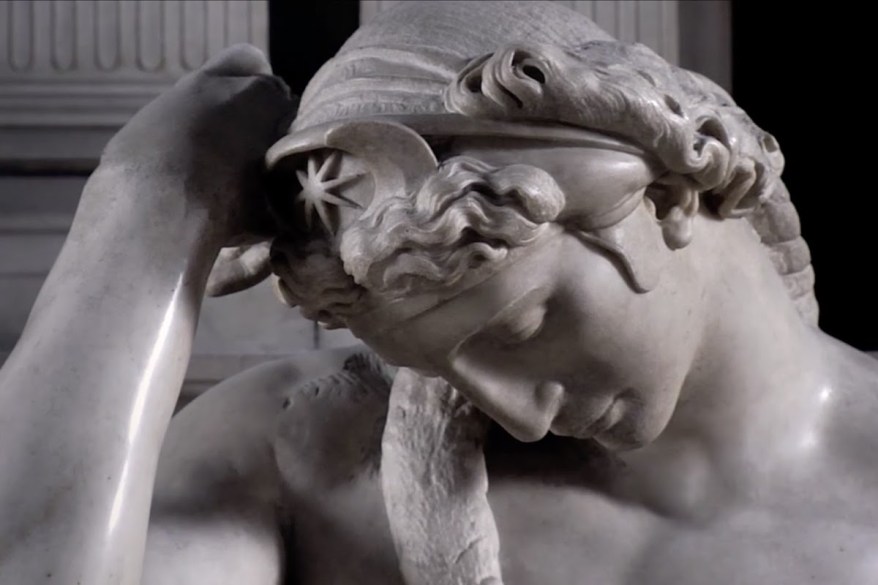
Il Giorno e la Notte: eterni nel loro alternarsi
🇮🇹Il marmo respira? No, ma è capace di trattenere il fiato fissando nell’eternità momenti che altrimenti si perderebbero per sempre… 🇬🇧Does marble breathe? No, but it is capable of holding its breath, capturing in eternity moments that would otherwise be lost forever…
Condividi:


Questo sono io





sostienici

Sostienici – Support Us
Se questo blog ti piace e ti appassiona, puoi aiutarci a farlo crescere sempre più sostenendoci in modo concreto condividendo i post, seguendo le pagine social e con un contributo che ci aiuta ad andare avanti con il nostro lavoro di divulgazione. . ENGLISH: If you like and are passionate about this blog, you can help us make it grow more and more by supporting us in a concrete way by sharing posts, following social pages and with a contribution that helps us to move forward with our dissemination work.
€10,00


1 commento »