

La Scultura del giorno: la Terra Promessa di Franklin Simmons
La scultura del giorno che vi propongo oggi la Terra Promessa di Franklin Simmons, scolpita dall’artista a Roma nel 1874 e oggi appartenente alla prestigiosa collezione del Metropolitan di New York.
Franklin Simmons, dopo aver dato forma ai busti che ritraevano gli eroi della guerra civile, partì dal Maine alla volta dell’Italia. Era il 1868.

Roma divenne la sua casa e riuscì a mantenersi scolpendo diversi ritratti su commissione. Fra le sue opere di maggior successo del periodo romano ci fu proprio la Terra Promessa, ispirata dalla frase dell’Antico Testamento che lo scultore scalpellò sulla base dell’opera.
Nella Terra Promessa è possibile interpretare anche un commiato dalla moglie Emma che morì un anno prima che la scultura fosse portata a termine.

La Terra Promessa, The Promised Land, raffigura una giovane donna ebrea abbigliata con una lunga veste senza maniche che si sostiene a una palma.
Sul capo porta una corona d’alloro che sta a significare l’imminente vittoria ovvero il suo prossimo arrivo nella terra degli antenati.
Non è difficile scorgere la forte influenza in questo lavoro di William Wetmore Story, altro noto scultore che lavorava a Roma nello stesso periodo.

La Terra Promessa fu scolpita da Franklin Simmons nel 1874 per Marshall O Roberts, un danaroso finanziere americano che si occupava di navi a vapore nonché collezionista d’arte.
Successivamente l’opera fu comprata nel 1897 da Ackelman Coles, un medico del New Jersey che la offrì al Metropolitan Museum di New York.

Per il momento il vostro Michelangelo Buonarroti vi saluta dandovi appuntamento ai prossimi post e sui social.

Sculpture of the day: Franklin Simmons’ Promised Land
The sculpture of the day that I offer you today Franklin Simmons’ Promised Land, sculpted by the artist in Rome in 1874 and now belonging to the prestigious collection of the Metropolitan in New York.
Franklin Simmons, after giving shape to the busts portraying the heroes of the civil war, left Maine for Italy. It was 1868.
Rome became his home and he managed to support himself by sculpting several commissioned portraits. Among his most successful works of the Roman period was the Promised Land, inspired by the Old Testament phrase that the sculptor chiseled based on the work.
In the Promised Land it is also possible to interpret a farewell from his wife Emma who died a year before the sculpture was completed.
The Promised Land depicts a young Jewish woman dressed in a long sleeveless robe who supports herself on a palm tree.
On her head she wears a laurel crown which signifies her imminent victory or her forthcoming arrival in the land of her ancestors.
It is not difficult to see the strong influence in this work of William Wetmore Story, another well-known sculptor who worked in Rome at the same time.
The Promised Land was sculpted by Franklin Simmons in 1874 for Marshall O Roberts, a wealthy American steamship financier and art collector.
Subsequently the work was bought in 1897 by Ackelman Coles, a doctor from New Jersey who offered it to the Metropolitan Museum of New York.
For the moment, your Michelangelo Buonarroti greets you by making an appointment for the next posts and on social media.

Sostienici – Support Us
Se questo blog ti piace e ti appassiona, puoi aiutarci a farlo crescere sempre più sostenendoci in modo concreto condividendo i post, seguendo le pagine social e con un contributo che ci aiuta ad andare avanti con il nostro lavoro di divulgazione. . ENGLISH: If you like and are passionate about this blog, you can help us make it grow more and more by supporting us in a concrete way by sharing posts, following social pages and with a contribution that helps us to move forward with our dissemination work.
8,00 €
-
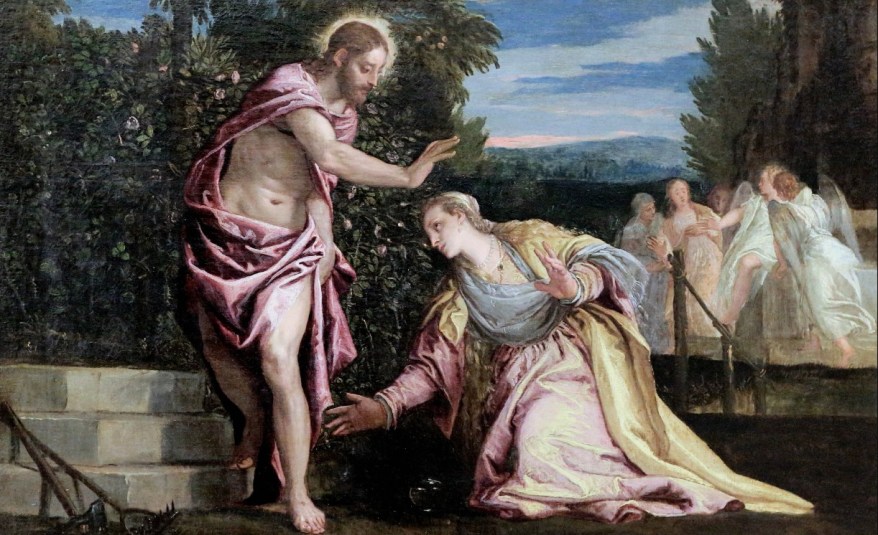
Pasquetta, tra spiritualità e arte: il significato del Lunedì dell’Angelo e i capolavori del “Noli me tangere”
🇮🇹Il Lunedì dell’Angelo racchiude uno dei momenti più intensi del Vangelo: l’incontro tra Gesù risorto e Maria Maddalena, raccontato nel celebre “Noli me tangere”. Un episodio che nei secoli ha ispirato artisti straordinari, dando vita a opere cariche di emozione, spiritualità e bellezza. .. 🇬🇧Easter Monday encompasses one of the most intense moments in the…
-
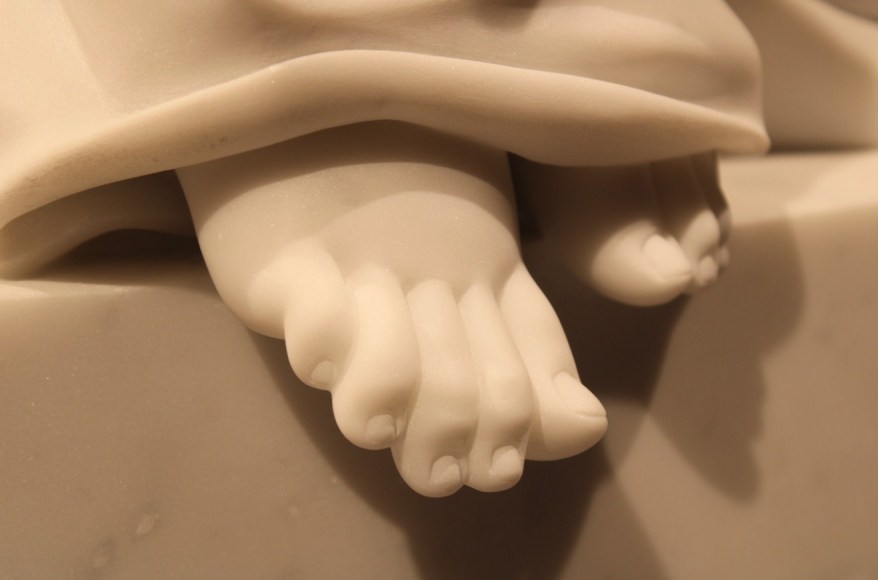
La Pietà di Tincolini: a Pontedera l’arte torna a fare domande scomode
🇮🇹“Pietà”, la scultura di Filippo Tincolini, insieme alle parole di Federico Quaranta e Andrea Pezzi, non è stato solo uno spettacolo. È stata una domanda lanciata in faccia al pubblico, impossibile da evitare: siamo ancora capaci di provare pietà? 🇬🇧 “Pietà,” Filippo Tincolini’s sculpture, along with the words of Federico Quaranta and Andrea Pezzi, wasn’t…
-
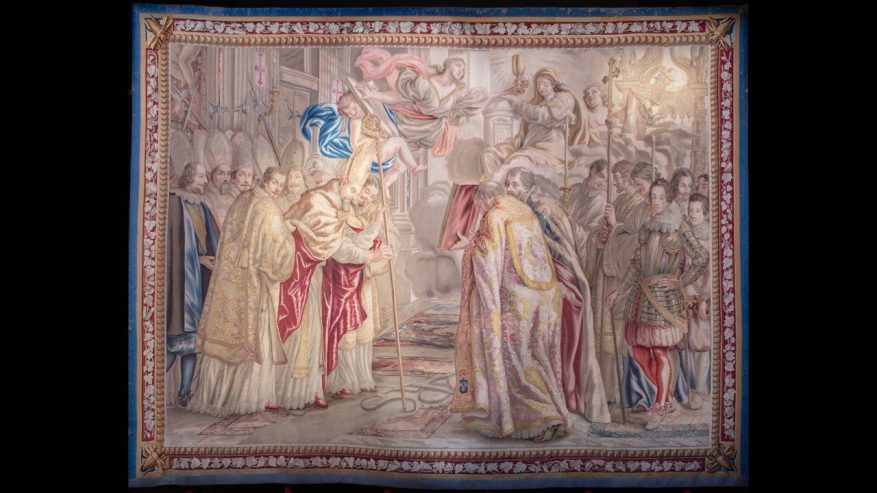
Ai Musei Vaticani i fasti barocchi di Urbano VIII: in mostra gli arazzi della manifattura Barberini
🇮🇹A quattro secoli dalla consacrazione della Basilica di San Pietro, i Musei Vaticani dedicano una mostra all’Arazzeria Barberini, simbolo di una cultura visiva capace di fondere magnificenza estetica e affermazione politica… 🇬🇧Four centuries after the consecration of St. Peter’s Basilica, the Vatican Museums are dedicating an exhibition to the Barberini Tapestry Factory, a symbol of…
Condividi:


Questo sono io





sostienici

Sostienici – Support Us
Se questo blog ti piace e ti appassiona, puoi aiutarci a farlo crescere sempre più sostenendoci in modo concreto condividendo i post, seguendo le pagine social e con un contributo che ci aiuta ad andare avanti con il nostro lavoro di divulgazione. . ENGLISH: If you like and are passionate about this blog, you can help us make it grow more and more by supporting us in a concrete way by sharing posts, following social pages and with a contribution that helps us to move forward with our dissemination work.
€10,00


