
La Caduta degli Angeli Ribelli: il Capolavoro di Bertos
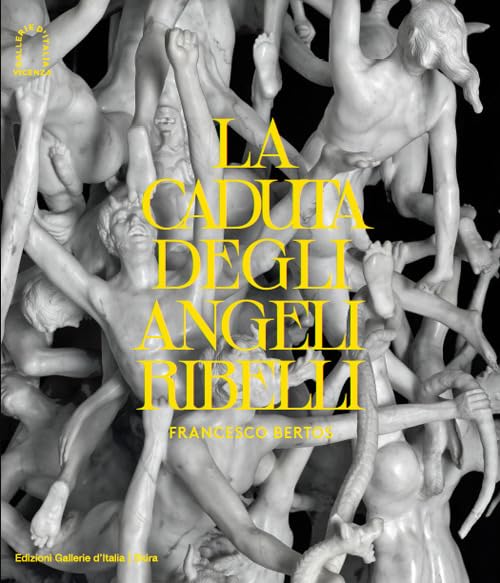
La scultura del giorno che vi propongo oggi è un prodigio di marmo: la Caduta degli Angeli Ribelli realizzata dallo scultore veneto Francecsco Bertos nel 1750 circa.
Un capolavoro scolpito in un pezzo unico di marmo di Carrara che raggiunge quasi il metro e settanta di altezza e che si trova al centro di una sala di Palazzo Leoni Montanari a Vicenza.

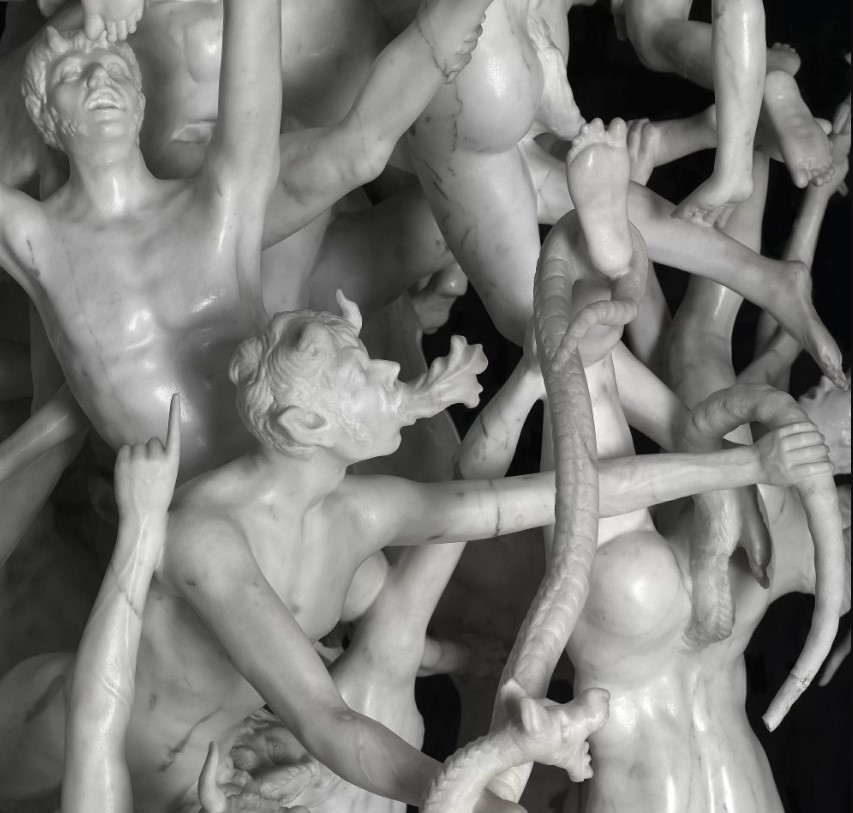
Sono più di sessanta le figure che precipitano dal cielo. Il bene e il male si sfidano guidati dall’Arcangelo Michele e da Lucifero, così come viene raccontato nell’Apocalisse di Giovanni. Tra il groviglio di corpi si vede il demone con le corna sul capo che punta il dito verso l’alto.
Bertos era un grande artigiano dotato di una tecnica straordinaria.
Le figure di quest’opera si intersecano l’una con l’altra e sembra quasi non seguano alcuna legge di gravità, come se volassero. Il suo virtuosismo era noto ai contemporanei tanto che i potenti d’Europa, compreso lo Zar di Russia, ambivano ad avere le sue opere.

Della sua vita si sa ancora troppo poco. I documenti lo annoverano come “Scultor di Padova, uomo celebre e solo nell’arte di simil genere”. Lo storico dell’arte inglese Charles Avery ha datato la sua nascita nel 1678 e la morte nel 1741. Molto amato dai collezionisti, ha suscitato invece poco interesse nella critica.
Nel complesso gruppo scultoreo lavorato con grande maestria è raffigurato il combattimento fra l’esercito del bene e quello del male, capitanati rispettivamente dall’Arcangelo Michele e da Satana come viene raccontato nel libro dell’Apocalisse di Giovanni.

Sono sessanta le figure scolpite da Bertos che si intersecano le une con le altre. Al vertice della piramide, con la spada tratta e lo scudo si vede l’Arcangelo Michele mentre il demonio, con i piedi poggiati sulla base, ha nella mano destra il forcone a due punte e con l’altra mano indica il suo più temuto avversario.
Fra i due protagonisti della disputa ci sono gli angeli ribelli che vengono cacciati dal Paradiso divenendo così demoni.
Se aguzzate bene la viste vedrete serpeggiare fra i corpi dei demoni delle creature nelle sembianze di draghi e serpi.

Provate solo per un istante cosa voglia dire scolpire questo capolavoro in un blocco unico e quanto possa essere complesso riuscire a lavorare al centro con i trapani e dare definizione alle zone meno inaccessibili. Non è proprio un lavoro semplice ed è per questo che all’inizio dell’articolo ho parlato di prodigio di marmo.
La prima citazione di quest’opera documentata è quella di giovan Battista Rossetti che nel 1765 segnalava La Caduta degli Angeli Ribelli come una delle più interessanti attrazioni di Padova, opera di “Agostin Fasolato Scultor Padovano. Lavoro per dir vero stupendo, non tentato né pure dall’antica Grecia”.
Per quanto riguarda l’autore di questo capolavoro qualche dubbio ci fu fin dall’inizio. Esistevano infatti due Agostino Fasolato che lavorarono negli stessi anni in quelle zone.
Avrebbe potuto essere il figliolo di Vincenzo e Orazia Piresti nato a Padova il 27 giugno del 1714 oppure l’altro Agostino a cui furono affidati lavori di intaglio per alcune chiese padovane.

Per secoli La Caduta degli Angeli Ribelli fu attribuita allo scalpellino Agostino Fasolato ma recentemente è stata riconosciuta come opera di Bertos.
Francesco Bertos addirittura, per il suo virtuosismo sorprendente, fu persino indagato dalla Santa Inquisizione.
Per il momento il vostro Michelangelo Buonarroti vi saluta dandovi appuntamento ai prossimi post e sui social.
Sculpture of the day: The Fall of the Rebel Angels by Bertos
The sculpture of the day that I propose to you today is a marble prodigy: the Fall of the Rebel Angels created by the Venetian sculptor Francesco Bertos around 1750.
A masterpiece sculpted in a single piece of Carrara marble that reaches almost one meter and seventy in height and is located in the center of a room in Palazzo Leoni Montanari in Vicenza.
There are more than sixty figures that fall from the sky. Good and evil challenge each other guided by the Archangel Michael and Lucifer, as told in the Apocalypse of John. Among the tangle of bodies you can see the demon with horns on his head pointing his finger upwards.
Bertos was a great craftsman with an extraordinary technique.
The figures in this work intersect with each other and almost seem not to follow any law of gravity, as if they were flying. His virtuosity was known to his contemporaries, so much so that the powerful of Europe, including the Tsar of Russia, aspired to have his works.
Too little is known about his life. Documents list him as “Sculptor of Padua, a famous and solitary man in art of a similar kind”. The English art historian Charles Avery dated his birth in 1678 and his death in 1741. Much loved by collectors, he has aroused little interest among critics.
The complex sculptural group worked with great mastery depicts the battle between the army of good and that of evil, led respectively by the Archangel Michael and Satan as told in the book of the Apocalypse of John.
There are sixty figures sculpted by Bertos that intersect with each other. At the top of the pyramid, with his drawn sword and shield, you can see the Archangel Michael while the devil, with his feet resting on the base, has a two-pronged pitchfork in his right hand and with the other hand points to his most feared opponent.
Between the two protagonists of the dispute are the rebel angels who are expelled from Paradise and thus become demons.
If you sharpen your eyesight, you will see creatures in the form of dragons and snakes snaking between the bodies of the demons.
Experience for just a moment what it means to sculpt this masterpiece in a single block and how complex it can be to work in the center with drills and give definition to the less inaccessible areas. It is not exactly a simple job and that is why at the beginning of the article I spoke of a marble prodigy.
The first documented citation of this work is that of Giovan Battista Rossetti who in 1765 reported The Fall of the Rebel Angels as one of the most interesting attractions of Padua, the work of “Agostin Fasolato Sculptor Padovano. Work to tell the truth stupendous, not even attempted by ancient Greece”.
As for the author of this masterpiece there was some doubt from the beginning. In fact there were two Agostino Fasolatos who worked in those areas in the same years.
He could have been the son of Vincenzo and Orazia Piresti born in Padua on June 27, 1714 or the other Agostino who was entrusted with carving works for some churches in Padua.
For centuries The Fall of the Rebel Angels was attributed to the stonemason Agostino Fasolato but recently it was recognized as a work by Bertos.
Francesco Bertos in fact, for his surprising virtuosity, was even investigated by the Holy Inquisition.
For now, your Michelangelo Buonarroti bids you farewell and gives you an appointment for the next posts and on social media.

Sostienici – Support Us
Se questo blog ti piace e ti appassiona, puoi aiutarci a farlo crescere sempre più sostenendoci in modo concreto condividendo i post, seguendo le pagine social e con un contributo che ci aiuta ad andare avanti con il nostro lavoro di divulgazione. . ENGLISH: If you like and are passionate about this blog, you can help us make it grow more and more by supporting us in a concrete way by sharing posts, following social pages and with a contribution that helps us to move forward with our dissemination work.
10,00 €
-
La Lavanda dei Piedi di Tintoretto: Il Capolavoro Veneziano al Prado
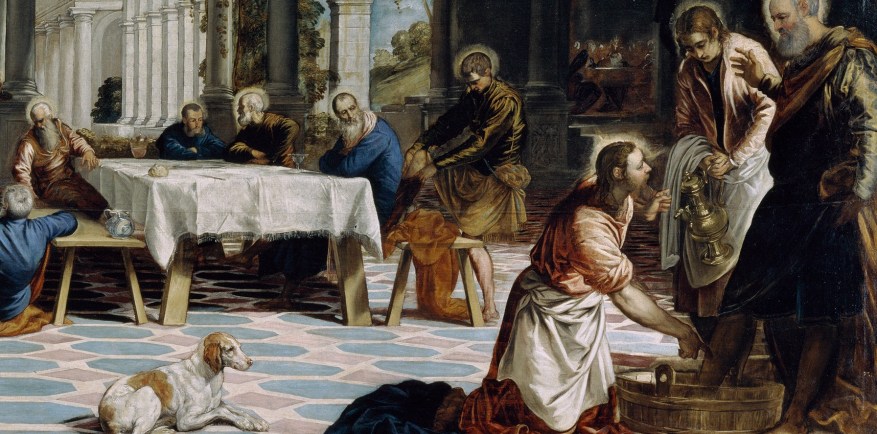
🇮🇹Tra i capolavori più affascinanti del Rinascimento veneziano, “La Lavanda dei Piedi” di Jacopo Tintoretto rappresenta un perfetto equilibrio tra spiritualità, innovazione compositiva e straordinaria forza narrativa… 🇬🇧Among the most fascinating masterpieces of the Venetian Renaissance, Jacopo Tintoretto’s “The Washing of the Feet” represents a perfect balance between spirituality, compositional innovation, and extraordinary narrative force…
-
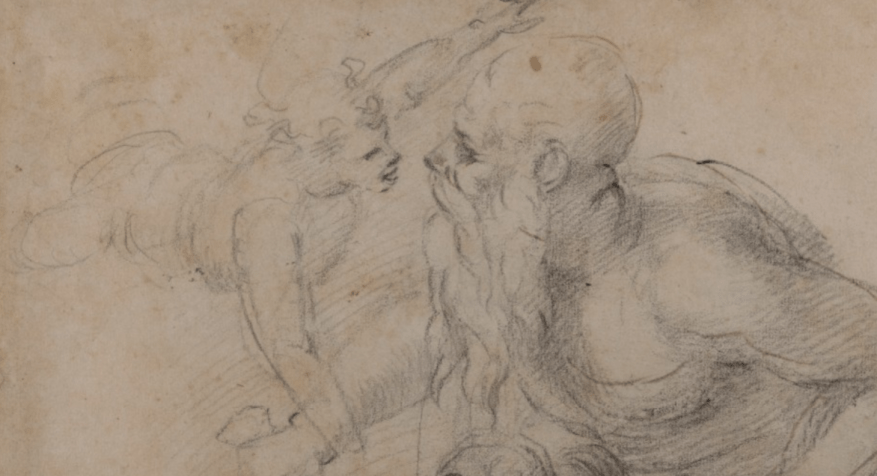
Il Sacrificio di Isacco e quel momento tra la vita e la morte
🇮🇹Oggi voglio raccontarvi alcuni dettagli sul mio disegno del Sacrificio di Isacco, conservato oggi a Casa Buonarroti. Su quel foglio volli tracciare il momento preciso in cui la paura fa spazio al miracolo… 🇬🇧Today I want to tell you some details about my drawing of the Sacrifice of Isaac, now preserved at Casa Buonarroti. On…
-
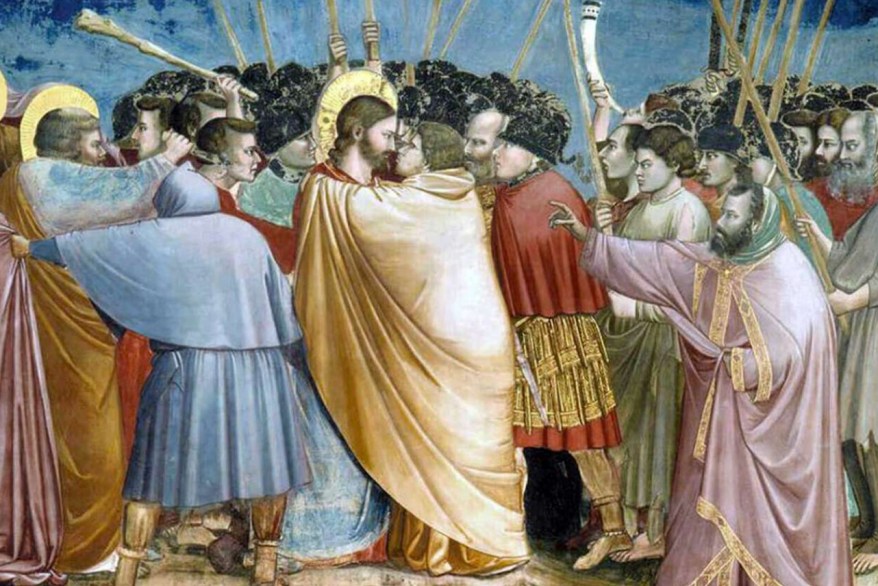
Mercoledì Santo: il giorno del tradimento di Giuda affrescato da Giotto
🇮🇹Il Mercoledì Santo è il giorno del silenzio, della riflessione e del tradimento. È il momento in cui Giuda sceglie di vendere Gesù per trenta denari, segnando uno dei passaggi più dolorosi della Settimana Santa…. 🇬🇧Holy Wednesday is a day of silence, reflection, and betrayal. ✝It is the moment when Judas chooses to sell Jesus…
Condividi:


Questo sono io





sostienici

Sostienici – Support Us
Se questo blog ti piace e ti appassiona, puoi aiutarci a farlo crescere sempre più sostenendoci in modo concreto condividendo i post, seguendo le pagine social e con un contributo che ci aiuta ad andare avanti con il nostro lavoro di divulgazione. . ENGLISH: If you like and are passionate about this blog, you can help us make it grow more and more by supporting us in a concrete way by sharing posts, following social pages and with a contribution that helps us to move forward with our dissemination work.
€10,00


