
La Scultura del giorno: la Chioma di Berenice di Ambrogio Borghi
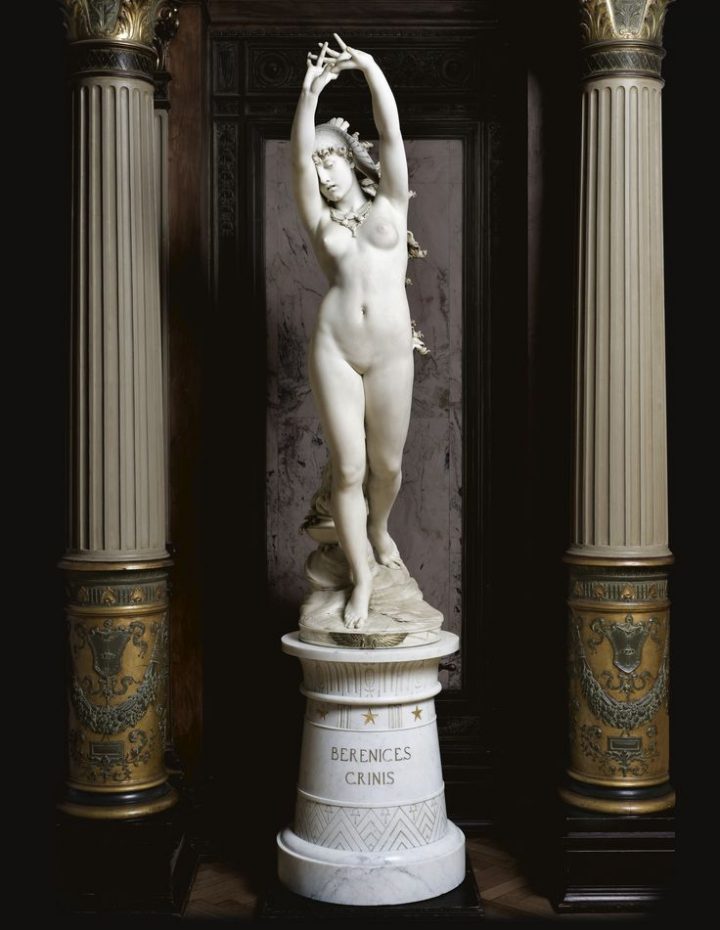
La scultura del giorno che vi propongo oggi è la Chioma di Berenice, realizzata dallo scultore Ambrogio Borghi nel 1878.
L’opera in marmo ha un’altezza complessiva di un metro e novanta e ciò che richiama subito l’attenzione è la chioma fluente e il corpo aggraziato della giovane che si allunga verso l’alto e termina con le sottili dita intrecciate al di sopra del capo.

Chi era Berenice?
La storia di Berenice fu raccontata dal poeta greco Callimaco vissuto fra il 310 a. C e il 235 a. C. Lei era la regina egizia, sposa del faraone Tolomeo III Evergete, sovrano della Dinastia tolemaica d’Egitto. Dopo le nozze, il consorte partì per combattere la guerra contro il re della Siria.
Lei fece un voto alla dea Iside: avrebbe tagliato i suoi capelli solo se il marito fosse tornato sano e salvo. Quando Tolomeo ritornò Berenice si tagliò la chioma e la donò a Iside, appendendola nel suo tempio. Quei capelli poco dopo sparirono misteriosamente e il marito li cercò ovunque fino a quando Canone, l’astronomo del faraone, lo rassicurò dicendogli che Zeus, tanto era rimasto affascinato da quella chioma, che l’aveva voluta mettere nel firmamento.
Ancora oggi La Chioma di Berenice è una delle costellazioni dell’emisfero boreale, costituita da un gruppo di stelle che formano una V, visibili nel mese di aprile a sud Est del Grande Carro, o Orsa Maggiore che dir si voglia.
La scultura
La donna ha la fluente capigliatura che arriva a sfiorarle le chiappe e sfoggia un copricapo tipicamente egiziano. Dietro i suoi piedi si vede un recipiente contenente incenso dal quale si elevano verso il cielo i fumi odorosi. Anche la collana che sfoggia Berenice è ispirata a quelle di fattura egizia, proprio per ricordare le sue origini.

Lo scultore era considerato un astro nascente della scultura e ottenne la cattedra di modellato a soli 32 anni presso l’Accademia di Belle Arti di Brera. Purtroppo solo 6 anni dopo morì, a 38 anni.
Scolpì la Berenice nel momento in cui era preso dalla rivisitazione in chiave contemporanea dei modelli del manierismo che spaziavano dal Giambologna al Cellini.
L’opera in questione era stata scolpita dall’artista per mostrarla Esposizione Universale di Parigi del 1878, dove vinse la medaglia d’argento e la Legion d’Onore. All’epoca, Charles Blanc che era i direttore della Gazzetta delle Belle Arti di Parigi, scrisse parole lusinghiere sul capolavoro di Borghi definendolo “il più bel corpo di giovane donna che sia mai uscito vivo e palpitante da un blocco di Carrara”.

L’opera fu venduta all’asta alla fine dell’esposizione e finì di nuovo sul mercato nel 1904. Fu comprata da Monsieur Rouleau, collezionista belga di Bruxelles che la portò nella sua dimora dove rimase per più di cento anni. Per accogliere al meglio la Chioma di Berenice fece progettare appositamente una stanza tutta per lei.
Recentemente, nel maggio del 2011, la Berenice è stata rimessa sul mercato e venduta con un asta da Sotherby.

Per il momento il vostro Michelangelo Buonarroti vi saluta dandovi appuntamento ai prossimi post e sui social.

The sculpture of the day: the hair of Berenice by Ambrogio Borghi
The sculpture of the day that I propose today is the crown of Berenice, made by the sculptor Ambrogio Borghi in 1878.
The marble work has a overall height one meter and ninety and what immediately draws attention is the flowing hair and the graceful body of the young woman who stretches upwards and ends with her hands intertwined above the garment
Who was Berenice?
The story of Berenice was told by the Greek poet Callimaco lived between 310 BC. C and 235 BC. C. She was the Egyptian Queen, the bride of the Pharaoh Tolomeo III Evergete, sovereign of the Egypt of the Tolemaic dynasty. After the wedding, the wife left to fight the war against the king of Syria.
She made a vote for the goddess Isis: she would have cut her hair only if her husband had returned healthy and safe. When Tolomeo returned Berenice he cut his hair and gave it to Isis, hanging it in his temple. That hair shortly afterwards disappeared mysteriously and the husband sought them everywhere until the canon, the astronomer of the pharaoh, reassured him by telling him that Zeus, so much had been fascinated by that hair, who had wanted to put it in firmament.
Even today, Berenice’s crown is one of the constellations of the northern hemisphere, consisting of a group of stars that form a V, visible in April to the south east of the constellation of the large chariot, or a major Orsa that you want.
Sculpture
The woman has the flowing hair that characterizes and sports a typically Egyptian headdress. Behind his feet you see a container containing incense from which the smelling fumes rise towards the sky. The necklace that sports Berenice is also inspired by those of Egyptian invoice, just to remember its origins.
The sculptor was considered a nascent star of the sculpture and obtained the chair of modeling at the age of 32 at the Brera Academy of Fine Arts. Unfortunately only 6 years later he died, at 38 years old.
He sculpted the Berenice when he was taken from the contemporary reinterpretation of the models of mannerism that ranged from Giambologna to Cellini.
The work in question had been carved by the artist to show it to Paris Universal Exhibition from 1878, where he won the silver medal and the legion of honor. At the time, Charles Blanc who was the director of the Gazzetta delle Fine Arts of Paris, wrote flattering words on Borghi’s masterpiece calling him “the most beautiful body of young woman who has ever come out alive and throbbing by a block of Carrara”.
The work was sold at the end of the exhibition and ended up on the market again in 1904. It was bought by Monsieur Rouleau, Belgian collector from Brussels who brought it to her home where she remained for more than a hundred years. To best welcome Berenice’s hair, he specially designed a room for her.
Recently, in May 2011, the Berenice was put back on the market and sold with a Sotherby auction.
For the moment your Michelangelo Buonarroti greets you by giving you an appointment to the next posts and on social networks.

Sostienici – Support Us
Se questo blog ti piace e ti appassiona, puoi aiutarci a farlo crescere sempre più sostenendoci in modo concreto condividendo i post, seguendo le pagine social e con un contributo che ci aiuta ad andare avanti con il nostro lavoro di divulgazione. . ENGLISH: If you like and are passionate about this blog, you can help us make it grow more and more by supporting us in a concrete way by sharing posts, following social pages and with a contribution that helps us to move forward with our dissemination work.
8,00 €
-
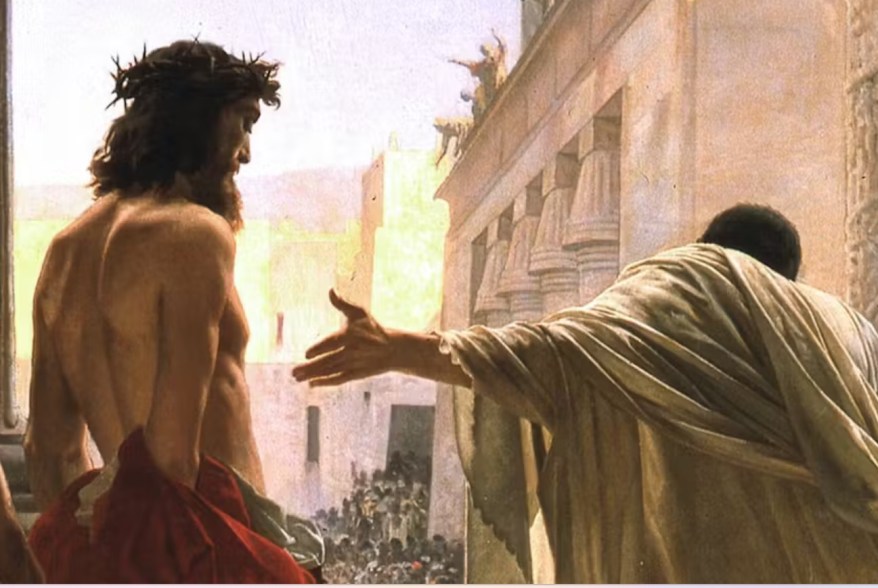
Venerdì Santo: gli “Ecce Homo” più intensi della storia dell’arte
🇮🇹Ecce Homo. Da Antonello da Messina a Tintoretto, fino al sorprendente capolavoro di Antonio Ciseri, questo soggetto ha attraversato i secoli raccontando dolore, umanità e coscienza… 🇬🇧Ecce Homo. From Antonello da Messina to Tintoretto, to Antonio Ciseri’s astonishing masterpiece, this subject has spanned the centuries, recounting pain, humanity, and conscience…
-
Attacco hacker agli Uffizi: rubati dati sensibili, mappe e codici di sicurezza
🇮🇹Attacco hacker alle Gallerie degli Uffizi: rubati dati sensibili, mappe e sistemi di sicurezza. A rischio opere, archivi e cybersicurezza del patrimonio artistico… 🇬🇧Hacker attack on the Uffizi Galleries: sensitive data, maps, and security systems stolen. Works of art, archives, and the cybersecurity of the artistic heritage are at risk…
-
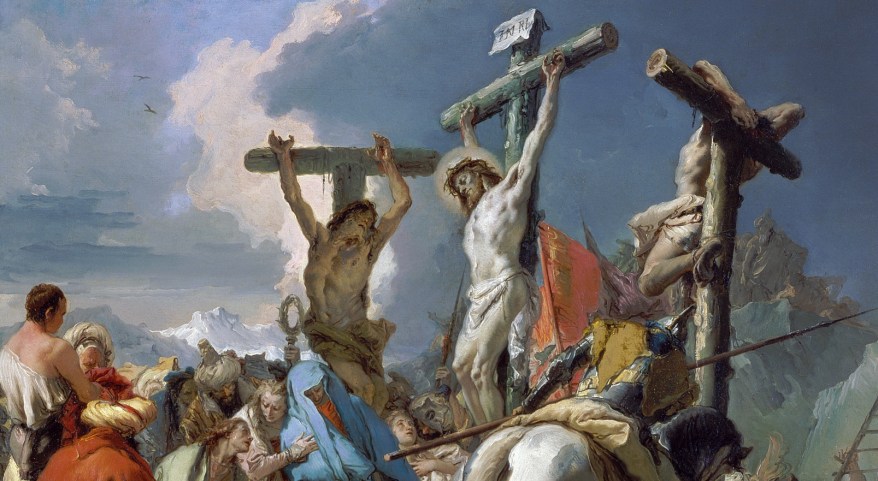
Venerdì Santo: la Crocifissione secondo Tiepolo
🇮🇹Nel giorno del Venerdì Santo, c’è un’opera che riesce ancora a scuotere lo sguardo. La Crocifissione di Giambattista Tiepolo non è come le altre: niente simmetrie perfette, niente distanza. Qui si entra dentro la scena, da un punto di vista obliquo, tra movimento, tensione e umanità… 🇬🇧On Good Friday, there’s a work that still manages…
Condividi:


Questo sono io





sostienici

Sostienici – Support Us
Se questo blog ti piace e ti appassiona, puoi aiutarci a farlo crescere sempre più sostenendoci in modo concreto condividendo i post, seguendo le pagine social e con un contributo che ci aiuta ad andare avanti con il nostro lavoro di divulgazione. . ENGLISH: If you like and are passionate about this blog, you can help us make it grow more and more by supporting us in a concrete way by sharing posts, following social pages and with a contribution that helps us to move forward with our dissemination work.
€10,00


1 commento »