
Il Museo dell’Opificio delle Pietre Dure di Firenze
Il Museo dell’Opificio delle Pietre Dure è una di quelle mete proprio imperdibili a Firenze.
Visitarlo significa riuscire a comprendere meglio l’importanza della manifattura del Commesso Fiorentino: l’antica tecnica decorativa usata per realizzare decorazioni raffinatissime usando marmi accuratamente sagomati e pietre dure.

Il Museo in questione non è stato realizzato con lo scopo di collezionare preziose opere ma di mettere a disposizione del pubblico i lavori o parte di essi che sono rimasti all’interno dei laboratori dell’Opificio. Ciò non toglie che siano presenti pregevoli esempi di manifattura come il preziosissimo caminetto in malachite verde o una delle ultime donazioni ricevute dal museo: il superbo piano di tavolo con civetta e uccelli in un paesaggio.
Questo capolavoro fu realizzato in pietre dure e tenere nella metà del Seicento e riferibile al periodo di Ferdinando II de’ Medici. Per la composizione fu preso a modello un dipinto seicentesco del pittore fiammingo Snyders.

Passando da un ambiente all’altro si ammirano esempi mirabili realizzate in pietre dure come i cabinet, i piani dei tavoli, targhe intarsiate e scene pittoriche in pietre intarsiate.

Al piano superiore sono esposti i banchi di lavoro in legno e gli antichi strumenti che venivano adoperati per lavorare le pietre dure come le pialle e i seghetti.
Alla parete si possono ammirare nelle vetrine contornate il legno di ciliegio un gran numero di pietre dure provenienti da diverse parti del mondo: le stesse poi utilizzate per creare i capolavori a commesso fiorentino.

La tecnica del commesso fiorentino ha origini remote ma deve il suo periodo di maggior splendore al granduca Ferdinando I de’ Medici. Nel 1588 il granduca fondò infatti l’Opificio delle Pietre Dure cioè una manifattura del commesso fiorentino.

Lo scopo primario dell’Opificio era infatti quello di creare le maestranze necessarie per realizzare prima e mantenere poi la grandiosa cappella degli ultimi esponenti della famiglia Medici decorata con raffinate opere in commesso fiorentino.

Il Museo dell’Opificio delle Pietre Dure si trova in Via degli Alfani 78, non molto distante dalla Galleria dell’Accademia. Apre abitualmente dal lunedì al Sabato dalle ore 08.15 fino alle 14.00. Il biglietto intero ha un costo di 4 euro mentre il ridotto 2 euro.

Per il momento il vostro Michelangelo Buonarroti vi saluta dandovi appuntamento ai prossimi post e sui social.
The Museum of the Opificio delle Pietre Dure in Florence
The Opificio delle Pietre Dure Museum is one of those unmissable destinations in Florence.
Visiting it means being able to better understand the importance of the Florentine Commesso’s manufacturing: the ancient decorative technique used to create extremely refined decorations using carefully shaped marble and semi-precious stones.

The museum in question was not created with the aim of collecting precious works but to make the works or part of them available to the public that remained inside the workshops of the Opificio. This does not mean that there are valuable examples of manufacture such as the precious green malachite fireplace or one of the latest donations received by the museum: the superb table top with an owl and birds in a landscape.
This masterpiece was made of hard and soft stones in the mid-seventeenth century and can be traced back to the period of Ferdinand II de ‘Medici. A seventeenth-century painting by the Flemish painter Snyders was used as a model for the composition.
Passing from one room to another you can admire admirable examples made of semi-precious stones such as cabinets, table tops, inlaid plaques and pictorial scenes in inlaid stones.
Upstairs are the wooden workbenches and the ancient tools that were used to work hard stones such as planes and saws.

On the wall you can admire in the showcases surrounded by cherry wood a large number of semiprecious stones from different parts of the world: the same ones then used to create the Florentine salesman masterpieces.
The Florentine salesman technique has remote origins but owes its period of greatest splendor to Grand Duke Ferdinando I de ‘Medici. In fact, in 1588, the Grand Duke founded the Opificio delle Pietre Dure, which is a factory of the Florentine salesman.
Ferdinand I needed to complete the grandiose Chapel of the Princes belonging to the San Lorenzo complex.
The primary purpose of the Opificio was in fact to create the necessary workers to first build and then maintain the grandiose chapel of the last exponents of the Medici family decorated with refined works in Florentine commesso.
The Opificio delle Pietre Dure Museum is located in Via degli Alfani 78, not far from the Accademia Gallery. It usually opens from Monday to Saturday from 08.15 to 14.00. The full ticket costs € 4 while the reduced ticket costs € 2.
For the moment, your Michelangelo Buonarroti greets you by giving you an appointment at the next posts and on social networks.

Sostienici – Support Us
Se questo blog ti piace e ti appassiona, puoi aiutarci a farlo crescere sempre più sostenendoci in modo concreto condividendo i post, seguendo le pagine social e con un contributo che ci aiuta ad andare avanti con il nostro lavoro di divulgazione. . ENGLISH: If you like and are passionate about this blog, you can help us make it grow more and more by supporting us in a concrete way by sharing posts, following social pages and with a contribution that helps us to move forward with our dissemination work.
5,00 €
-

Il mio David utilizzato per propaganda politica
🇮🇹Il David finisce su manifesti politici senza autorizzazione. La Galleria dell’Accademia interviene sulla questione asserendo di non aver dato alcuna autorizzazione… 🇬🇧The David ends up on political posters without authorization. The Accademia Gallery intervenes on the issue, claiming it did not give any authorization..
-
Restauro tappeti d’arte a Pietrasanta: tradizione e segreti di un laboratorio centenario
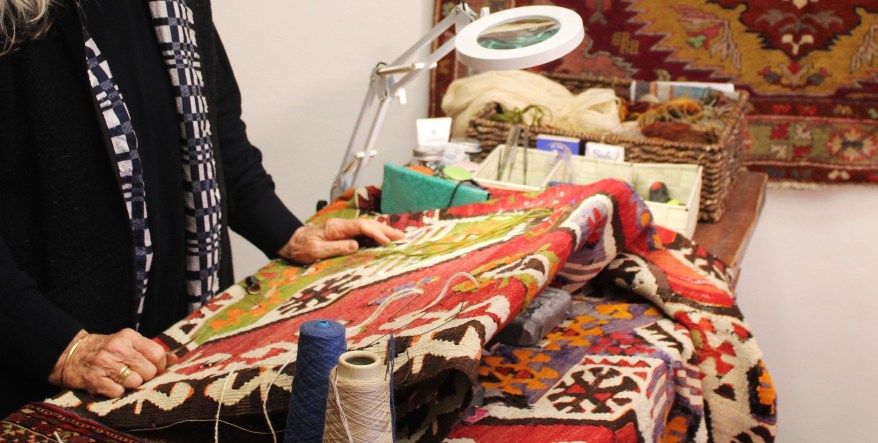
🇮🇹Il fascino dei tappeti d’arte prende vita a Pietrasanta. Venite con me nel laboratorio di “Restauro Tappeti d’Arte” di Orna Bachar e Benedetto Bumaguin, dove ogni tappeto antico è una vera opera d’arte… 🇬🇧The charm of artistic carpets comes to life in Pietrasanta. Come with me to Orna Bachar and Benedetto Bumaguin’s “Artistic Carpet Restoration”…
-
Battistello Caracciolo e il suo San Giovannino: il capolavoro che rivela l’eredità di Caravaggio
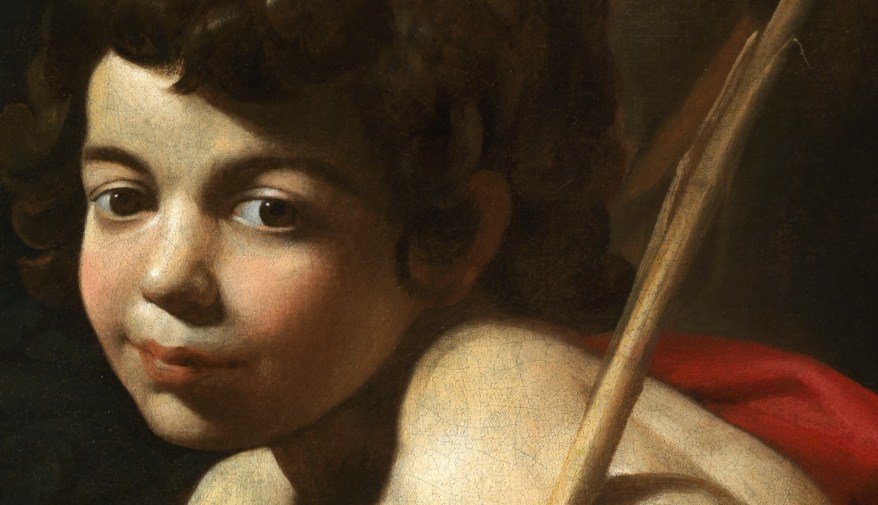
🇮🇹Per anni attribuito al Caravaggio, il San Giovannino del Caracciolo rivela invece la sensibilità unica di Battistello: un equilibrio perfetto tra realismo e dolcezza, tra inquietudine e grazia… 🇬🇧For years attributed to Caravaggio, Caracciolo’s Saint John the Baptist instead reveals Battistello’s unique sensitivity: a perfect balance between realism and sweetness, between restlessness and grace…
Condividi:


Questo sono io





sostienici

Sostienici – Support Us
Se questo blog ti piace e ti appassiona, puoi aiutarci a farlo crescere sempre più sostenendoci in modo concreto condividendo i post, seguendo le pagine social e con un contributo che ci aiuta ad andare avanti con il nostro lavoro di divulgazione. . ENGLISH: If you like and are passionate about this blog, you can help us make it grow more and more by supporting us in a concrete way by sharing posts, following social pages and with a contribution that helps us to move forward with our dissemination work.
€10,00


1 commento »