
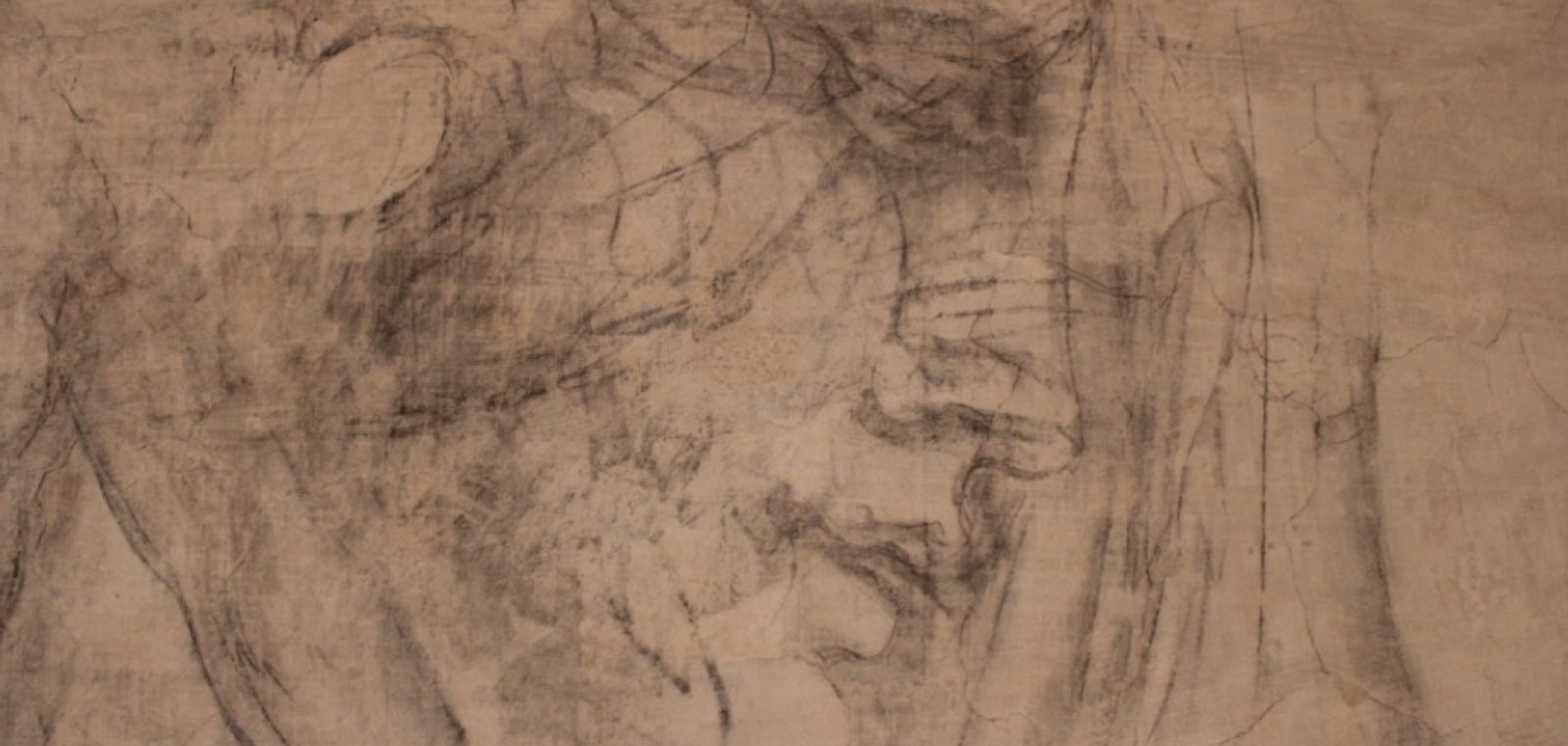
Venerdì Santo: la Via Crucis al Colosseo
La notte del Venerdì Santo da lungi viene celebrata al Colosseo a Roma. Questa tradizione ha origini assai remote tanto che il primo pontefice che la officiò fu Benedetto XIV nel 1750, anno giubilare. La via Crucis come rito sacro era nata però almeno un secolo prima in Spagna.
Frate Leonardo da Porto Maurizio aggiunse le meditazioni a ogni stazione nelle chiese francescane chiedendo a papa Clemente XII di estendere le meditazioni a tutte le chiese.
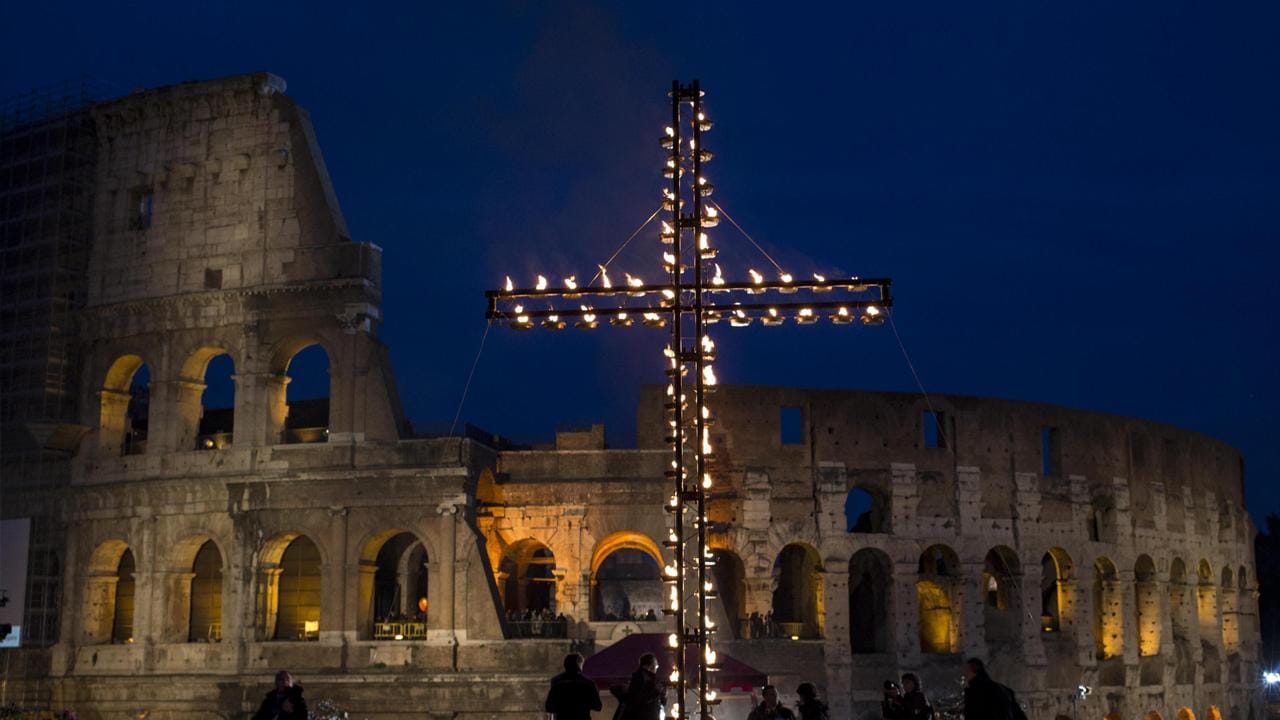
Così fu e dal 1731 tutte le chiese cattoliche furono dotate di via Crucis. Proprio Fra Leonardo costruì numerose vie Crucis compresa quella del Colosseo che venne benedetta nel 1750 da papa Benedetto XIV.
È dal 1750 infatti che il Colosseo è meta della tradizionale Via Crucis del Papa, tanto che proprio durante il primo evento di questo genere a metà del ‘700, l’Anfiteatro Flavio venne anche consacrato alla Passione di Cristo e alla memoria dei Martiri da Papa Benedetto XIV.

Ogni anno, durante la notte del Venerdì Santo, il pontefice in carica celebrava il rito della Via Crucis nell’antico anfiteatro Flavio fino al momento Unità d’Italia. Solo con Giovanni XXIII si ritornò a celebrarla nell’anno 1959 per poi abbandonarla subito dopo.
Paolo VI riportò le celebrazioni della Via Crucis al Colosseo nel 1965 e da allora le celebrazioni non si sono mai interrotte fino al 2020 a causa dei due anni di stop forzato a causa della pandemia in corso.
Per il momento il vostro Michelangelo Buonarroti vi saluta dandovi appuntamento ai prossimi post e sui social.
The long tradition of the Via Crucis at the Colosseum
The night of Good Friday is celebrated from afar at the Colosseum in Rome. This tradition has very remote origins, so much so that the first pontiff who officiated it was Benedict XIV in 1750, the jubilee year. The Via Crucis as a sacred rite, however, was born at least a century earlier in Spain.
Friar Leonardo da Porto Maurizio added meditations to each station in the Franciscan churches by asking Pope Clement XII to extend the meditations to all churches.
So it was and from 1731 all Catholic churches were equipped with the Via Crucis. Just Fra Leonardo built numerous Via Crucis including that of the Colosseum which was blessed in 1750 by Pope Benedict XIV.
In fact, since 1750 the Colosseum has been the destination of the traditional Via Crucis of the Pope, so much so that precisely during the first event of this kind in the mid-18th century, the Flavian Amphitheater was also consecrated to the Passion of Christ and to the memory of the Martyrs as Pope Benedict XIV.
Every year, on the night of Good Friday, the pope in office celebrated the rite of the Via Crucis in the ancient Flavian amphitheater up to the time of the Unification of Italy. Only with John XXIII did they return to celebrate it in the year 1959 and then abandon it immediately afterwards.
Paul VI brought the Via Crucis celebrations back to the Colosseum in 1965 and since then the celebrations have never stopped until 2020 due to the two-year forced stop due to the ongoing pandemic.
For the moment, your Michelangelo Buonarroti greets you by giving you an appointment at the next posts and on social networks.
-
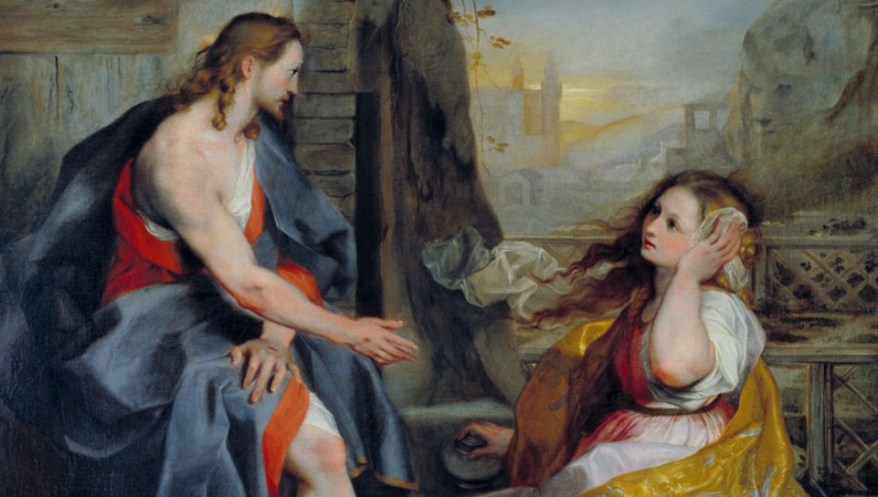
Noli me tangere di Federico Barocci: il capolavoro agli Uffizi che racconta l’incontro più emozionante dopo la Resurrezione
🇮🇹Nel Noli me tangere di Federico Barocci Maria Maddalena riconosce Cristo risorto e prova a toccarlo. Ma lui la ferma… 🇬🇧In Federico Barocci’s Noli Me Tangere, Mary Magdalene recognizes the risen Christ and tries to touch him. But he stops her…
-
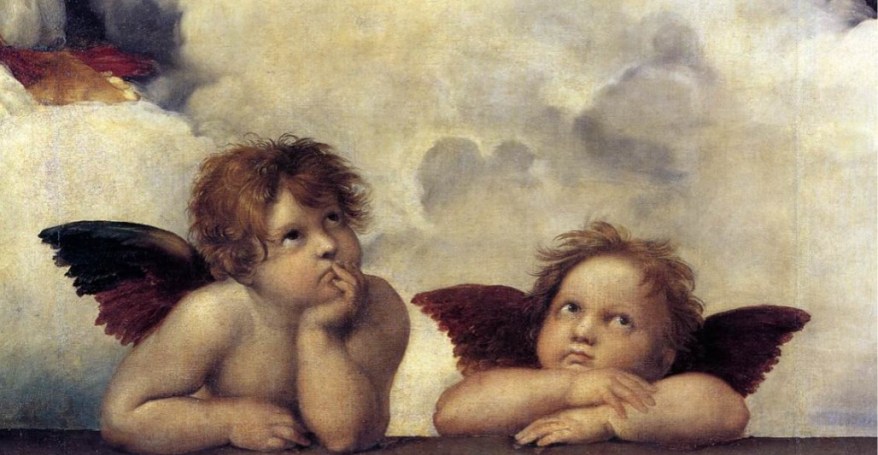
6 aprile 1520: la morte di Raffaello Sanzio e la nascita di un mito immortale
🇮🇹“Qui giace Raffaello: da lui, quando visse, la natura temette d’essere vinta, ora che egli è morto, teme di morire”. Il 6 aprile 1520 Raffaello morì a soli 37 anni… 🇬🇧“Here lies Raphael: when he lived, nature feared to be conquered by him, now that he is dead, she fears to die.” On April 6,…
-
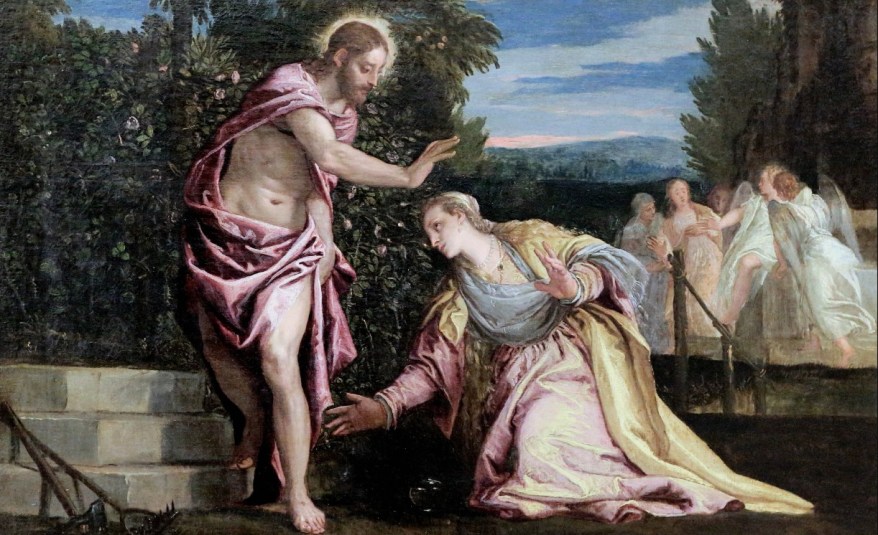
Pasquetta, tra spiritualità e arte: il significato del Lunedì dell’Angelo e i capolavori del “Noli me tangere”
🇮🇹Il Lunedì dell’Angelo racchiude uno dei momenti più intensi del Vangelo: l’incontro tra Gesù risorto e Maria Maddalena, raccontato nel celebre “Noli me tangere”. Un episodio che nei secoli ha ispirato artisti straordinari, dando vita a opere cariche di emozione, spiritualità e bellezza. .. 🇬🇧Easter Monday encompasses one of the most intense moments in the…
Condividi:


Questo sono io





sostienici

Sostienici – Support Us
Se questo blog ti piace e ti appassiona, puoi aiutarci a farlo crescere sempre più sostenendoci in modo concreto condividendo i post, seguendo le pagine social e con un contributo che ci aiuta ad andare avanti con il nostro lavoro di divulgazione. . ENGLISH: If you like and are passionate about this blog, you can help us make it grow more and more by supporting us in a concrete way by sharing posts, following social pages and with a contribution that helps us to move forward with our dissemination work.
€10,00


