
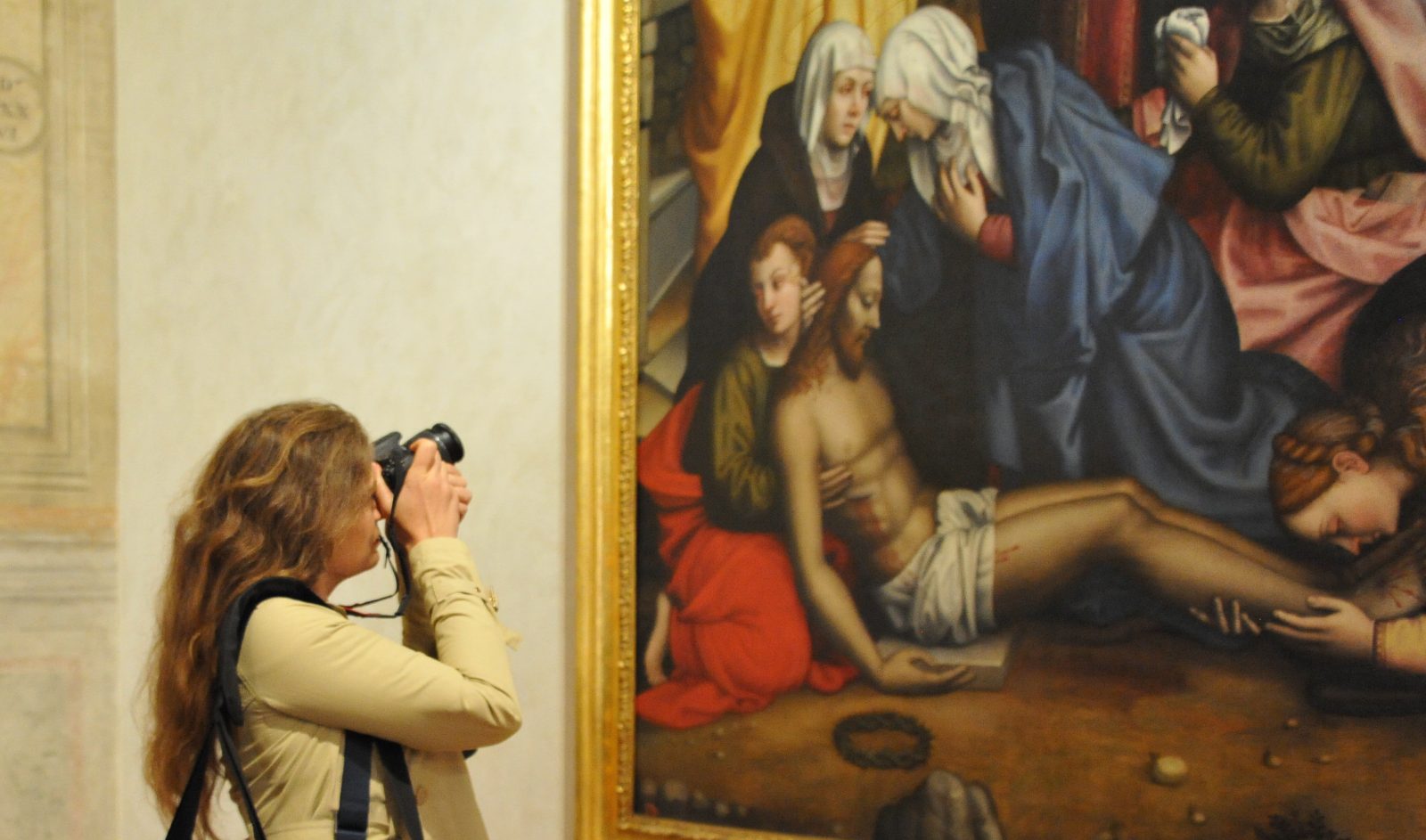
La Sibilla della Tomba di Giulio II
La Sibilla è una delle sculture della Tomba di Giulio II. La potete vedere nella parte alta del complesso monumentale, equilibrata visivamente sul lato opposto dal profeta.
Quell’opera lì però non l’avevo pensata e realizzata per quella posizione, all’interno di una nicchia.
Ne è la prova assai lampante la sua schiena, con quella lavorazione accurata e minuziosa, fatta per esser vista e non nascosta agli occhi dello spettatore.

La Sibilla avrebbe dovuto essere posizionata nel secondo registro del progetto confermato nel secondo contratto per la Tomba di Giulio II, in alto a sinistra. In quella posizione la Sibilla sarebbe stata vista parzialmente anche da dietro, ecco perché tanta attenzione nel rifinire i dettagli della sua schiena.
Ha infatti una stola che le attraversa le spalle e una cintura annodata con un elegante fiocco sul retro del punto vita.

Quali parti scolpii io? Probabilmente le ciocche di capelli che ricadono sulla spalla destra mentre i brutti segni di trapano lasciati sul lato sinistro della fronte, fra i capelli. sono frutto del lavoro dei miei collaboratori di quel momento.
Purtroppo per incastrarla in quella nicchia, fu necessario mutilare la Sibilla nella zona del mantello che copre la gamba destra. La scultura fu portata a termine da Raffaello da Montelupo fino a quando non si ammalò e poi conclusa da altri miei fidati collaboratori.
Per il momento il vostro Michelangelo Buonarroti vi saluta dandovi appuntamento ai prossimi post e sui social.
The Sibyl of the Tomb of Julius II
The Sibyl is one of the sculptures of the tomb of Julius II. You can see it in the upper part of the monumental complex, visually balanced on the opposite side by the prophet.
That work there, however, I had not conceived and created for that position, within a niche.
His back is very clear proof of this, with that accurate and meticulous workmanship, made to be seen and not hidden from the spectator’s eyes.

The Sibyl should have been placed in the second register of the project confirmed in the second contract for the Tomb of Julius II, top left. In that position the Sibyl would have been partially seen from behind as well, which is why so much attention was paid to finishing the details of her back.
In fact, it has a stole that crosses the shoulders and a belt tied with an elegant bow on the back of the waist.
What parts did I sculpt? Probably the locks of hair that fall on the right shoulder while the ugly drill marks left on the left side of the forehead, in the hair. they are the result of the work of my collaborators at that time.
Unfortunately, to fit her in that niche, it was necessary to mutilate the Sibyl in the area of the cloak that covers her right leg. The sculpture was completed by Raffaello da Montelupo until he fell ill and then completed by my other trusted collaborators.
For the moment, your Michelangelo Buonarroti greets you by giving you an appointment at the next posts and on social networks.


Sostienici – Support Us
Se questo blog ti piace e ti appassiona, puoi aiutarci a farlo crescere sempre più sostenendoci in modo concreto condividendo i post, seguendo le pagine social e con un contributo che ci aiuta ad andare avanti con il nostro lavoro di divulgazione. . ENGLISH: If you like and are passionate about this blog, you can help us make it grow more and more by supporting us in a concrete way by sharing posts, following social pages and with a contribution that helps us to move forward with our dissemination work.
5,00 €
-
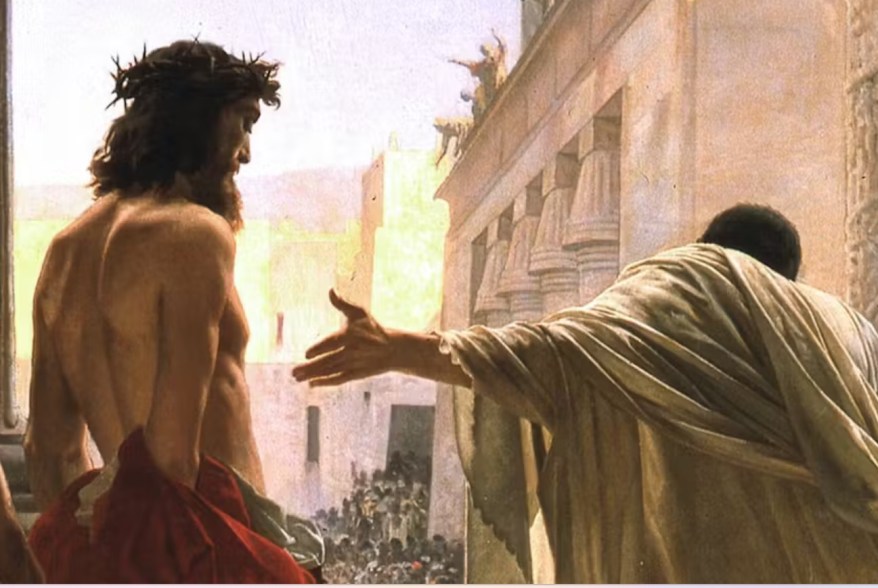
Venerdì Santo: gli “Ecce Homo” più intensi della storia dell’arte
🇮🇹Ecce Homo. Da Antonello da Messina a Tintoretto, fino al sorprendente capolavoro di Antonio Ciseri, questo soggetto ha attraversato i secoli raccontando dolore, umanità e coscienza… 🇬🇧Ecce Homo. From Antonello da Messina to Tintoretto, to Antonio Ciseri’s astonishing masterpiece, this subject has spanned the centuries, recounting pain, humanity, and conscience…
-
Attacco hacker agli Uffizi: rubati dati sensibili, mappe e codici di sicurezza
🇮🇹Attacco hacker alle Gallerie degli Uffizi: rubati dati sensibili, mappe e sistemi di sicurezza. A rischio opere, archivi e cybersicurezza del patrimonio artistico… 🇬🇧Hacker attack on the Uffizi Galleries: sensitive data, maps, and security systems stolen. Works of art, archives, and the cybersecurity of the artistic heritage are at risk…
-
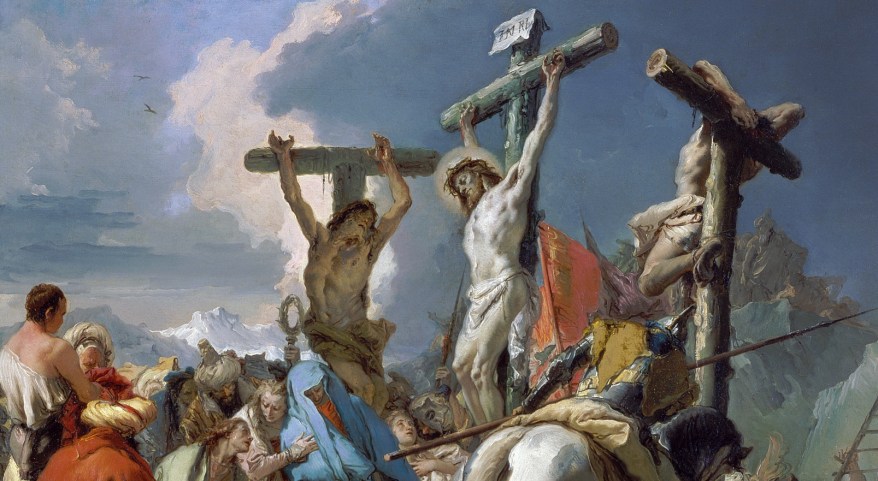
Venerdì Santo: la Crocifissione secondo Tiepolo
🇮🇹Nel giorno del Venerdì Santo, c’è un’opera che riesce ancora a scuotere lo sguardo. La Crocifissione di Giambattista Tiepolo non è come le altre: niente simmetrie perfette, niente distanza. Qui si entra dentro la scena, da un punto di vista obliquo, tra movimento, tensione e umanità… 🇬🇧On Good Friday, there’s a work that still manages…
Condividi:


Questo sono io





sostienici

Sostienici – Support Us
Se questo blog ti piace e ti appassiona, puoi aiutarci a farlo crescere sempre più sostenendoci in modo concreto condividendo i post, seguendo le pagine social e con un contributo che ci aiuta ad andare avanti con il nostro lavoro di divulgazione. . ENGLISH: If you like and are passionate about this blog, you can help us make it grow more and more by supporting us in a concrete way by sharing posts, following social pages and with a contribution that helps us to move forward with our dissemination work.
€10,00


certa bellezza ti arriva così dentro che te ne innamori solo a guardarla, certe opere sembrano vive tanto sono perfette nei loro dettagli di vita…👏👏👏👏👏👍👍👍👍👍👍👍
"Mi piace"Piace a 1 persona