

La acquasantiere di San Pietro
La Basilica di San Pietro da secoli continua ad affascinare, stupire e meravigliare chi per la prima volta si trova al suo cospetto. La sua costruzione non è certo durata pochi anni e gli allestimenti interni si sono protratti per secoli. Pensate un po’: la porta più recente della facciata, quella dei Sacramenti, è stata realizzata solo nel 1965 e inaugurata da papa Paolo VI.
Fra le opere che destano la curiosità e la meraviglia di chi ha l’occasione di entrare nella Basilica di San Pietro, ci sono sicuramente le due acquasantiere che si trovano nella navata centrale, subito dopo l’ingresso.
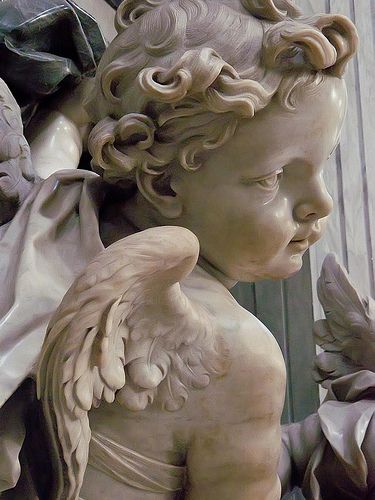
Sapete chi le progettò e chi le realizzò materialmente? Ebbene vennero progettate da Agostino Cornacchini nella prima metà del Settecento. Ci vollero tre anni per potarle a termine: cominciate nel 1722 e finite nel 1725. Giuseppe Lironi si occupò di scolpire le conche in giallo di Siena e il drappo in bardiglio mentre Giovan Battista de Rossi e Francesco Moderati si misero al lavoro per creare quei grandi putti che sorreggono le vasche contenenti l’acqua benedetta.
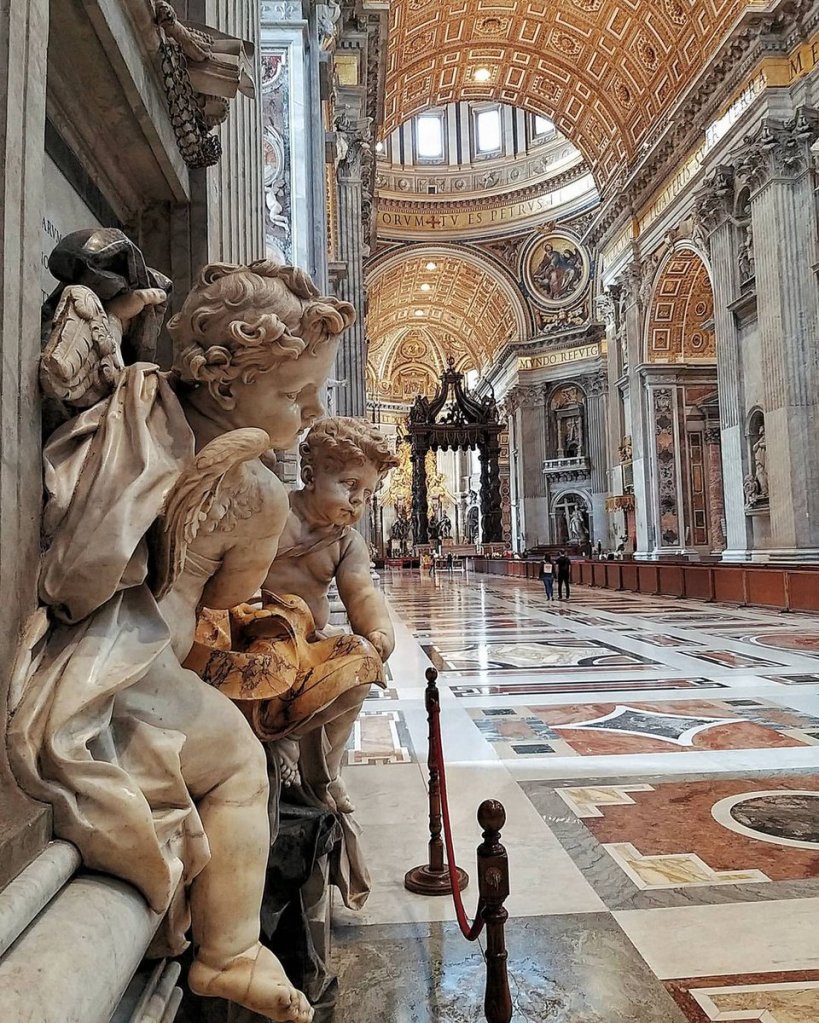
Sembra quasi spariscano nella grandiosità della basilica ma in realtà hanno un’altezza di quasi due metri… solo confrontandole con una persona al fianco ci si rende veramente conto delle loro dimensioni.
Il sempre vostro Michelangelo Buonarroti e i suoi racconti.
The fonts of San Pietro
For centuries, the Basilica of San Pietro has continued to showcase, amaze and amaze those who are in its presence for the first time. Its construction has certainly not lasted only a few years and the interior fittings have been built for centuries. Just think: the most recent door of the façade, the one of the Sacraments, was built only in 1965 and inaugurated by Pope Paul VI.

Among the works that arouse the curiosity and wonder of those who have the opportunity to enter the Basilica of San Peitro, there are certainly the two holy water fonts found in the central nave, immediately after the entrance.
Do you know who designed them and who made them materially? Well they were designed by Agostino Cornacchini in the first half of the eighteenth century. They were then made in three years or between 1722 and 1725. Giuseppe Lironi was responsible for sculpting the Siena yellow basins and the bardiglio drape while Giovan Battista de Rossi and Francesco Moderati set to work to create those big putti that hold up the tanks containing the holy water.
It almost seems to disappear in the grandeur of the basilica but in reality they have a height of almost two meters … only by comparing them with a person at their side does one really realize their size.
Your always Michelangelo Buonarroti and his stories.


Sostienici – Support Us
Se questo blog ti piace e ti appassiona, puoi aiutarci a farlo crescere sempre più sostenendoci in modo concreto condividendo i post, seguendo le pagine social e con un contributo che ci aiuta ad andare avanti con il nostro lavoro di divulgazione. . ENGLISH: If you like and are passionate about this blog, you can help us make it grow more and more by supporting us in a concrete way by sharing posts, following social pages and with a contribution that helps us to move forward with our dissemination work.
5,00 €
ULTIMI ARTICOLI
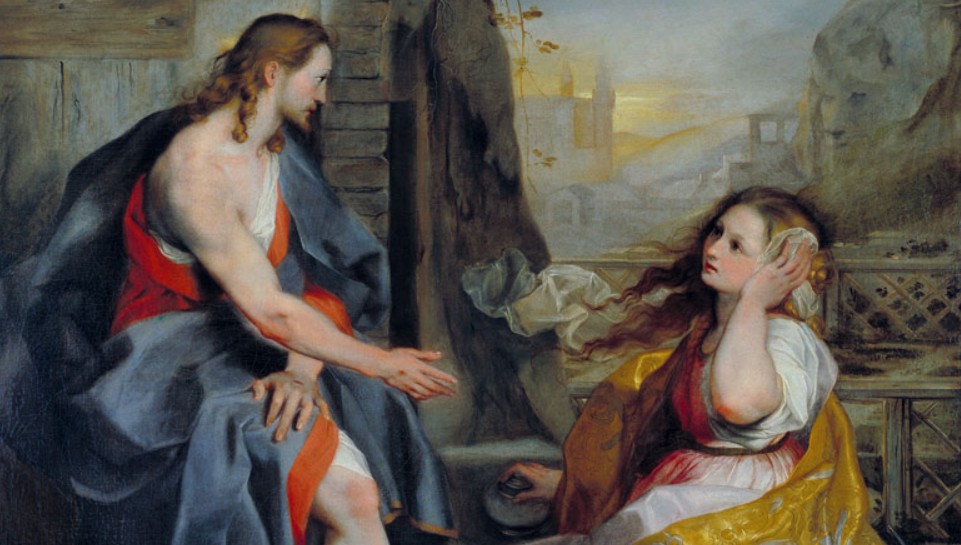
Noli me tangere di Federico Barocci: il capolavoro agli Uffizi che racconta l’incontro più emozionante dopo la Resurrezione
🇮🇹Nel Noli me tangere di Federico Barocci Maria Maddalena riconosce Cristo risorto e prova a toccarlo. Ma lui la ferma… 🇬🇧In Federico Barocci’s Noli Me Tangere, Mary Magdalene recognizes the risen Christ and tries to touch him. But he stops her…
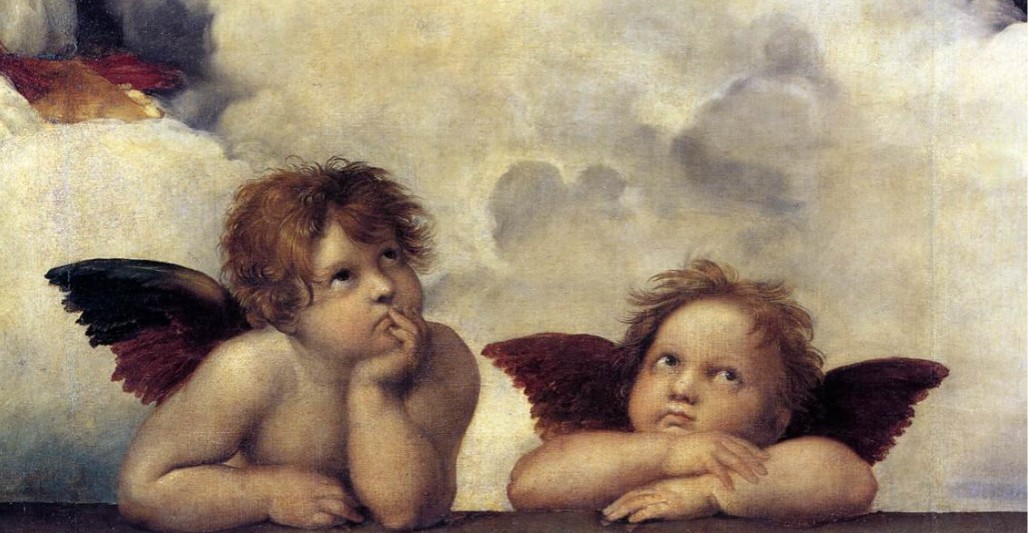
6 aprile 1520: la morte di Raffaello Sanzio e la nascita di un mito immortale
🇮🇹“Qui giace Raffaello: da lui, quando visse, la natura temette d’essere vinta, ora che egli è morto, teme di morire”. Il 6 aprile 1520 Raffaello morì a soli 37 anni… 🇬🇧“Here lies Raphael: when he lived, nature feared to be conquered by him, now that he is dead, she fears to die.” On April 6,…
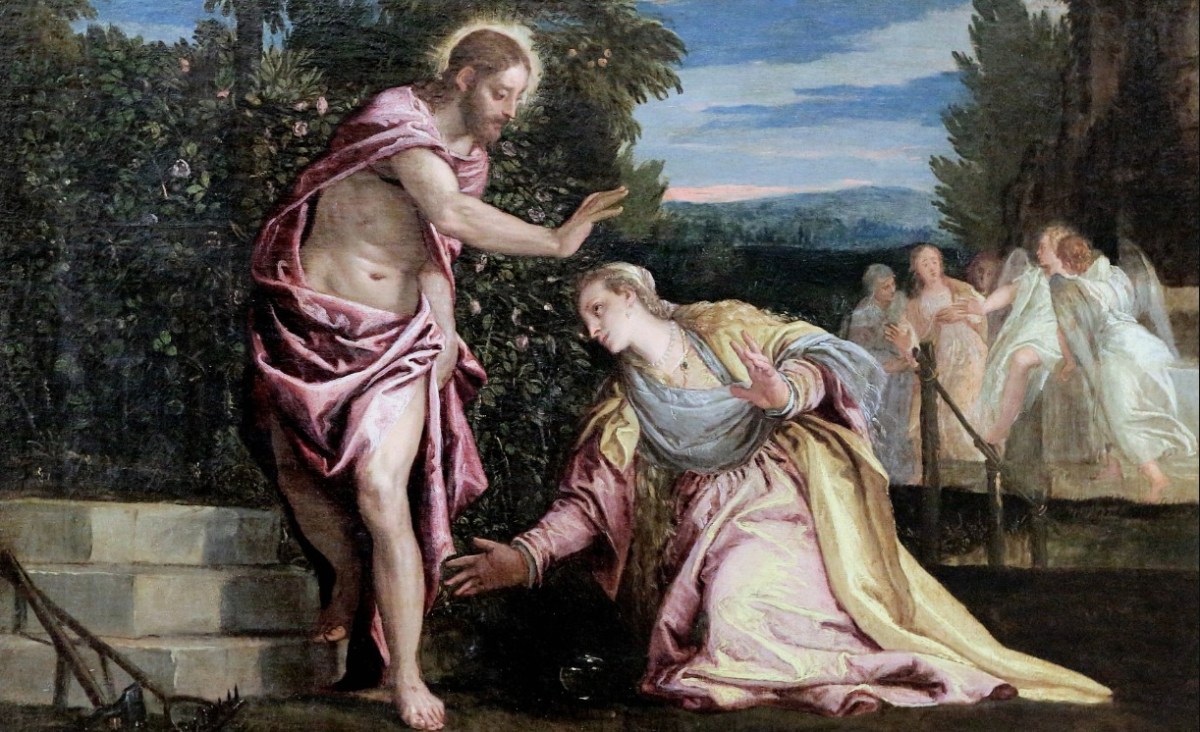
Pasquetta, tra spiritualità e arte: il significato del Lunedì dell’Angelo e i capolavori del “Noli me tangere”
🇮🇹Il Lunedì dell’Angelo racchiude uno dei momenti più intensi del Vangelo: l’incontro tra Gesù risorto e Maria Maddalena, raccontato nel celebre “Noli me tangere”. Un episodio che nei secoli ha ispirato artisti straordinari, dando vita a opere cariche di emozione, spiritualità e bellezza. .. 🇬🇧Easter Monday encompasses one of the most intense moments in the…
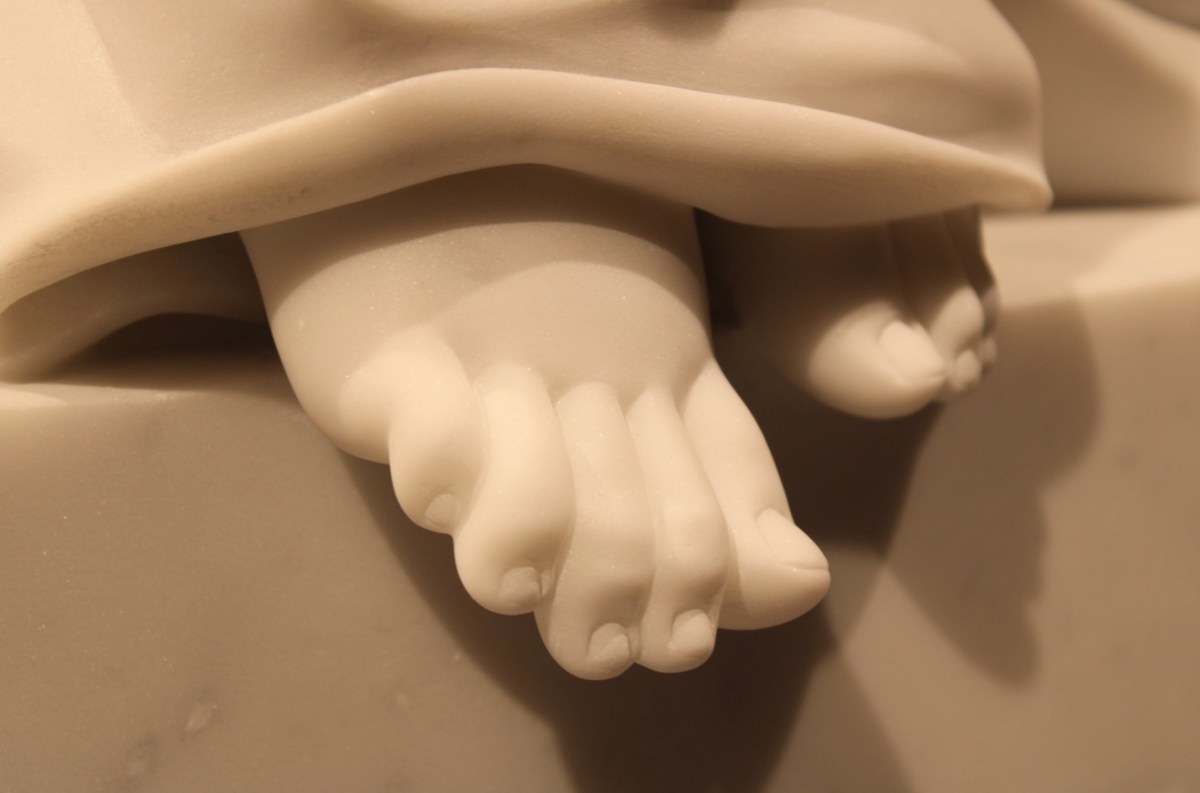
La Pietà di Tincolini: a Pontedera l’arte torna a fare domande scomode
🇮🇹“Pietà”, la scultura di Filippo Tincolini, insieme alle parole di Federico Quaranta e Andrea Pezzi, non è stato solo uno spettacolo. È stata una domanda lanciata in faccia al pubblico, impossibile da evitare: siamo ancora capaci di provare pietà? 🇬🇧 “Pietà,” Filippo Tincolini’s sculpture, along with the words of Federico Quaranta and Andrea Pezzi, wasn’t…
Si è verificato un problema. Aggiorna la pagina e/o riprova in seguito.
Condividi:


Questo sono io





sostienici

Sostienici – Support Us
Se questo blog ti piace e ti appassiona, puoi aiutarci a farlo crescere sempre più sostenendoci in modo concreto condividendo i post, seguendo le pagine social e con un contributo che ci aiuta ad andare avanti con il nostro lavoro di divulgazione. . ENGLISH: If you like and are passionate about this blog, you can help us make it grow more and more by supporting us in a concrete way by sharing posts, following social pages and with a contribution that helps us to move forward with our dissemination work.
€10,00


