

Caron dimonio con occhi di bragia
Caron dimonio, con occhi di bragia
loro accennando, tutte le raccoglie;
batte col remo qualunque s’adagia.
Questi sono i versi che Dante scrisse nel Canto III dell’Inferno e queste sono le parole che volli trasporre in affresco nel Giudizio Universale.
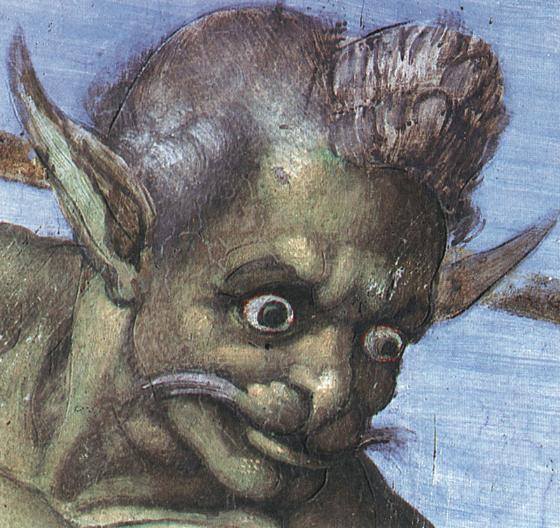
Guardate gli occhi del mio Caronte a distanza ravvicinata: vi renderete conto che ha le sclere iniettate di sangue proprio come secolo prima scriveva Dante facendo riferimento agli occhi di bragia.
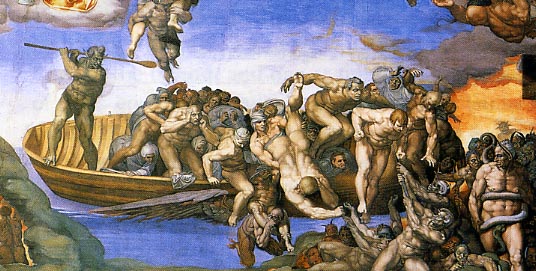
Non c’è pietà nello sguardo di Caronte. Brandendo il remo butta giù dalla barca alata i dannati destinati agli inferi. Nel suo arduo compito viene assistito da spietati demoni che con i loro bastoni uncinati trascinano nell’inferno coloro che mai vedranno la salvezza.
Un demone più sadico degli altri, azzanna il polpaccio d’un dannato e lo trascina con sé.
Il volto di Caronte mostra la tecnica con la quale trasferii il disegno dal cartone all’intonaco fresco. Vedete tutte quelle linee? Ebbene sono quelle della tecnica dell’incisione: più rapida dello spolvero ma meno dettagliata.
Per il momento il vostro Michelangelo Buonarroti vi saluta dandovi appuntamento ai prossimi post e sui social.

Charon the demon, with the eyes of glede
Charon the demon, with the eyes of glede,
Beckoning to them, collects them all together,
Beats with his oar whoever lags behind.
These are the verses that Dante wrote in Canto III of Hell and these are the words that I wanted to transpose into the fresco in the Last Judgment.
Look at the eyes of my Charon at close range: you will realize that he has bloodshot sclera just as Dante wrote a century earlier referring to the eyes of bragia.
There is no mercy in Charon’s gaze. Brandishing the oar he throws off the winged boat the damned destined for the underworld. In his arduous task he is assisted by ruthless demons who with their hooked sticks drag those who will never see salvation into hell.
A more sadistic demon than the others, he bites the calf of a damned and drags him with him.
Charon’s face shows the technique with which I transferred the drawing from the cardboard to the fresh plaster. Do you see all those lines? Well, they are those of the engraving technique: faster than dusting but less detailed.
For the moment, your Michelangelo Buonarroti greets you by giving you an appointment at the next posts and on social networks.

Sostienici – Support Us
Se questo blog ti piace e ti appassiona, puoi aiutarci a farlo crescere sempre più sostenendoci in modo concreto condividendo i post, seguendo le pagine social e con un contributo che ci aiuta ad andare avanti con il nostro lavoro di divulgazione. . ENGLISH: If you like and are passionate about this blog, you can help us make it grow more and more by supporting us in a concrete way by sharing posts, following social pages and with a contribution that helps us to move forward with our dissemination work.
5,00 €
-
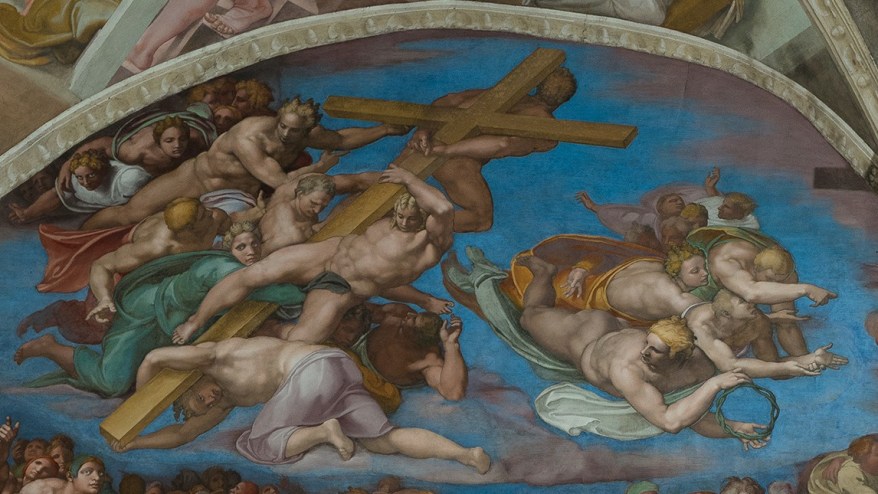
Come se la giustizia negata in vita possa compiersi altrove
🇮🇹Se davvero l’anima, una volta sciolta dal corpo, ritorna sulla terra per vivere ancora, così mi domando, quale sorte attende chi oggi appare tanto bella ai miei occhi, ma così crudele nel cuore? 🇬🇧If the soul, once freed from the body, truly returns to earth to live again, I ask myself, what fate awaits the…
-
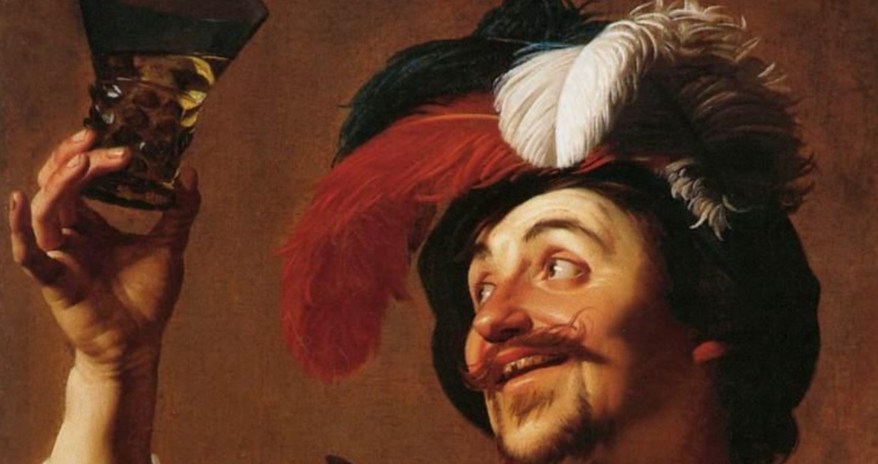
Quel sorriso del violinista felice di Gerrit van Honthorst
🇮🇹Un brindisi, un sorriso, una luce che taglia il buio. Conoscete il dipinto del violinista felice con un bicchiere di vino (1624) di Gerrit van Honthorst?… 🇬🇧A toast, a smile, a light that cuts through the darkness. Are you familiar with the painting of the Happy Violinist with a Glass of Wine (1624) by Gerrit…
-
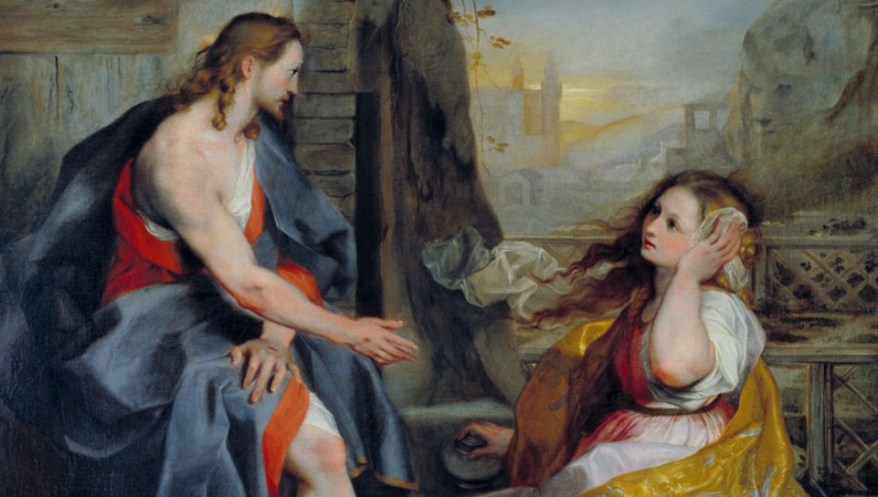
Noli me tangere di Federico Barocci: il capolavoro agli Uffizi che racconta l’incontro più emozionante dopo la Resurrezione
🇮🇹Nel Noli me tangere di Federico Barocci Maria Maddalena riconosce Cristo risorto e prova a toccarlo. Ma lui la ferma… 🇬🇧In Federico Barocci’s Noli Me Tangere, Mary Magdalene recognizes the risen Christ and tries to touch him. But he stops her…
Condividi:


Questo sono io





sostienici

Sostienici – Support Us
Se questo blog ti piace e ti appassiona, puoi aiutarci a farlo crescere sempre più sostenendoci in modo concreto condividendo i post, seguendo le pagine social e con un contributo che ci aiuta ad andare avanti con il nostro lavoro di divulgazione. . ENGLISH: If you like and are passionate about this blog, you can help us make it grow more and more by supporting us in a concrete way by sharing posts, following social pages and with a contribution that helps us to move forward with our dissemination work.
€10,00


