
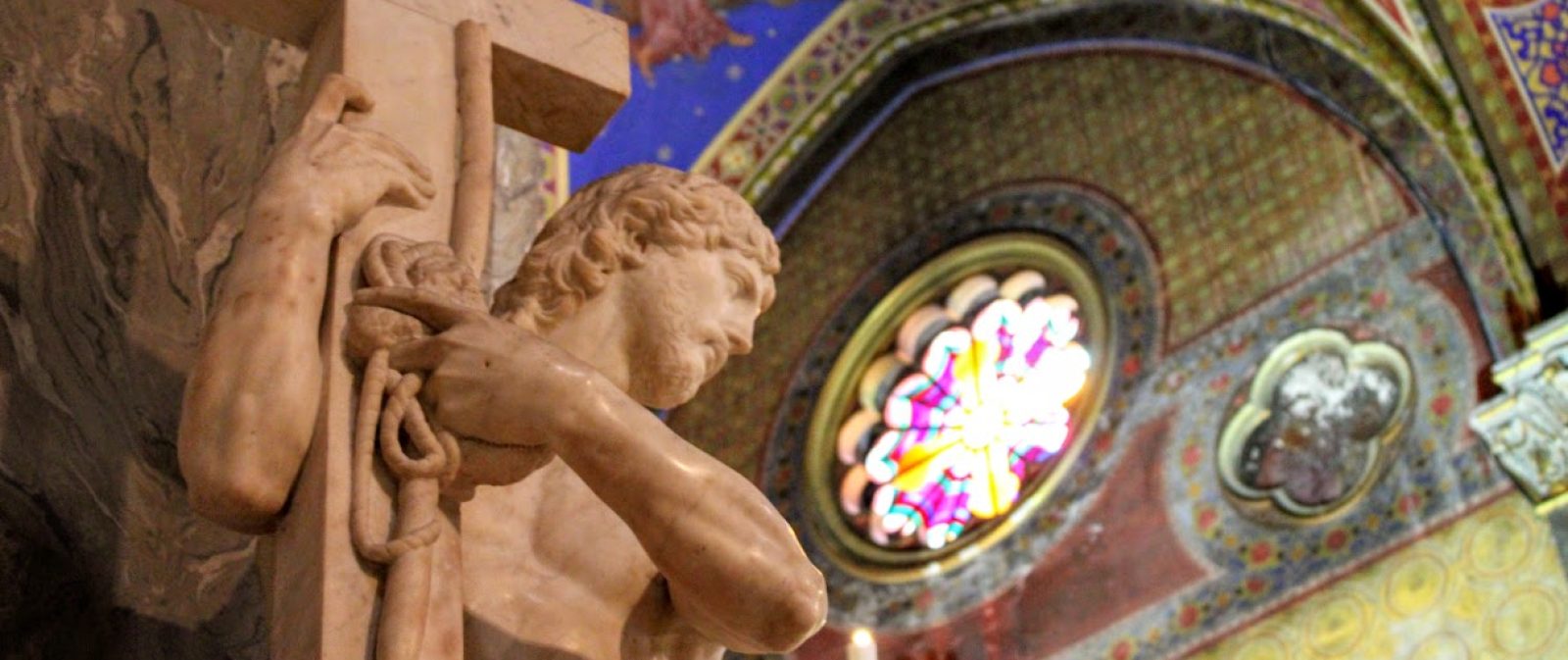
Restauro tappeti d’arte a Pietrasanta: tradizione e segreti di un laboratorio centenario
Nel centro storico di Pietrasanta, alle spalle del Duomo, esiste un luogo dove il tempo si intreccia con i fili della memoria.
È il laboratorio “Restauro Tappeti d’Arte” guidato da Orna Bachar e Benedetto Bumaguin, custodi di una tradizione familiare che dura da oltre un secolo. Nato a Genova nel 1918, questo mestiere continua oggi in Versilia, mantenendo viva una delle arti più affascinanti e meno conosciute.
Perché il tappeto è un’opera d’arte unica e viva
Il tappeto fatto a mano non è solo un complemento d’arredo, ma una vera opera d’arte. A differenza di un dipinto o di una scultura, è destinato a essere vissuto quotidianamente, calpestato, attraversato, abitato.
“Il tappeto è l’unica opera d’arte calpestabile, e proprio per questo spesso viene sottovalutato”, spiega Benedetto Bumaguin. Eppure ogni pezzo è irripetibile. Le leggere variazioni di colore, le imperfezioni del filato e le sfumature create dalle tinture naturali generano una vibrazione visiva impossibile da replicare a livello industriale-
Con il tempo i tappeti acquistano fascino. I colori diventano più profondi, le tonalità più armoniche, restituendo quell’equilibrio cromatico che è il segno distintivo dell’artigianato autentico.
Restauro tappeti d’arte: quando intervenire e perché è fondamentale
Uno degli aspetti più sottovalutati riguarda la prevenzione. I danni ai tappeti spesso non sono visibili immediatamente, ma si sviluppano lentamente a causa di fattori come umidità, polvere o cattiva conservazione.
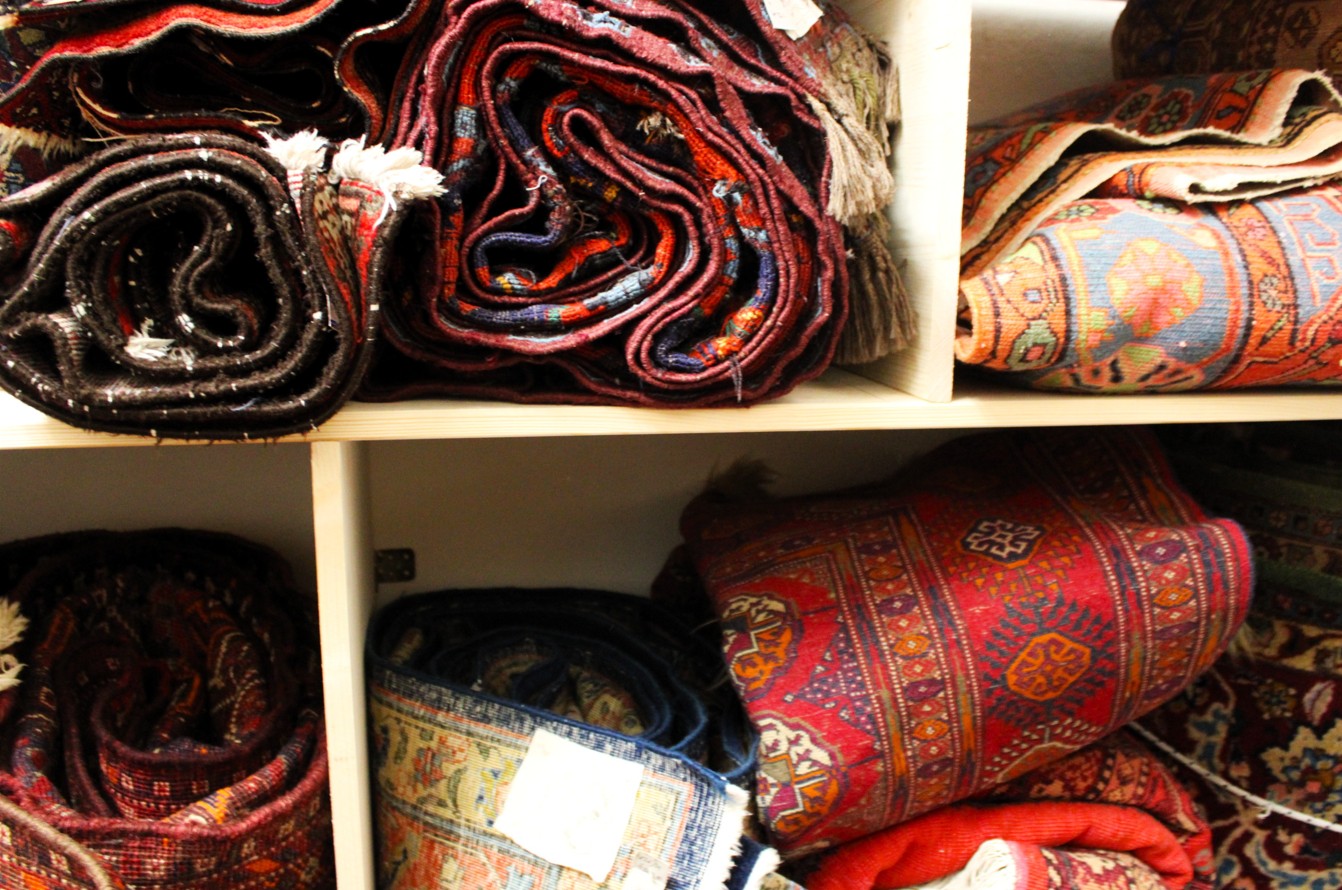
“Il tappeto deve respirare, deve restare aperto”, sottolinea Bumaguin. “Quando viene arrotolato e lasciato in cantina o soffitta, diventa vulnerabile alla tarma e al deterioramento delle fibre.”
Proprio per questo è fondamentale sottoporlo periodicamente a manutenzione. Un controllo esperto può individuare piccoli cedimenti nelle frange, nei bordi o nella trama, evitando interventi più invasivi in futuro. Questo vale soprattutto per i tappeti antichi, particolarmente delicati.
Il restauro dei tappeti antichi
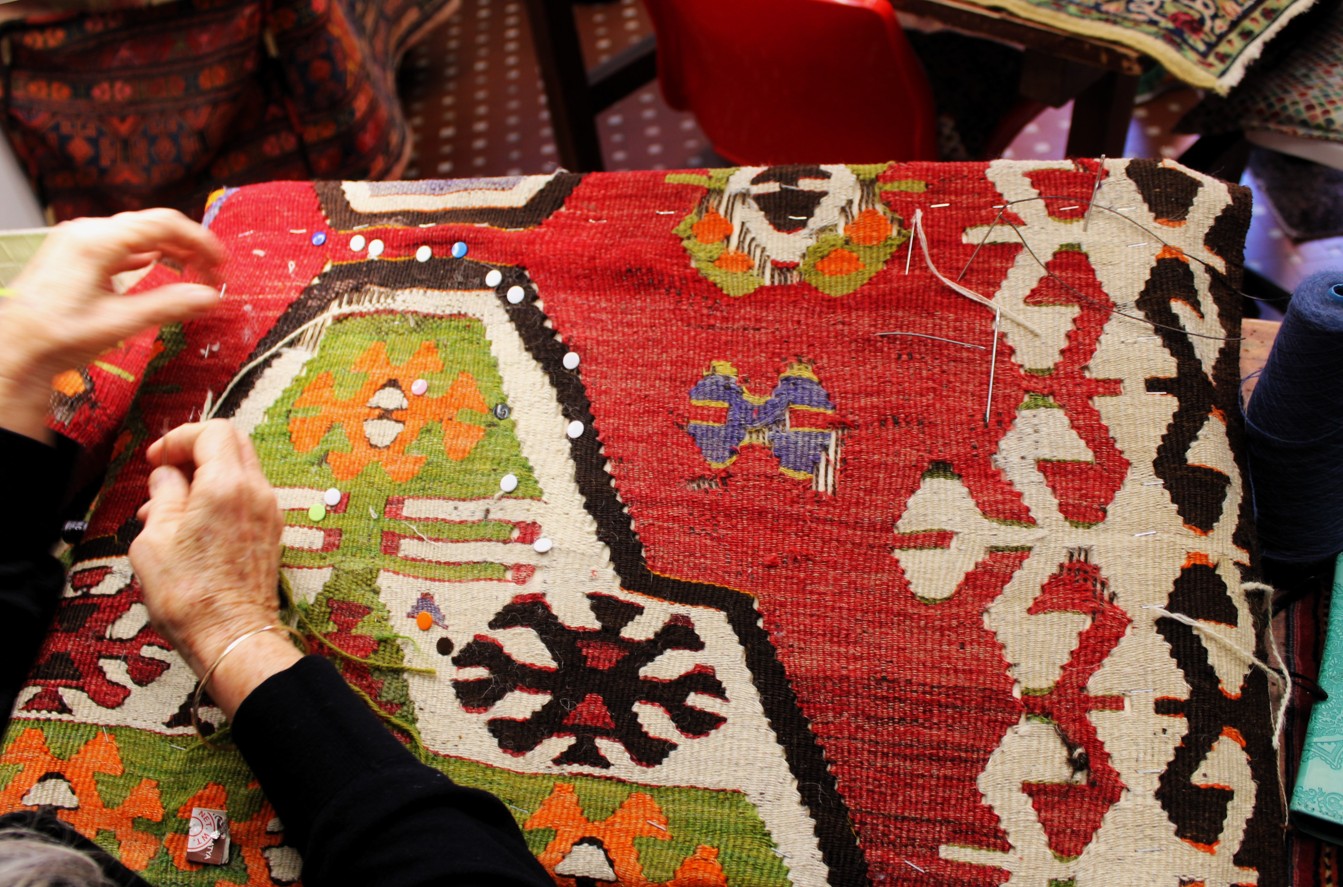
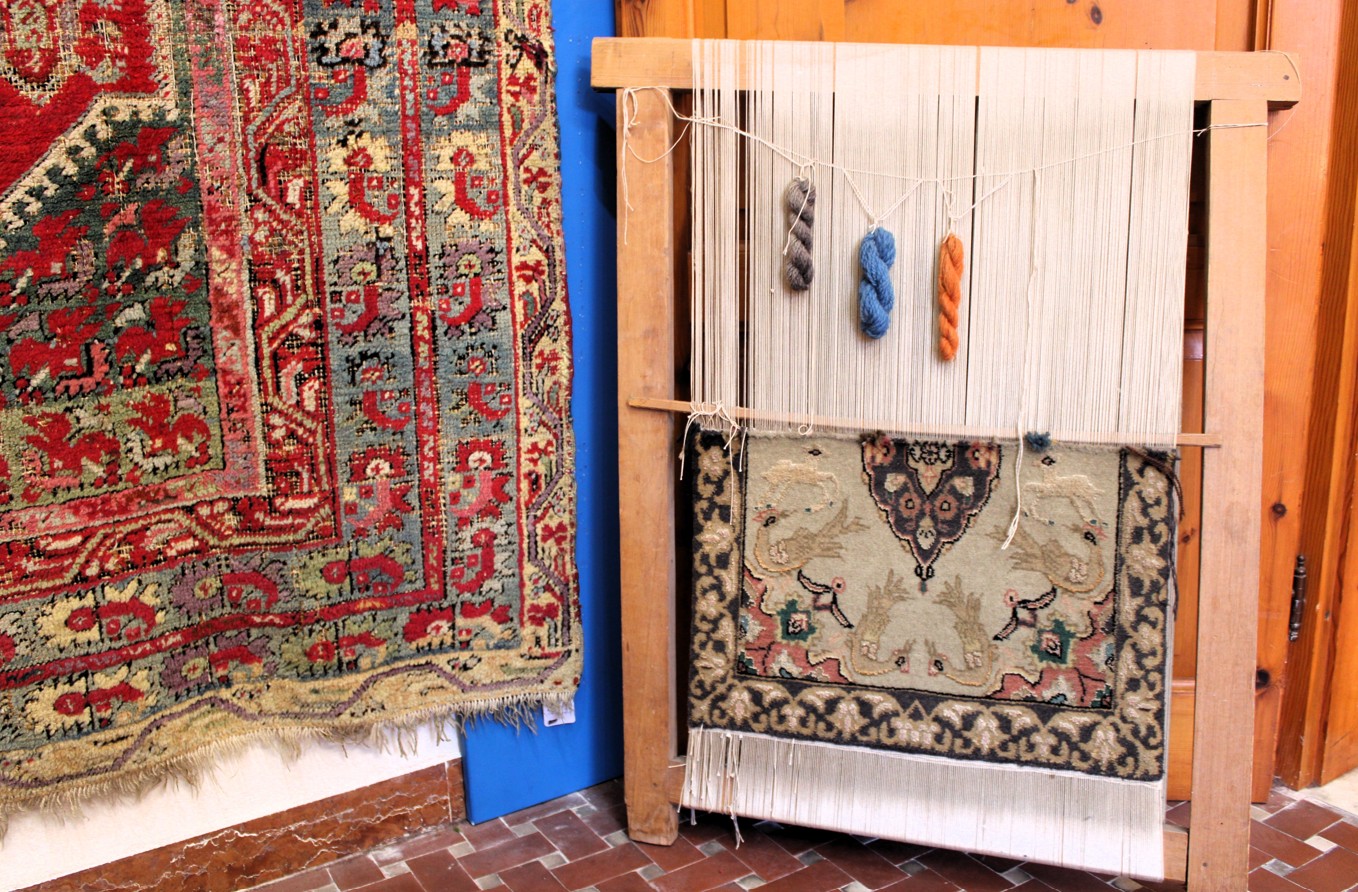
Il restauro di un tappeto è un processo complesso che richiede studio, esperienza e sensibilità. Non esiste un intervento standard: ogni tappeto ha una storia, una struttura e materiali propri.
“Bisogna immedesimarsi nel tappeto, capire come è stato realizzato e da dove proviene”, spiega Orna Bachar. “Solo così si può decidere come intervenire.”
Il primo passo è l’analisi della struttura, ovvero trama e ordito, che possono essere in lana o cotone. Successivamente si studiano i colori, i nodi e i disegni per risalire alla provenienza geografica e al periodo storico. Questo consente di stabilire se effettuare un restauro completo oppure conservativo.
Per i tappeti più antichi, come quelli del Seicento, l’approccio è estremamente prudente. “Non bisogna snaturare l’opera”, sottolineano i restauratori. In questi casi si interviene solo per fermare il degrado, lasciando intatta la materia originale.
Il segreto dei colori: identità, territorio e tradizione
Uno degli elementi più affascinanti dei tappeti d’arte è il colore. Non si tratta solo di estetica, ma di identità culturale.
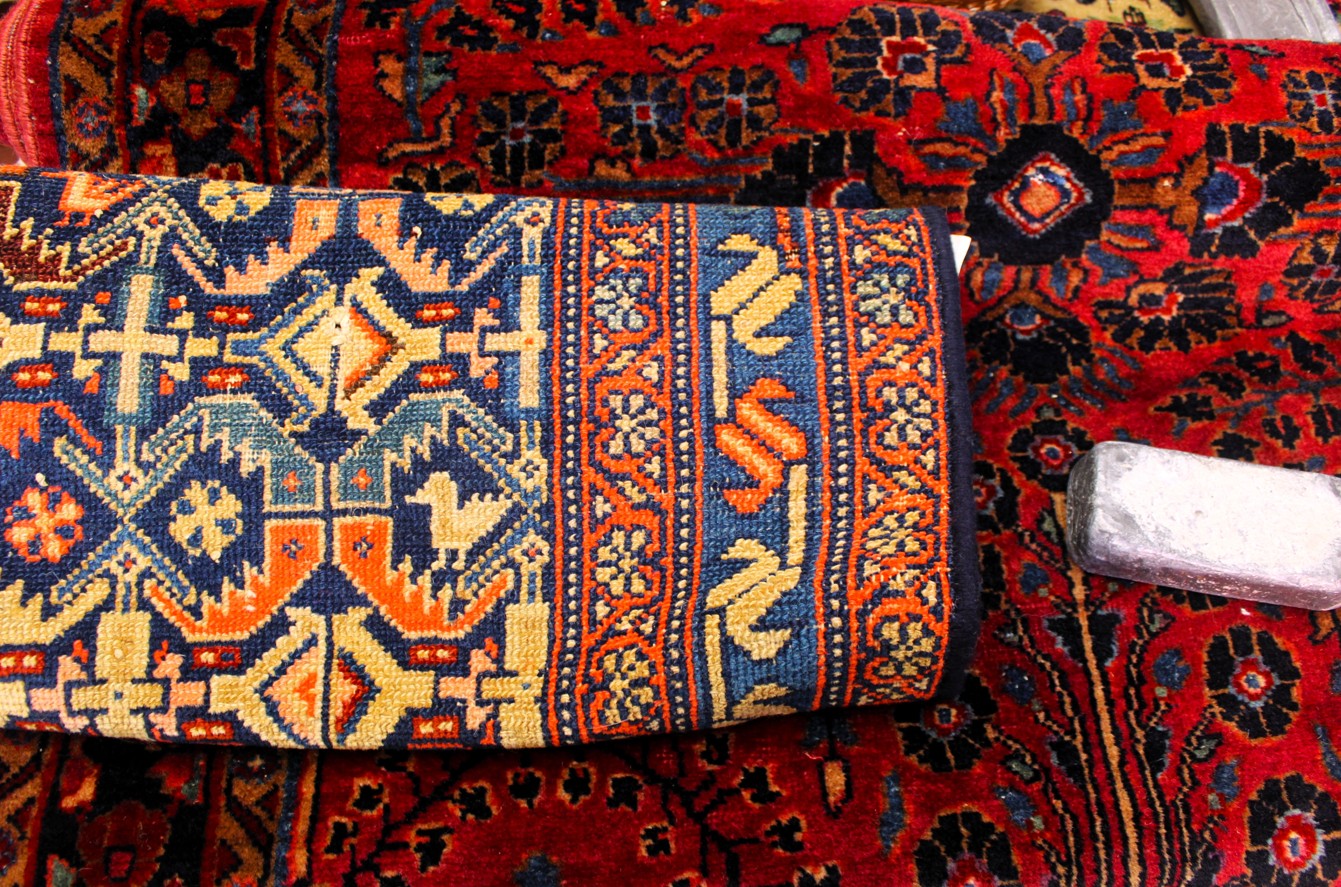
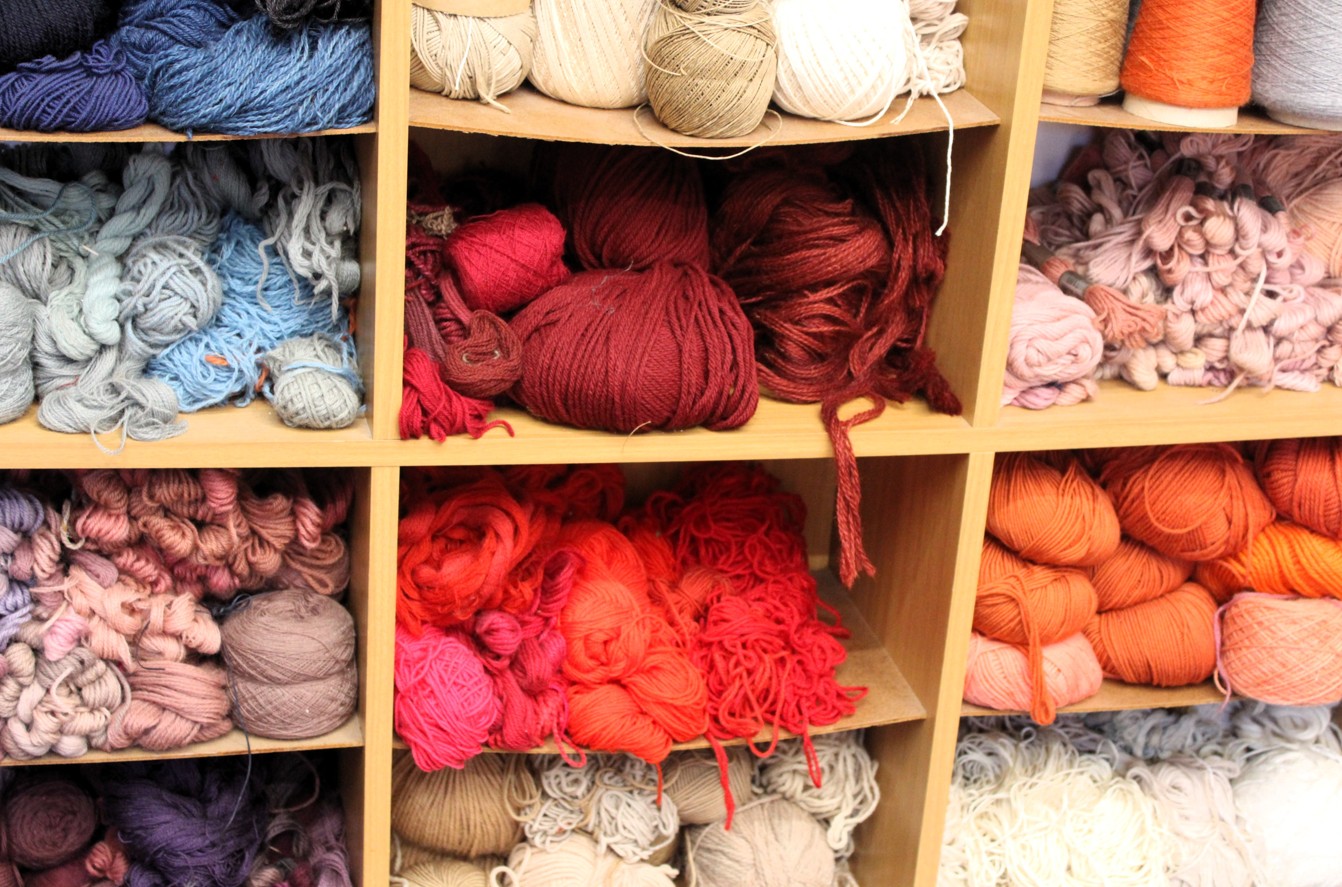
“Dai colori possiamo capire da dove arriva un tappeto”, racconta Bumaguin. Le tonalità variano non solo in base alle tinture utilizzate, ma anche all’acqua impiegata nel processo. Il blu persiano, ad esempio, è diverso da quello turco o cinese proprio per queste variazioni.
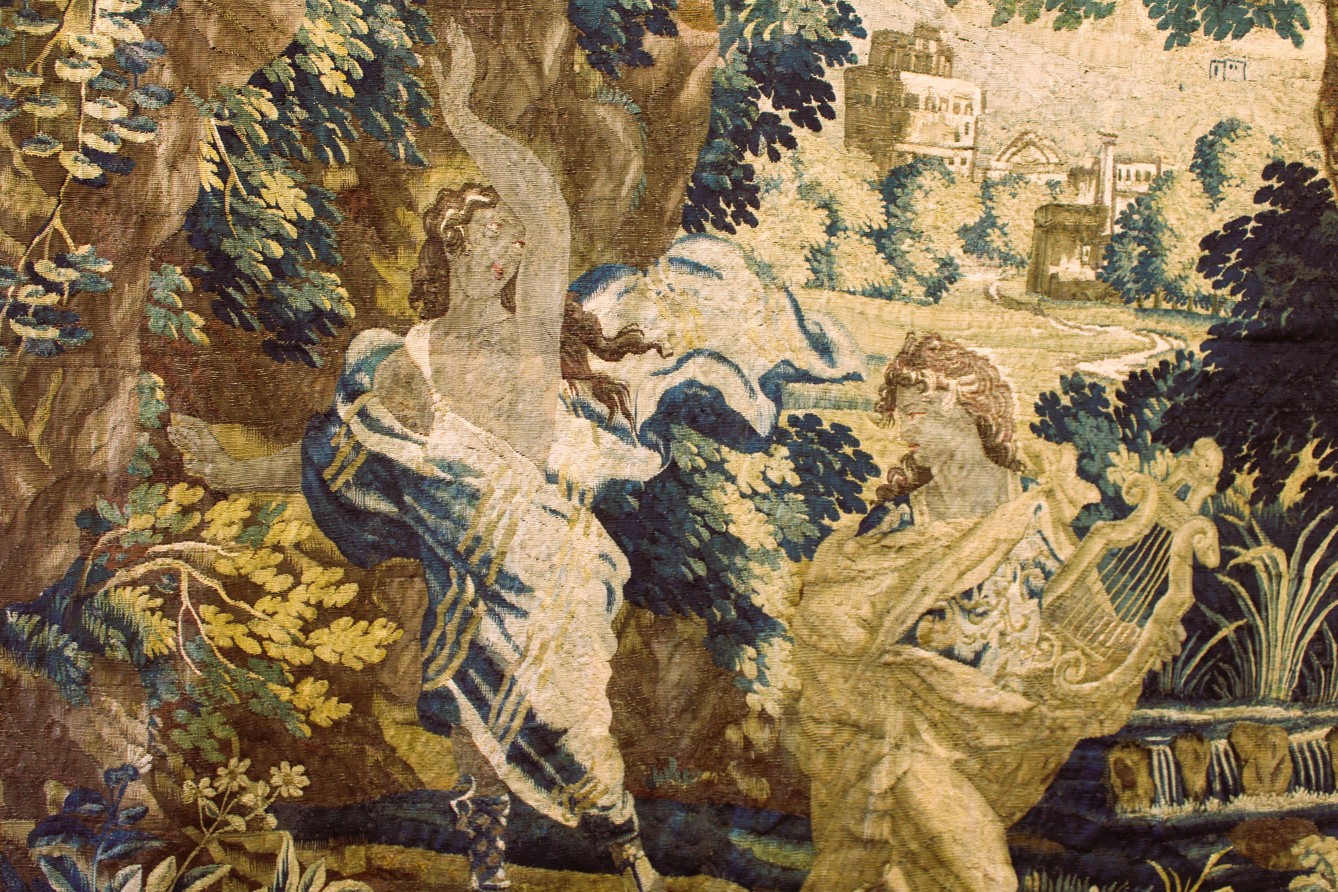
Nei tappeti nomadi o di villaggio, la gamma cromatica è spesso limitata e legata alle risorse locali. Le tinture vengono tramandate di generazione in generazione, spesso da madre in figlia, e ogni manufatto riflette la cultura del luogo.
Al contrario, le manifatture cittadine presentano una varietà più ampia di colori, grazie alla disponibilità di materiali provenienti da territori lontani e a una maggiore specializzazione artigianale.
Il valore emotivo dei tappeti: memoria e identità familiare
Oltre al valore artistico, ogni tappeto custodisce una dimensione affettiva profonda. Non è raro che venga tramandato come eredità familiare, diventando parte della storia personale di chi lo possiede.
“Ogni tappeto è un pezzo di cuore”, raccontano Bachar e Bumaguin. “Rappresenta ricordi, momenti di vita, legami familiari.”
Questo rende il lavoro del restauratore ancora più delicato. Non si tratta solo di recuperare un oggetto, ma di preservare un frammento di memoria.
Un mestiere antico che guarda al futuro
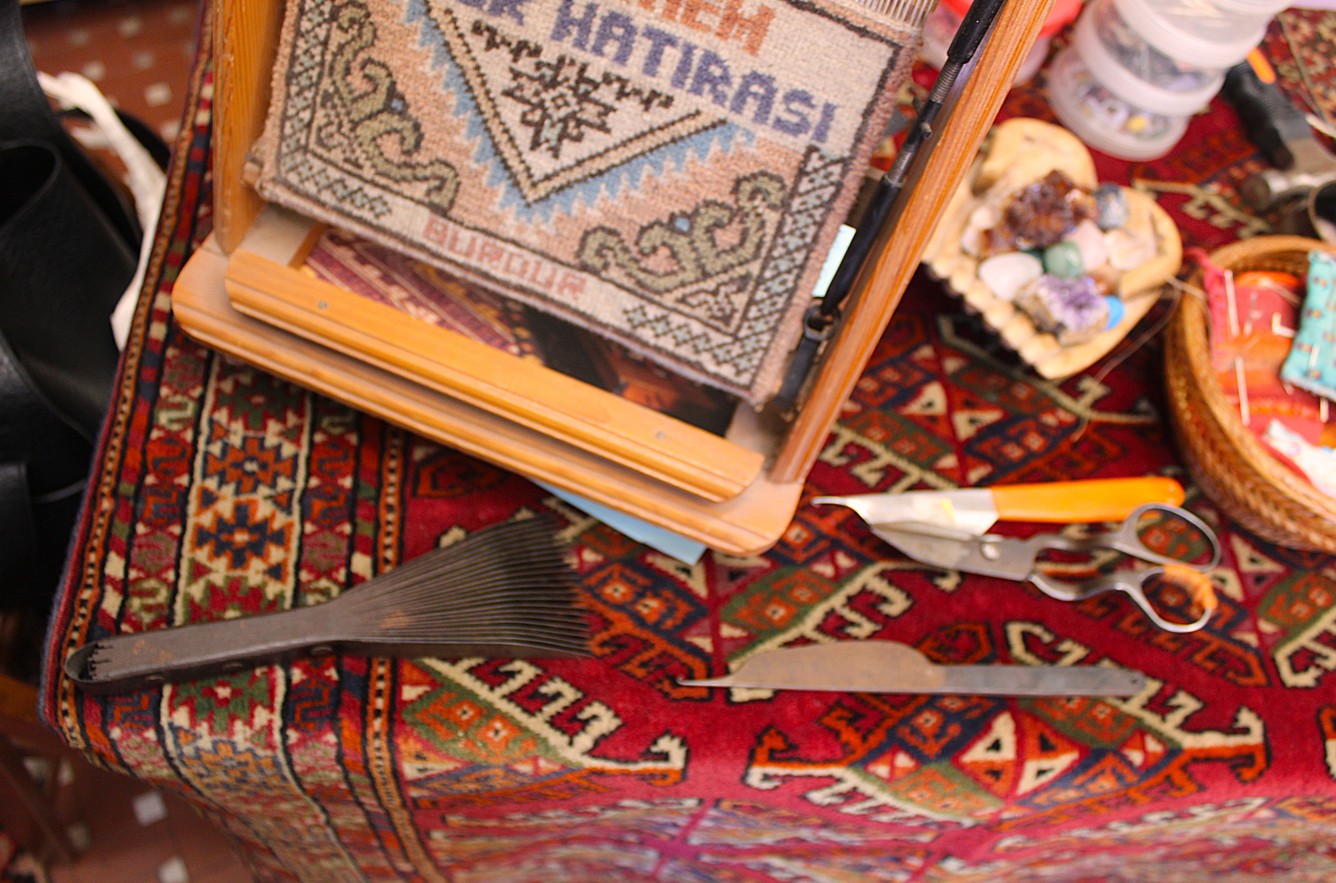
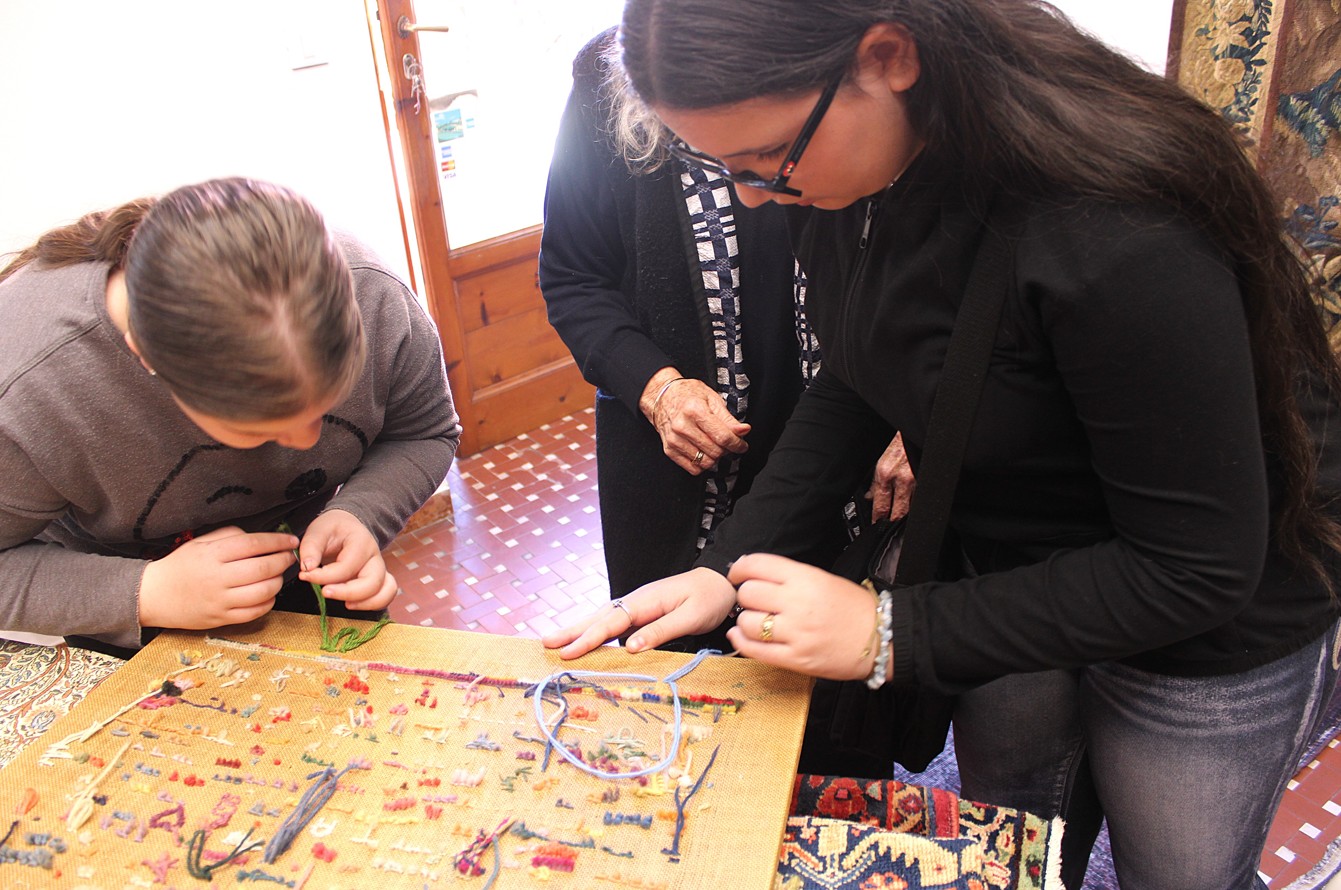
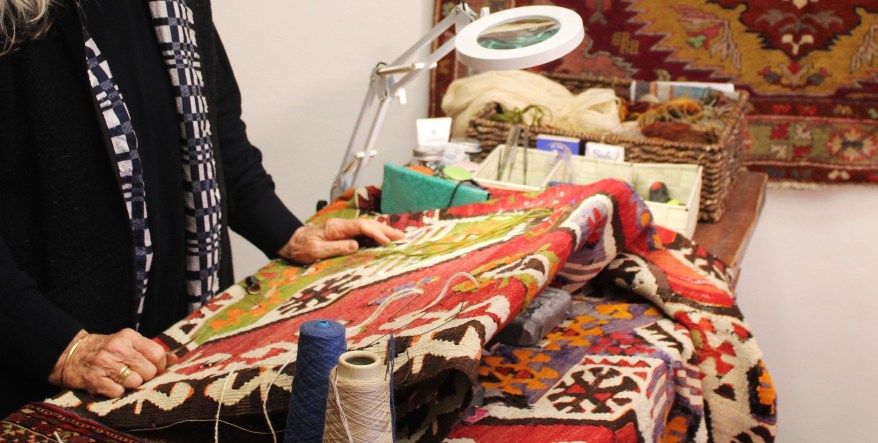
Nel laboratorio di Pietrasanta, la tradizione continua grazie a un sapere tramandato nel tempo e a una passione che non conosce crisi. Tra telai, lane naturali e tecniche antiche, ogni intervento è un dialogo tra passato e presente.
Quando ho chiesto a Orna e Benedetto di descrivere in tre parole il loro lavoro, la risposta è stata emozionta e immediata: “Stupendo. Un’avventura. Pura arte.”
Parole semplici che raccontano un mestiere raro, fatto di pazienza, dedizione e amore per la bellezza. Un’arte nascosta che continua a vivere, nodo dopo nodo.
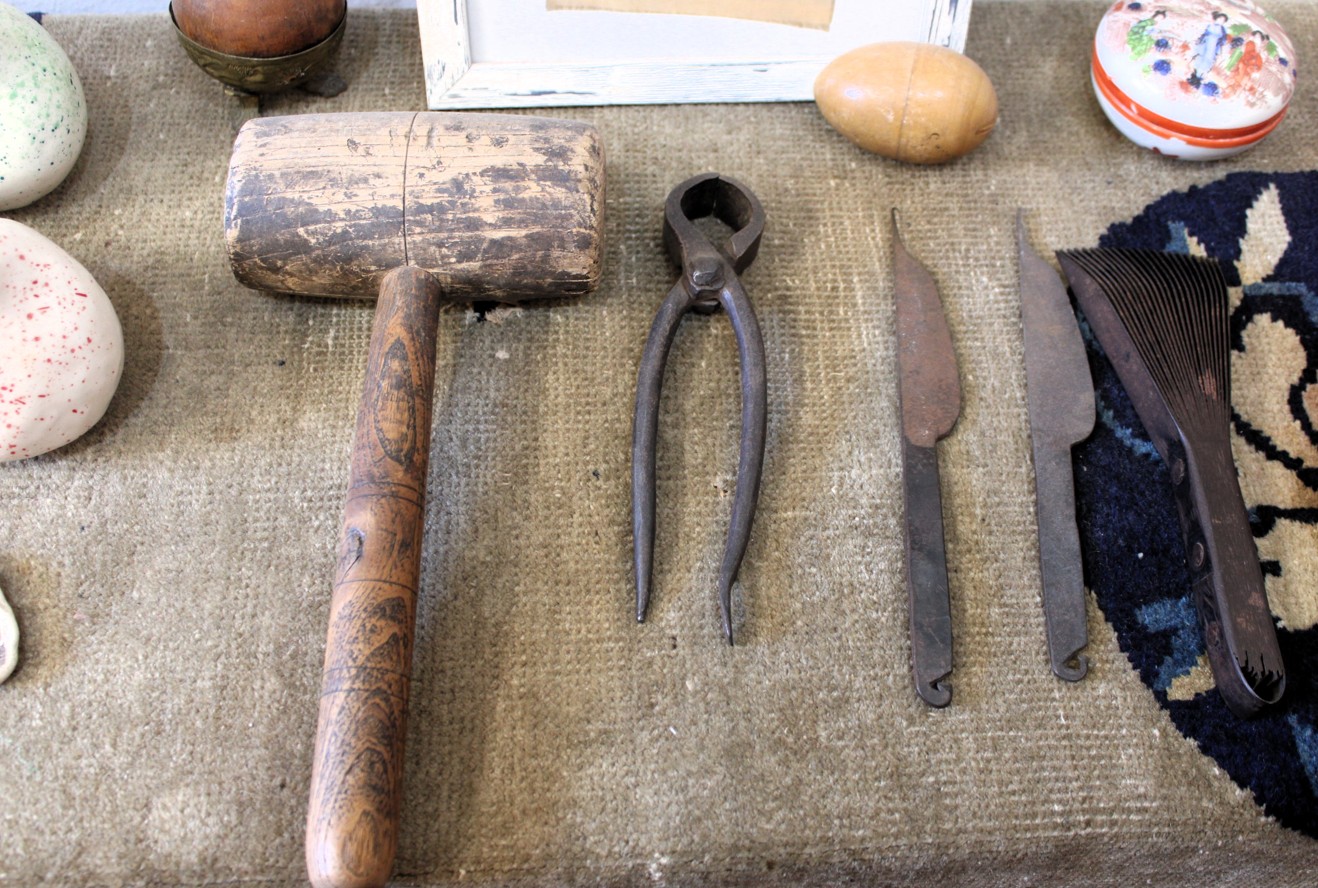
Ringrazio Orna Bachar e Benedetto Bumauguin per la loro disponibilità e per la loro accoglienza nel laboratorio “Restauro Tappeti d’Arte” a Pietrasanta in occasione delle GEMA, Giornate Europee dei Mestieri d’Arte: appuntamento internazionale dedicato alla valorizzazione dell’artigianato artistico e dei mestieri d’eccellenza
Il laboratorio di restauro di tappeti d’arte è un luogo straordinario, sospeso, dove il tempo per un attimo sembra fermarsi per recuperare tutto il suo valore. E sì, perché il restauro è un mestiere certosino che non segue le logiche della contemporaneità dove tutto deve essere fatto in tempi brevi. Pazienza, dedizione, sapienza artigiana e amore per il proprio lavoro sono doti necessarie per chi quotidianamente riannoda i fili che il tempo ha provato a sciogliere.
Per il momento il sempre vostro Michelangelo Buonarroti vi saluta dandovi appuntamento ai prossimi post e sui social.
Restoration of art carpets in Pietrasanta: tradition and secrets of a centenary laboratory
In the historic center of Pietrasanta, behind the Cathedral, there is a place where time is intertwined with the threads of memory.
It is the “Art Carpet Restoration” laboratory led by Orna Bachar and Benedetto Bumaguin, custodians of a family tradition that has lasted for over a century. Born in Genoa in 1918, this profession continues today in Versilia, keeping alive one of the most fascinating and least known arts.
Because the carpet is a unique and living work of art
The handmade carpet is not just a furnishing accessory, but a true work of art. Unlike a painting or a sculpture, it is intended to be experienced daily, walked on, crossed, inhabited.
“The carpet is the only work of art that can be walked on, and for this reason it is often underestimated,” explains Benedetto Bumaguin. Yet each piece is unrepeatable. The slight color variations, the imperfections of the yarn and the shades created by the natural dyes generate a visual vibration that is impossible to replicate on an industrial level –
Over time, carpets acquire charm. The colors become deeper, the shades more harmonious, restoring that chromatic balance which is the hallmark of authentic craftsmanship.
Restoration of art carpets: when to intervene and why it is essential
One of the most underestimated aspects concerns prevention. Carpet damage is often not visible immediately, but develops slowly due to factors such as humidity, dust or poor storage.
“The carpet must breathe, it must remain open,” underlines Bumaguin. “When it is rolled up and left in the cellar or attic, it becomes vulnerable to moth and fiber deterioration.”
Precisely for this reason it is essential to periodically subject it to maintenance. An expert check can identify small sagging in the fringes, edges or weft, avoiding more invasive interventions in the future. This especially applies to antique carpets, which are particularly delicate.
The restoration of antique carpets
The restoration of a carpet is a complex process that requires study, experience and sensitivity. There is no standard intervention: each carpet has its own history, structure and materials.
“You have to identify with the carpet, understand how it was made and where it comes from,” explains Orna Bachar. “Only in this way can we decide how to intervene.”
The first step is the analysis of the structure, i.e. warp and weft, which can be made of wool or cotton. Subsequently, the colours, knots and designs are studied to trace the geographical origin and the historical period. This allows you to decide whether to carry out a complete or conservative restoration.
For older carpets, such as those from the seventeenth century, the approach is extremely prudent. “The work must not be distorted”, underline the restorers. In these cases we intervene only to stop the degradation, leaving the original material intact.
The secret of colours: identity, territory and tradition
One of the most fascinating elements of art carpets is color. It’s not just about aesthetics, but about cultural identity.
“We can understand from the colors where a carpet comes from,” says Bumaguin. The shades vary not only based on the dyes used, but also on the water used in the process. Persian blue, for example, is different from Turkish or Chinese blue precisely because of these variations.
In nomadic or village carpets, the color range is often limited and linked to local resources. The dyes are passed down from generation to generation, often from mother to daughter, and each artifact reflects the culture of the place.
On the contrary, the city’s manufactures present a wider variety of colours, thanks to the availability of materials coming from distant territories and greater artisan specialisation.
The emotional value of carpets: memory and family identity
In addition to the artistic value, each carpet holds a profound emotional dimension. It is not uncommon for it to be passed down as a family inheritance, becoming part of the personal history of its owner.
“Each carpet is a piece of the heart,” say Bachar and Bumaguin. “It represents memories, moments of life, family bonds.”
This makes the restorer’s work even more delicate. It’s not just about recovering an object, but about preserving a fragment of memory.
An ancient profession that looks to the future
In the Pietrasanta laboratory, tradition continues thanks to knowledge handed down over time and a passion that knows no crisis. Between looms, natural wools and ancient techniques, each intervention is a dialogue between past and present.
When I asked Orna and Benedetto to describe their work in three words, the response was emotional and immediate: “Stunning. An adventure. Pure art.”
Simple words that tell of a rare profession, made of patience, dedication and love for beauty. A hidden art that continues to live, knot after knot.
I thank Orna Bachar and Benedetto Bumauguin for their availability and for their welcome in the “Restauro Tappeti d’Arte” laboratory in Pietrasanta on the occasion of the GEMA, European Days of Artistic Crafts: an international event dedicated to the valorisation of artistic craftsmanship and excellent crafts
The art carpet restoration laboratory is an extraordinary, suspended place, where time seems to stop for a moment to recover all its value. And yes, because restoration is a painstaking profession that does not follow the logic of contemporaneity where everything must be done in a short time. Patience, dedication, artisan knowledge and love for one’s work are necessary qualities for those who daily re-tie the threads that time has tried to untie.
For the moment, your always Michelangelo Buonarroti greets you and will meet you in the next posts and on social media.

Sostienici – Support Us
Se questo blog ti piace e ti appassiona, puoi aiutarci a farlo crescere sempre più sostenendoci in modo concreto condividendo i post, seguendo le pagine social e con un contributo che ci aiuta ad andare avanti con il nostro lavoro di divulgazione. . ENGLISH: If you like and are passionate about this blog, you can help us make it grow more and more by supporting us in a concrete way by sharing posts, following social pages and with a contribution that helps us to move forward with our dissemination work.
10,00 €
Articoli
Condividi:


Questo sono io





sostienici

Sostienici – Support Us
Se questo blog ti piace e ti appassiona, puoi aiutarci a farlo crescere sempre più sostenendoci in modo concreto condividendo i post, seguendo le pagine social e con un contributo che ci aiuta ad andare avanti con il nostro lavoro di divulgazione. . ENGLISH: If you like and are passionate about this blog, you can help us make it grow more and more by supporting us in a concrete way by sharing posts, following social pages and with a contribution that helps us to move forward with our dissemination work.
€10,00


