
I simboli della Pasqua nell’arte: significati nascosti tra fede, rinascita e bellezza
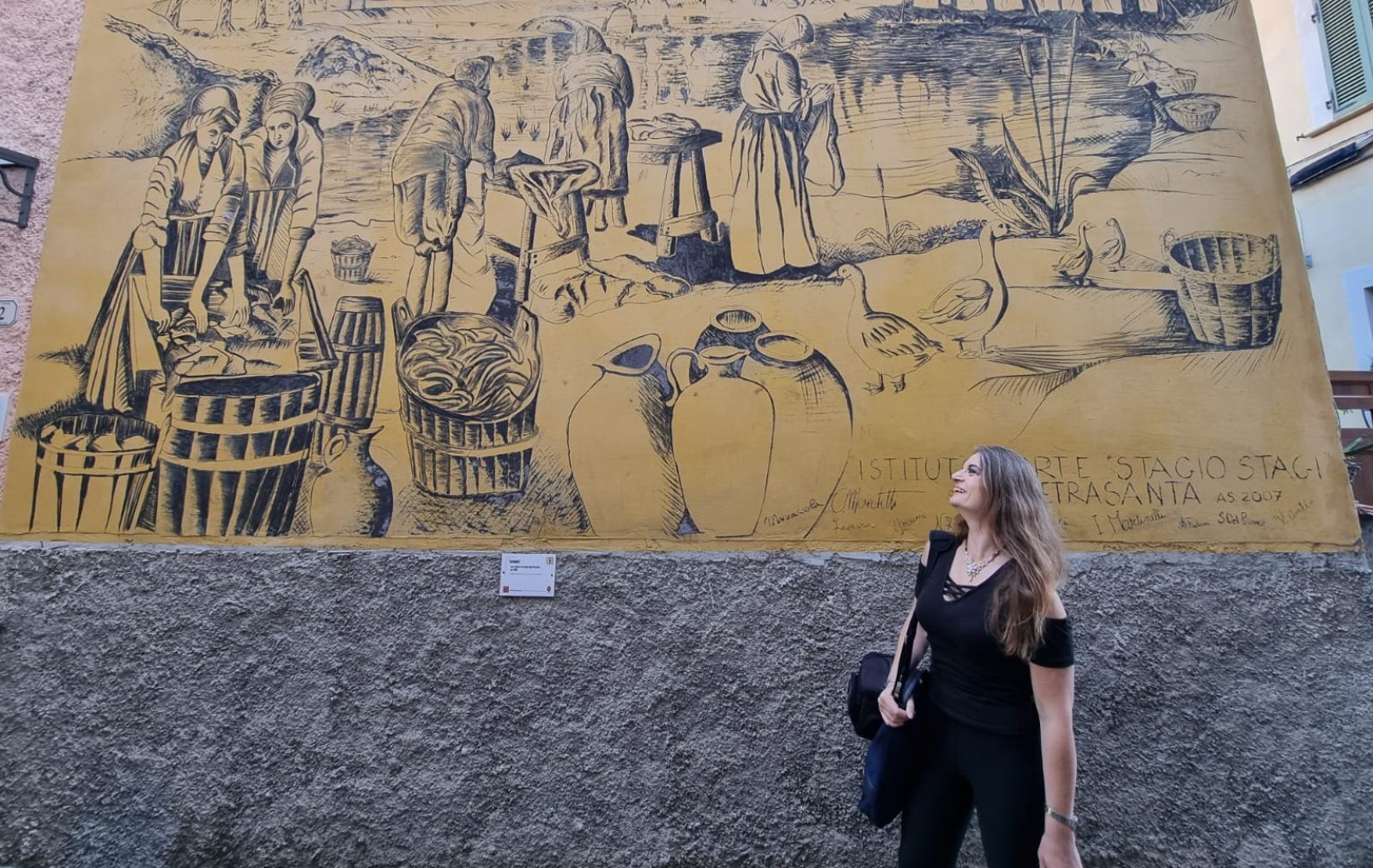
Con la Pasqua che si sta approssimando, voglio proporvi alcune particolarità collegate ai simboli che l’arte cristiana ha tramandato nei secoli, trasformando immagini apparentemente semplici in racconti di fede, morte e rinascita. Dai dipinti medievali fino al Rinascimento, ogni elemento inserito dagli artisti porta con sé un significato preciso, spesso legato al mistero della resurrezione di Cristo.
Comprendere questi simboli aiuta ad addentrarsi più in profondità nella comprensione delle opere, coglierne i messaggi nascosti e scoprire come l’arte abbia costruito, nel tempo, un linguaggio universale capace di parlare ancora oggi.
Il pavone nell’arte cristiana: da simbolo di vanità a immagine di resurrezione
Nell’iconografia cristiana il pavone assume un significato diverso. Se nella cultura classica era associato alla bellezza e alla vanità, con il cristianesimo diventa simbolo di immortalità e resurrezione.
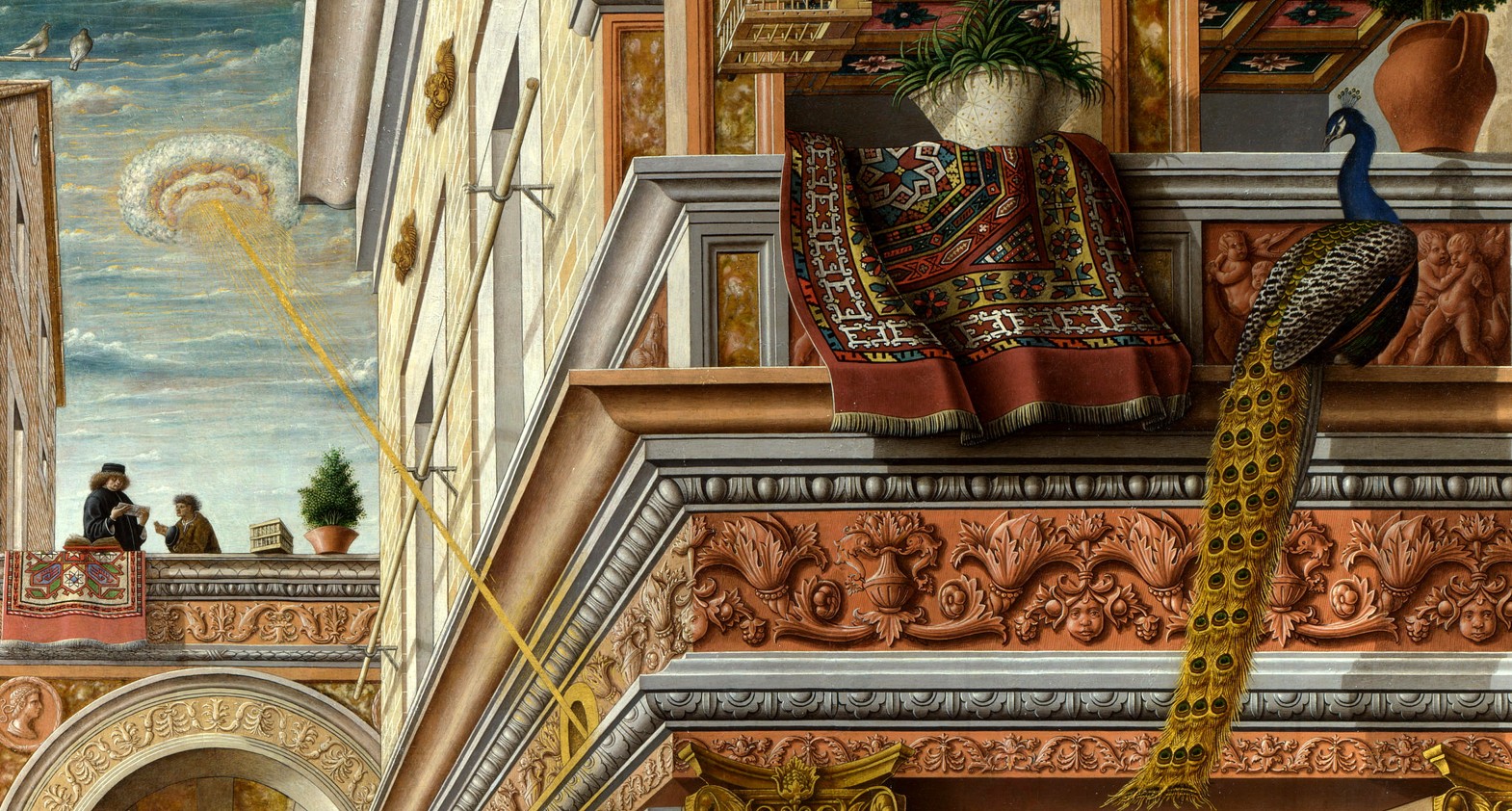
Questa trasformazione affonda le radici nelle osservazioni di Plinio il Vecchio, che nel Naturalis Historia descrive il pavone come un animale capace di rinnovare il proprio piumaggio ciclicamente. La perdita delle penne in inverno e la loro rinascita in primavera lo rendono una perfetta metafora della vita che rinasce dopo la morte.
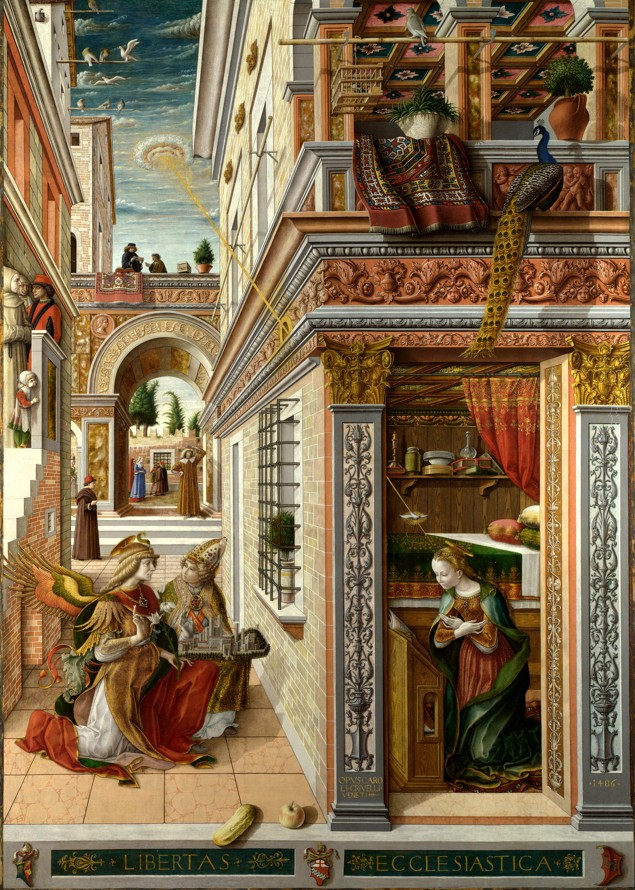
Non è un caso che questo simbolo compaia già nelle prime comunità cristiane e continui a essere utilizzato nel corso dei secoli. Un esempio significativo è l’Annunciazione di Ascoli (1486) di Carlo Crivelli, dove il pavone si inserisce nella scena come segno anticipatore del destino di Cristo, alludendo alla sua futura resurrezione.
Il significato dell’uovo nell’arte: il sepolcro e la rinascita
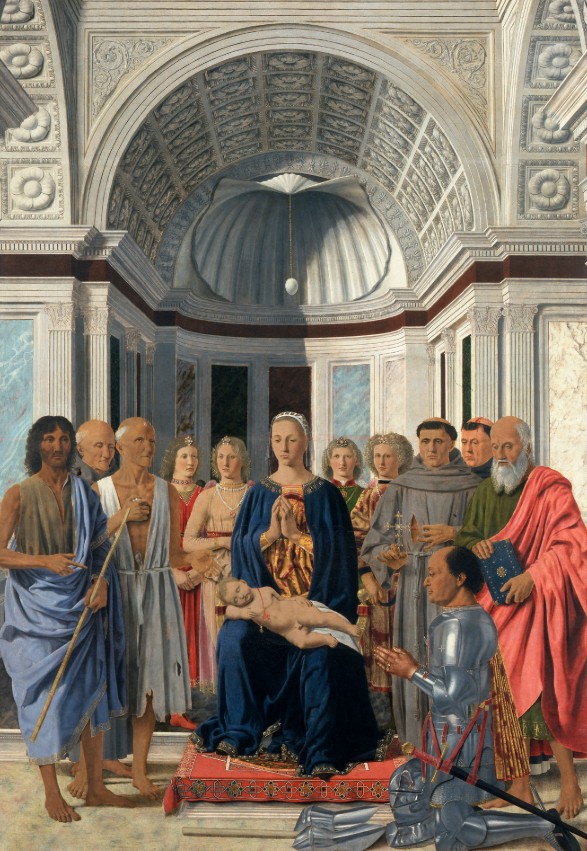
Tra i simboli più potenti e diffusi della Pasqua, l’uovo rappresenta in modo immediato il concetto di vita nuova.
Nel linguaggio dell’arte cristiana, il guscio chiuso richiama il sepolcro di pietra, mentre la vita che si sviluppa al suo interno diventa immagine della resurrezione. È una simbologia semplice ma profondissima, che attraversa epoche e culture.
Nel corso del tempo, questa immagine si è evoluta fino alle tradizionali uova di Pasqua, mantenendo intatto il suo valore simbolico. Anche quando diventa oggetto decorativo, l’uovo continua a raccontare il passaggio dalla morte alla vita, cuore del messaggio pasquale.
Il melograno nell’iconografia sacra: tra Passione e resurrezione
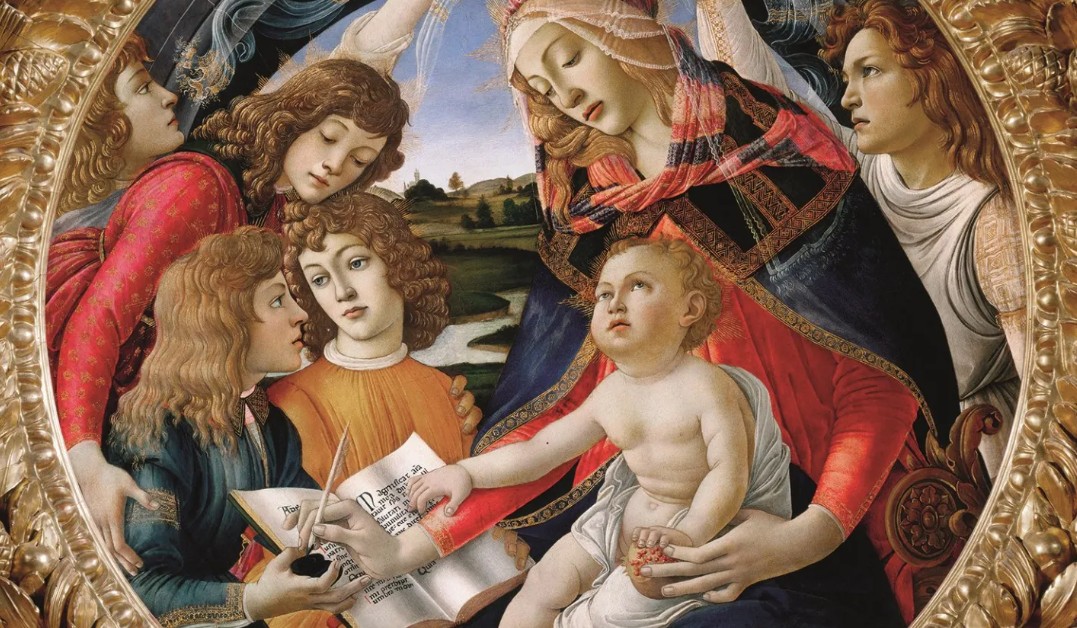
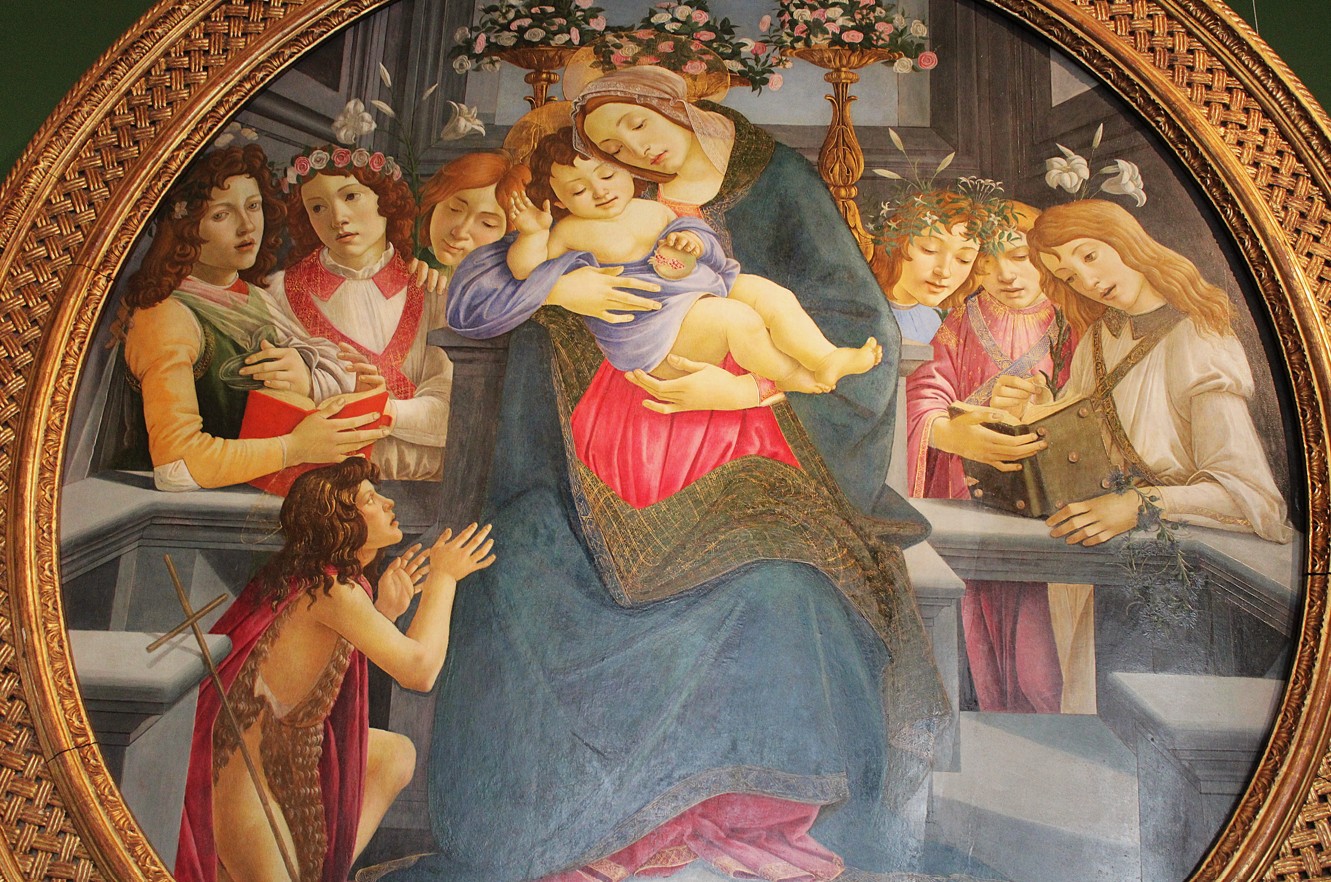
Il melograno è uno dei simboli più densi di significato nell’arte religiosa, capace di unire in sé due momenti fondamentali della storia di Cristo: la Passione e la resurrezione.
I suoi chicchi rossi evocano il sangue versato durante il sacrificio, mentre il frutto che si apre rivela un’esplosione di vita e abbondanza. In questa duplice natura si riflette il mistero pasquale, dove la morte si trasforma in rinascita.
Spesso raffigurato nelle mani del Bambin Gesù, il melograno assume anche un valore profetico, anticipando il destino salvifico di Cristo e suggerendo al tempo stesso l’unità della Chiesa, rappresentata dalla moltitudine dei suoi semi.
L’agnello simbolo di Cristo nell’arte: il sacrificio che redime
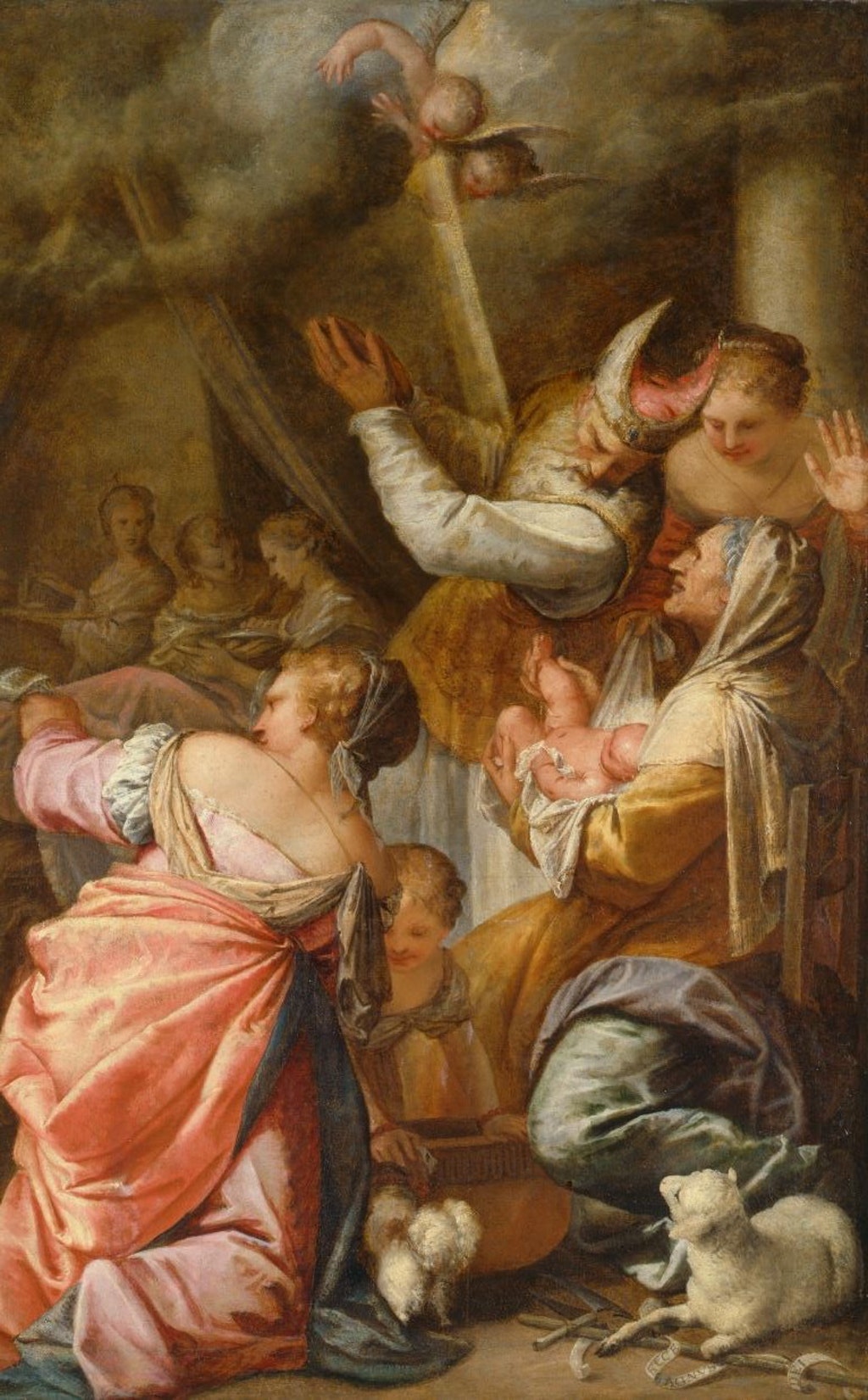
L’agnello è uno dei simboli più antichi e centrali della tradizione cristiana e trova nell’arte una rappresentazione costante e profondamente evocativa.
Identificato con Cristo stesso, l’Agnello di Dio incarna il sacrificio che libera l’umanità dal peccato. La sua presenza nelle opere d’arte non è mai casuale: richiama direttamente il tema della redenzione e collega la Pasqua cristiana alle radici bibliche del sacrificio.
Nel corso dei secoli, gli artisti lo hanno rappresentato in modi diversi, ma sempre con l’intento di sottolineare il suo ruolo salvifico, rendendolo uno dei simboli più riconoscibili della fede pasquale.
I gigli nell’arte sacra: purezza, luce e promessa di resurrezione
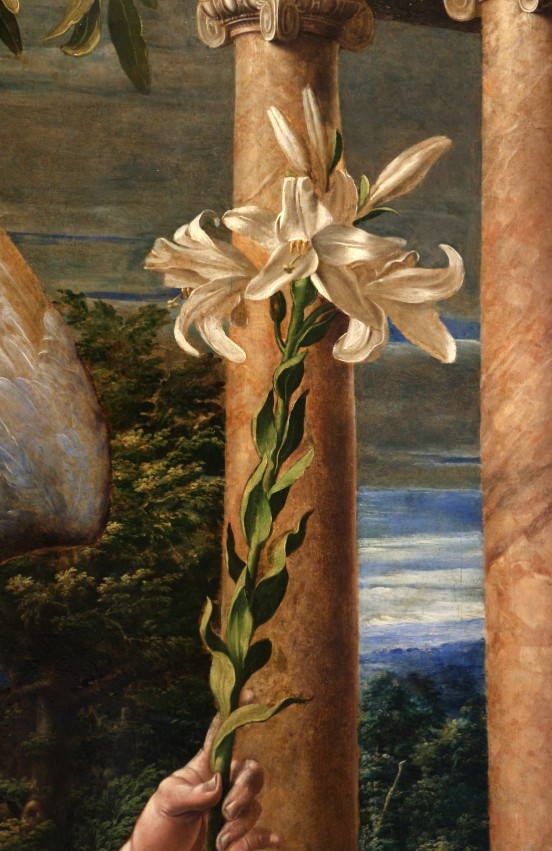
I gigli occupano un posto privilegiato nell’iconografia cristiana, soprattutto nelle rappresentazioni legate alla Vergine Maria.
Simbolo di purezza e innocenza, compaiono frequentemente nelle scene dell’Annunciazione, ma il loro significato si estende anche al tema della resurrezione. La loro fioritura primaverile e il colore bianco li rendono perfetti emblemi di rinascita e luce.
Nell’arte pasquale, i gigli diventano così segni silenziosi ma eloquenti della vittoria della vita sulla morte.
I simboli pasquali nell’arte oggi: un linguaggio ancora vivo
Nonostante il passare dei secoli, i simboli della Pasqua continuano a mantenere una straordinaria attualità. L’arte li ha trasformati in un linguaggio visivo capace di superare il tempo, rendendo accessibili concetti complessi attraverso immagini immediate.
Il pavone, l’uovo, il melograno, l’agnello e i gigli non sono semplici elementi decorativi, ma strumenti narrativi che permettono di leggere le opere a un livello più profondo.
In un presente in cui il bisogno di significato e di rinascita è più forte che mai, questi simboli continuano a parlare con forza, ricordando che la Pasqua non è solo una ricorrenza, ma un messaggio universale di trasformazione e speranza.
Per il momento il sempre vostro Michelangelo Buonarroti vi saluta dandovi appuntamento ai prossimi post e sui social.
Easter Symbols in Art: Hidden Meanings of Faith, Rebirth, and Beauty
With Easter approaching, I’d like to share some insights into the symbols that Christian art has handed down over the centuries, transforming seemingly simple images into tales of faith, death, and rebirth. From medieval paintings to the Renaissance, every element inserted by artists carries a precise meaning, often linked to the mystery of Christ’s resurrection.
Understanding these symbols helps us delve deeper into the works, grasp their hidden messages, and discover how art has constructed, over time, a universal language that still speaks today.
The Peacock in Christian Art: From a Symbol of Vanity to an Image of Resurrection
In Christian iconography, the peacock takes on a different meaning. While in classical culture it was associated with beauty and vanity, with Christianity it became a symbol of immortality and resurrection.
This transformation has its roots in the observations of Pliny the Elder, who in his Naturalis Historia describes the peacock as an animal capable of cyclically renewing its plumage. The loss of feathers in winter and their rebirth in spring make it a perfect metaphor for life reborn after death.
It is no coincidence that this symbol appeared in the earliest Christian communities and continued to be used throughout the centuries. A significant example is the Annunciation of Ascoli Piceno (1486) by Carlo Crivelli, where the peacock enters the scene as a foreshadowing of Christ’s destiny, alluding to his future resurrection.
The Meaning of the Egg in Art: The Tomb and Rebirth
Among the most powerful and widespread symbols of Easter, the egg immediately represents the concept of new life.
In the language of Christian art, the closed shell recalls the stone tomb, while the life developing within it becomes an image of resurrection. It’s a simple yet profound symbolism that spans eras and cultures.
Over time, this image has evolved into the traditional Easter egg, maintaining its symbolic value intact. Even when it becomes a decorative object, the egg continues to convey the passage from death to life, the heart of the Easter message.
The Pomegranate in Sacred Iconography: Between Passion and Resurrection
The pomegranate is one of the most meaningful symbols in religious art, capable of uniting two fundamental moments in the story of Christ: the Passion and the Resurrection.
Its red seeds evoke the blood shed during the sacrifice, while the fruit that opens reveals an explosion of life and abundance. This dual nature reflects the Paschal Mystery, where death transforms into rebirth.
Often depicted in the hands of the Baby Jesus, the pomegranate also takes on a prophetic value, anticipating Christ’s salvific destiny and simultaneously suggesting the unity of the Church, represented by the multitude of its seeds.
The Lamb, Symbol of Christ in Art: The Redeeming Sacrifice
The lamb is one of the oldest and most central symbols of Christian tradition and finds a constant and profoundly evocative representation in art.
Identified with Christ himself, the Lamb of God embodies the sacrifice that frees humanity from sin. Its presence in works of art is never accidental: it directly recalls the theme of redemption and connects the Christian Easter to the biblical roots of sacrifice.
Over the centuries, artists have depicted it in different ways, but always with the intent of emphasizing its salvific role, making it one of the most recognizable symbols of the Easter faith.
Lilies in Sacred Art: Purity, Light, and the Promise of Resurrection
Lilies occupy a privileged place in Christian iconography, especially in representations of the Virgin Mary.
A symbol of purity and innocence, they frequently appear in scenes of the Annunciation, but their meaning also extends to the theme of resurrection. Their springtime blooms and white color make them perfect emblems of rebirth and light.
In Easter art, lilies thus become silent yet eloquent signs of the victory of life over death.
Easter Symbols in Art Today: A Still Living Language
Despite the passing of the centuries, Easter symbols continue to maintain an extraordinary relevance. Art has transformed them into a visual language capable of transcending time, making complex concepts accessible through immediate images.
The peacock, the egg, the pomegranate, the lamb, and the lilies are not simply decorative elements, but narrative tools that allow us to read the works on a deeper level.
In a present where the need for meaning and rebirth is stronger than ever, these symbols continue to speak powerfully, reminding us that Easter is not just a celebration, but a universal message of transformation and hope.
For now, yours truly, Michelangelo Buonarroti bids you farewell and invites you to see him in future posts and on social media.

Sostienici – Support Us
Se questo blog ti piace e ti appassiona, puoi aiutarci a farlo crescere sempre più sostenendoci in modo concreto condividendo i post, seguendo le pagine social e con un contributo che ci aiuta ad andare avanti con il nostro lavoro di divulgazione. . ENGLISH: If you like and are passionate about this blog, you can help us make it grow more and more by supporting us in a concrete way by sharing posts, following social pages and with a contribution that helps us to move forward with our dissemination work.
10,00 €
Condividi:


Questo sono io





sostienici

Sostienici – Support Us
Se questo blog ti piace e ti appassiona, puoi aiutarci a farlo crescere sempre più sostenendoci in modo concreto condividendo i post, seguendo le pagine social e con un contributo che ci aiuta ad andare avanti con il nostro lavoro di divulgazione. . ENGLISH: If you like and are passionate about this blog, you can help us make it grow more and more by supporting us in a concrete way by sharing posts, following social pages and with a contribution that helps us to move forward with our dissemination work.
€10,00


