

19 marzo, San Giuseppe: il dipinto di Guido Reni
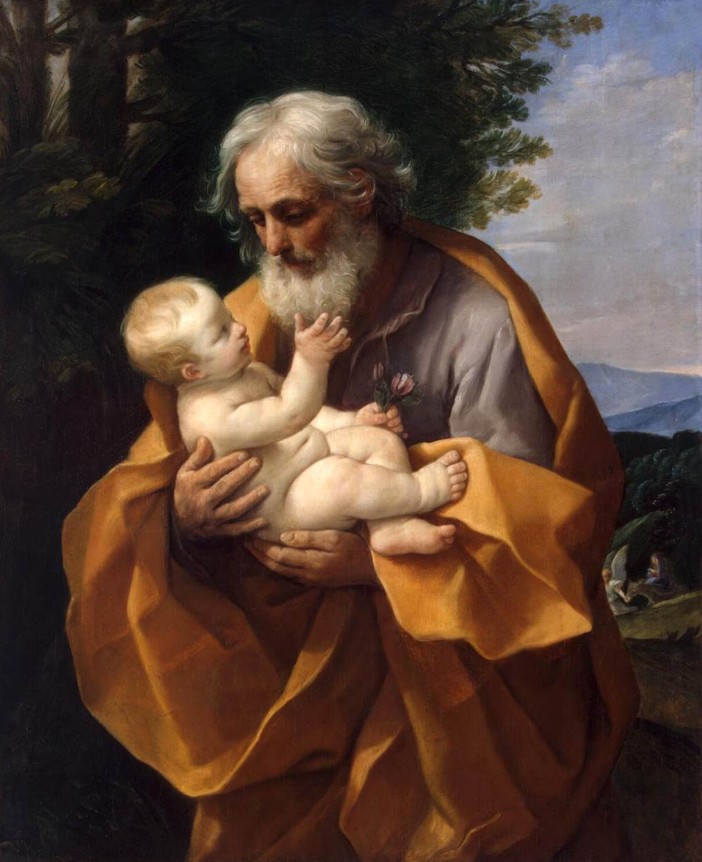
Nel giorno dedicato a San Giuseppe, il 19 marzo, l’arte sacra offre uno dei suoi vertici più intensi: San Giuseppe col Bambino di Guido Reni, custodito al Museo statale Ermitage. Questo dipinto, realizzato intorno al 1635, rappresenta una delle immagini più toccanti della paternità nella storia della pittura, capace ancora oggi di emozionare e parlare al pubblico contemporaneo.
San Giuseppe, il custode silenzioso della Sacra Famiglia
Figura discreta nei Vangeli, San Giuseppe emerge nella tradizione artistica come simbolo di dedizione, responsabilità e amore silenzioso. Non protagonista del racconto evangelico, ma essenziale nel mistero dell’Incarnazione, Giuseppe diventa nel Seicento un modello di santità domestica e concreta.
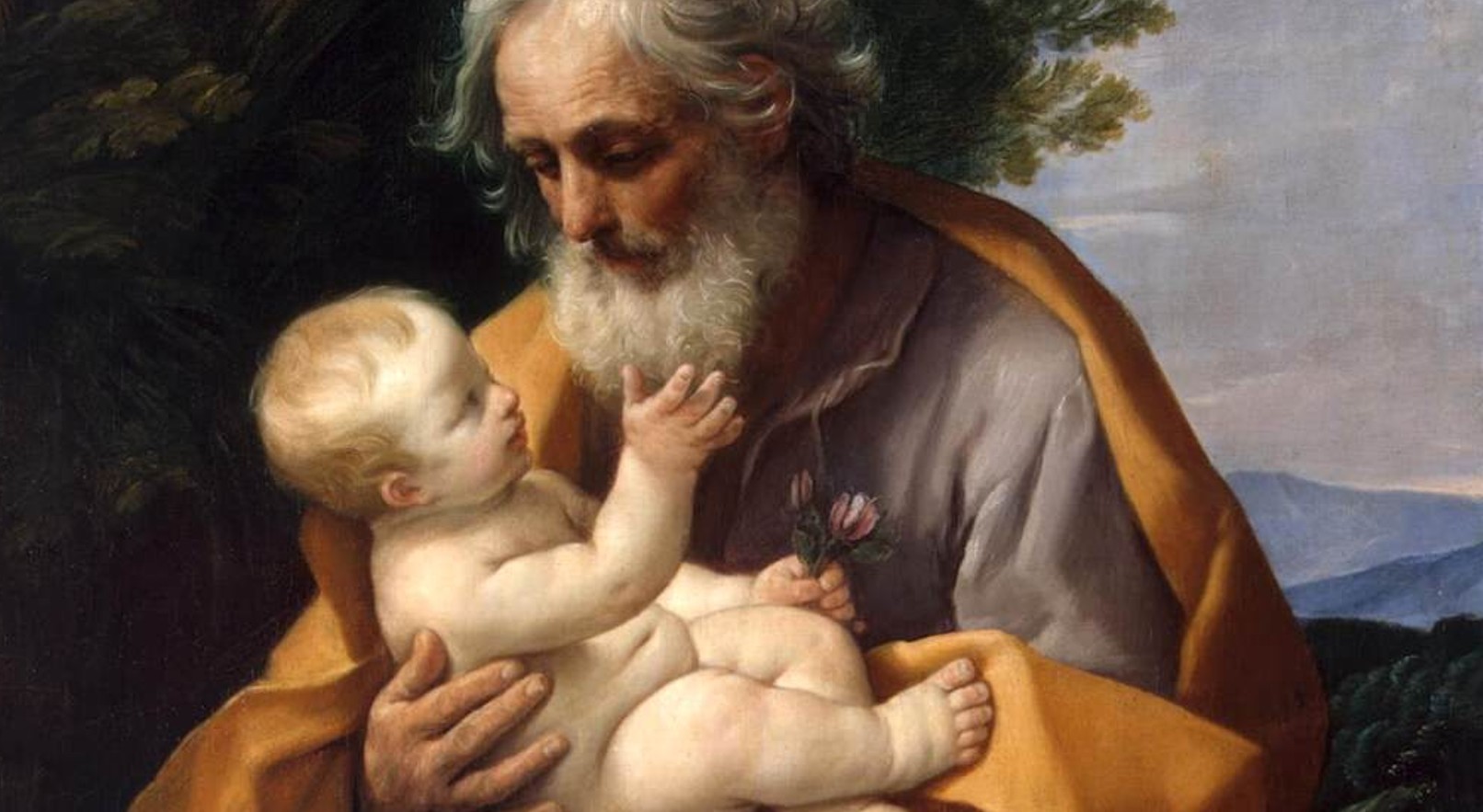
Guido Reni interpreta questa dimensione con straordinaria sensibilità. Nel dipinto dell’Ermitage, il santo non è più una figura austera o distante, ma un padre affettuoso che stringe il Bambino in un gesto intimo e universale. Lo sguardo dolce e assorto crea un dialogo silenzioso con Gesù, trasformando la scena in una meditazione sull’amore.
Un capolavoro del barocco emiliano tra luce e tenerezza
Realizzato nella fase matura dell’artista, San Giuseppe col Bambino si distingue per una tavolozza delicata e una luce morbida che avvolge le figure. Lontano dal dramma barocco più teatrale, Reni predilige un’atmosfera raccolta, quasi sospesa, in cui l’emozione prende il sopravvento sulla narrazione.
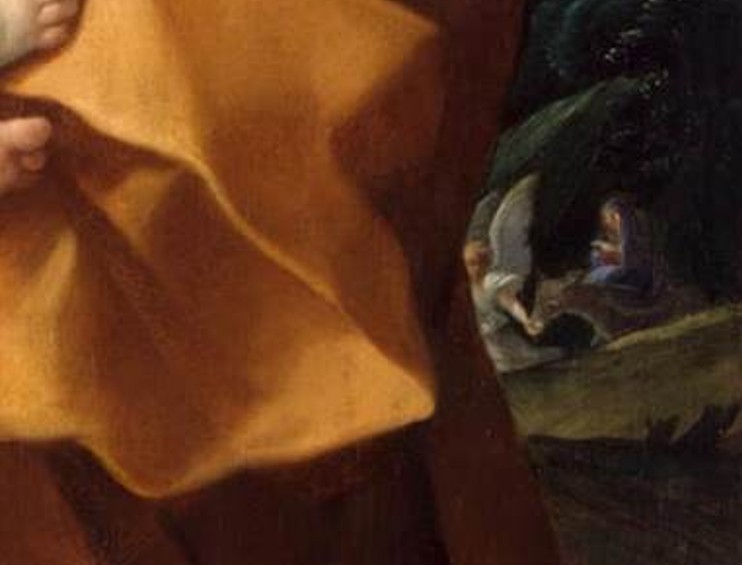
La composizione a mezza figura concentra l’attenzione sul rapporto tra padre e figlio. Il Bambino si abbandona con fiducia, mentre Giuseppe lo sostiene con una tenerezza che anticipa una sensibilità moderna. Sullo sfondo, appena accennati, compaiono elementi legati alla Fuga in Egitto, con la Vergine, un angelo e l’asino, che ampliano il significato spirituale dell’opera.
Dalla Bologna seicentesca a San Pietroburgo: la storia del dipinto
L’opera fu probabilmente commissionata da padre Giovanni Battista de’ Grossi, appartenente all’Ordine dei Teatini, per la chiesa di San Bartolomeo a Bologna. Successivamente entrò nella collezione dei marchesi Tanari, prima di essere acquistata nel 1850 dall’Ermitage di San Pietroburgo, dove è oggi conservata.
Questo percorso testimonia la fortuna dell’opera, apprezzata fin da subito per la sua intensità emotiva e la raffinatezza stilistica. Il modello iconografico elaborato da Reni fu replicato più volte dalla sua bottega e influenzò artisti come Simone Cantarini, contribuendo alla diffusione di un’immagine più umana e affettuosa di San Giuseppe.
Un’icona senza tempo della paternità
Nel panorama dell’arte sacra del XVII secolo, San Giuseppe col Bambino è considerato uno dei punti più alti nella rappresentazione del santo. La sua forza risiede nella capacità di rendere universale un tema religioso, trasformandolo in un’immagine di amore familiare comprensibile a tutti.
In occasione del 19 marzo, questa opera torna al centro dell’attenzione non solo come capolavoro artistico, ma come simbolo di una paternità fatta di presenza, cura e silenziosa dedizione.
Guido Reni, con la sua pittura luminosa e delicata, consegna così un messaggio che attraversa i secoli: la grandezza può risiedere anche nei gesti più semplici, quelli che non fanno rumore ma costruiscono il cuore della vita.
Per il momento il sempre vostro Michelangelo Buonarroti vi saluta dandovi appuntamento ai prossimi post e sui social.
March 19, Saint Joseph: Guido Reni’s Painting
On the day dedicated to Saint Joseph, March 19, sacred art offers one of its most intense highlights: Saint Joseph with the Child by Guido Reni, housed in the State Hermitage Museum. This painting, created around 1635, represents one of the most touching images of fatherhood in the history of painting, still capable of moving and speaking to contemporary audiences today.
Saint Joseph, the Silent Guardian of the Holy Family
A discreet figure in the Gospels, Saint Joseph emerges in the artistic tradition as a symbol of dedication, responsibility, and silent love. Not a protagonist in the Gospel story, but essential to the mystery of the Incarnation, Joseph became a model of domestic and concrete sanctity in the 17th century.
Guido Reni interprets this dimension with extraordinary sensitivity. In the Hermitage painting, the saint is no longer an austere or distant figure, but a loving father who embraces the Child in an intimate and universal gesture. The gentle, absorbed gaze creates a silent dialogue with Jesus, transforming the scene into a meditation on love.
A masterpiece of Emilian Baroque, between light and tenderness
Painted during the artist’s mature period, Saint Joseph and Child is distinguished by a delicate palette and a soft light that envelops the figures. Far from the more theatrical Baroque drama, Reni favors a serene, almost suspended atmosphere, in which emotion takes precedence over narrative.
The half-length composition focuses attention on the relationship between father and son. The Child abandons himself trustingly, while Joseph supports him with a tenderness that anticipates a modern sensibility. In the background, barely hinted at, are elements related to the Flight into Egypt, with the Virgin, an angel, and the donkey, which amplify the work’s spiritual meaning.
From 17th-Century Bologna to St. Petersburg: The History of the Painting
The work was likely commissioned by Father Giovanni Battista de’ Grossi, a member of the Theatine Order, for the church of San Bartolomeo in Bologna. It later entered the collection of the Marquises Tanari, before being purchased in 1850 by the Hermitage Museum in St. Petersburg, where it is preserved today.
This journey testifies to the work’s success, which was immediately appreciated for its emotional intensity and stylistic refinement. The iconographic model developed by Reni was replicated several times by his workshop and influenced artists such as Simone Cantarini, contributing to the dissemination of a more human and affectionate image of Saint Joseph.
A Timeless Icon of Fatherhood
In the panorama of 17th-century sacred art, Saint Joseph and Child is considered one of the finest representations of the saint. Its strength lies in its ability to universalize a religious theme, transforming it into an image of familial love understandable to all.
On March 19th, this work returns to the spotlight not only as an artistic masterpiece, but as a symbol of fatherhood built on presence, care, and silent dedication.
Guido Reni, with his luminous and delicate painting, thus delivers a message that has endured through the centuries: greatness can reside even in the simplest gestures, those that make no noise but build the heart of life.
For now, yours truly, Michelangelo Buonarroti bids you farewell, and invites you to join him in future posts and on social media.

Sostienici – Support Us
Se questo blog ti piace e ti appassiona, puoi aiutarci a farlo crescere sempre più sostenendoci in modo concreto condividendo i post, seguendo le pagine social e con un contributo che ci aiuta ad andare avanti con il nostro lavoro di divulgazione. . ENGLISH: If you like and are passionate about this blog, you can help us make it grow more and more by supporting us in a concrete way by sharing posts, following social pages and with a contribution that helps us to move forward with our dissemination work.
10,00 €

Condividi:


Questo sono io





sostienici

Sostienici – Support Us
Se questo blog ti piace e ti appassiona, puoi aiutarci a farlo crescere sempre più sostenendoci in modo concreto condividendo i post, seguendo le pagine social e con un contributo che ci aiuta ad andare avanti con il nostro lavoro di divulgazione. . ENGLISH: If you like and are passionate about this blog, you can help us make it grow more and more by supporting us in a concrete way by sharing posts, following social pages and with a contribution that helps us to move forward with our dissemination work.
€10,00


