

Orazio Gentileschi e la Sibilla di Houston: il fascino di un capolavoro barocco
Tra i dipinti più eleganti della pittura italiana del primo Seicento si distingue Ritratto di giovane donna come Sibilla, realizzato intorno al 1620 da Orazio Gentileschi. Oggi l’opera è conservata al Museum of Fine Arts Houston, in Texas, dove è entrata nella collezione nel 1953.
Il dipinto rappresenta una giovane donna che assume l’identità simbolica di una sibilla, una profetessa dell’antichità. L’opera unisce raffinatezza formale, eleganza aristocratica e una suggestiva aura di mistero che riflette perfettamente la sensibilità pittorica di Gentileschi.
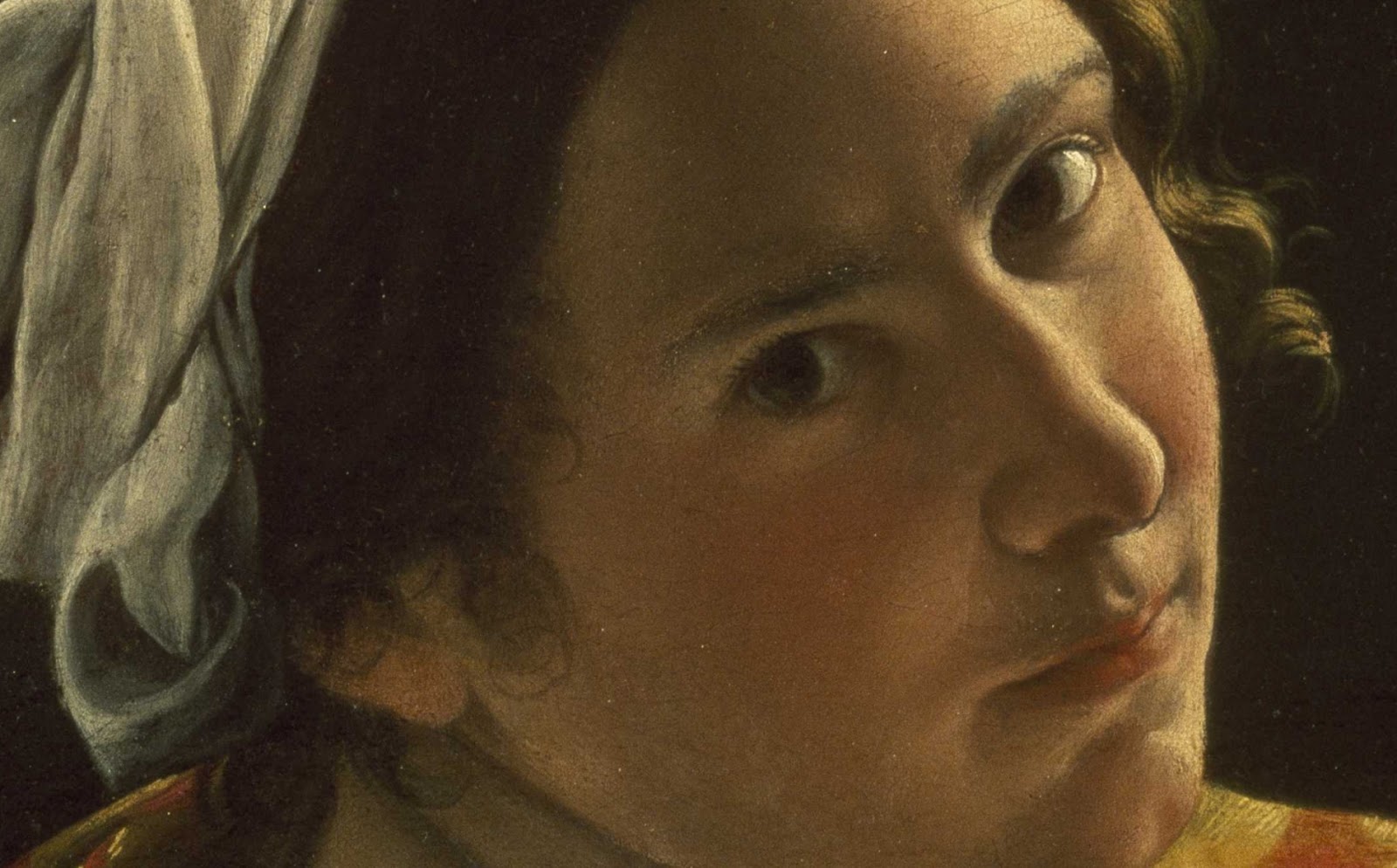
Un raffinato esempio della pittura di Orazio Gentileschi
Nel panorama artistico del primo Seicento, Orazio Gentileschi si distingue per uno stile estremamente elegante e luminoso. Pur avendo assorbito la rivoluzione naturalistica di Caravaggio, l’artista sviluppò una pittura più delicata, caratterizzata da superfici morbide, luce soffusa e figure femminili di grande grazia.
Queste qualità emergono chiaramente nel Ritratto di giovane donna come Sibilla, dove la protagonista appare con un volto dolce e contemplativo. La figura è avvolta da tessuti preziosi e dipinta con una straordinaria attenzione alla qualità dei materiali e alla resa della luce.
La delicata espressione del volto, insieme all’eleganza della posa e alla raffinatezza cromatica, sono caratteristiche tipiche dell’arte di Gentileschi e trovano un confronto diretto con un’altra sua opera celebre, Suonatore di liuto, conservata alla National Gallery of Art. Proprio per queste affinità stilistiche gli studiosi ritengono che i due dipinti possano essere stati realizzati nello stesso periodo, probabilmente tra il secondo e il terzo decennio del Seicento.
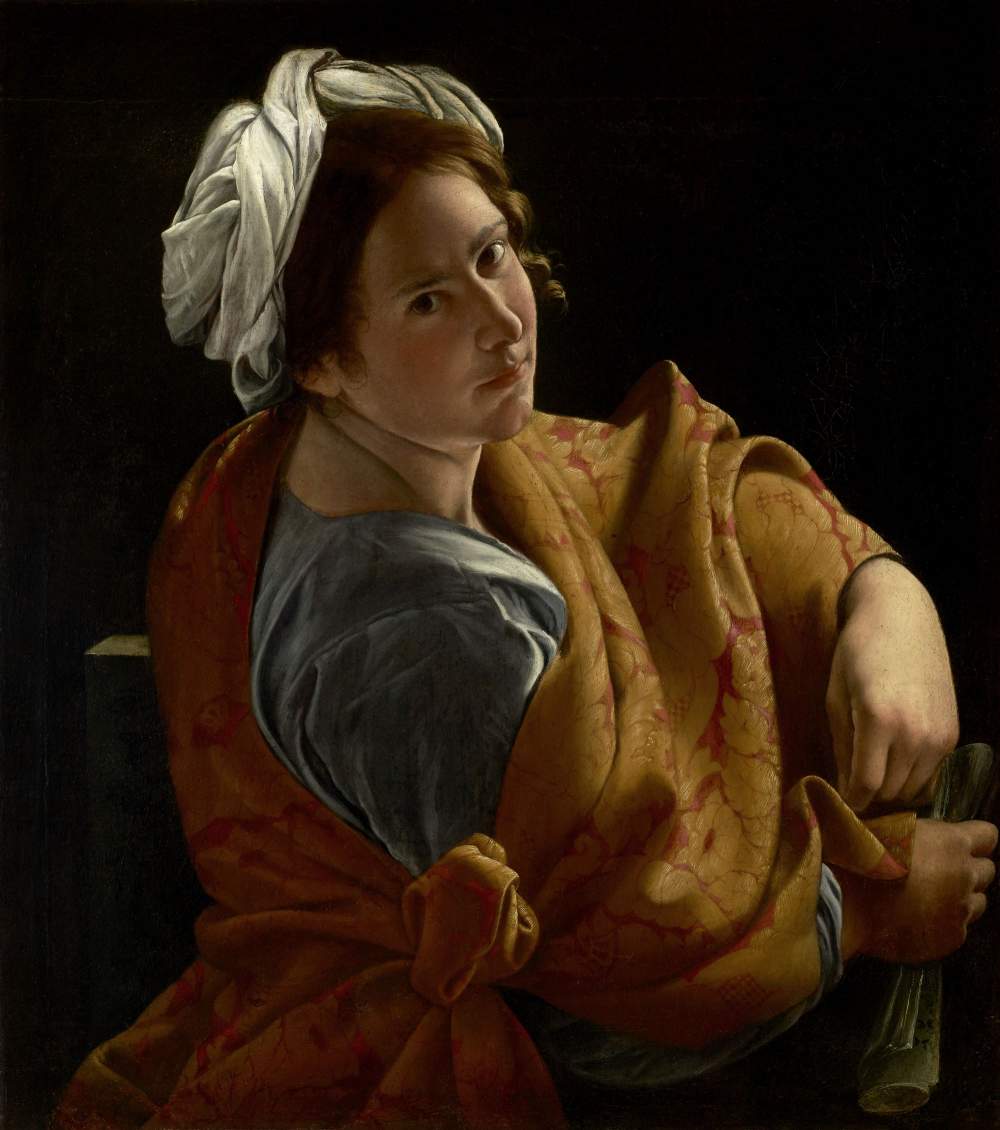
Le caratteristiche tecniche del dipinto
Il dipinto è realizzato a olio su tela, misura solo 79,7 × 71,8 centimetri. La composizione è semplice ma estremamente raffinata. La giovane donna è rappresentata a mezzo busto e poggia il braccio su una lastra di pietra decorata. La luce illumina il volto e le mani, creando un effetto di grande intimità e concentrazione.
La pittura è fluida e setosa, con un uso della luce che non crea dramma ma piuttosto un’atmosfera silenziosa e contemplativa.
L’iconografia della Sibilla: simboli e significato
Il soggetto dell’opera si riconosce grazie ad alcuni elementi simbolici presenti nella composizione.
La giovane donna si appoggia infatti a una lastra di pietra decorata con geroglifici, mentre nelle mani tiene un rotolo. Questi dettagli sono tradizionalmente associati alle sibille, figure profetiche dell’antichità che, secondo la tradizione rinascimentale e barocca, annunciavano eventi futuri attraverso testi misteriosi e simbolici.
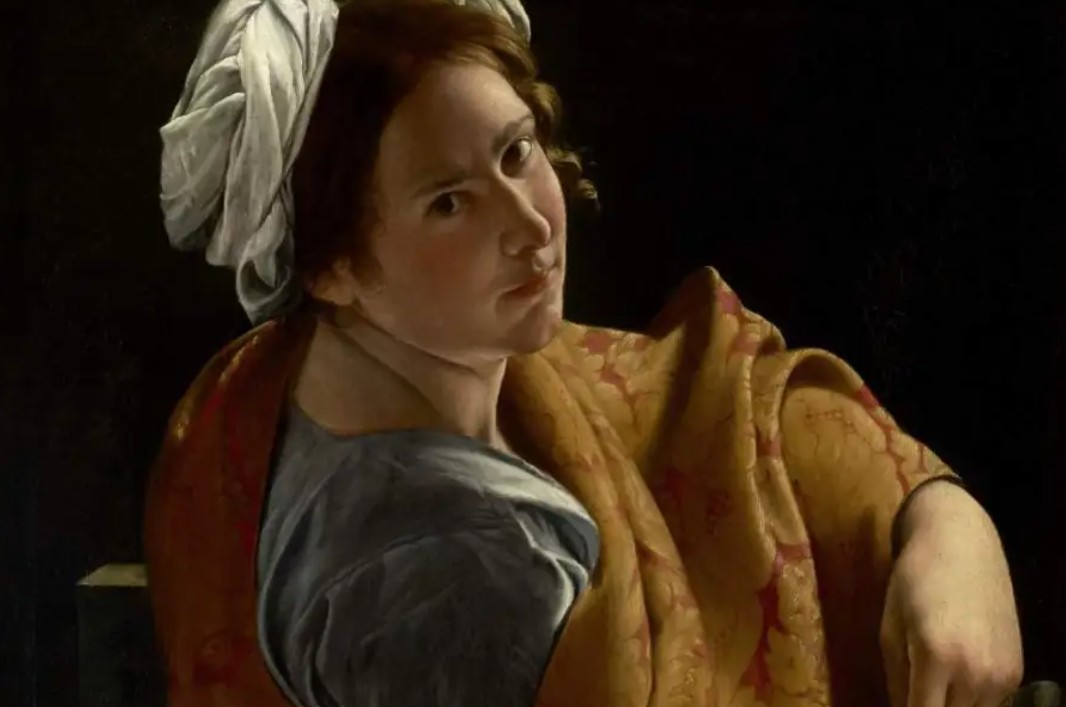
Nel Seicento le sibille erano soggetti molto popolari perché permettevano agli artisti di fondere cultura classica, spiritualità e bellezza femminile. In questo caso Gentileschi sceglie un approccio particolarmente intimo e naturalistico, trasformando la profetessa in una figura quasi reale, sospesa tra ritratto e allegoria.
Un confronto interessante si trova con un’altra Sibilla dipinta da Gentileschi e oggi conservata nella Hampton Court Palace, dove la figura è rappresentata a figura intera mentre regge una tavoletta decorata anch’essa con geroglifici.
Una lunga storia di attribuzioni: da Artemisia a Orazio
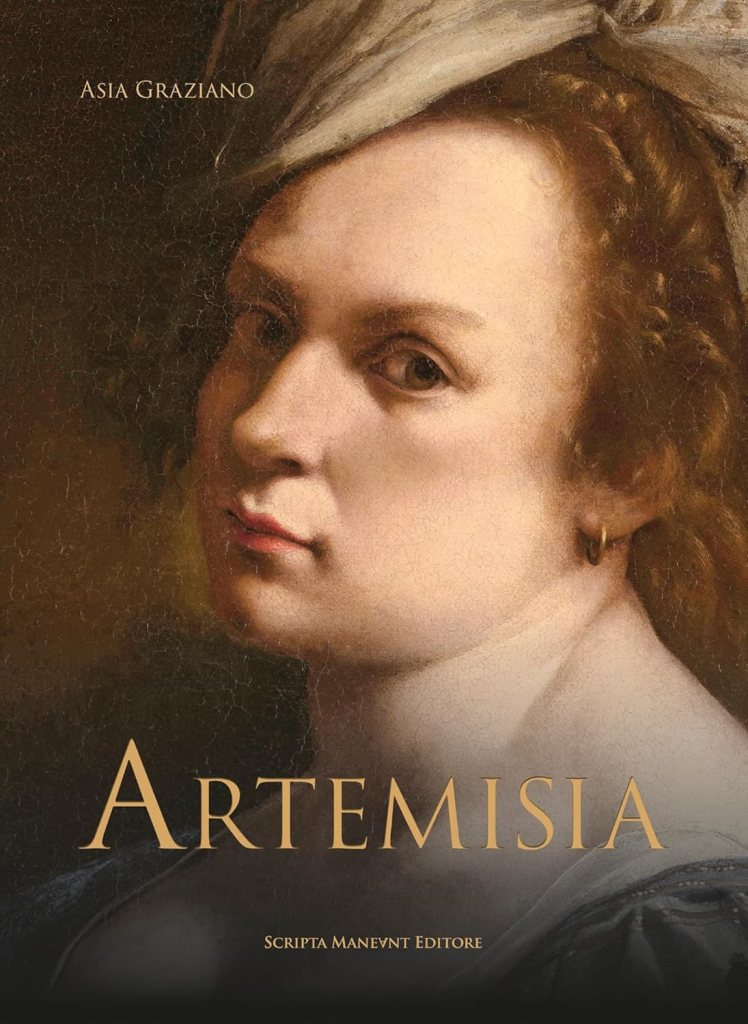
La storia critica del dipinto è particolarmente interessante. Per lungo tempo l’opera non fu attribuita a Orazio Gentileschi, ma alla figlia dell’artista, la celebre pittrice barocca Artemisia Gentileschi.
Solo in seguito agli studi stilistici e alle analisi comparate con altre opere del maestro, gli studiosi hanno riconosciuto che la delicatezza della figura, la raffinatezza della luce e la qualità delle superfici pittoriche sono più coerenti con la mano di Orazio.
Oggi l’attribuzione al pittore pisano è generalmente accettata dalla critica.
Provenienza e arrivo al Museum of Fine Arts Houston
La provenienza dell’opera testimonia il suo passaggio attraverso il collezionismo internazionale.
Il dipinto appartenne a una collezione privata inglese e fu venduto all’asta da Christie’s a Londra il 22 giugno 1951, dove venne presentato ancora come opera di Artemisia Gentileschi. In quell’occasione fu acquistato dal mercante d’arte J. Tooth.
Due anni più tardi, nel 1953, l’opera entrò nelle collezioni del Museum of Fine Arts Houston, dove è tuttora conservata ed esposta.
Per il momento il sempre vostro Michelangelo Buonarroti vi saluta dandovi appuntamento ai prossimi post e sui social.
Orazio Gentileschi and the Houston Sibyl: The Charm of a Baroque Masterpiece
Among the most elegant paintings of early 17th-century Italian art is Portrait of a Young Woman as a Sibyl, painted around 1620 by Orazio Gentileschi. Today, the work is housed at the Museum of Fine Arts Houston, Texas, where it entered the collection in 1953.
The painting depicts a young woman assuming the symbolic identity of a sibyl, a prophetess of antiquity. The work combines formal refinement, aristocratic elegance, and a suggestive aura of mystery that perfectly reflects Gentileschi’s pictorial sensibility.
A refined example of Orazio Gentileschi’s painting
In the artistic landscape of the early 17th century, Orazio Gentileschi stands out for his extremely elegant and luminous style. Although he absorbed Caravaggio’s naturalistic revolution, the artist developed a more delicate style of painting, characterized by soft surfaces, subdued light, and graceful female figures.
These qualities emerge clearly in the Portrait of a Young Woman as Sibyl, where the subject appears with a sweet and contemplative expression. The figure is draped in precious fabrics and painted with extraordinary attention to the quality of the materials and the rendering of light.
The delicate facial expression, along with the elegance of the pose and the refined color scheme, are typical characteristics of Gentileschi’s art and are directly comparable to another of his famous works, The Lute Player, now in the National Gallery of Art. Because of these stylistic similarities, scholars believe the two paintings may have been created in the same period, likely between the 1620s and 1630s.
Technical characteristics of the painting
The painting is oil on canvas and measures just 79.7 × 71.8 centimeters. The composition is simple yet extremely refined. The young woman is depicted half-length, resting her arm on a decorated stone slab. The light illuminates her face and hands, creating an effect of great intimacy and concentration.
The painting is fluid and silky, with a use of light that creates a silent and contemplative atmosphere rather than drama.
The iconography of the Sibyl: symbols and meaning
The subject of the work is recognizable thanks to some symbolic elements present in the composition.
The young woman leans against a stone slab decorated with hieroglyphics, holding a scroll in her hands. These details are traditionally associated with sibyls, prophetic figures of antiquity who, according to Renaissance and Baroque tradition, foretold future events through mysterious and symbolic texts.
In the 17th century, sibyls were very popular subjects because they allowed artists to blend classical culture, spirituality, and feminine beauty. In this case, Gentileschi chooses a particularly intimate and naturalistic approach, transforming the prophetess into an almost lifelike figure, suspended between portrait and allegory.
An interesting comparison can be made with another Sibyl painted by Gentileschi, now housed at Hampton Court Palace, where the figure is depicted full-length while holding a tablet also decorated with hieroglyphics.
A long history of attributions: from Artemisia to Orazio
The painting’s critical history is particularly interesting. For a long time, the work was not attributed to Orazio Gentileschi, but to the artist’s daughter, the famous Baroque painter Artemisia Gentileschi.
Only after stylistic studies and comparative analyses with other works by the master did scholars recognize that the delicacy of the figure, the refinement of the light, and the quality of the painted surfaces are more consistent with Orazio’s hand.
Today, the attribution to the Pisan painter is generally accepted by critics.
Provenance and Arrival at the Museum of Fine Arts Houston
The work’s provenance testifies to its passage through international collections.
The painting belonged to a private English collection and was sold at auction at Christie’s in London on June 22, 1951, where it was still presented as a work by Artemisia Gentileschi. On that occasion, it was purchased by the art dealer J. Tooth.
Two years later, in 1953, the work entered the collections of the Museum of Fine Arts Houston, where it is still preserved and exhibited.
For now, yours truly, Michelangelo Buonarroti bids farewell and invites you to see him in future posts and on social media.

Sostienici – Support Us
Se questo blog ti piace e ti appassiona, puoi aiutarci a farlo crescere sempre più sostenendoci in modo concreto condividendo i post, seguendo le pagine social e con un contributo che ci aiuta ad andare avanti con il nostro lavoro di divulgazione. . ENGLISH: If you like and are passionate about this blog, you can help us make it grow more and more by supporting us in a concrete way by sharing posts, following social pages and with a contribution that helps us to move forward with our dissemination work.
10,00 €



Condividi:


Questo sono io





sostienici

Sostienici – Support Us
Se questo blog ti piace e ti appassiona, puoi aiutarci a farlo crescere sempre più sostenendoci in modo concreto condividendo i post, seguendo le pagine social e con un contributo che ci aiuta ad andare avanti con il nostro lavoro di divulgazione. . ENGLISH: If you like and are passionate about this blog, you can help us make it grow more and more by supporting us in a concrete way by sharing posts, following social pages and with a contribution that helps us to move forward with our dissemination work.
€10,00


