

Scoperto un nuovo dipinto di Rembrandt: il Rijksmuseum ne annuncia l’autenticità
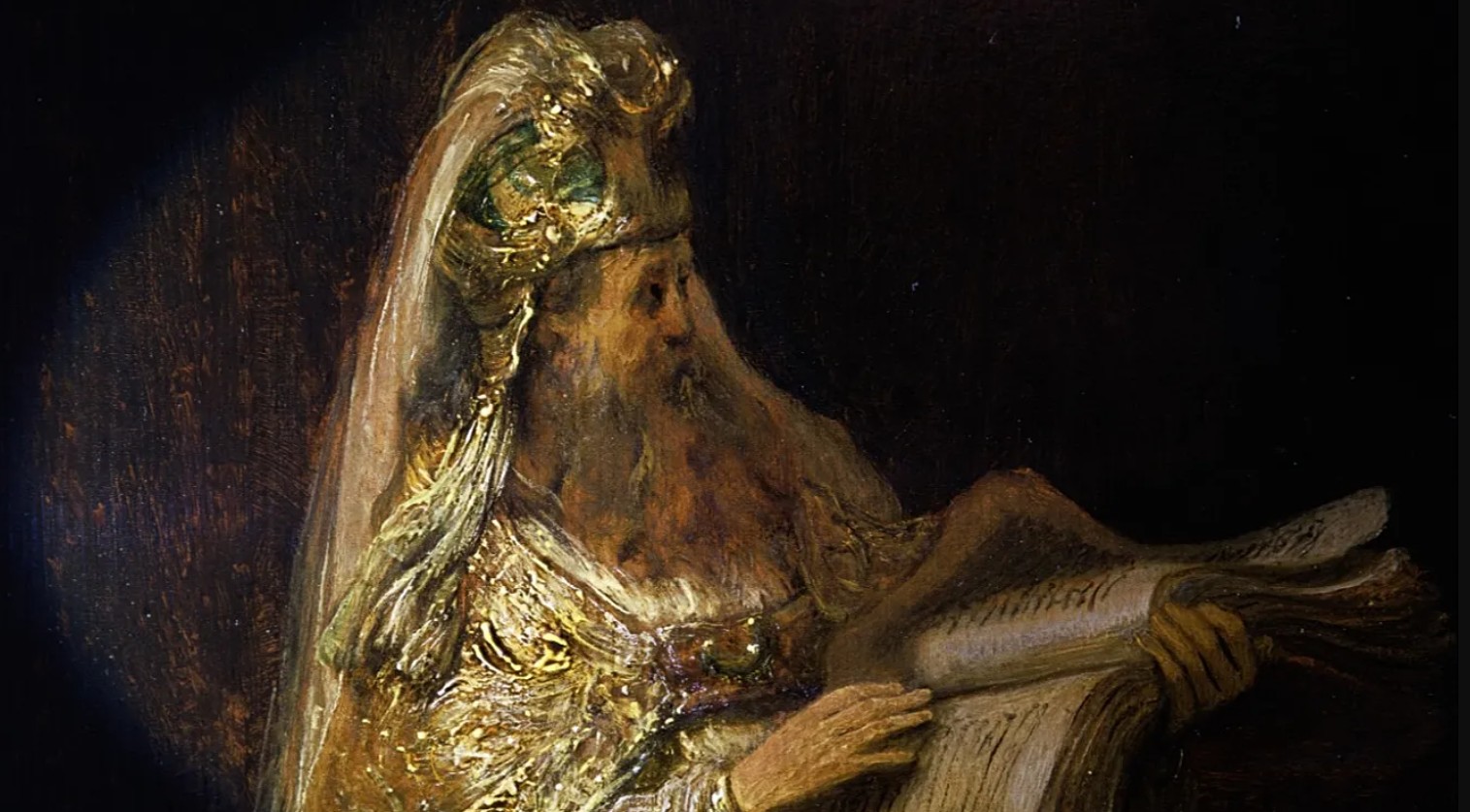
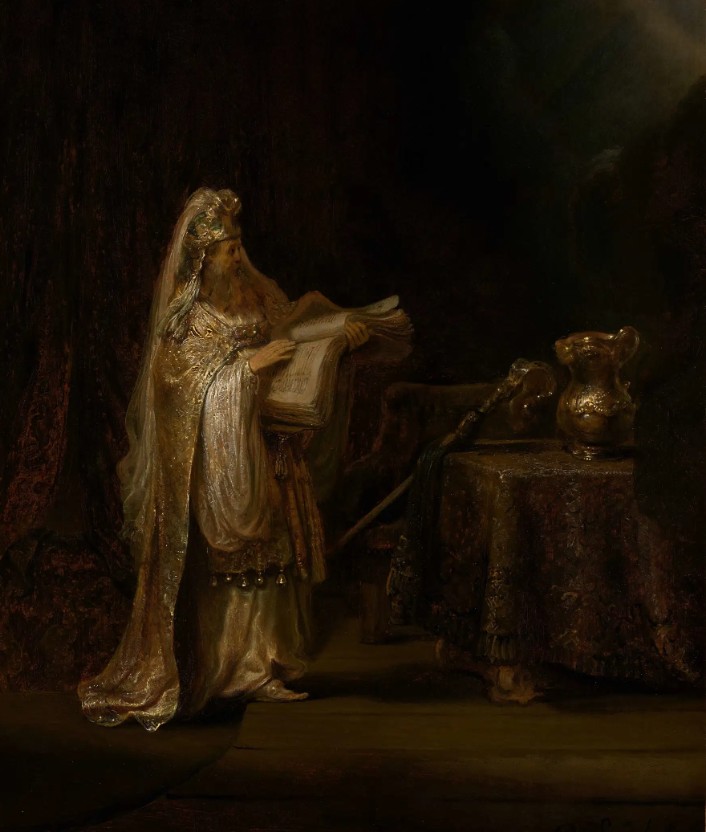
Un nuovo dipinto di Rembrandt van Rijn riemerge dopo 65 anni di silenzio. L’annuncio arriva dal Rijksmuseum di Amsterdam, che ha confermato l’autenticità dell’opera intitolata “Visione di Zaccaria nel Tempio”, datata 1633 e rimasta per decenni lontana dagli occhi del pubblico e degli studiosi.
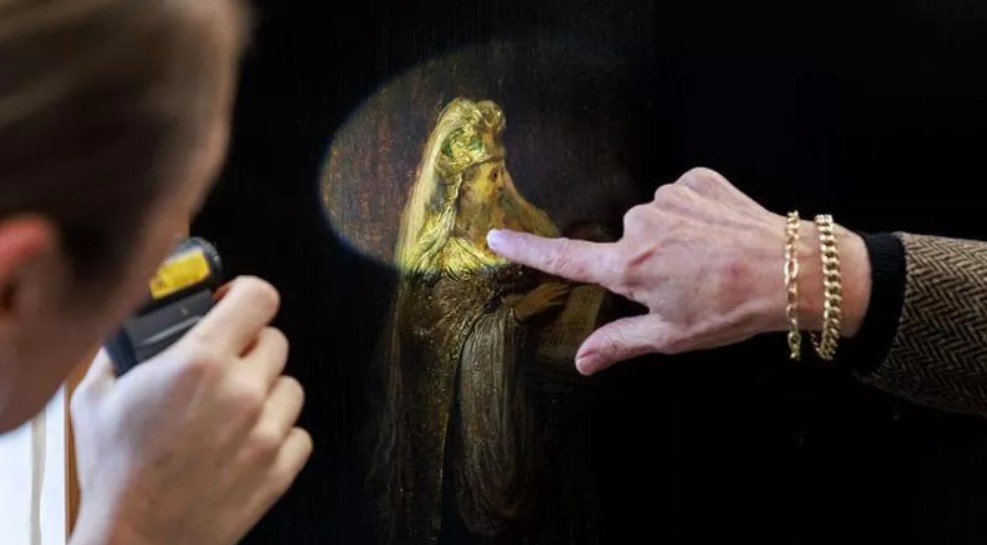
Il dipinto, consegnato al museo dal nuovo proprietario, è stato sottoposto a un’approfondita analisi durata due anni. Grazie a sofisticate tecnologie di scansione e a un esame stilistico e materico dettagliato, gli esperti hanno concluso che si tratta effettivamente di un’opera originale del maestro olandese del Secolo d’Oro.
L’opera scomparsa dal 1961: dove si trovava il dipinto
“Visione di Zaccaria nel Tempio” era scomparsa dalla circolazione pubblica nel 1961, quando un collezionista privato la acquistò. Da allora non se ne conosceva più l’ubicazione. Solo recentemente l’attuale proprietario ha deciso di contattare il Rijksmuseum, aprendo la strada a uno studio approfondito con strumenti diagnostici di ultima generazione.
Le indagini scientifiche hanno riguardato l’analisi dei pigmenti, la struttura degli strati pittorici e la tavola lignea. I colori utilizzati risultano coerenti con quelli impiegati da Rembrandt nei primi anni Trenta del Seicento. Anche la tecnica e la stratificazione sono comparabili con altre opere dello stesso periodo. Le scansioni hanno inoltre rivelato cambiamenti compositivi in corso d’opera, elemento tipico del processo creativo dell’artista e considerato una prova importante di autenticità.
La firma è stata giudicata originale, mentre l’analisi dendrocronologica del supporto ligneo ha confermato la compatibilità con la data 1633 riportata sul dipinto.
Cosa raffigura “Visione di Zaccaria nel Tempio”
Il dipinto rappresenta un episodio evangelico: l’Arcangelo Gabriele che annuncia al sacerdote Zaccaria la nascita di un figlio, Giovanni Battista.
In modo sorprendente, Gabriele non è visibile sulla tela. La sua presenza è suggerita da una luce intensa che irrompe nell’angolo superiore destro, soluzione narrativa che rivela la straordinaria capacità di Rembrandt di raccontare il sacro attraverso la luce e l’ombra.
È proprio questo uso drammatico della luce a rendere l’opera un esempio emblematico della poetica rembrandtiana. Come ha dichiarato il direttore del Rijksmuseum, Taco Dibbits, si tratta di “un bellissimo esempio del modo unico in cui Rembrandt racconta le storie”.
L’opera sarà esposta al pubblico a partire dal 4 marzo, in prestito a lungo termine al museo di Amsterdam.
Rembrandt e la Bibbia: una fonte inesauribile di ispirazione
La scoperta si inserisce nella vastissima produzione biblica di Rembrandt. Nato nel 1606 e morto nel 1669, l’artista ha realizzato tra i 60 e i 70 dipinti a soggetto biblico, oltre a centinaia di incisioni e disegni. Per lui la Bibbia non era soltanto un repertorio narrativo, ma una vera e propria lingua madre, uno strumento per esplificare i drammi interiori dell’essere umano.
Dagli anni giovanili a Leida fino alla maturità ad Amsterdam, la sua pittura evolve verso una maggiore introspezione. Il contatto diretto con la comunità ebraica della Amsterdam seicentesca contribuì a rendere i personaggi dell’Antico Testamento ancora più vivi e familiari nella sua arte.
Tra i capolavori più noti di questo filone figurano “Il sacrificio di Isacco”, “Sansone accecato dai Filistei” e “Betsabea al bagno”, opere che raccontano conflitti morali e momenti decisivi con un’intensità senza tempo.
Il Rijksmuseum e la collezione di Rembrandt
Il Rijksmuseum custodisce già oltre 20 dipinti di Rembrandt, decine di disegni e una collezione quasi completa delle sue incisioni. Tra le opere simbolo spicca La Ronda di notte, considerata uno dei massimi capolavori del Secolo d’Oro olandese.
Con l’arrivo in prestito a lungo termine di “Visione di Zaccaria nel Tempio”, la collezione si arricchisce ulteriormente, offrendo al pubblico e agli studiosi una nuova occasione per approfondire il linguaggio pittorico di uno dei più grandi maestri della storia dell’arte.
La riscoperta di un’opera perduta di Rembrandt rappresenta un tassello prezioso per comprendere meglio l’evoluzione artistica di un pittore che, a distanza di quasi quattro secoli, continua a sorprendere.
Per il momento il sempre vostro Michelangelo Buonarroti vi saluta dandovi appuntamento ai prossimi post e sui social.
A new Rembrandt painting has been discovered: the Rijksmuseum announces its authenticity
A new painting by Rembrandt van Rijn has resurfaced after 65 years of silence. The announcement comes from the Rijksmuseum in Amsterdam, which has confirmed the authenticity of the work entitled “The Vision of Zechariah in the Temple,” dated 1633 and hidden from the public and scholarly gaze for decades.
The painting, donated to the museum by its new owner, underwent an in-depth analysis lasting two years. Thanks to sophisticated scanning technologies and a detailed stylistic and material analysis, experts concluded that it is indeed an original work by the Dutch Golden Age master.
The work missing since 1961: where the painting was located
“The Vision of Zechariah in the Temple” disappeared from public view in 1961, when a private collector purchased it. Since then, its whereabouts have been unknown. Only recently did the current owner decide to contact the Rijksmuseum, paving the way for an in-depth study using state-of-the-art diagnostic tools.
The scientific investigations involved pigment analysis, the structure of the paint layers, and the wooden panel. The colors used are consistent with those employed by Rembrandt in the early 1630s. The technique and layering are also comparable to other works from the same period. Scans also revealed compositional changes during the painting, a typical element of the artist’s creative process and considered important evidence of authenticity.
The signature was deemed original, while dendrochronological analysis of the wooden support confirmed its compatibility with the 1633 date on the painting.
What does “Vision of Zechariah in the Temple” depict?
The painting depicts a Gospel episode: the Archangel Gabriel announcing to the priest Zechariah the birth of a son, John the Baptist.
Surprisingly, Gabriel is not visible on the canvas. Its presence is suggested by an intense light that bursts into the upper right corner, a narrative solution that reveals Rembrandt’s extraordinary ability to narrate the sacred through light and shadow.
It is precisely this dramatic use of light that makes the work an emblematic example of Rembrandt’s poetics. As Rijksmuseum Director Taco Dibbits stated, it is “a beautiful example of Rembrandt’s unique way of telling stories.”
The work will be on public display starting March 4th, on long-term loan to the Amsterdam museum.
Rembrandt and the Bible: an inexhaustible source of inspiration
The discovery is part of Rembrandt’s vast biblical oeuvre. Born in 1606 and died in 1669, the artist created between 60 and 70 paintings of biblical subjects, as well as hundreds of engravings and drawings. For him, the Bible was not merely a narrative repertoire, but a true mother tongue, a tool for expressing human inner dramas.
From his youth in Leiden to his maturity in Amsterdam, his painting evolved toward greater introspection. Direct contact with the Jewish community of 17th-century Amsterdam helped make the characters of the Old Testament even more vivid and familiar in his art.
Among the most famous masterpieces of this genre are “The Sacrifice of Isaac,” “Samson Blinded by the Philistines,” and “Bathsheba Bathing,” works that narrate moral conflicts and decisive moments with timeless intensity.
The Rijksmuseum and the Rembrandt Collection
The Rijksmuseum already houses over 20 paintings by Rembrandt, dozens of drawings, and a nearly complete collection of his engravings. Among his most iconic works is “The Night Watch,” considered one of the greatest masterpieces of the Dutch Golden Age.
With the arrival on long-term loan of “Vision of Zechariah in the Temple,” the collection is further enriched, offering the public and scholars a new opportunity to delve deeper into the pictorial language of one of the greatest masters in the history of art.
The rediscovery of a lost work by Rembrandt represents a valuable piece in our understanding of the artistic evolution of a painter who, almost four centuries later, continues to amaze.
For now, Michelangelo Buonarroti bids you farewell and invites you to join him in future posts and on social media.

Sostienici – Support Us
Se questo blog ti piace e ti appassiona, puoi aiutarci a farlo crescere sempre più sostenendoci in modo concreto condividendo i post, seguendo le pagine social e con un contributo che ci aiuta ad andare avanti con il nostro lavoro di divulgazione. . ENGLISH: If you like and are passionate about this blog, you can help us make it grow more and more by supporting us in a concrete way by sharing posts, following social pages and with a contribution that helps us to move forward with our dissemination work.
10,00 €
Articoli

Condividi:


Questo sono io





sostienici

Sostienici – Support Us
Se questo blog ti piace e ti appassiona, puoi aiutarci a farlo crescere sempre più sostenendoci in modo concreto condividendo i post, seguendo le pagine social e con un contributo che ci aiuta ad andare avanti con il nostro lavoro di divulgazione. . ENGLISH: If you like and are passionate about this blog, you can help us make it grow more and more by supporting us in a concrete way by sharing posts, following social pages and with a contribution that helps us to move forward with our dissemination work.
€10,00


