

15 febbraio 1564: la nascita di Galileo, lo scienziato che sfidò l’Inquisizione
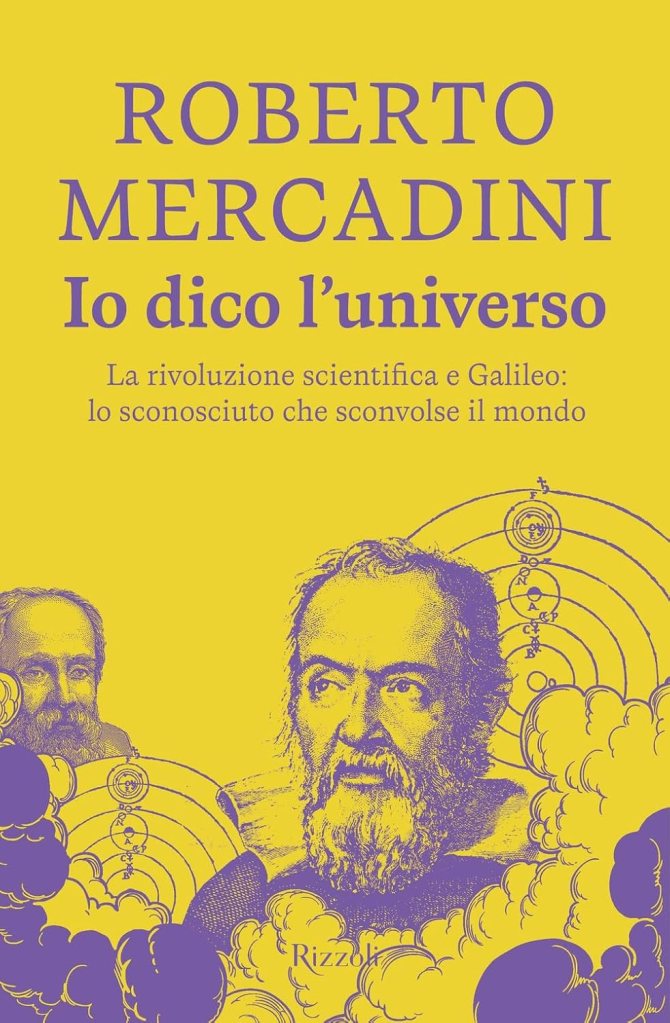
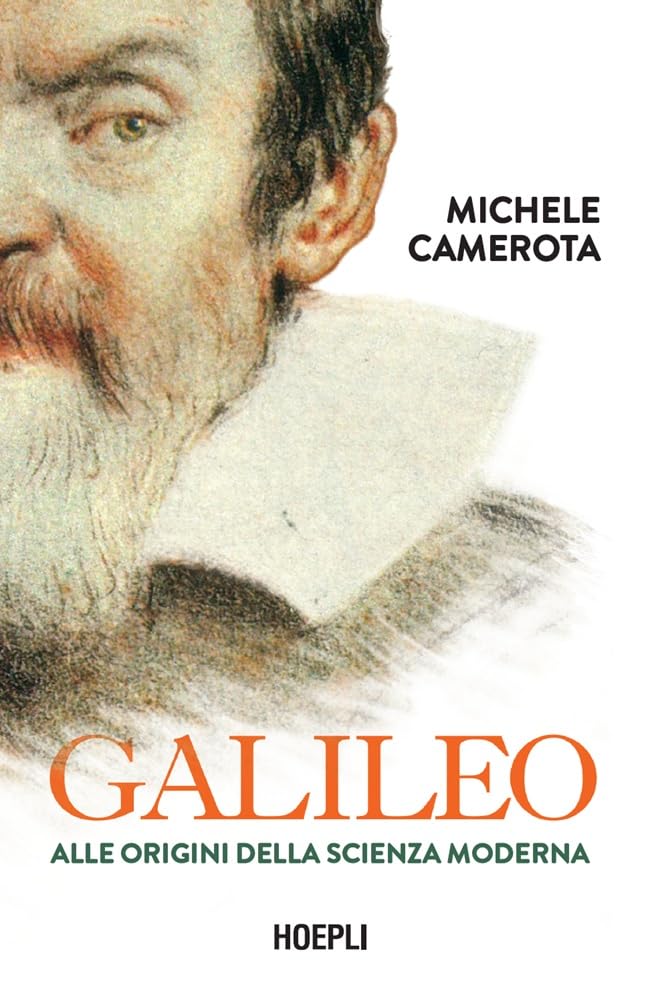
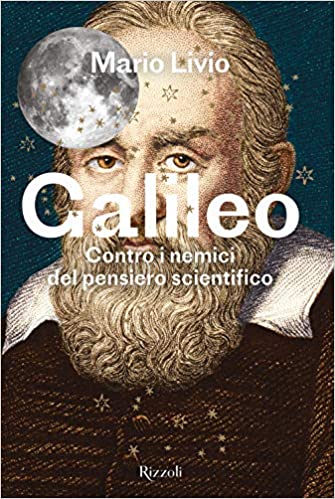
Il 15 febbraio del 1564, a Pisa, nacque uno degli uomini più importanti della storia della scienza: Galileo Galilei. Astronomo, fisico, matematico, filosofo e accademico, è considerato il padre della scienza moderna.
Le sue scoperte rivoluzionarono il modo di guardare l’universo, ma gli costarono un durissimo scontro con l’Inquisizione.
Dalla Toscana alle stelle
Galileo nacque nel Ducato di Firenze e fin da giovane mostrò un talento straordinario per la matematica e l’osservazione della natura. Dopo gli studi all’Università di Pisa e poi a Padova, si dedicò allo studio del moto, dell’astronomia e della meccanica.
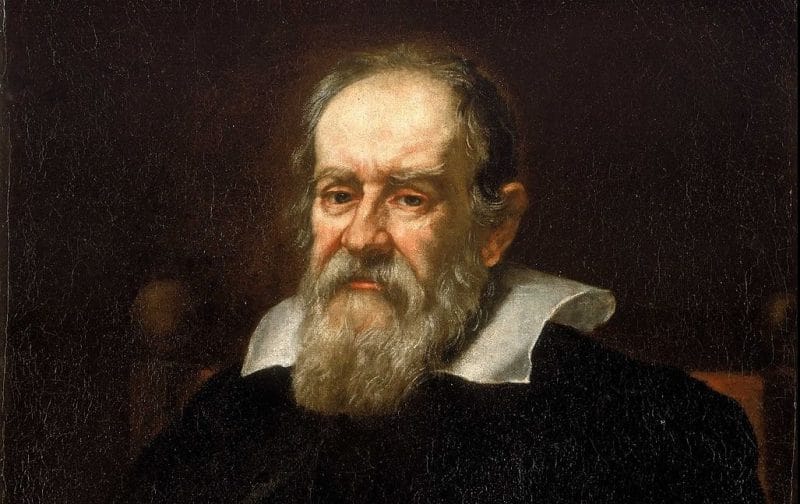
Con il suo cannocchiale perfezionato, osservò la Luna, le fasi di Venere e i satelliti di Giove, scoperte che mettevano in crisi il sistema aristotelico e geocentrico allora dominante.
Il processo e l’abiura
Nel 1632 pubblicò a Firenze il celebre Dialogo sopra i due massimi sistemi del mondo, un’opera che difendeva implicitamente il sistema copernicano. La reazione della Chiesa fu immediata: Galileo venne convocato dal Sant’Uffizio e nel 1633 fu processato a Roma.
Stremato e ormai anziano, il 22 giugno 1633, nella chiesa di Santa Maria sopra Minerva, fu costretto ad abiurare le sue teorie per evitare la condanna a morte. La leggenda vuole che, subito dopo, abbia sussurrato: «Eppur si muove».

Gli ultimi anni ad Arcetri
Dopo la condanna, Galileo trascorse gli ultimi anni agli arresti domiciliari nella sua villa di Villa Il Gioiello, sulle colline a sud di Firenze. Qui continuò a lavorare e a scrivere, nonostante la cecità e le difficoltà.
Morì nel 1642. Aveva espresso il desiderio di essere sepolto nella Basilica di Santa Croce, ma la Chiesa, ancora diffidente verso la sua figura, gli negò inizialmente un sepolcro monumentale. Solo nel 1736, per volontà del granduca Gian Gastone de’ Medici, le sue spoglie furono trasferite nella monumentale tomba che ancora oggi si trova all’interno della basilica, accanto a quelle della figlia Virginia e dell’allievo prediletto Vincenzo Viviani.
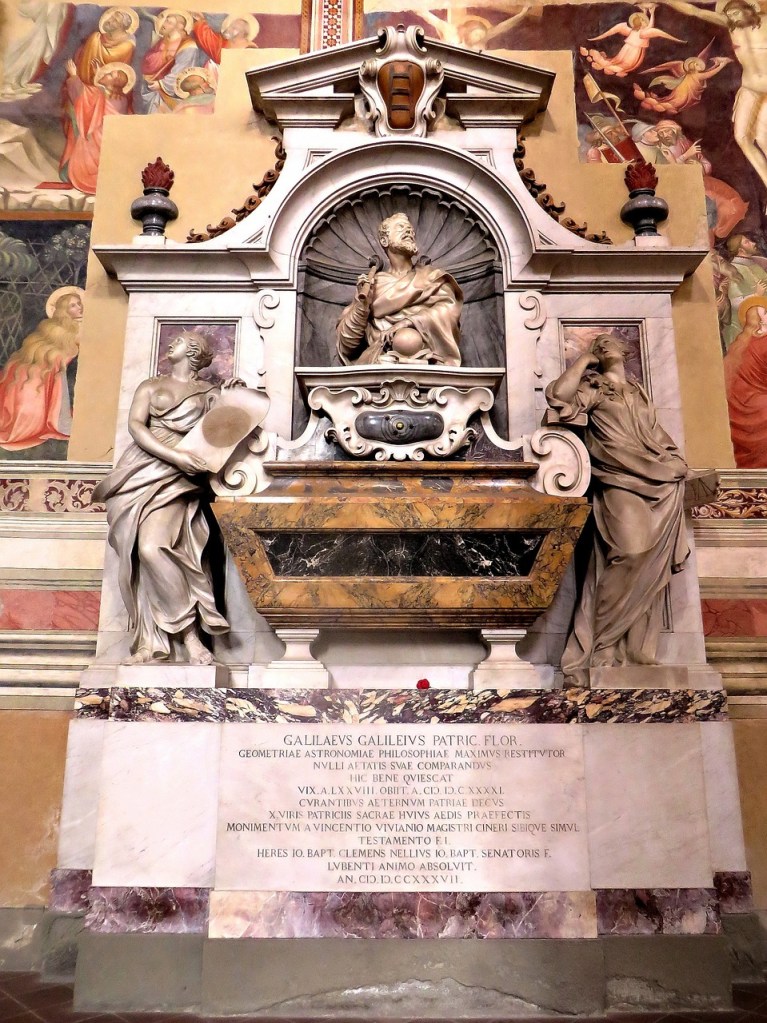
La Chiesa cattolica riabilitò ufficialmente Galileo solo nel 1992, durante il pontificato di Giovanni Paolo II, riconoscendo gli errori commessi nel processo.
L’amicizia tra Galileo e Artemisia Gentileschi
Tra gli aspetti meno noti della vita di Galileo c’è il rapporto di stima e amicizia con la grande pittrice barocca Artemisia Gentileschi. I due si conobbero a Firenze negli anni in cui l’artista lavorava alla corte medicea.
Galileo ammirava il talento e la determinazione di Artemisia, una delle prime donne a ottenere riconoscimenti nel mondo dell’arte. La pittrice, a sua volta, nutriva grande rispetto per lo scienziato e le sue ricerche. Entrambi facevano parte dell’ambiente culturale della corte dei Medici e dell’Accademia delle Arti del Disegno.
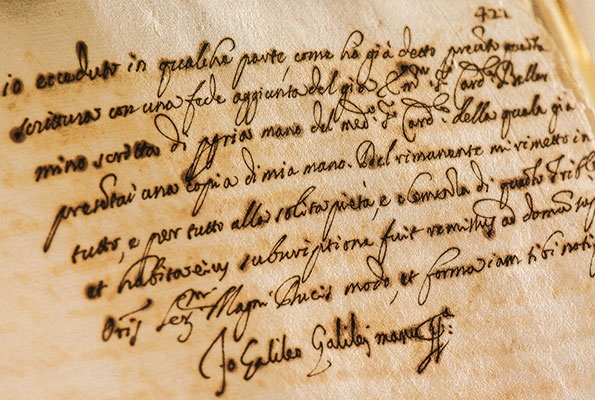
Sono conservate alcune lettere che testimoniano il loro rapporto: Galileo si interessava alla carriera dell’artista e ne sosteneva la reputazione, mentre Artemisia mostrava gratitudine per la sua protezione e la sua amicizia. Il loro legame rappresenta un raro esempio di dialogo tra arte e scienza nel Seicento italiano.
Il pensiero di Galileo
Nel Saggiatore, Galileo scriveva una delle frasi più celebri della storia della scienza:
«La filosofia è scritta in questo grandissimo libro che continuamente ci sta aperto innanzi a gli occhi… Egli è scritto in lingua matematica».
Una visione rivoluzionaria: la natura non va interpretata solo con l’autorità dei testi antichi, ma osservata e compresa attraverso la matematica e l’esperimento.
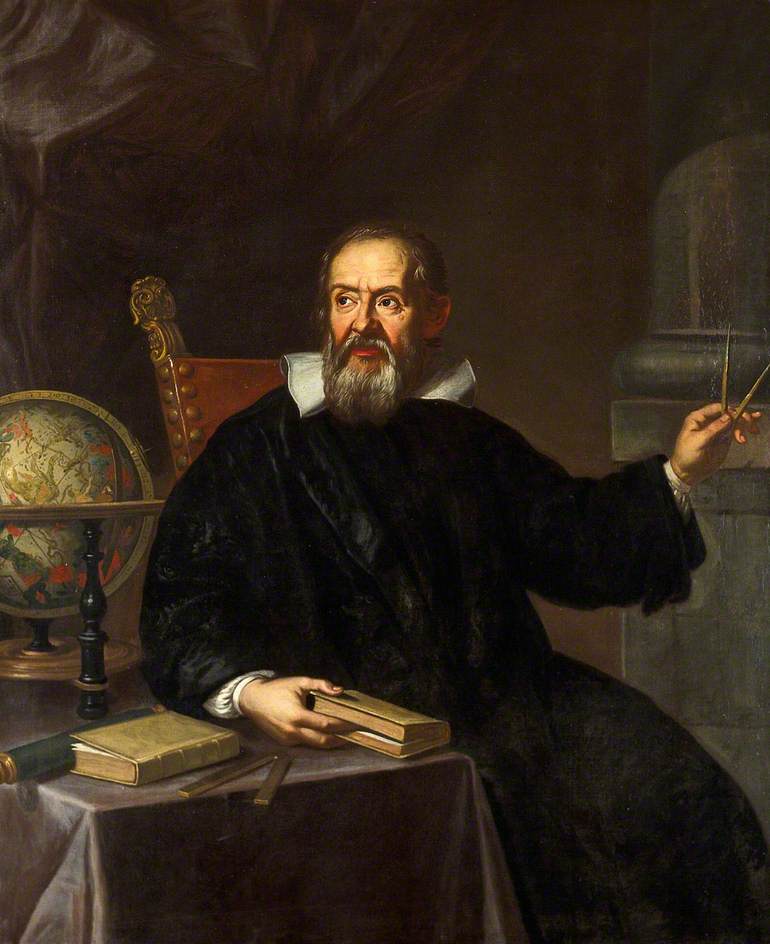
A oltre quattro secoli dalla nascita, Galileo resta uno dei simboli più potenti della libertà di pensiero e della ricerca scientifica. Il suo nome continua a rappresentare il coraggio di chi, osservando il cielo, osa cambiare il mondo.
Per il momento il sempre vostro Michelangelo Buonarroti vi saluta dandovi appuntamento ai prossimi post e sui social.

February 15, 1564: The Birth of Galileo, the Scientist Who Defied the Inquisition
On February 15, 1564, one of the most important men in the history of science was born in Pisa: Galileo Galilei. An astronomer, physicist, mathematician, philosopher, and academic, he is considered the father of modern science. His discoveries revolutionized the way we look at the universe, but they cost him a bitter clash with the Inquisition.
From Tuscany to the Stars
Galileo was born in the Duchy of Florence and from a young age showed an extraordinary talent for mathematics and the observation of nature. After studying at the University of Pisa and then Padua, he devoted himself to the study of motion, astronomy, and mechanics.
With his perfected telescope, he observed the Moon, the phases of Venus, and the satellites of Jupiter, discoveries that challenged the then-dominant Aristotelian and geocentric system.
The Trial and the Abjuration
In 1632, he published in Florence the famous Dialogue Concerning the Two Chief World Systems, a work that implicitly defended the Copernican system. The Church’s reaction was immediate: Galileo was summoned by the Holy Office and in 1633 he was put on trial in Rome.
Exhausted and elderly, on June 22, 1633, in the church of Santa Maria sopra Minerva, he was forced to abjure his theories to avoid the death sentence. Legend has it that, immediately afterward, he whispered: “And yet it moves.”
The Last Years in Arcetri
After his conviction, Galileo spent his last years under house arrest at his villa, Villa Il Gioiello, in the hills south of Florence. Here he continued to work and write, despite his blindness and difficulties.
He died in 1642. He had expressed a desire to be buried in the Basilica of Santa Croce, but the Church, still wary of his legacy, initially denied him a monumental tomb. Only in 1736, by order of Grand Duke Gian Gastone de’ Medici, were his remains transferred to the monumental tomb that still stands today inside the basilica, alongside those of his daughter Virginia and his favorite student Vincenzo Viviani.
The Catholic Church officially rehabilitated Galileo only in 1992, during the pontificate of John Paul II, acknowledging the errors committed in the process.
The Friendship Between Galileo and Artemisia Gentileschi
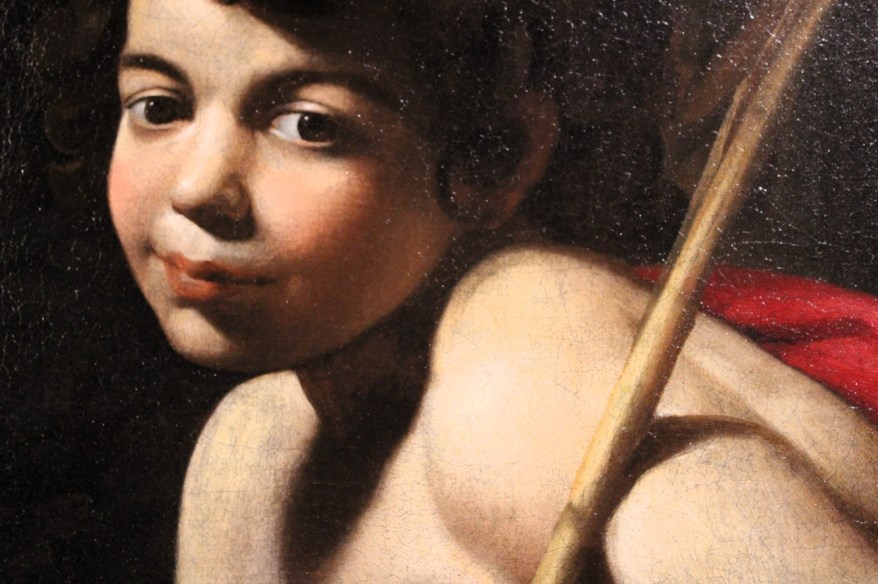
Among the lesser-known aspects of Galileo’s life is his relationship of esteem and friendship with the great Baroque painter Artemisia Gentileschi. The two met in Florence during the years when the artist worked at the Medici court.
Galileo admired the talent and determination of Artemisia, one of the first women to achieve recognition in the art world. The painter, in turn, had great respect for the scientist and his research. Both were part of the cultural circle of the Medici court and the Academy of the Arts of Drawing.
Some letters have survived that testify to their relationship: Galileo was interested in the artist’s career and supported his reputation, while Artemisia expressed gratitude for his protection and friendship. Their bond represents a rare example of dialogue between art and science in seventeenth-century Italy.
Galileo’s Thought
In “Il Saggiatore,” Galileo wrote one of the most famous quotes in the history of science:
“Philosophy is written in this great book that stands continually open before our eyes… It is written in the language of mathematics.”
A revolutionary vision: nature should not be interpreted solely with the authority of ancient texts, but observed and understood through mathematics and experiment.
More than four centuries after his birth, Galileo remains one of the most powerful symbols of freedom of thought and scientific research. His name continues to represent the courage of those who, by observing the heavens, dare to change the world.
For now, yours truly, Michelangelo Buonarroti bids you farewell, and we’ll see you in future posts and on social media.

Sostienici – Support Us
Se questo blog ti piace e ti appassiona, puoi aiutarci a farlo crescere sempre più sostenendoci in modo concreto condividendo i post, seguendo le pagine social e con un contributo che ci aiuta ad andare avanti con il nostro lavoro di divulgazione. . ENGLISH: If you like and are passionate about this blog, you can help us make it grow more and more by supporting us in a concrete way by sharing posts, following social pages and with a contribution that helps us to move forward with our dissemination work.
10,00 €
Condividi:


Questo sono io





sostienici

Sostienici – Support Us
Se questo blog ti piace e ti appassiona, puoi aiutarci a farlo crescere sempre più sostenendoci in modo concreto condividendo i post, seguendo le pagine social e con un contributo che ci aiuta ad andare avanti con il nostro lavoro di divulgazione. . ENGLISH: If you like and are passionate about this blog, you can help us make it grow more and more by supporting us in a concrete way by sharing posts, following social pages and with a contribution that helps us to move forward with our dissemination work.
€10,00


