
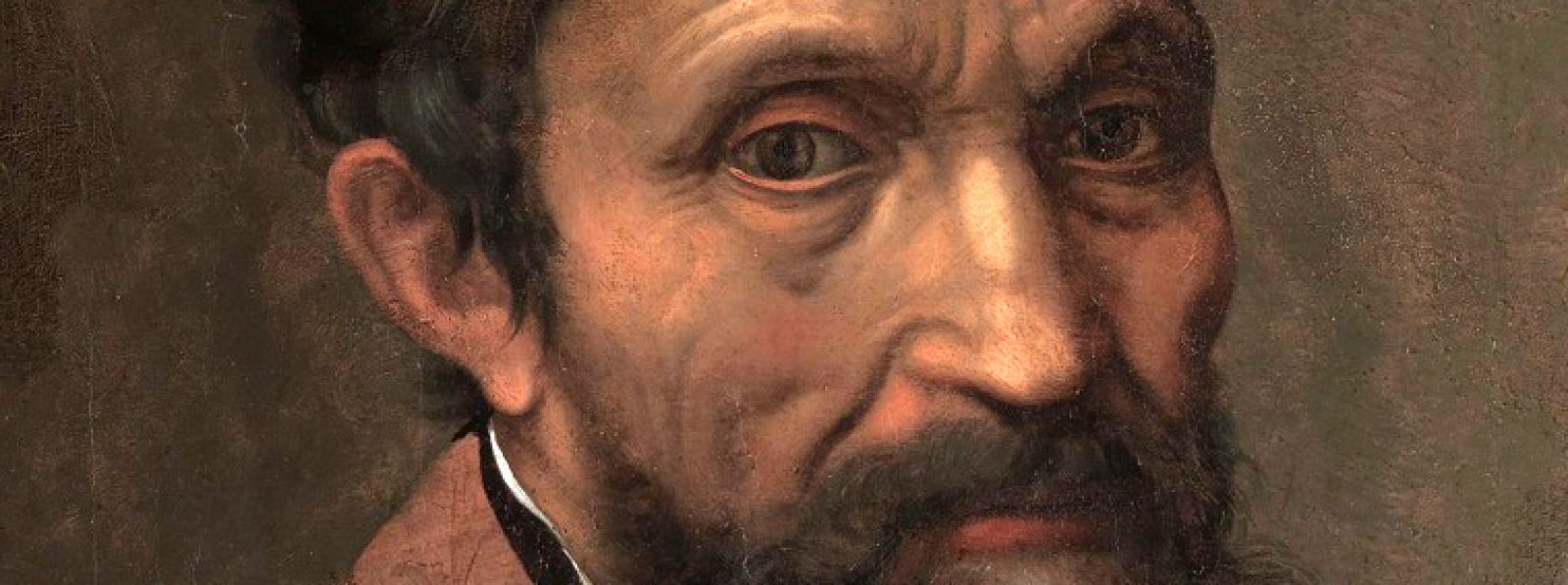
Capolavori perduti: le opere d’arte distrutte o scomparse che valevano milioni
Incendi, furti clamorosi, atti vandalici, guerre e incidenti apparentemente banali hanno cancellato dalla storia alcune delle opere più preziose mai realizzate. Non si tratta solo di tele e sculture, ma di simboli culturali il cui valore economico e storico era incalcolabile.
Alcuni capolavori sono stati distrutti per sempre, altri sono spariti senza lasciare traccia, alimentando misteri ancora irrisolti.
La Gioconda rubata: il furto più famoso della storia dell’arte
Nel 1911 il dipinto più celebre al mondo sparì dal Louvre nel modo più semplice e clamoroso possibile. Vincenzo Peruggia, di professione decoratore e stuccatore, varcò le soglie del museo chiuso al pubblico. Come tutti i lunedì non era infatti possibile accedere in qualità di visitatore al museo e lui si premurò di entrare dall’ingresso degli addetti ai lavori.
Uscì dall’edificio con la Gioconda nascosta sotto il cappotto. L’assenza dell’opera fu scoperta solo il giorno dopo, quando un copista notò il vuoto sulla parete.
Il furto provocò uno scandalo internazionale. Per due anni il dipinto restò nascosto nell’appartamento di Peruggia a Parigi, finché l’uomo tentò di venderlo a un antiquario fiorentino, sostenendo di voler “riportare l’opera in Italia”. Fu arrestato e la Gioconda tornò al Louvre, ma quell’episodio contribuì a trasformarla nell’icona mondiale che conosciamo oggi. Se fosse stata danneggiata o distrutta, la perdita sarebbe stata incalcolabile.

Il Vermeer del Gardner Museum: il colpo da mezzo miliardo
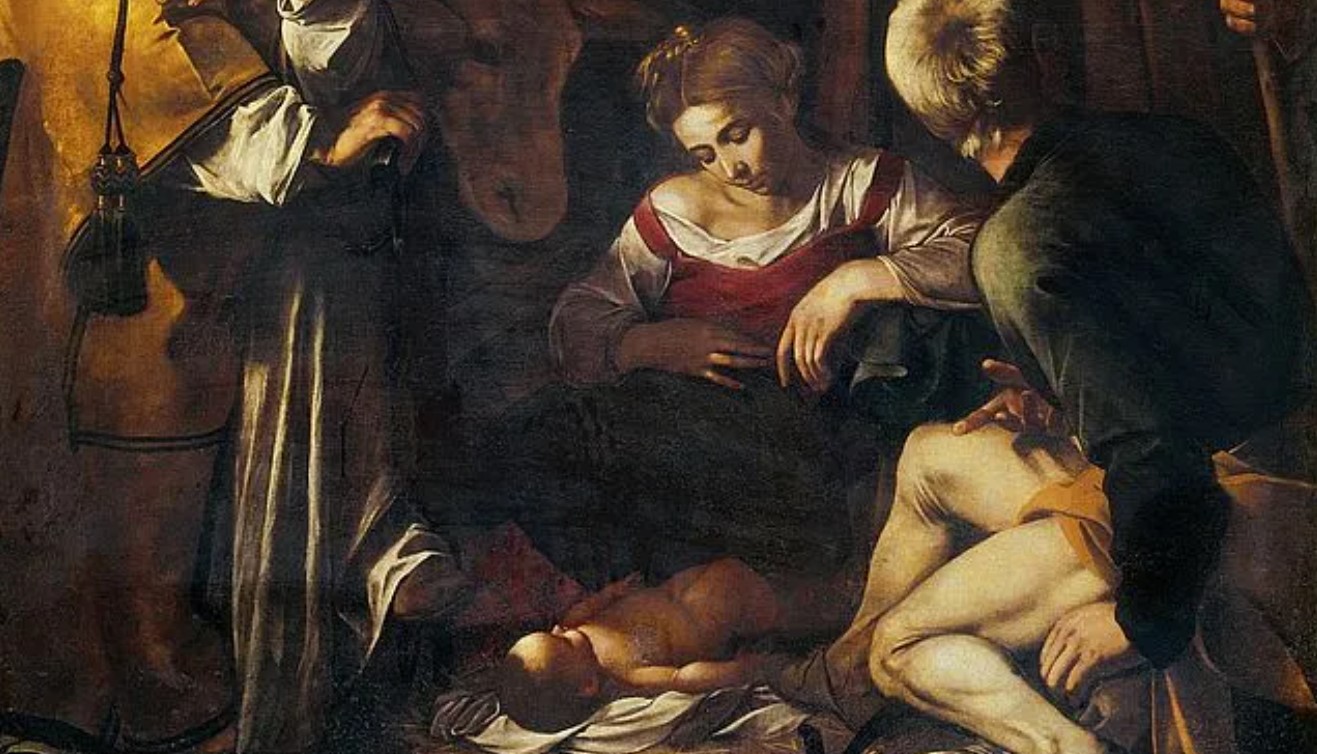
Nella notte del 18 marzo 1990 due uomini travestiti da poliziotti entrarono all’Isabella Stewart Gardner Museum di Boston. Convinti le guardie a farli entrare con la scusa di un controllo, le immobilizzarono e rimasero indisturbati per oltre un’ora. Uscirono con tredici opere, tra cui Il Concerto di Johannes Vermeer, uno dei dipinti più rari e preziosi dell’artista.
Il valore complessivo del furto è stato stimato in oltre 500 milioni di dollari, rendendolo il più grande furto d’arte della storia moderna.
Nonostante indagini durate decenni, nessuna opera è mai stata recuperata. Le cornici vuote esposte nel museo ricordano ancora oggi la perdita.
Il Caravaggio di Palermo: il mistero della mafia
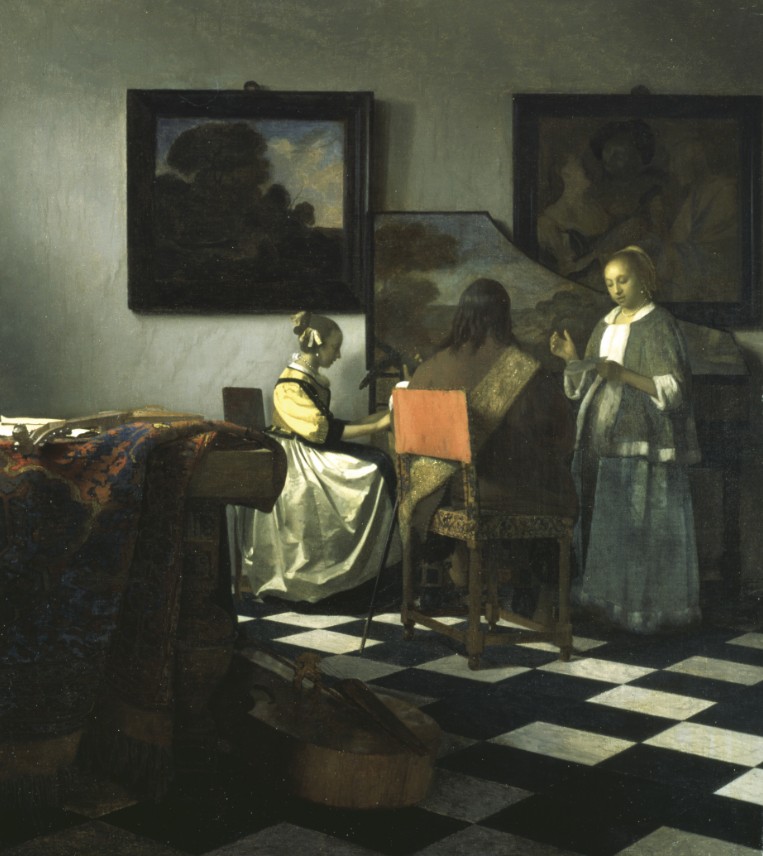
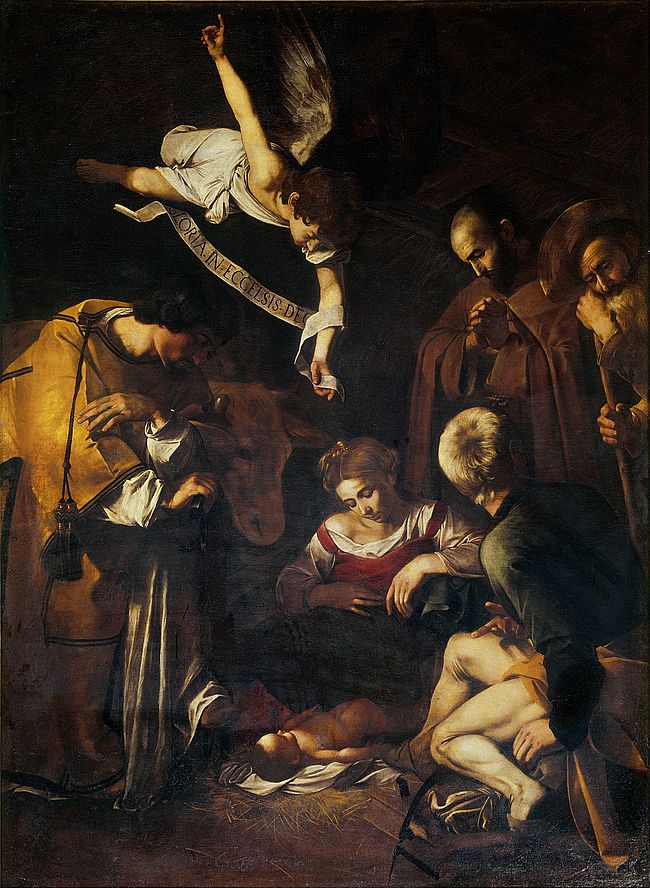
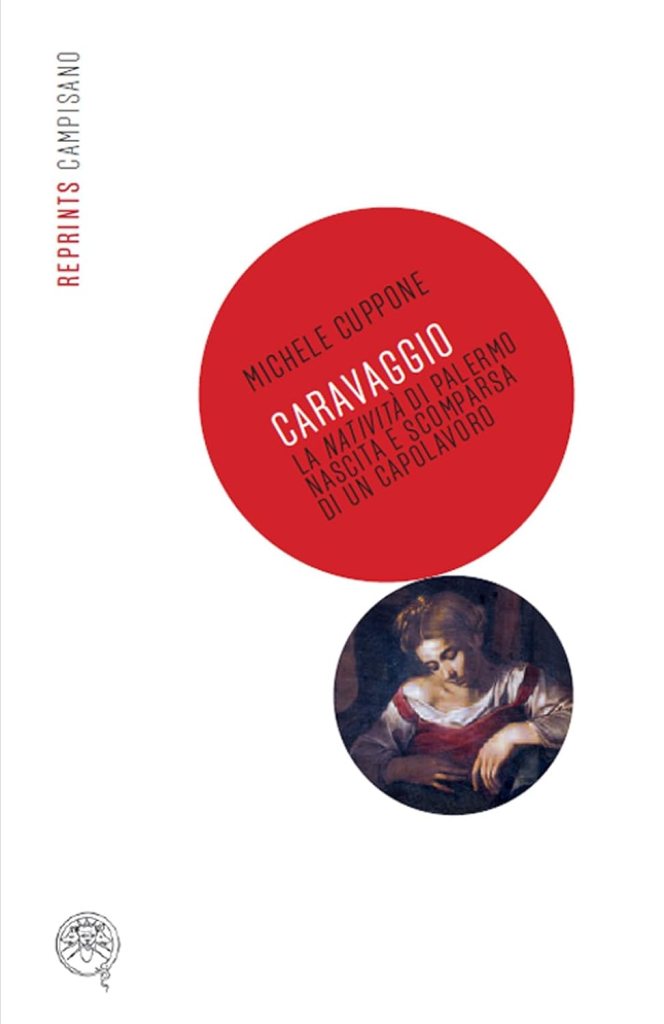
La Natività con i santi Lorenzo e Francesco d’Assisi di Caravaggio fu rubata nella notte tra il 17 e il 18 ottobre 1969 dall’Oratorio di San Lorenzo a Palermo. I ladri tagliarono la tela direttamente dalla cornice con una lama e la arrotolarono per portarla via.
Da allora il dipinto non è mai stato ritrovato. Diverse testimonianze di pentiti hanno suggerito che l’opera fosse stata trafugata dalla mafia e nascosta in casolari o depositi. Alcune versioni parlano di una tela lasciata in un fienile e distrutta da topi e maiali, altre di uno scambio fallito con trafficanti di droga o di un dipinto sepolto sotto le macerie di un terremoto.
Il furto del Caravaggio è ancora oggi inserito tra i crimini d’arte più gravi al mondo e rappresenta una ferita aperta per il patrimonio culturale italiano
L’Urlo di Munch: rubato due volte
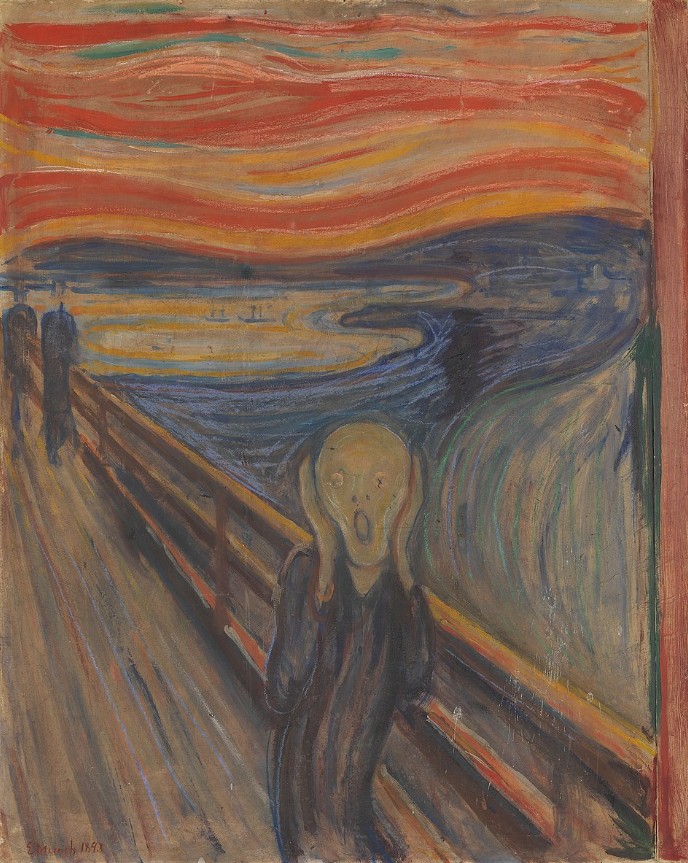
Una delle versioni più celebri de L’Urlo di Edvard Munch fu rubata nel 1994 dalla Galleria Nazionale di Oslo. I ladri entrarono da una finestra, staccarono il dipinto dalla parete e lasciarono un biglietto ironico: “Grazie per la scarsa sicurezza”. L’opera fu recuperata dopo pochi mesi.
Dieci anni dopo, nel 2004, un’altra versione fu sottratta con violenza dal Munch Museum durante l’orario di apertura. Due uomini armati entrarono, minacciarono i visitatori e portarono via il dipinto insieme alla Madonna dello stesso artista. Le opere furono ritrovate nel 2006, ma presentavano danni significativi causati dall’umidità e dalla cattiva conservazione.
Banksy e l’autodistruzione da record
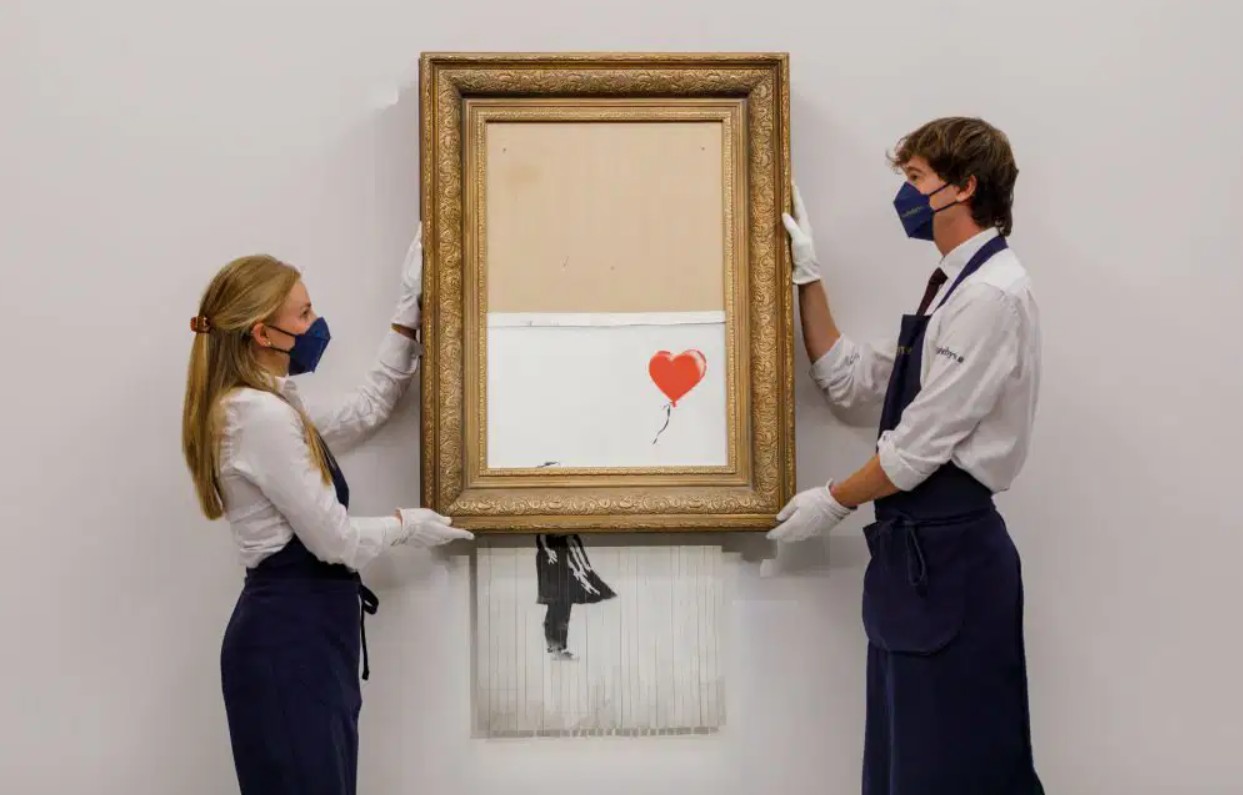
Nel 2018, durante un’asta da Sotheby’s a Londra, l’opera Girl with Balloon di Banksy fu battuta per oltre un milione di sterline. Subito dopo il colpo di martello, una lama nascosta nella cornice si attivò e l’opera iniziò ad autodistruggersi davanti al pubblico incredulo.
La tela rimase parzialmente triturata e fu ribattezzata Love is in the Bin. Invece di perdere valore, divenne una delle opere contemporanee più famose al mondo e nel 2021 fu rivenduta per oltre 18 milioni di sterline, trasformando un atto di distruzione in un clamoroso successo economico.
Capolavori scomparsi: quando la perdita diventa leggenda
La storia dell’arte è piena di opere scomparse, distrutte o rubate, ma proprio queste vicende contribuiscono a creare il mito che le circonda. Alcuni capolavori, come la Gioconda, sono sopravvissuti per pura fortuna. Altri, come il Caravaggio di Palermo o il Vermeer di Boston, continuano a vivere solo nelle fotografie e nelle ricostruzioni.
In molti casi il valore economico è secondario rispetto alla perdita culturale. Ogni opera scomparsa cancella una parte della memoria collettiva, trasformando un oggetto d’arte in una storia irrisolta che continua ad affascinare il pubblico di tutto il mondo.
Per il momento il sempre vostro Michelangelo Buonarroti vi saluta dandovi appuntamento ai prossimi post e sui social.
Lost Masterpieces: Destroyed or Missing Works of Art Worth Millions
Fires, sensational thefts, vandalism, wars, and seemingly trivial accidents have erased from history some of the most precious works ever created. These aren’t just paintings and sculptures, but cultural symbols whose economic and historical value was incalculable.
Some masterpieces were destroyed forever, others disappeared without a trace, fueling mysteries that remain unsolved.
The Stolen Mona Lisa: The Most Famous Theft in Art History
In 1911, the world’s most famous painting disappeared from the Louvre in the simplest and most sensational way possible. Vincenzo Peruggia, a decorator and plasterer by profession, entered the museum, which was closed to the public. Like every Monday, visitors were not allowed in, so he made sure to enter through the staff entrance.
He left the building with the Mona Lisa hidden under his coat. The work’s absence was discovered only the next day, when a copyist noticed the gap on the wall.
The theft caused an international scandal. For two years, the painting remained hidden in Peruggia’s Paris apartment, until he attempted to sell it to a Florentine antiques dealer, claiming he wanted to “bring the work back to Italy.” He was arrested, and the Mona Lisa returned to the Louvre, but that episode helped transform it into the global icon we know today. Had it been damaged or destroyed, the loss would have been incalculable.
The Gardner Museum’s Vermeer: The Half-Billion-Lire Heist
On the night of March 18, 1990, two men disguised as police officers entered the Isabella Stewart Gardner Museum in Boston. Convincing the guards to let them in under the pretense of a check, they restrained them and remained undisturbed for over an hour. They left with thirteen works, including Johannes Vermeer’s The Concert, one of the artist’s rarest and most valuable paintings.
The total value of the theft was estimated at over $500 million, making it the largest art theft in modern history. Despite decades-long investigations, no artwork has ever been recovered. The empty frames on display in the museum still serve as a reminder of the loss.
Palermo’s Caravaggio: The Mystery of the Mafia
Caravaggio’s Nativity with Saints Lawrence and Francis of Assisi was stolen on the night between October 17 and 18, 1969, from the Oratory of San Lorenzo in Palermo. The thieves cut the canvas directly from the frame with a blade and rolled it up to carry it away.
The painting has never been recovered since. Various testimonies from informants have suggested that the work was stolen by the Mafia and hidden in farmhouses or warehouses. Some versions speak of a canvas left in a barn and destroyed by rats and pigs, others of a failed exchange with drug traffickers, or of a painting buried under the rubble of an earthquake.
The theft of Caravaggio’s painting remains among the world’s most serious art crimes and represents an open wound to Italy’s cultural heritage.
Munch’s The Scream: Stolen Twice
One of the most famous versions of Edvard Munch’s The Scream was stolen in 1994 from the National Gallery in Oslo. The thieves entered through a window, removed the painting from the wall, and left a humorous note: “Thank you for the poor security.” The work was recovered a few months later.
Ten years later, in 2004, another version was violently stolen from the Munch Museum during opening hours. Two armed men entered, threatened visitors, and took away the painting along with the artist’s Madonna. The works were recovered in 2006, but had significant damage caused by humidity and poor conservation.
Banksy and Record-Breaking Self-Destruction
In 2018, at a Sotheby’s auction in London, Banksy’s “Girl with Balloon” sold for over a million pounds. Immediately after the hammer struck, a blade hidden in the frame activated, and the work began to self-destruct before the astonished audience.
The canvas was partially shredded and was renamed “Love is in the Bin.” Instead of losing value, it became one of the world’s most famous contemporary works, and in 2021 it was resold for over 18 million pounds, transforming an act of destruction into a resounding financial success.
Missing Masterpieces: When Loss Becomes Legend
The history of art is full of works that have disappeared, been destroyed, or been stolen, but these very events contribute to the myth surrounding them. Some masterpieces, like the Mona Lisa, have survived purely by luck. Others, like the Caravaggio in Palermo or the Vermeer in Boston, live on only in photographs and reconstructions.
In many cases, economic value is secondary to cultural loss. Each lost work erases a part of collective memory, transforming an art object into an unsolved story that continues to fascinate audiences worldwide.
For now, yours truly, Michelangelo Buonarroti bids you farewell, saying he’ll see you in future posts and on social media.

Sostienici – Support Us
Se questo blog ti piace e ti appassiona, puoi aiutarci a farlo crescere sempre più sostenendoci in modo concreto condividendo i post, seguendo le pagine social e con un contributo che ci aiuta ad andare avanti con il nostro lavoro di divulgazione. . ENGLISH: If you like and are passionate about this blog, you can help us make it grow more and more by supporting us in a concrete way by sharing posts, following social pages and with a contribution that helps us to move forward with our dissemination work.
10,00 €
Condividi:


Questo sono io





sostienici

Sostienici – Support Us
Se questo blog ti piace e ti appassiona, puoi aiutarci a farlo crescere sempre più sostenendoci in modo concreto condividendo i post, seguendo le pagine social e con un contributo che ci aiuta ad andare avanti con il nostro lavoro di divulgazione. . ENGLISH: If you like and are passionate about this blog, you can help us make it grow more and more by supporting us in a concrete way by sharing posts, following social pages and with a contribution that helps us to move forward with our dissemination work.
€10,00


