

Disegni miei nelle mani del Buontalenti
È nel silenzio di una bottega, tra carboncini consumati e fogli macchiati d’inchiostro, che nascono le idee. Poi escono di lì come prendessero vita propria. Viaggiano, cambiano mani e influenzano altri artisti che cominciano a creare cose nuove.
È un po’ quello che accadde a diversi disegni miei che finirono nella collezione di Bernardo Buontalenti, architetto e artista di corte dei Medici.
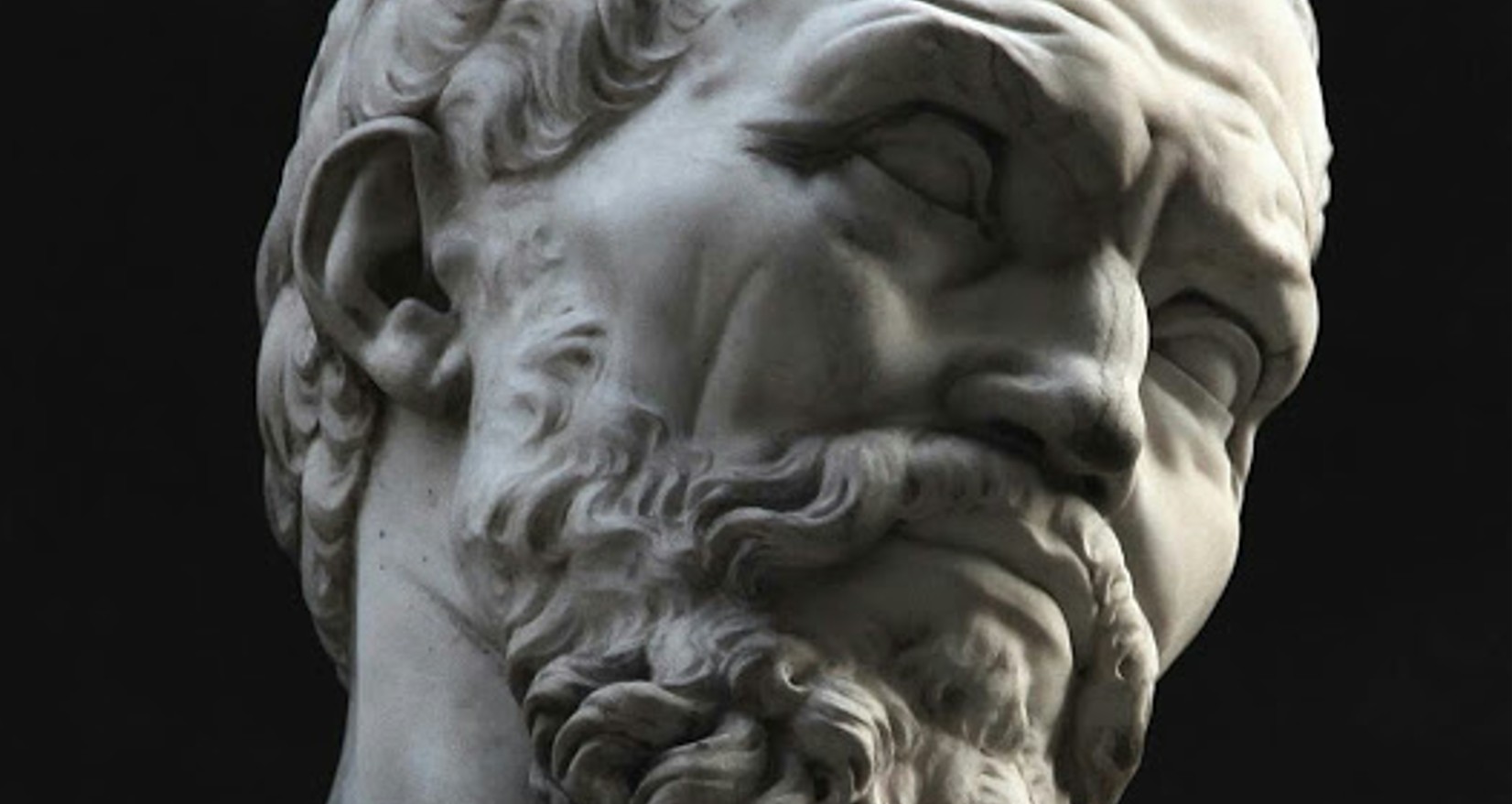
Studi di figure, anatomie, architetture, volti, pose ben studiate. Disegnavo per capire la forma, dominare lo spazio, raccontare emozioni. Alcuni di quei fogli passarono di mano, vennero copiati, studiati e talvolta conservati come reliquie anche quando ancora ero in vita. Tra coloro che li ebbero, come vi accennavo, fu anche Bernardo Buontalenti.
Non lo conobbi da giovane. Era della generazione successiva, cresciuto quando la mia fama già circolava nelle corti e nelle botteghe. Ma so che possedette alcuni miei disegni: fogli con figure, studi architettonici e perfino versi scritti sul margine.

I fogli con versi e figure
La carta era preziosa, costava e non se ne poteva sprecare molta. Cos’ spesso capitava che sullo stesso foglio annotassi versi, frammenti di sonetti o frasi che mi balenavano in mente. Parola e figura erano entrambi strumenti per scavare nell’animo umano, per guardarmi dentro.
Uno di questi fogli mostrava una figura femminile in piedi con un putto ai piedi. Sotto, i versi del poemetto ‘Tu ha’ ’l viso più dolce che la sapa…’.
Quel foglio in mano Bernardo poi lo ottenne il mio pronipote, Michelangelo il Giovane, che lo conservò tra le memorie di famiglia. A margine lui stesso annotò “Da disegni di Ms Bernardo Buonatalenti, oggi miei. Da un disegno a penna d’una femmina ritta con un putto a piedi oggi venutomi in mano e fatto mio”.

Un altro disegno, con studi collegati alla Battaglia di Cascina e alla Madonna di Bruges, recava sul verso il sonetto ‘Sol io ardendo allombra mi rimango…’ un tempo appartenne al Buontalenti.
Altri fogli ancora contenevano studi per le tombe della Sagrestia Nuova: figure, architetture, e accanto versi d’amore e riflessioni sull’anima.
Studi d’architettura e porte monumentali
Tra i disegni passati a Buontalenti c’era anche uno studio per una finestra destinata a Palazzo Farnese, poi ripensato per il Campidoglio. Sul fregio annotai un epitaffio ironico:
Chi non vuol delle foglie
non ci venga di maggio.
Anche questi fogli furono studiati a lungo, rielaborati, copiati, persino da Giacomo della Porta dopo la mia morte. Segno che il disegno, più della pietra, continua a vivere.
Sei fogli… o forse quaranta
I documenti certi parlano di almeno sei disegni miei passati nella raccolta del Buontalenti. Ma gli studiosi sospettano che potessero essere molti di più, forse una quarantina.
Alcuni si trovano oggi alla Casa Buonarroti, altri al Louvre, al British Museum, all’Ashmolean di Oxford. Studi di figure, fortificazioni, progetti per la Laurenziana: tutti fogli nati tra Firenze e Roma.
Bernardo non li possedeva solo per collezione. Li studiava. Li assimilava e li rielaborava.
Nelle sue pitture e architetture riconosco le mie torsioni, le mie ginocchia in primo piano, i panneggi monumentali, le figure costruite come architetture viventi.
Un suo piccolo dipinto con la Madonna, il Bambino, san Giovannino e un angelo mostra chiaramente come avesse studiato i miei fogli. Non uno in particolare, ma molti: combinati, trasformati e reinventati alla sua maniera.
Ogni mio disegno tra le sue mani si trasformava in una nuova fucina di idee. Un disegno non è mai solo un disegno. È un’idea in movimento. E le idee, una volta nate, non appartengono più a nessuno.
Per il momento il sempre vostro Michelangelo Buonarroti vi saluta dandovi appuntamento ai prossimi post e sui social.
My Drawings in the Hands of Buontalenti
It’s in the silence of a workshop, among worn charcoals and ink-stained sheets of paper, that ideas are born. Then they emerge as if taking on a life of their own. They travel, change hands, and influence other artists who begin to create new things.
This is similar to what happened to several of my drawings that ended up in the collection of Bernardo Buontalenti, architect and court artist of the Medici family.
Figure studies, anatomies, architecture, faces, carefully studied poses. I drew to understand form, master space, convey emotions. Some of those sheets changed hands, were copied, studied, and sometimes preserved as relics even during my lifetime. Among those who owned them, as I mentioned, was Bernardo Buontalenti.
I didn’t know him when I was young. He was from the next generation, grown up when my fame was already circulating in courts and workshops. But I know he owned some of my drawings: sheets with figures, architectural studies, and even verses written in the margins.
The sheets with verses and figures
Paper was precious, expensive, and one could not waste much of it. So it often happened that on the same sheet of paper I would jot down verses, fragments of sonnets, or phrases that flashed across my mind. Words and images were both tools for delving into the human soul, for looking within.
One of these sheets showed a standing female figure with a cherub at her feet. Below, the lines of the poem “You have the sweetest face that knows…”
The sheet Bernardo was later given to my great-nephew, Michelangelo the Younger, who kept it among the family mementos. In the margin, he himself wrote: “From drawings by Ms. Bernardo Buonatalenti, now mine. From a pen drawing of a standing woman with a cherub at her feet, which today came into my hands and became my own.”
Another drawing, with studies related to the Battle of Cascina and the Madonna of Bruges, bore on the verso the sonnet “Sol io ardendo all’ombra mi rimango…” (Only I burn in the shade remain…”) that once belonged to Buontalenti.
Still other sheets contained studies for the tombs in the New Sacristy: figures, architecture, alongside love poems and reflections on the soul.
Architectural Studies and Monumental Doors
Among the drawings passed to Buontalenti was a study for a window intended for the Palazzo Farnese, later reworked for the Capitoline Hill. On the frieze I wrote an ironic epitaph:
He who does not want leaves,
let him not come in May.
These sheets, too, were studied at length, reworked, copied, even by Giacomo della Porta after my death. A sign that the drawing, more than the stone, lives on.
Six sheets… or perhaps forty
Certain documents speak of at least six of my drawings entering Buontalenti’s collection. But scholars suspect there could have been many more, perhaps around forty.
Some are now in the Casa Buonarroti, others in the Louvre, the British Museum, and the Ashmolean in Oxford. Figure studies, fortifications, projects for the Laurentian Library: all sheets created between Florence and Rome.
Bernardo didn’t just own them as a collection. He studied them. He assimilated them and reworked them.
In his paintings and architecture, I recognize my twists, my knees in the foreground, the monumental draperies, the figures constructed like living architecture.
A small painting of his with the Madonna, Child, the Infant Saint John, and an angel clearly shows how he had studied my sheets. Not one in particular, but many: combined, transformed, and reinvented in his own way.
Every drawing of mine in his hands transformed into a new hotbed of ideas. A drawing is never just a drawing. It is an idea in motion. And ideas, once born, no longer belong to anyone.
For now, yours truly, Michelangelo Buonarroti, bids farewell and invites you to join him in future posts and on social media.

Sostienici – Support Us
Se questo blog ti piace e ti appassiona, puoi aiutarci a farlo crescere sempre più sostenendoci in modo concreto condividendo i post, seguendo le pagine social e con un contributo che ci aiuta ad andare avanti con il nostro lavoro di divulgazione. . ENGLISH: If you like and are passionate about this blog, you can help us make it grow more and more by supporting us in a concrete way by sharing posts, following social pages and with a contribution that helps us to move forward with our dissemination work.
10,00 €
Articoli
Condividi:


Questo sono io





sostienici

Sostienici – Support Us
Se questo blog ti piace e ti appassiona, puoi aiutarci a farlo crescere sempre più sostenendoci in modo concreto condividendo i post, seguendo le pagine social e con un contributo che ci aiuta ad andare avanti con il nostro lavoro di divulgazione. . ENGLISH: If you like and are passionate about this blog, you can help us make it grow more and more by supporting us in a concrete way by sharing posts, following social pages and with a contribution that helps us to move forward with our dissemination work.
€10,00


