

Il mio primo sonetto scritto nel 1503 sul retro di un disegno per il Duomo di Firenze
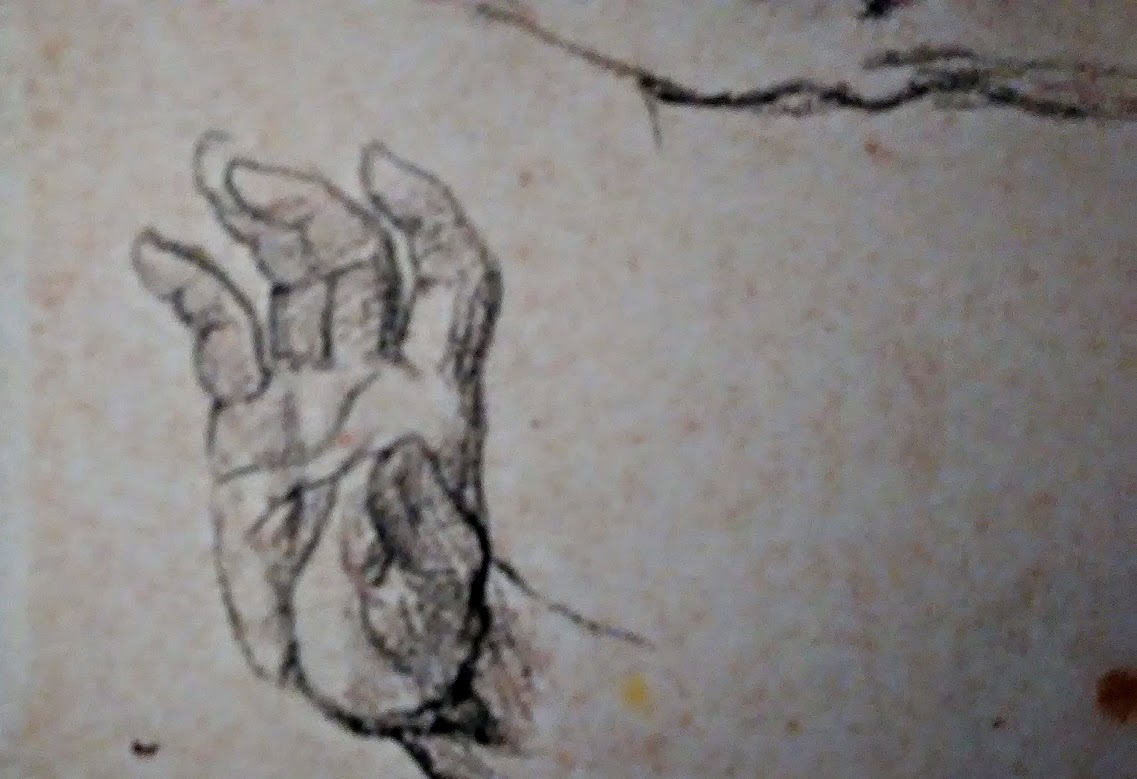
Scartabellando fra le mie carte ritrovo versi che scrissi secoli or sono, assai giovane, sul verso dello stesso foglio che mi vide tracciare il disegno di un apostolo.
Probabilmente era San Matteo, lo stesso che in quegli anni stavo realizzando per l’Opera del Duomo di Firenze. Era il 1503.
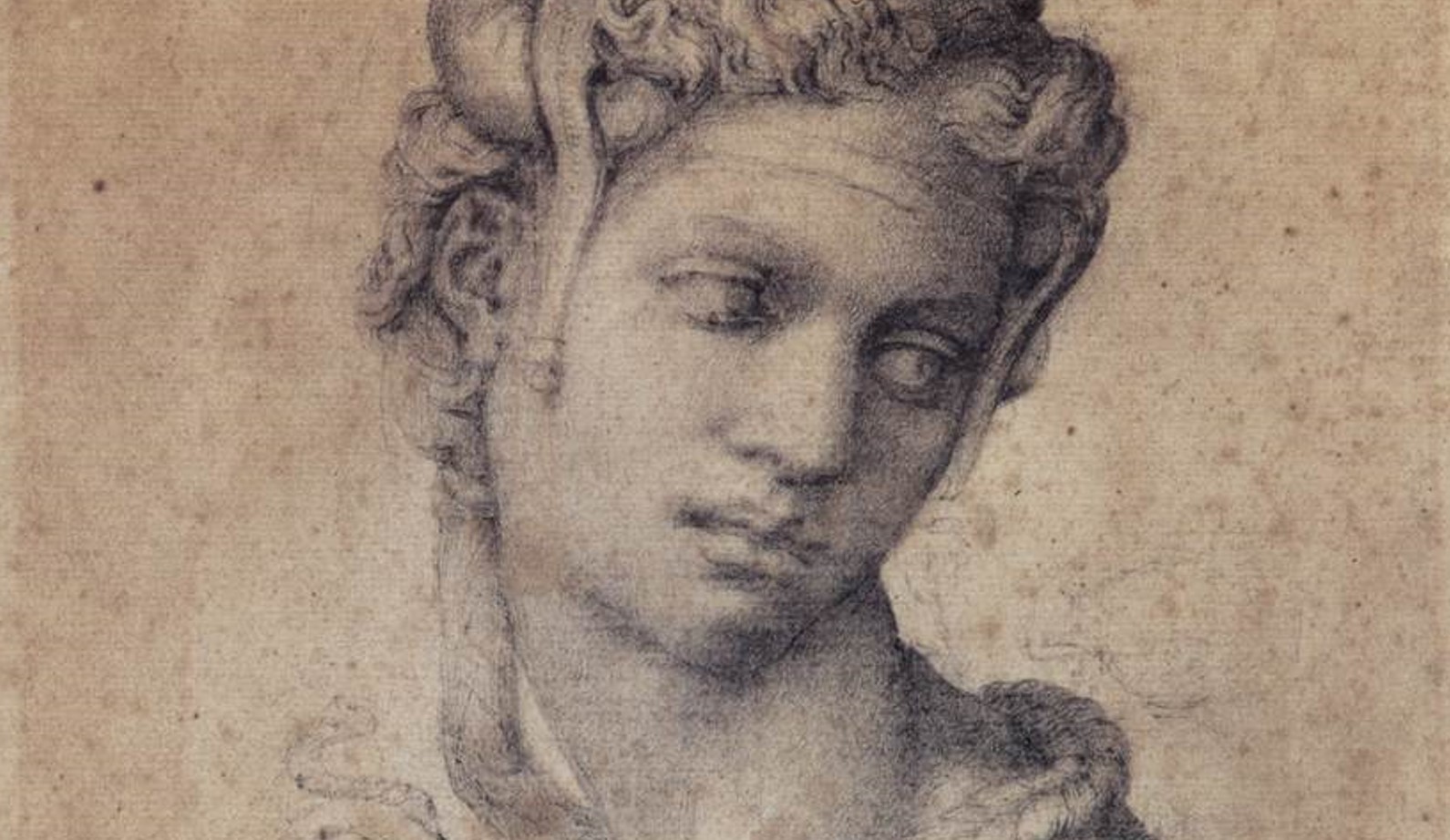
La grafia incerta e rapida, ancora acerba, rivela i miei anni. Quella manciata di versi oggi viene considerata come il primo sonetto che scrissi giunto fino a voi.
In quei sei versi misi nero su bianco quello che già sentivo con forza: la fragilità di ogni felicità umana. Molti uomini, per anni si sono creduti felici, in un solo istante si ritrovano a piangere e a lamentarsi. La gioia e la serenità, anche quando sembrano stabili, possono rovesciarsi in un istante. Niente è per sempre.
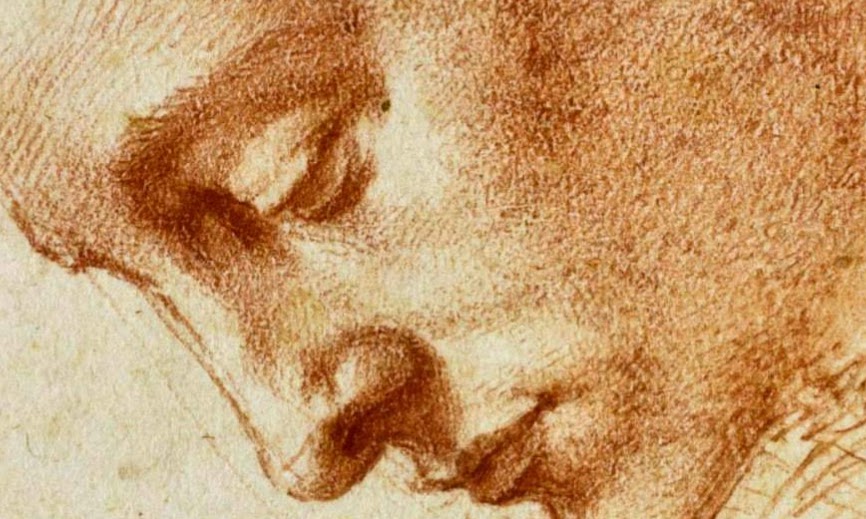
Taluni si innalzano sugli altri grazie a una stirpe illustre o a una fama antica, brillando agli occhi del mondo, ma può capitare che nello spazio di un momento, possano oscurarsi e perdere tutto ciò che li faceva splendere.
La fortuna è una forza mobile e incostante. Cambia senza preavviso. Nulla, sotto il sole, è così saldo da resistere al tempo.
Ogni cosa che si muove, ogni creatura vivente, ogni gloria terrena è destinata a essere vinta dalla morte e trasformata dal mutamento. È una legge che non risparmia nessuno, né l’uomo umile né colui che crede di essere al sicuro grazie al nome, alla ricchezza o all’onore.
Ho sempre avuto la consapevolezza che l’arte, come l’esistenza, nasca sotto il segno del tempo che passa e della fortuna che gira.
A seguire vi riporto i versi integrali
Molti anni fassi qual felice, in una
brevissima ora si lamenta e dole;
o per famosa o per antica prole
altri s’inlustra, e ’n un momento imbruna.
Cosa mobil non è che sotto el sole
non vinca morte e cangi la fortuna.
Per il momento il sempre vostro Michelangelo Buonarroti vi saluta dandovi appuntamento ai prossimi post e sui social.
My first sonnet, written in 1503, on the back of a drawing for the Florence Cathedral
Surveying through my papers, I find verses I wrote centuries ago, very young, on the back of the same sheet of paper that saw me sketch an apostle.
It was probably Saint Matthew, the same one I was creating in those years for the Opera del Duomo in Florence. It was 1503.
The uncertain and rapid handwriting, still immature, reveals my age. That handful of verses is now considered the first sonnet I wrote that has reached you.
In those six verses, I put down on paper what I already felt strongly: the fragility of all human happiness. Many men, who for years have believed themselves happy, in a single instant find themselves weeping and lamenting. Joy and serenity, even when they seem stable, can be overturned in an instant. Nothing lasts forever.
Some rise above others thanks to an illustrious lineage or ancient fame, shining in the eyes of the world, but it can happen that in the space of a moment, they can darken and lose everything that made them shine.
Fortune is a shifting and fickle force. It changes without warning. Nothing under the sun is firm enough to withstand time.
Everything that moves, every living creature, every earthly glory is destined to be conquered by death and transformed by change. It is a law that spares no one, neither the humble man nor those who believe themselves secure thanks to name, wealth, or honor.
I have always been aware that art, like existence, is born under the sign of the passing of time and the changing of fortune.
The following are the full verses.
Molti anni fassi qual felice, in una
brevissima ora si lamenta e dole;
o per famosa o per antica prole
altri s’inlustra, e ’n un momento imbruna.
Cosa mobil non è che sotto el sole
non vinca morte e cangi la fortuna.
For now, yours truly, Michelangelo Buonarroti bids you farewell and invites you to join him in future posts and on social media.

Sostienici – Support Us
Se questo blog ti piace e ti appassiona, puoi aiutarci a farlo crescere sempre più sostenendoci in modo concreto condividendo i post, seguendo le pagine social e con un contributo che ci aiuta ad andare avanti con il nostro lavoro di divulgazione. . ENGLISH: If you like and are passionate about this blog, you can help us make it grow more and more by supporting us in a concrete way by sharing posts, following social pages and with a contribution that helps us to move forward with our dissemination work.
10,00 €
Condividi:


Questo sono io





sostienici

Sostienici – Support Us
Se questo blog ti piace e ti appassiona, puoi aiutarci a farlo crescere sempre più sostenendoci in modo concreto condividendo i post, seguendo le pagine social e con un contributo che ci aiuta ad andare avanti con il nostro lavoro di divulgazione. . ENGLISH: If you like and are passionate about this blog, you can help us make it grow more and more by supporting us in a concrete way by sharing posts, following social pages and with a contribution that helps us to move forward with our dissemination work.
€10,00


