
7 dicembre: il Sant’Ambrogio di Stomer
Il 7 dicembre la chiesa cattolica ricorda Sant’Ambrogio, vescovo di Milano e dottore della chiesa.
Al Musée des Beaux-Arts di Rennes è conservato un dipinto straordinario di questo Santo, realizzato da Matthias Stomer, pittore fiammingo attivo tra la fine del XVI e la metà del XVII secolo che mette assieme l’utilizzo del colore tipico di Caravaggio e l’attenzione al dettaglio fiamminga.

L’artista e il suo contesto
Matthias Stomer, o Stom che dir si voglia, nacque nel 1589 ad Amersfoort, nei Paesi Bassi. Sebbene si formò artisticamente nel suo paese, trascorse gran parte della sua vita in Italia, dove ebbe modo di apprezzare e studiare i capolavoro di Caravaggio.
Stomer nel corso della carriera preferì concentrarsi nella realizzazione di soggetti religiosi, dando particolare importanza al volto umano come centro emotivo della composizione. I protagonisti delle sue opere non hanno visi idealizzati ma sono ritratti reali e sembra che i suoi personaggi possano iniziare a muoversi e parlare da un momento all’altro.
Il ritratto di Sant’Ambrogio
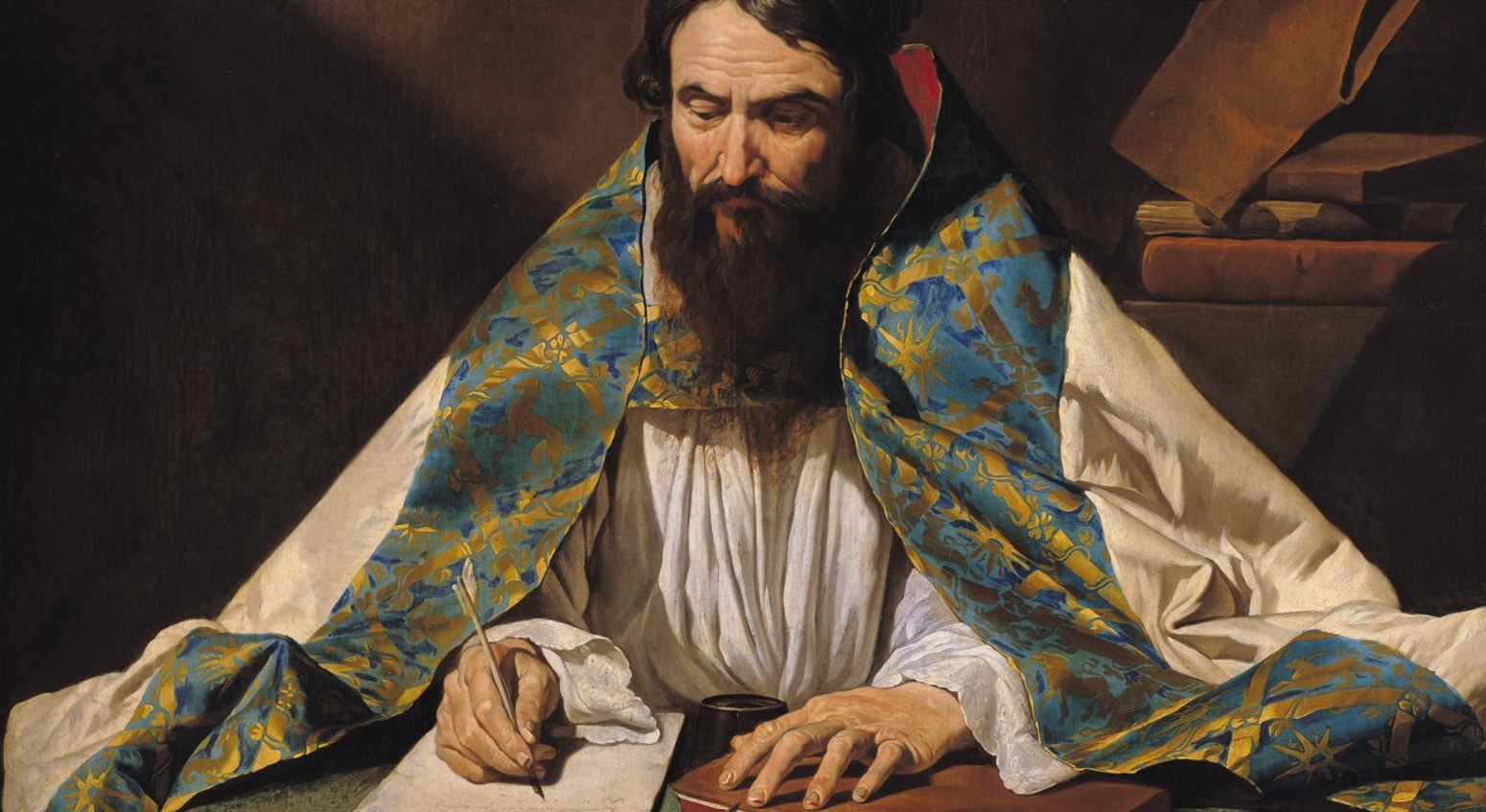
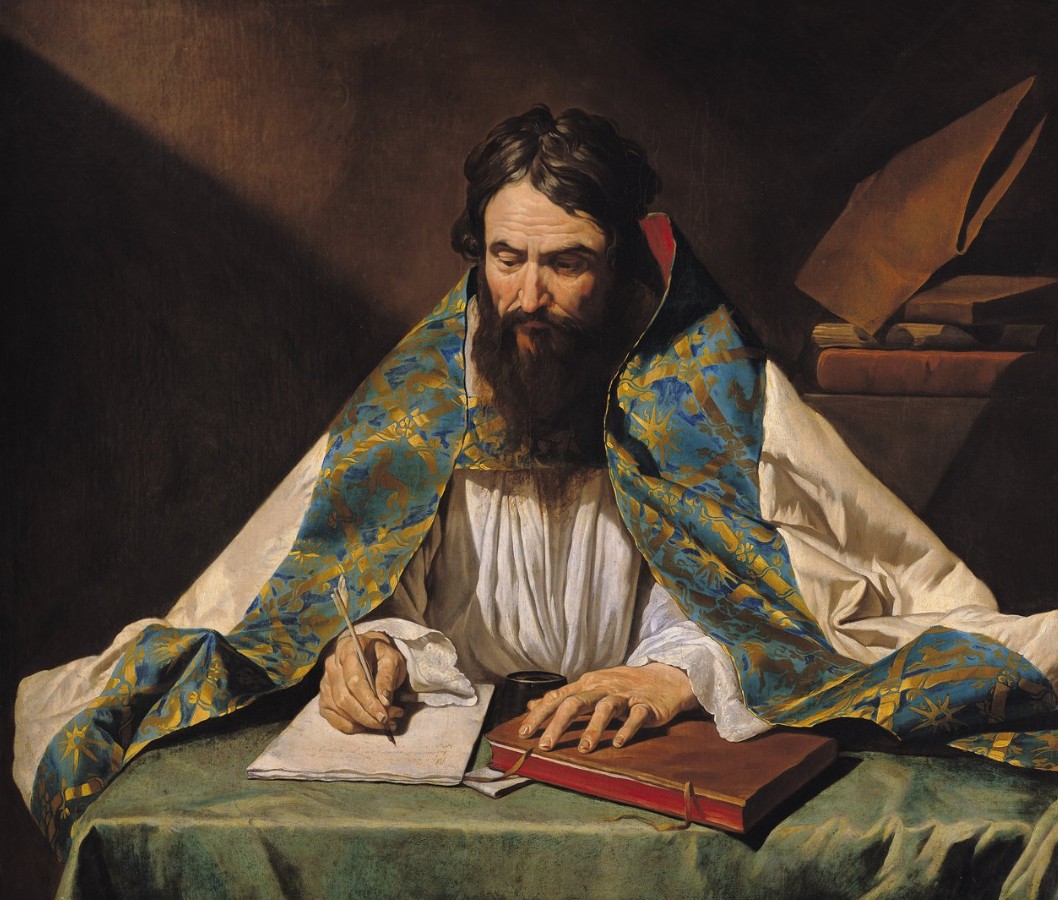
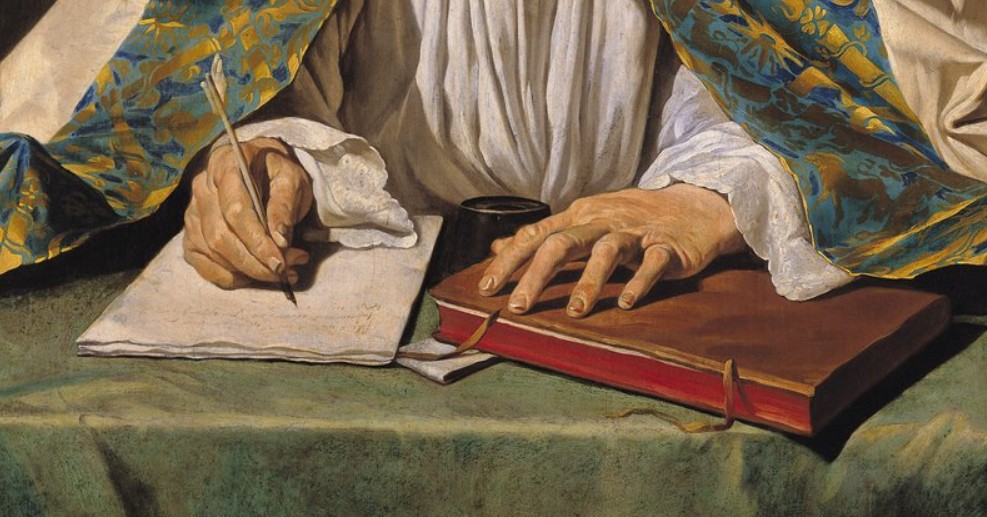
Il dipinto raffigura Sant’Ambrogio in meditazione. Ha una barba folta, il viso segnato da espressione intensa e lo sguardo rivolto verso ciò che sta scrivendo sul foglio dinanzi a lui. Quello che si percepisce osservando l’opera è la saggezza di Sant’Ambrogio e la sua fermezza nella fede. La luce cade dall’alto e modella lineamenti e panneggi, isolando la figura dal fondo scuro con un magnifico effetto teatrale.
Il dipinto riesce a trasmette un senso di introspezione e calma interiore. Stomer rappresenta Sant’Ambrogio in qualità di testimone di una fede profonda e di un’autorità morale consolidata.
Un ponte tra culture artistiche
Il ritratto di Sant’Ambrogio è anche un esempio di scambio culturale tra Nord Europa e Italia nel Seicento. Stomer, attraverso la sua esperienza in Italia, assimila la lezione di Caravaggio, traducendola in un linguaggio pittorico che riesce a parlare sia alla tradizione fiamminga sia all’estetica italiana. Il risultato è un ritratto che comunica autorità, spiritualità e introspezione con straordinaria immediatezza.
Per il momento il sempre vostro Michelangelo Buonarroti vi saluta dandovi appuntamento ai prossimi post e sui social.
December 7: Stomer’s Saint Ambrose
On December 7, the Catholic Church commemorates Saint Ambrose, Bishop of Milan and Doctor of the Church. The Musée des Beaux-Arts in Rennes houses an extraordinary painting of this saint by Matthias Stomer, a Flemish painter active between the late 16th and mid-17th centuries. This painting combines Caravaggio’s typical use of color with Flemish attention to detail.
The Artist and His Context
Matthias Stomer, or Stom, as he is known, was born in 1589 in Amersfoort, Netherlands. Although he trained as an artist in his native Netherlands, he spent much of his life in Italy, where he had the opportunity to appreciate and study Caravaggio’s masterpieces.
Throughout his career, Stomer preferred to focus on religious subjects, concentrating on the human face as the emotional center of the composition. The protagonists of his works do not have idealized faces but are real portraits, and it seems as if his characters could begin to move and speak at any moment.
The Portrait of Saint Ambrose
The painting depicts Saint Ambrose in meditation. He has a thick beard, a face marked by an intense expression, and his gaze is directed towards what he is writing on the sheet of paper before him. What one perceives when observing the work is Saint Ambrose’s wisdom and his steadfast faith. The light falls from above and shapes features and draperies, isolating the figure from the dark background with a magnificent theatrical effect.
The painting successfully conveys a sense of introspection and inner calm. Stomer portrays Saint Ambrose as a witness to a profound faith and consolidated moral authority.
A Bridge Between Artistic Cultures
The Portrait of Saint Ambrose is also an example of cultural exchange between Northern Europe and Italy in the 17th century. Stomer, through his experience in Italy, assimilated Caravaggio’s teachings, translating them into a pictorial language that speaks to both the Flemish tradition and the Italian aesthetic. The result is a portrait that communicates authority, spirituality, and introspection with extraordinary immediacy.
For now, yours truly, Michelangelo Buonarroti bids you farewell, and we’ll see you in future posts and on social media.

Sostienici – Support Us
Se questo blog ti piace e ti appassiona, puoi aiutarci a farlo crescere sempre più sostenendoci in modo concreto condividendo i post, seguendo le pagine social e con un contributo che ci aiuta ad andare avanti con il nostro lavoro di divulgazione. . ENGLISH: If you like and are passionate about this blog, you can help us make it grow more and more by supporting us in a concrete way by sharing posts, following social pages and with a contribution that helps us to move forward with our dissemination work.
10,00 €
Condividi:


Questo sono io





sostienici

Sostienici – Support Us
Se questo blog ti piace e ti appassiona, puoi aiutarci a farlo crescere sempre più sostenendoci in modo concreto condividendo i post, seguendo le pagine social e con un contributo che ci aiuta ad andare avanti con il nostro lavoro di divulgazione. . ENGLISH: If you like and are passionate about this blog, you can help us make it grow more and more by supporting us in a concrete way by sharing posts, following social pages and with a contribution that helps us to move forward with our dissemination work.
€10,00


