
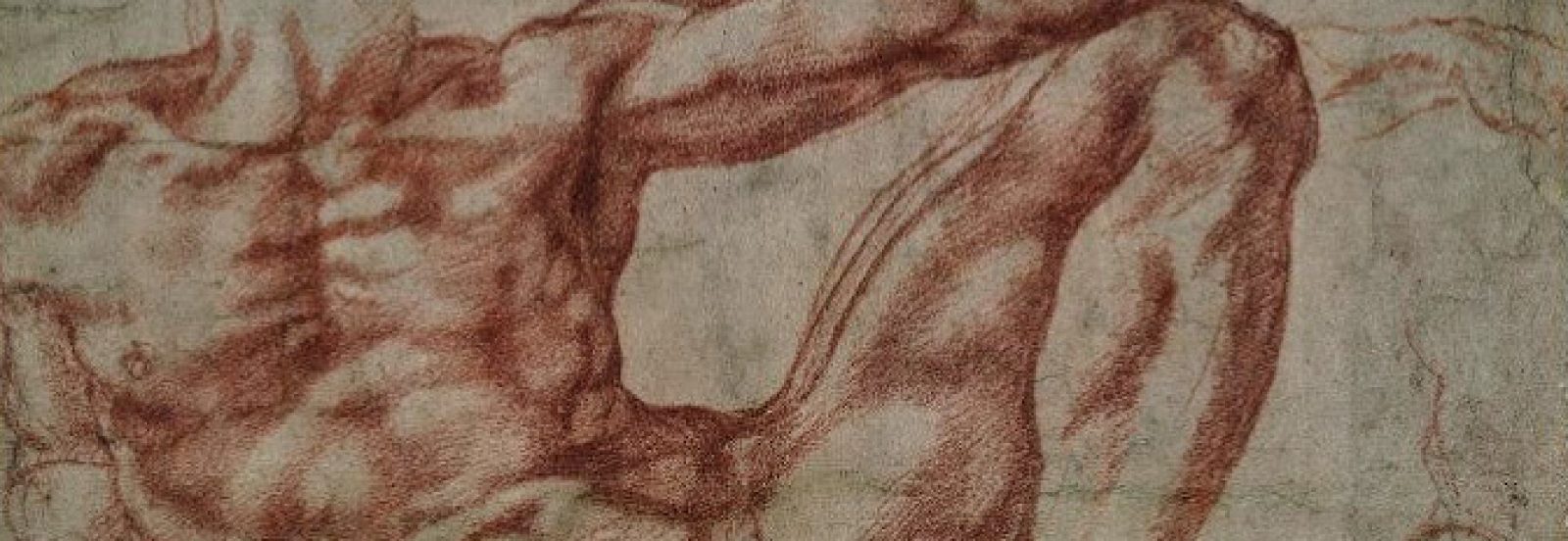
L’Antico Setificio Fiorentino: tra Tradizione e Maestria Artigianale
Firenze è uno scrigno di meraviglie che continua a creare e raccontare storie a chi la frequenta da visitatore e a chi quotidianamente la vive, da cittadino.
Nel Borgo San Frediano, ancora è possibile vedere artigiani al lavoro che portano avanti i mestieri d’arte proseguendo una tradizione che da secoli viene tramandate di generazione in generazione. Oltrarno ancora si assapora un’atmosfera diversa da quella della Firenze mordi e fuggi che poco mi piace.

In Via Lorenzo Bartolini 4, al di fuori delle rotte turistiche più battute, si affaccia una cancellata che si apre su un verdeggiante cortile.
Varcando quella soglia ci si ritrova fuori dal tempo, in uno spazio sospeso dove la lentezza torna a essere sinonimo di qualità, maestria ed esperienza.
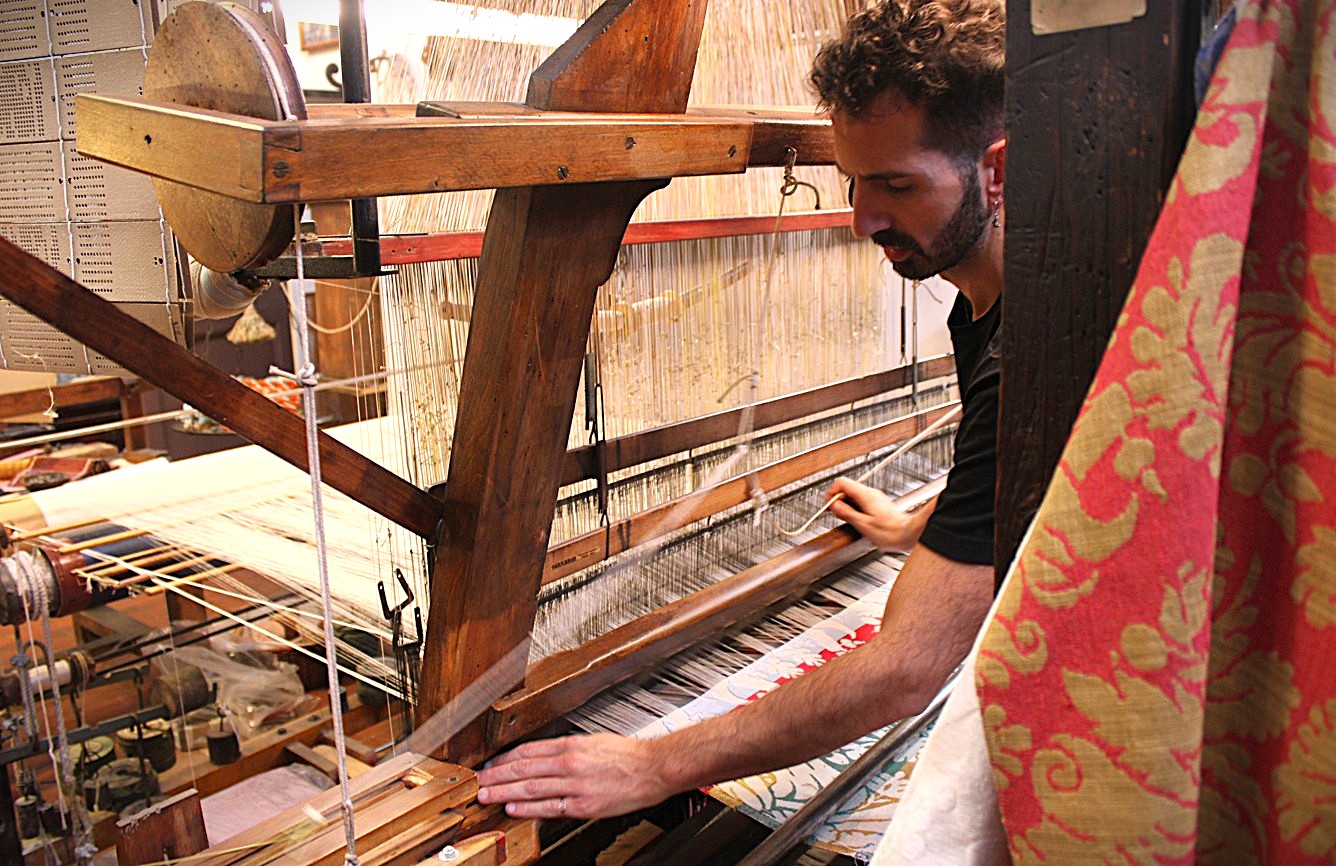
Lontano dai troppi artifici della tecnologia che sembra non aver bisogno della creatività e della maestria di chi usa mani testa e cuore per lavorare, si ascolta il rumore dei telai che lavorano per creare broccati, broccatelli, damascati, ermesini ma anche frange e passamanerie da mille e una notte.
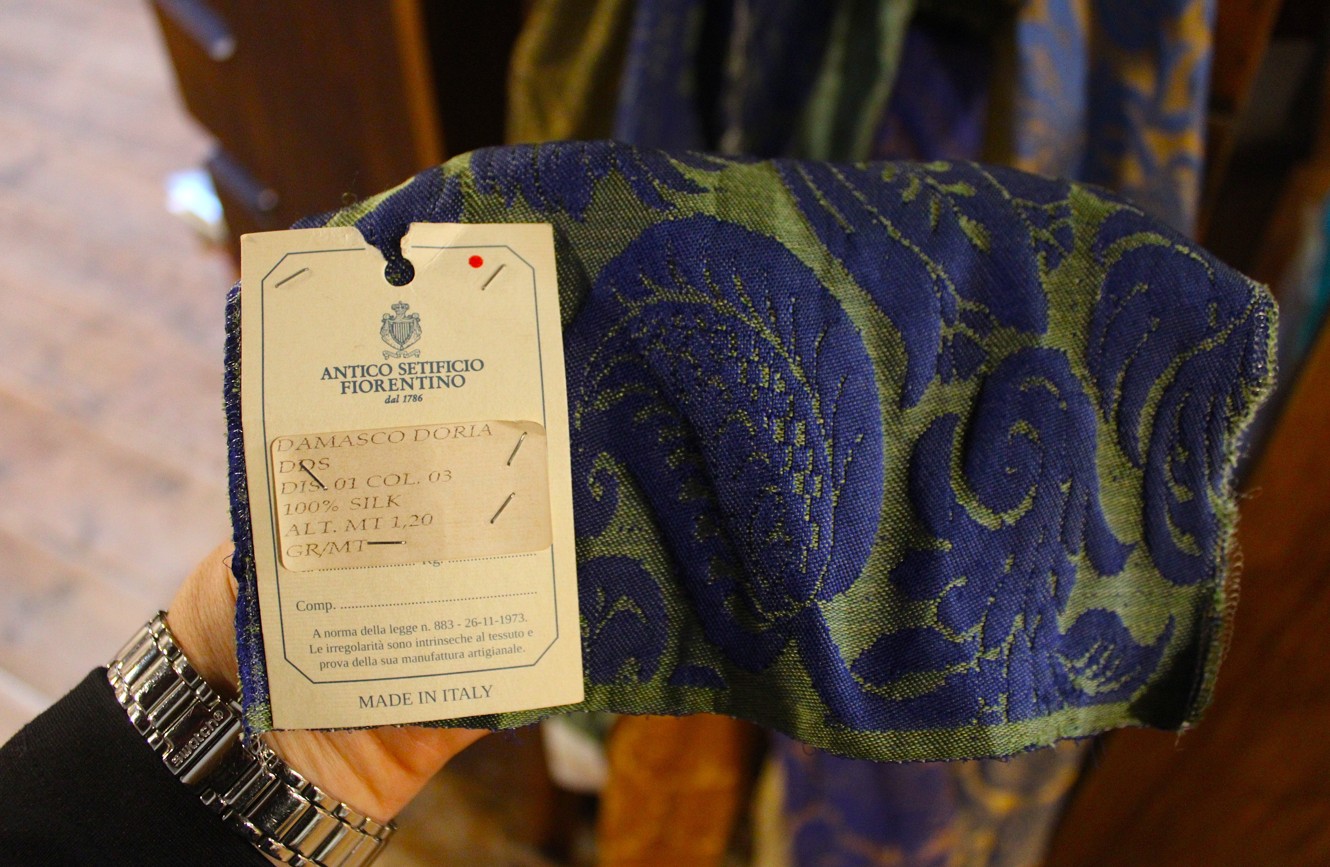
È il cuore pulsante dell’Antico Setificio Fiorentino, fondato nel 1786 che continua a far funzionare i suoi antichi telai per creare frange, passamaneria e tessuti in seta noti e apprezzati in tutto il mondo.
Nacque nel momento in cui alcune nobili famiglie fiorentine decisero di creare un setificio mettendo in comune i telai e i disegni che avevano per far produrre tessuti preziosi per arredare le loro dimore, per fare abiti e tendaggi.

Tra le famiglie che portarono lì i propri telai si annoverano i della Gherardesca, i Bartolozzi, i Corsini e gli Agresti.
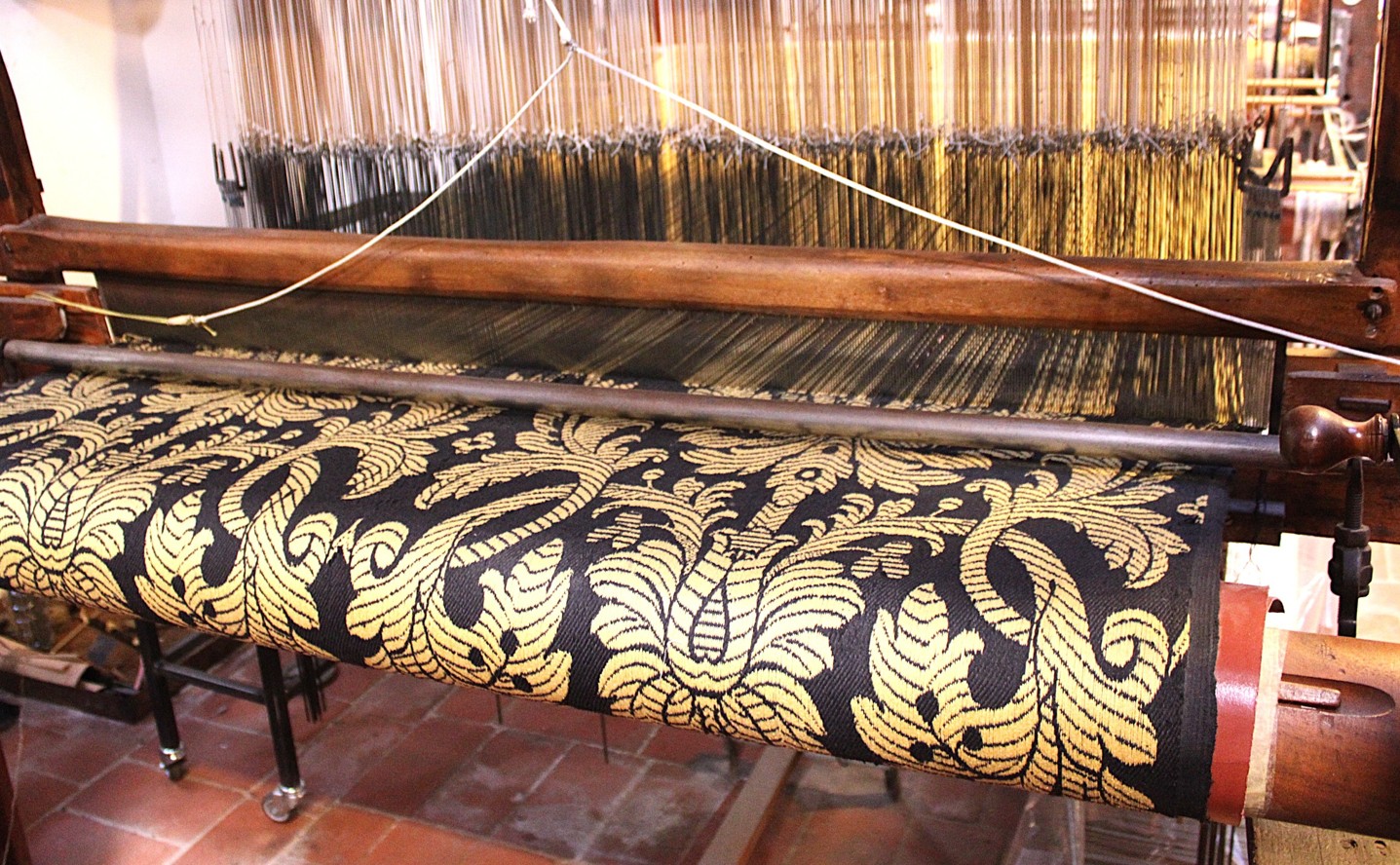
Sono sei i telai a mano del Settecento e sei quelli semi meccanici del secolo successivo, sempre in attività. L’orditoio risale alla seconda metà del Settecento ed è stato realizzato, pensate un po’, adoperando un progetto di Leonardo da Vinci rintracciabile nel Codice di Madrid: lo studio di grande filatoio per 18 lavoranti.
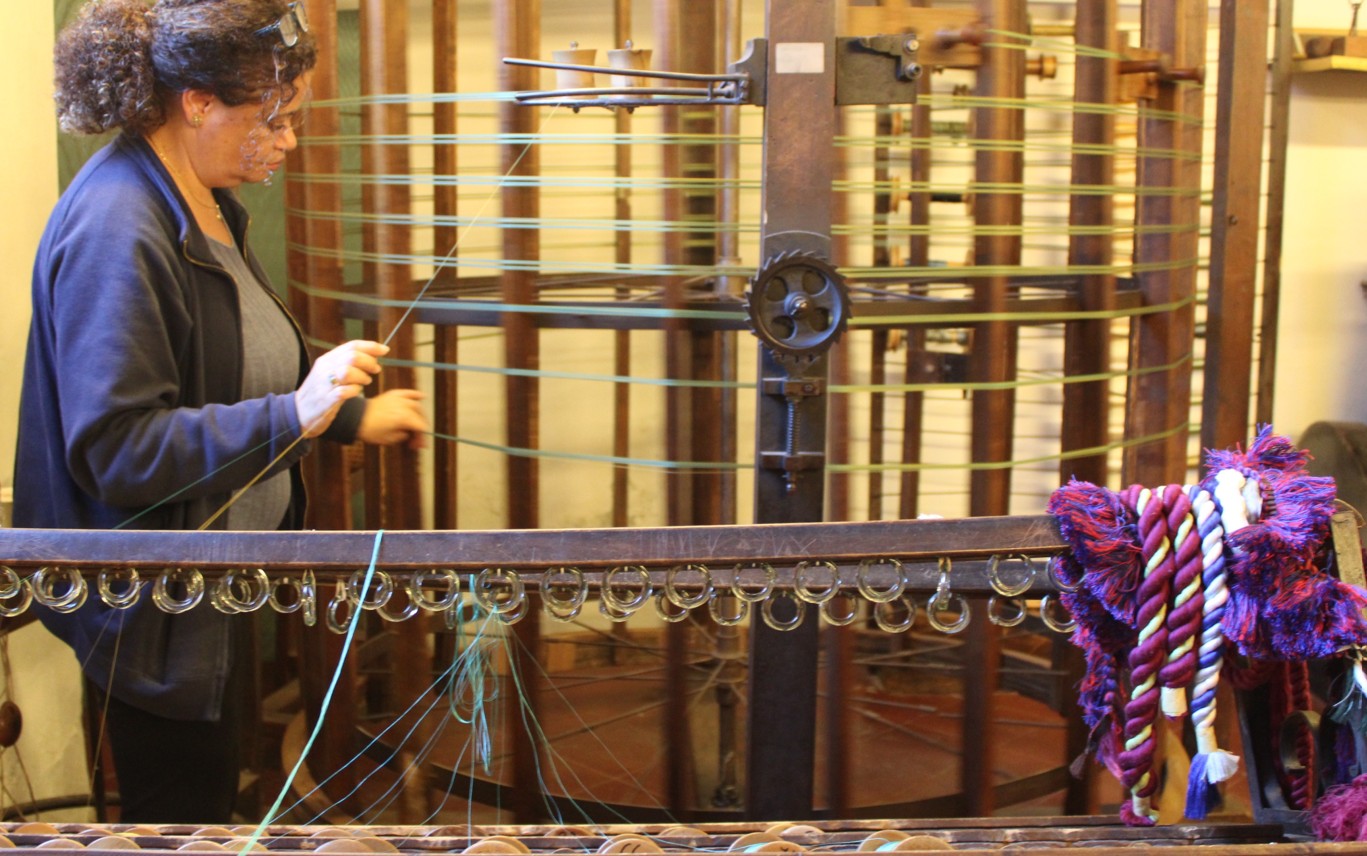
Gli antichi macchinari continuano a essere adoperati quotidianamente per realizzare tessuti straordinari da un gruppo di artigiani altamente specializzati, in grado di dar forma a tessuti preziosissimi. Oltre alla materia prima di per sé pregiata, il lavoro che c’è dietro ogni singolo metro di tessuto rende ogni pezzata straordinaria.
Pensate che a ogni telaio a mano vengono realizzati in una giornata di lavoro da un metro di tessuto a un massimo di due e mezzo. La lentezza però paga: si vede e si sente al solo sfioro delle stoffe con le dita.
L’Antico Setificio Fiorentino è stato rilevato in epoca moderna, nel 2010, dall’azienda Stefano Ricci dalla famiglia Pucci che ne aveva acquisito la quota di maggioranza negli anni ’50. La Ricci è una prestigiosa casa di moda fiorentina specializzata in abbigliamento di lusso e progetti di interior design.
Con tale acquisizione, la famiglia Ricci ha assicurato la continuazione dell’antica tradizione artigianale, integrando la produzione di tessuti pregiati negli arredi di lusso per la sua linea SR Home Collection.

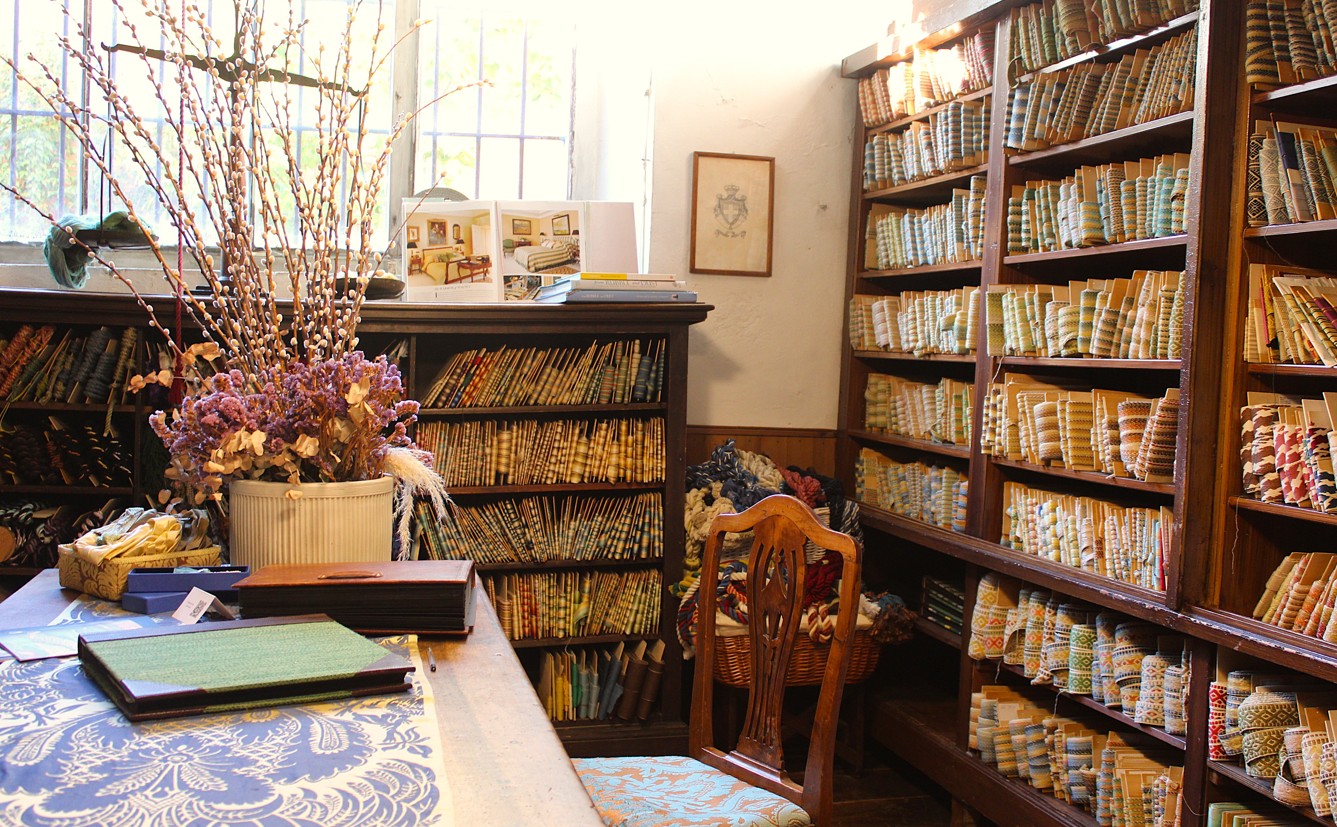
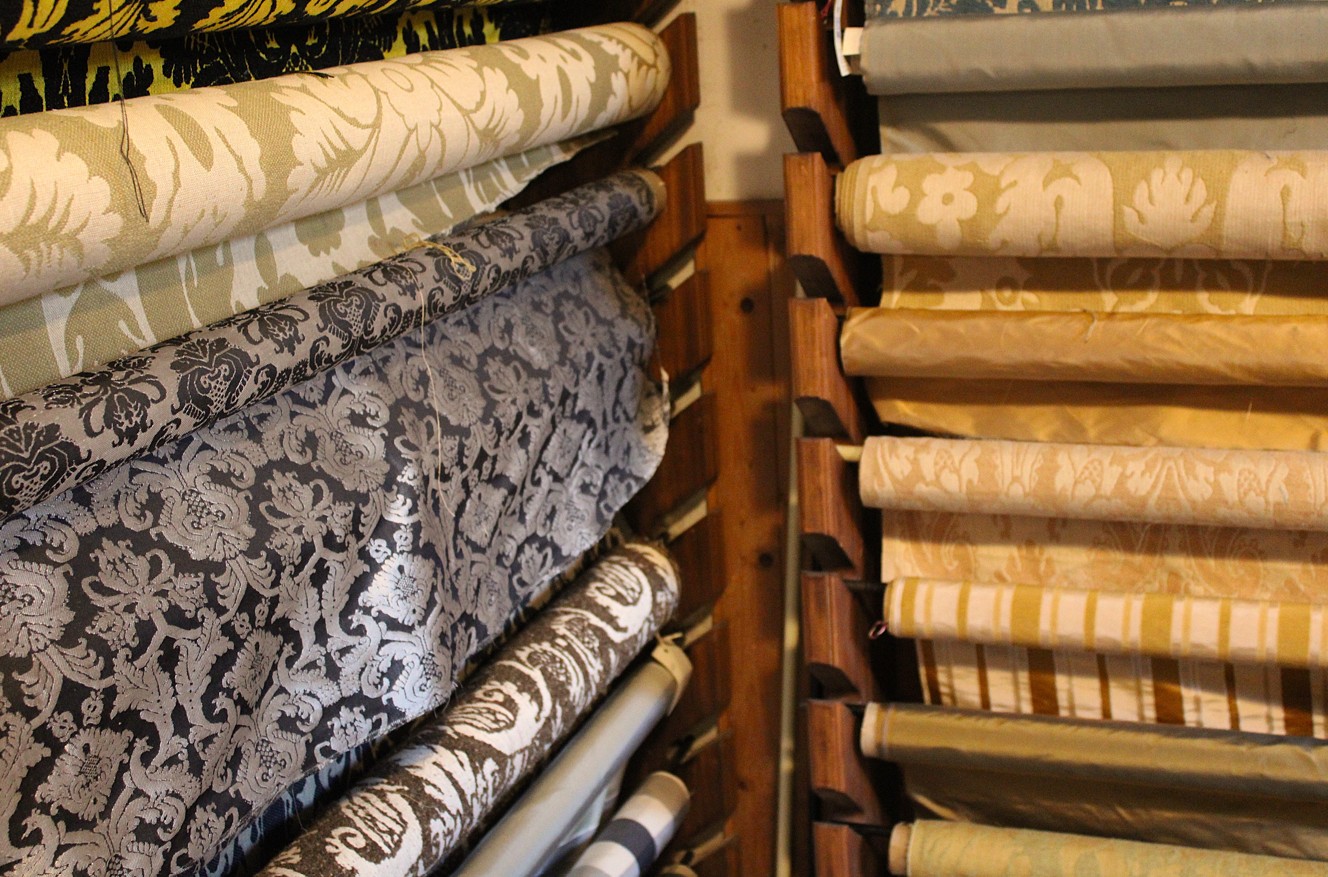
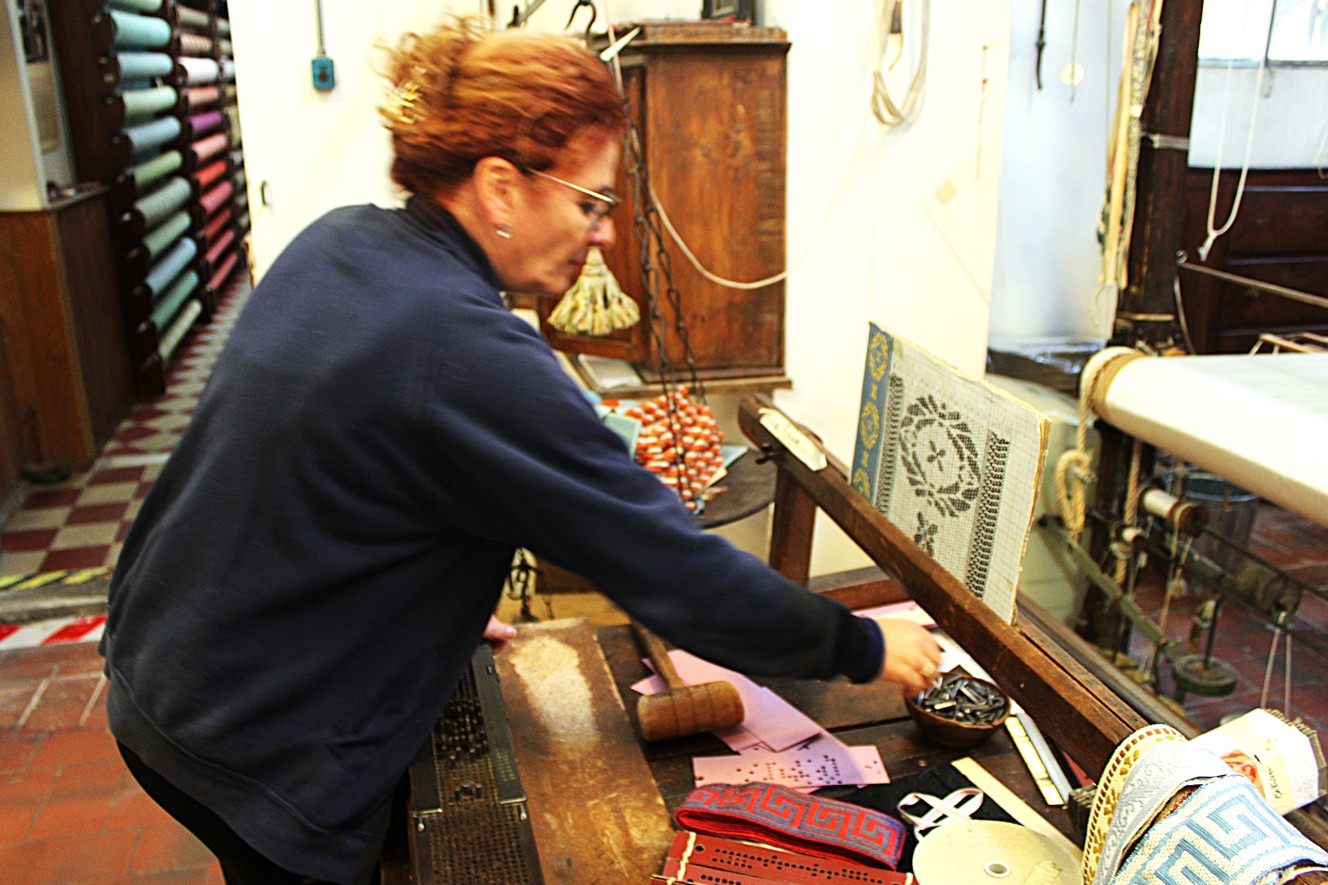
Nel laboratorio di San Frediano, oltre agli antichi macchinari tutt’oggi funzionanti, è presente un ampio showroom dove si possono vedere e acquistare le tante tipologie di tessuti create riproducendo gli antichi disegno o caratterizzate da nuovi motivi realizzati sempre in loco mediante la foratura delle schede a mano.
Una tecnica antica tutt’oggi adoperata dal setificio per creare nuove decorazioni per i tessuti più pregiati.
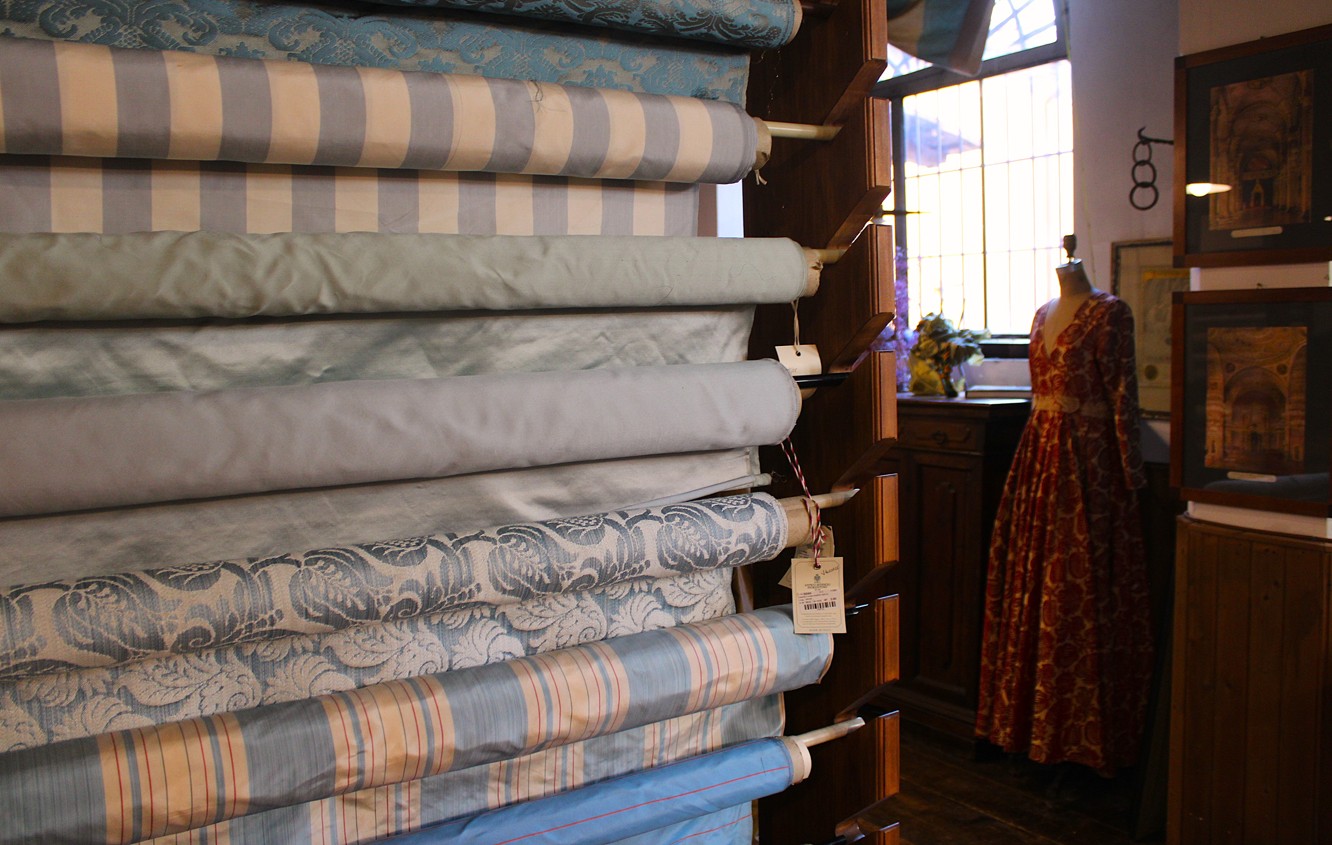
Difficile non lasciarsi affascinare da tanta maestria, pazienza e dalla varietà di stoffe, esposte l’una accanto all’altra, suddivise per tonalità di colore.
Lampassi ricchi di decori, raso, velluti morbidissimi, ermesini creati con trame e orditi di colori contrastanti per creare un effetto cangiante sorprendente ma anche filaticci e il Nemours.
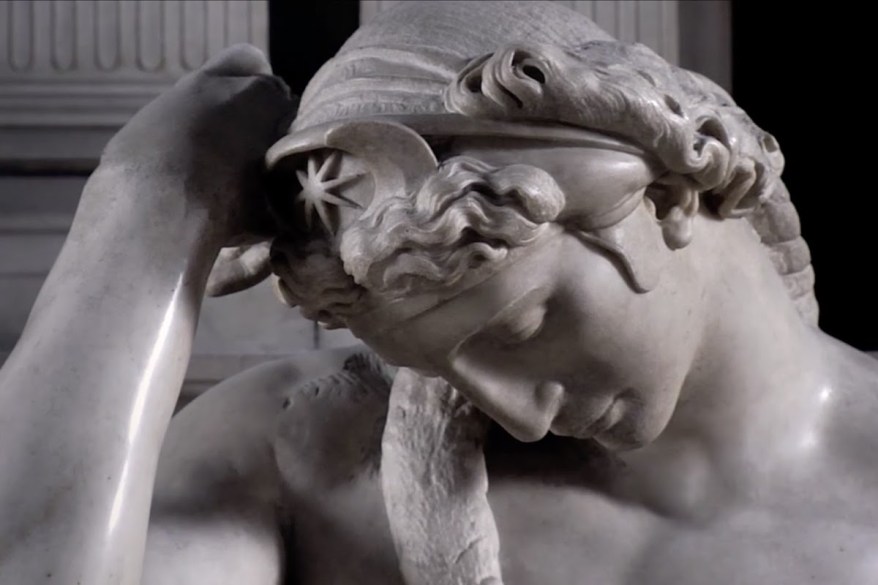
Vi ricorda qualcosa questo nome? Ebbene si, è un tessuto di origine cinquecentesca dedicato a Giuliano de’ Medici, duca di Nemours, del quale realizzai la sepoltura nella Sagrestia Nuova, a Firenze.
Realizzato con due orditi, è caratterizzato da bande in gros e in raso e viene usato per l’arredamento.
Niente qua viene lasciato al caso, nemmeno un caffè.
Quando infatti la gentilissima Maria Rita Agliolo Gallito che mi ha fatto strada tra un settore e l’altro del setificio raccontandomi ogni dettaglio e spiegandomi il funzionamento di licci, navette e lavorazioni jacquard per i disegni più complessi ha offerto un caffè, si è presentata con un set di tazzine meravigliose, di foggia contemporanea ispirate a quelle delle casate di un tempo.

Le atmosfere che si respirano all’interno dell’Antico Setificio Fiorentino e i preziosi tessuti che esporta in tutto il mondo sono un invito a tornare a camminare a passo lento per non perderci quello che correndo stiamo tralasciando.
La qualità ha poco a che fare con la frenesia: le sete realizzate in questo luogo ne sono un’ampia dimostrazione.
Per il momento il sempre vostro Michelangelo Buonarroti vi saluta dandovi appuntamento ai prossimi post e sui social.
The Ancient Florentine Silk Mill: Between Tradition and Craftsmanship
Florence is a treasure trove of wonders that continues to create and tell stories to both visitors and residents.
In Borgo San Frediano, you can still see artisans at work, carrying on a tradition that has been passed down from generation to generation for centuries. Oltrarno still offers a different atmosphere than the fast-paced Florence that I so dislike.
On Via Bartoloni, off the beaten tourist track, a gate opens onto a verdant courtyard. Crossing that threshold, you find yourself outside of time, in a suspended space where slowness once again becomes synonymous with quality, craftsmanship, and experience.
Far from the excessive artifice of technology, which seems to lack the creativity and skill of those who use their hands, mind, and heart to work, one can hear the sound of the looms working to create brocades, brocatelles, damasks, and ermesini, as well as fringes and trimmings from the Arabian Nights.
This is the beating heart of the Antico Setificio Fiorentino, founded in 1786, which continues to operate its ancient looms to create fringes, trimmings, and silk fabrics known and appreciated throughout the world. It was born when several noble Florentine families decided to create a silk factory, pooling their looms and designs to produce precious fabrics to furnish their homes, make clothing, and make curtains. Among the families who brought their looms there were the della Gherardesca, Bartolozzi, Corsini, and Agresti families.
There are six hand-operated looms from the 18th century and six semi-mechanical ones from the 19th century that are still in operation. The warping machine dates back to the 18th century and was built, imagine that, based on a design by Leonardo da Vinci.
The ancient machinery continues to be used daily to manually create extraordinary fabrics by a group of highly specialized artisans, capable of shaping these exquisite textiles. Beyond the prized raw materials themselves, the work that goes into each individual meter of fabric makes each piece extraordinary.
Consider that each hand loom produces between one and a maximum of two and a half meters of fabric in a day. The slow pace, however, pays off: you can see and feel it just by touching the fabrics with your fingers.
The Antico Setificio Fiorentino was acquired in modern times, in 2010, by the Stefano Ricci company from the Pucci family, who had acquired a majority stake in the 1950s. Ricci is a prestigious Florentine fashion house specializing in luxury clothing and interior design projects. With this acquisition, the Ricci family has ensured the continuation of the ancient artisan tradition by integrating the production of fine fabrics into the luxury furnishings for its SR Home Collection line.
In the San Frediano workshop, in addition to the still-functioning antique machinery, there is a large showroom where you can see and purchase the many types of fabrics created by reproducing ancient designs or featuring new motifs created on-site by hand-punching cards. This ancient technique is still used today by the silk mill to create new decorations for the finest fabrics.
It’s hard not to be captivated by such craftsmanship, patience, and the variety of fabrics, displayed side by side and divided by color. Richly decorated lampas, satin, ultra-soft velvets, ermesini created with contrasting warps and wefts to create a surprising iridescent effect, as well as filaticci and Nemours.
Does this name ring a bell? Yes, it’s a 16th-century fabric dedicated to Giuliano de’ Medici, Duke of Nemours, whose tomb I created in the New Sacristy in Florence. Made with two warps, it features grosgrain and satin bands and is used for furnishings.
Nothing is left to chance here, not even coffee. Indeed, when the very kind Maria Rita Agliolo Gallito, who guided me through the silk factory, recounting every detail and explaining the workings of the heddles, shuttles, and jacquard weaving for the more complex designs, offered me a coffee, she introduced herself with a set of wonderful, contemporary-style cups inspired by those of the noble families of times gone by.
The atmospheres within the Antico Setificio Fiorentino and the precious fabrics they export worldwide are an invitation to return to a slow pace so as not to miss what we’re passing by while rushing. Quality has little to do with frenzy, and the silks made here are ample proof of this.
For now, yours truly, Michelangelo Buonarroti bids farewell and invites you to join him in future posts and on social media.

Sostienici – Support Us
Se questo blog ti piace e ti appassiona, puoi aiutarci a farlo crescere sempre più sostenendoci in modo concreto condividendo i post, seguendo le pagine social e con un contributo che ci aiuta ad andare avanti con il nostro lavoro di divulgazione. . ENGLISH: If you like and are passionate about this blog, you can help us make it grow more and more by supporting us in a concrete way by sharing posts, following social pages and with a contribution that helps us to move forward with our dissemination work.
10,00 €
Articoli

Condividi:


Questo sono io





sostienici

Sostienici – Support Us
Se questo blog ti piace e ti appassiona, puoi aiutarci a farlo crescere sempre più sostenendoci in modo concreto condividendo i post, seguendo le pagine social e con un contributo che ci aiuta ad andare avanti con il nostro lavoro di divulgazione. . ENGLISH: If you like and are passionate about this blog, you can help us make it grow more and more by supporting us in a concrete way by sharing posts, following social pages and with a contribution that helps us to move forward with our dissemination work.
€10,00


Molte grazie e buona giornata.
"Mi piace"Piace a 1 persona
Grazie :-*
"Mi piace"Piace a 1 persona