

Il Volto Santo e la leggenda che narra sia stato scolpito da Nicodemo
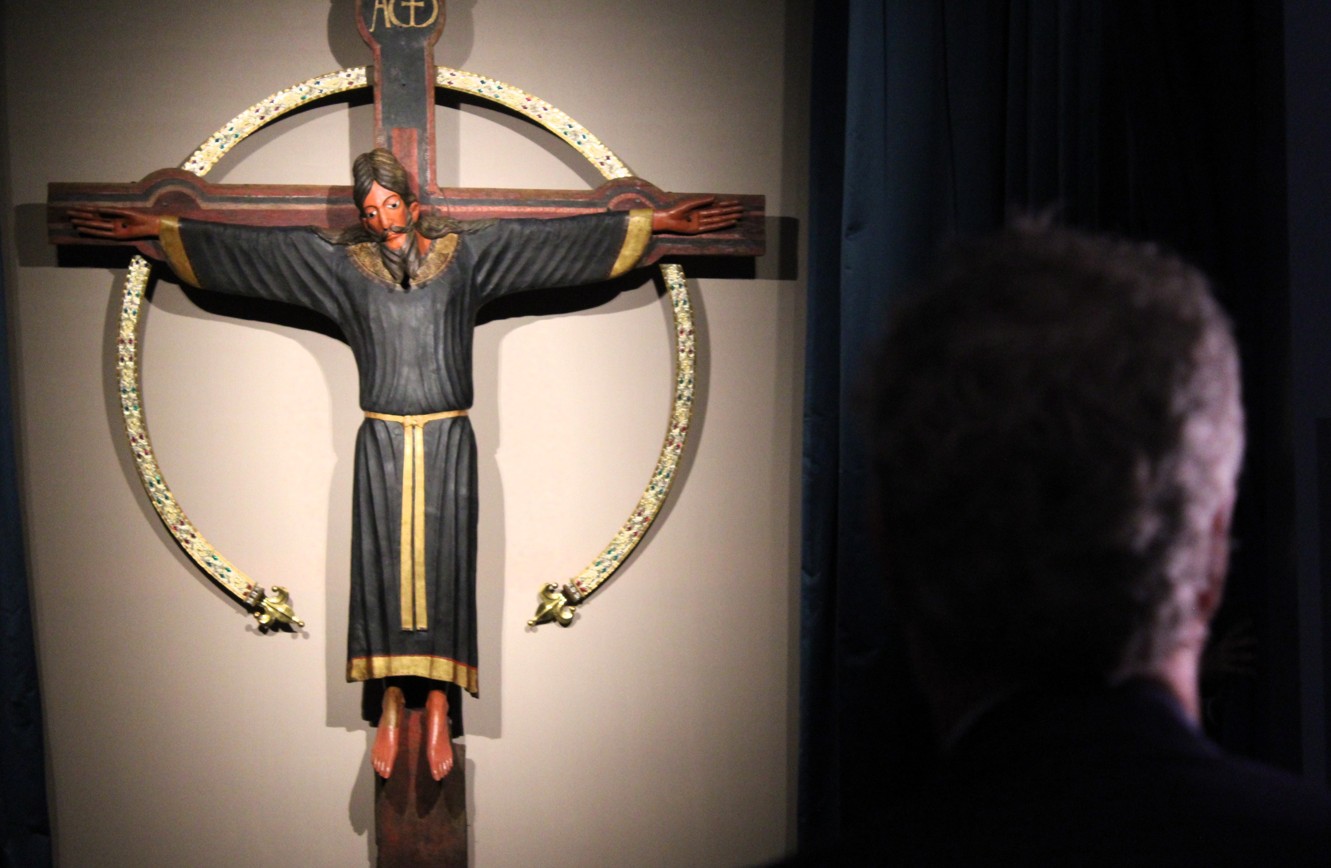
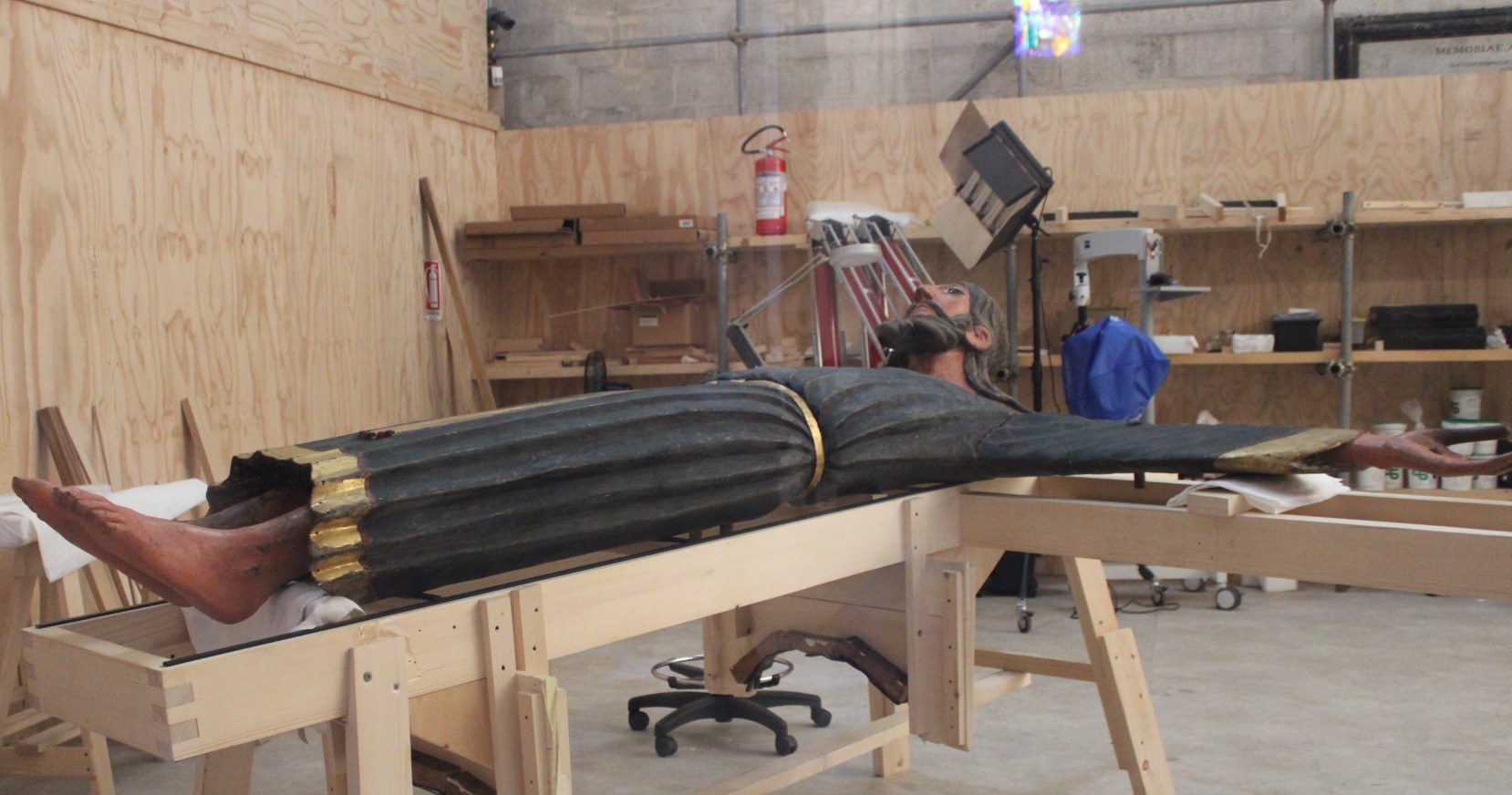
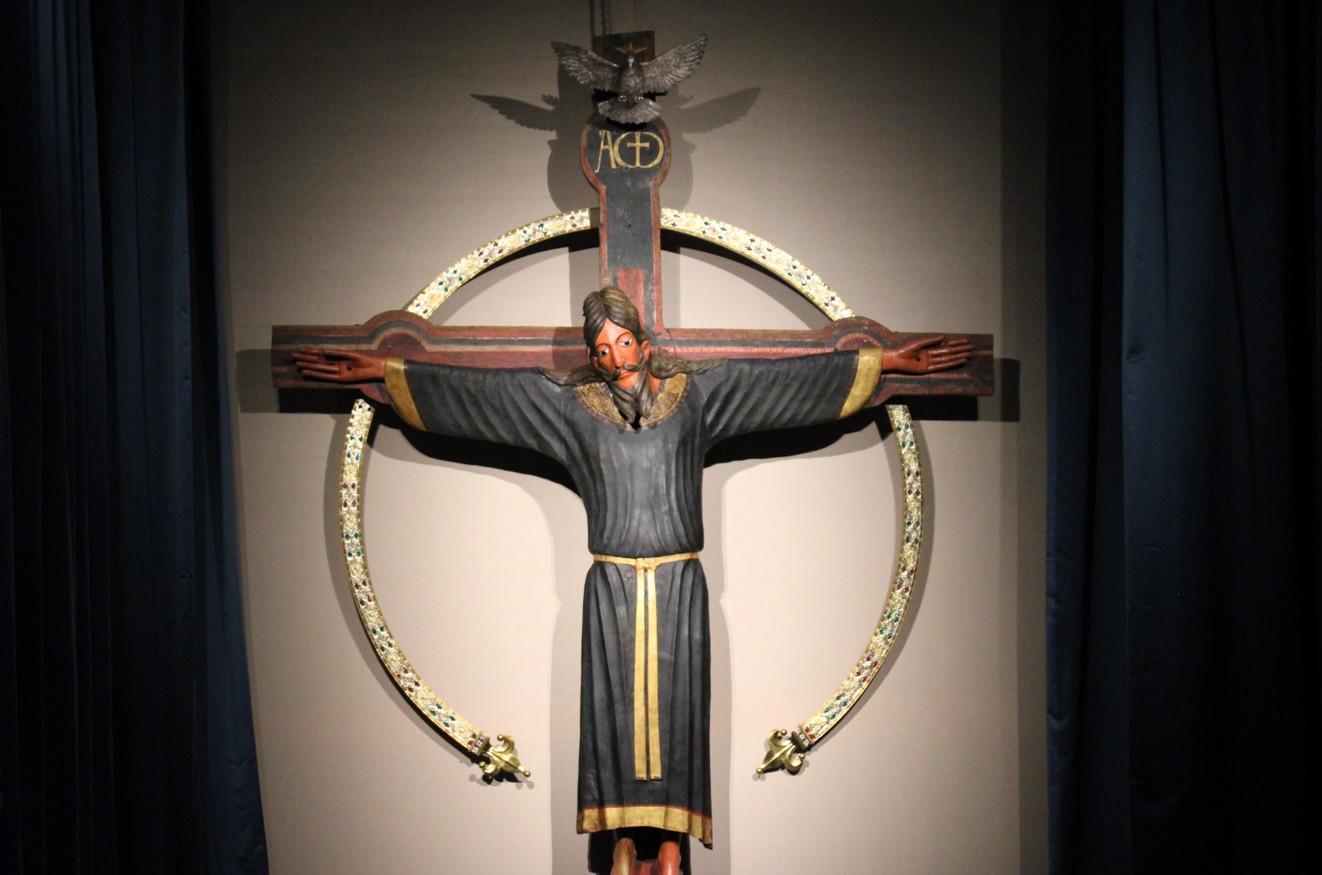
Il Volto Santo si trova nella Cattedrale di San Martino a Lucca e a partire da sabato 13 settembre, alla vigilia di Santa Croce, verrà reso di nuovo visibile ai fedeli.
La devozione a quest’immagine sacra è antica e, testimonianze documentarie, narrano del suo culto attraverso i secoli. All’origine di questa venerazione c’è una leggenda ben radicata ideata da Leobino, un personaggio del quale poco sappiamo.
Lui stesso racconta di riferire fatti avvenuti nel VIII che ebbe modo di vedere con i propri occhi ma, secondo gli studi fatti sul manoscritto, sembra sia stato redatto alla fine dell’anno Mille.
Non è da escludere però che quel testo si riferisca a una leggenda ancor più antica, tramandata in modo orale o scritta su altro documento.
La Leggenda del Volto Santo
Leobino narra che il vescovo Gualfredo fosse andato in pellegrinaggio in Terra Santa. Mentre dormiva sognò un angelo che disse all’uomo di andare a cercare nella casa di Seleuco l’immagine di Cristo custodita al suo interno.
L’angelo riferì a Gualfredo che fu Nicodemo a realizzare quell’opera in legno. Nicodemo era uno dei discepoli di Cristo che collaborò poi attivamente con Giuseppe d’Arimatea per deporre il corpo dalla croce e prepararlo per la sepoltura.
Conosceva bene la fisionomia del Salvatore e, guidato da ispirazione divina, volle scolpire il Volto Santo. Arrivato al punto di morire, Nicodemo affidò quel suo lavoro al devoto cristiano Seleuco per preservarlo dalle mani dei giudei.
Il vescovo, appena risvegliato dal sonno rivelatore, si mise a cercare quell’opera e la trovò. Per portarla con sé in Italia, la fece imbarcare su una nave senza equipaggio: la mano divina l’avrebbe fatta giungere a destinazione. Il prelato pregò affinché il Volto Santo potesse approdare in un luogo dove i popoli l’avrebbero venerato a lungo.
La nave arrivò a Luni ma i suoi abitanti più volte cercarono di impossessarsi della nave ma i tentativi furono tutti vani. Accadde che il vescovo di Lucca, chiamato Giovanni, in carica dal 781 all’800, sognò un angelo che gli diceva di andare a recuperare quella nave con la preziosa reliquia. Giovanni si recò a Luni assieme al clero e la nave si lasciò visitare dall’alto prelato rivelando il suo carico prezioso.
Luni rivendicava quell’opera ma il vescovo, per averla, offrì alla città portuale un’ampolla con il sangue di Cristo arrivata assieme al Volto Santo tanto che oggi, nel duomo di Sarzana, si conserva il reliquiario del Preziosissimo Sangue.
Il Volto Santo giunse così finalmente a Lucca e venne collocato nella cattedrale di San Martino.
Nel corso del Medioevo la leggenda fu arricchita con altri dettagli per sottolineare l’importanza della scelta divina di far arrivare l’immagine devozionale sacra nella città di Lucca. Viene narrato infatti che la scelta tra Luni e Lucca fu fatta in altro modo.
Il Volto Santo venne caricato su un carro trainato da buoi senza guida che, in modo spontaneo, si diresse verso Lucca arrivando alla Basilica di San Frediano.
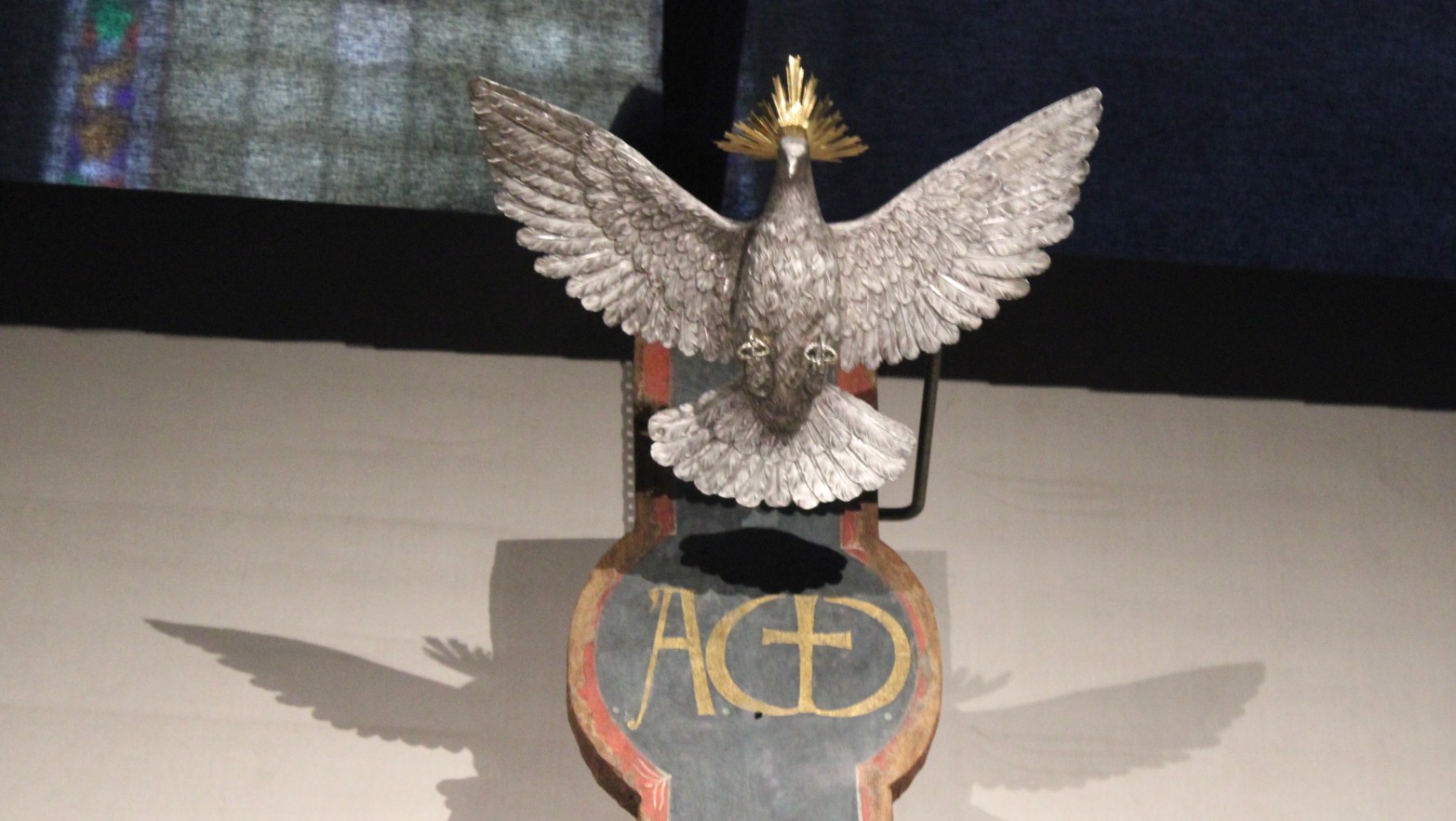
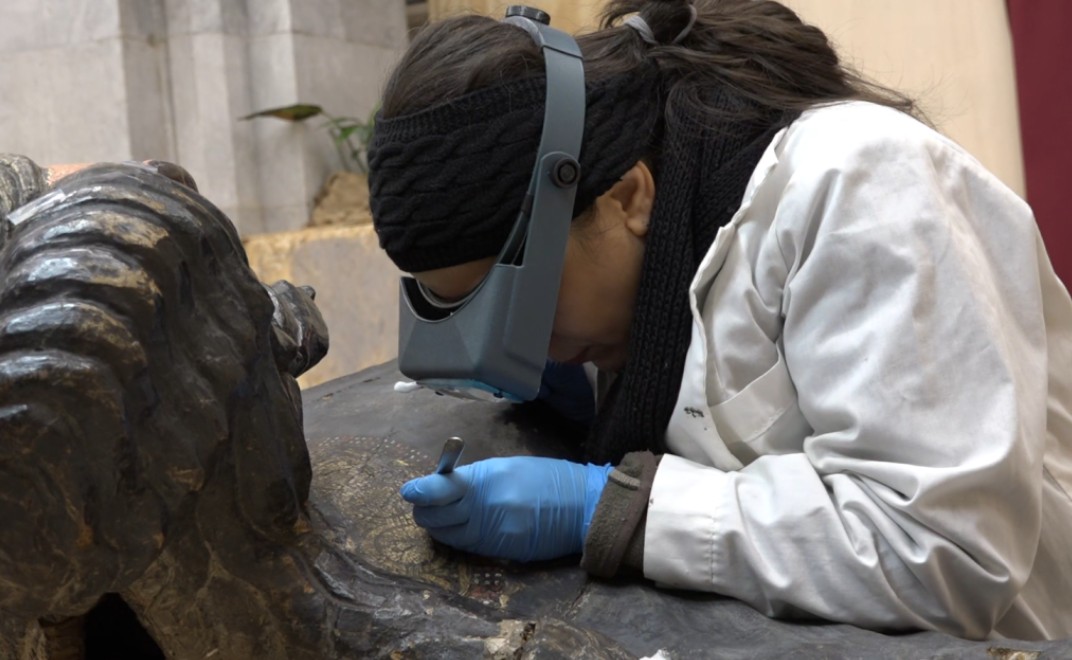
I fedeli accorsi il giorno seguente non trovarono più l’opera che fu però rinvenuta miracolosamente nei pressi di un orto vicino a San Martino. Da allora la collocazione definitiva fu quella della cattedrale che secoli dopo avrebbe fatto edificare il tempietto marmoreo del Civitali che la custodisce, al momento in restauro.
Per il momento il sempre vostro Michelangelo Buonarroti vi saluta dandovi appuntamento ai prossimi post e sui social.
The Holy Face and the legend that says it was sculpted by Nicodemus
The Holy Face is located in the Cathedral of San Martino in Lucca and will be made visible to the faithful again starting Saturday, September 13th, the eve of the Feast of the Holy Cross.
Devotion to this sacred image is ancient, and documentary evidence speaks of its cult throughout the centuries. At the origin of this veneration is a deeply rooted legend conceived by Leobino, a figure about whom little is known.
He himself claims to be relating events that occurred in the 8th century, which he witnessed with his own eyes. However, according to studies of the manuscript, it appears to have been written at the end of the year 1000. It cannot be ruled out that the text refers to an even older legend, passed down orally or written in another document.
The Legend of the Holy Face
Leobinus recounts that Bishop Gualfredo went on a pilgrimage to the Holy Land. While sleeping, he dreamed of an angel who told him to go to the house of Seleucus and search for the image of Christ kept there.
The angel told Gualfredo that Nicodemus was the one who created the wooden statue. Nicodemus was one of Christ’s disciples who later actively collaborated with Joseph of Arimathea in removing the body from the cross and preparing it for burial.
He knew the Savior’s features well, and guided by divine inspiration, he wanted to sculpt the Holy Face. Nearing the point of death, Nicodemus entrusted his work to the devout Christian Seleucus to protect it from the hands of the Jews.
The bishop, having just awakened from his revelatory sleep, began searching for the work and found it. To bring it with him to Italy, he had it shipped on an unmanned ship: the divine hand would ensure its arrival. The prelate prayed that the Holy Face would land in a place where people would long venerate it.
The ship arrived in Luni, but its inhabitants repeatedly attempted to seize it, but all attempts were in vain. It so happened that the bishop of Lucca, called Giovanni, in office from 781 to 800, dreamed of an angel telling him to go and recover the ship with the precious relic. Giovanni traveled to Luni with the clergy, and the ship allowed itself to be inspected by the high prelate, revealing its precious cargo.
Luni claimed the work, but the bishop, to obtain it, offered the port city a vial containing the blood of Christ, which arrived along with the Holy Face. Today, the reliquary of the Most Precious Blood is preserved in the Sarzana Cathedral.
The Holy Face finally reached Lucca and was placed in the Cathedral of San Martino.
During the Middle Ages, the legend was enriched with other details to underscore the importance of the divine choice to bring the sacred devotional image to the city of Lucca. It is said, in fact, that the choice between Luni and Lucca was made in a different way. The Holy Face was loaded onto a cart pulled by unguided oxen, which spontaneously headed toward Lucca, arriving at the Basilica of San Frediano.
The faithful who gathered the following day could not find the work, which was miraculously rediscovered shortly thereafter near a vegetable garden near San Martino. From then on, its final location was the cathedral, which centuries later would commission the construction of the marble temple by Civitali that houses it.
For now, yours truly, Michelangelo Buonarroti bids you farewell and invites you to join him in future posts and on social media.

Sostienici – Support Us
Se questo blog ti piace e ti appassiona, puoi aiutarci a farlo crescere sempre più sostenendoci in modo concreto condividendo i post, seguendo le pagine social e con un contributo che ci aiuta ad andare avanti con il nostro lavoro di divulgazione. . ENGLISH: If you like and are passionate about this blog, you can help us make it grow more and more by supporting us in a concrete way by sharing posts, following social pages and with a contribution that helps us to move forward with our dissemination work.
10,00 €
Condividi:


Questo sono io





sostienici

Sostienici – Support Us
Se questo blog ti piace e ti appassiona, puoi aiutarci a farlo crescere sempre più sostenendoci in modo concreto condividendo i post, seguendo le pagine social e con un contributo che ci aiuta ad andare avanti con il nostro lavoro di divulgazione. . ENGLISH: If you like and are passionate about this blog, you can help us make it grow more and more by supporting us in a concrete way by sharing posts, following social pages and with a contribution that helps us to move forward with our dissemination work.
€10,00


