

Piazza del Campidoglio: ultimato il restauro dei Dioscuri
Il restauro dei due Dioscuri che accolgono i visitatori sulla cordonata di accesso che porta al Campidoglio è giunto al termine.
Un intervento complesso che ha avuto una durata complessiva di 240 giorni. Le due sculture sono composte da numerose porzioni di marmi antichi di dimensioni e tipologie differenti tra di loro. Una sorta di assemblaggio di frammenti marmorei, perlopiù pentelico ma anche integrazioni in marmo Carrara, aggiunto durante restauri.
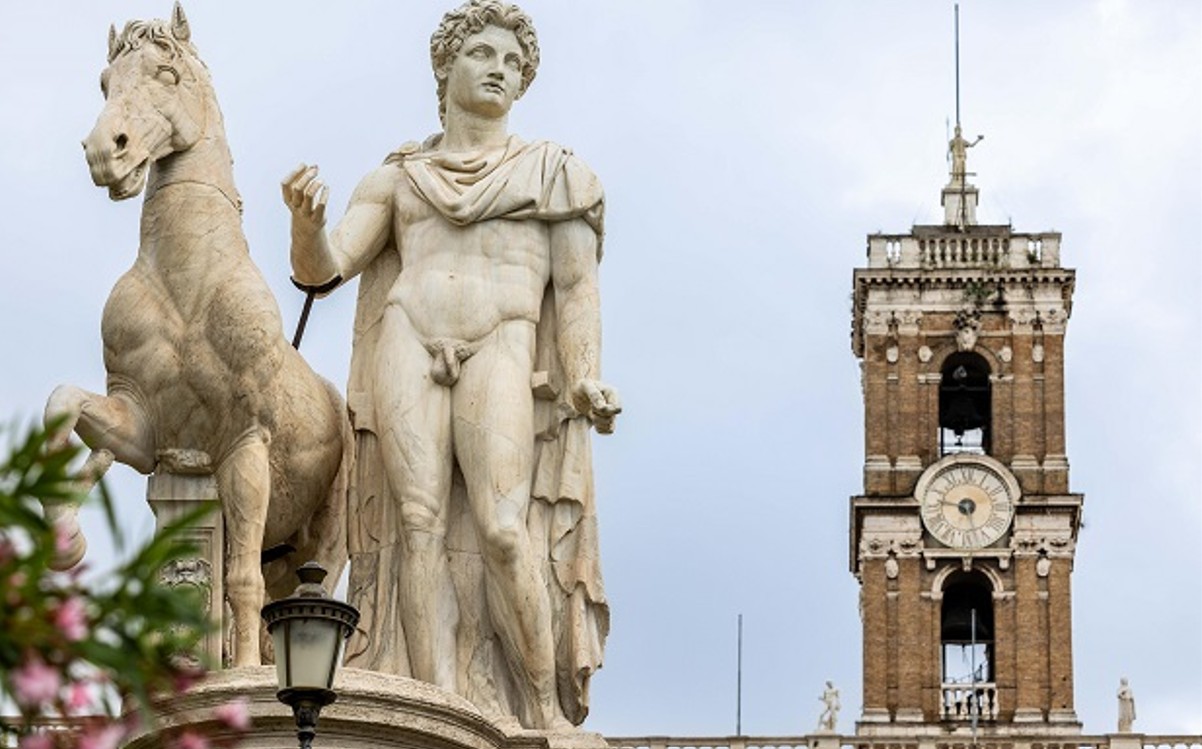
L’intervento eseguito ha consentito di effettuare la salvaguardia dei marmi molto erosi e disgregati e di eliminare depositi di sporco e patine di tipo biologico.
Prima di questo intervento erano presenti anche tante stuccature, la maggior parte alterate cromaticamente e non idonee.
La storia dei Dioscuri
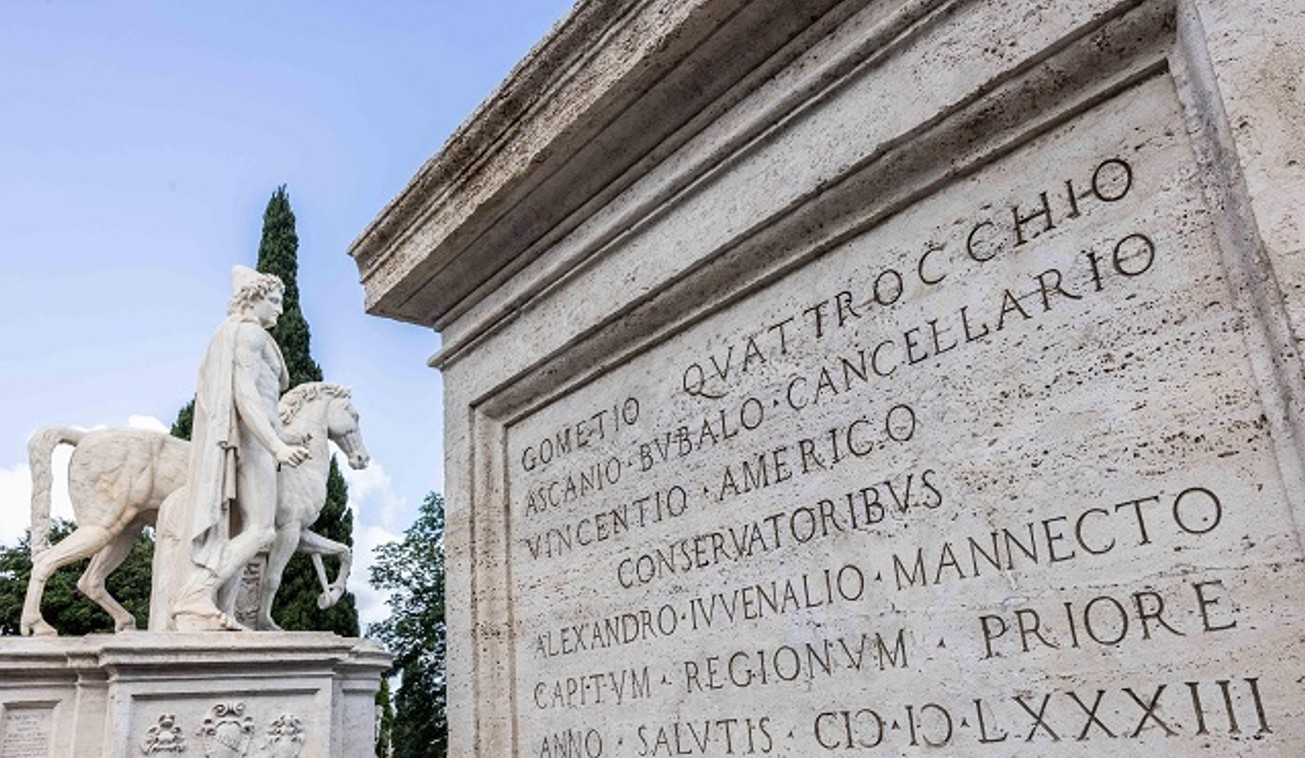
I Dioscuri furono collocati laddove li vedete oggi nel 1583. Sistemati ai due lati della cordonata al di sopra degli alti basamenti, mostrano tutta la loro imponenza.
Dovete sapere che Dioscuri noti anche come Castore e Polluce, figli gemelli di Zeus e Leda, nel corso dei secoli sono stati datati in modi diversi. C’è chi sostiene risalgano alla metà del I secolo d.C. e chi alla metà del II secolo d.C..
Il ritrovamento dei Dioscuri
Le due sculture furono ritrovate tra il 1561 e il 1565 vicino al Lungotevere. Sebbene le opere fin da subito fossero state identificate come Castore e Polluce, erano assai frammentate. Nella zona del rinvenimento in tempo sorgeva la prima costruzione del tempio dei Castori al circo Flaminio.
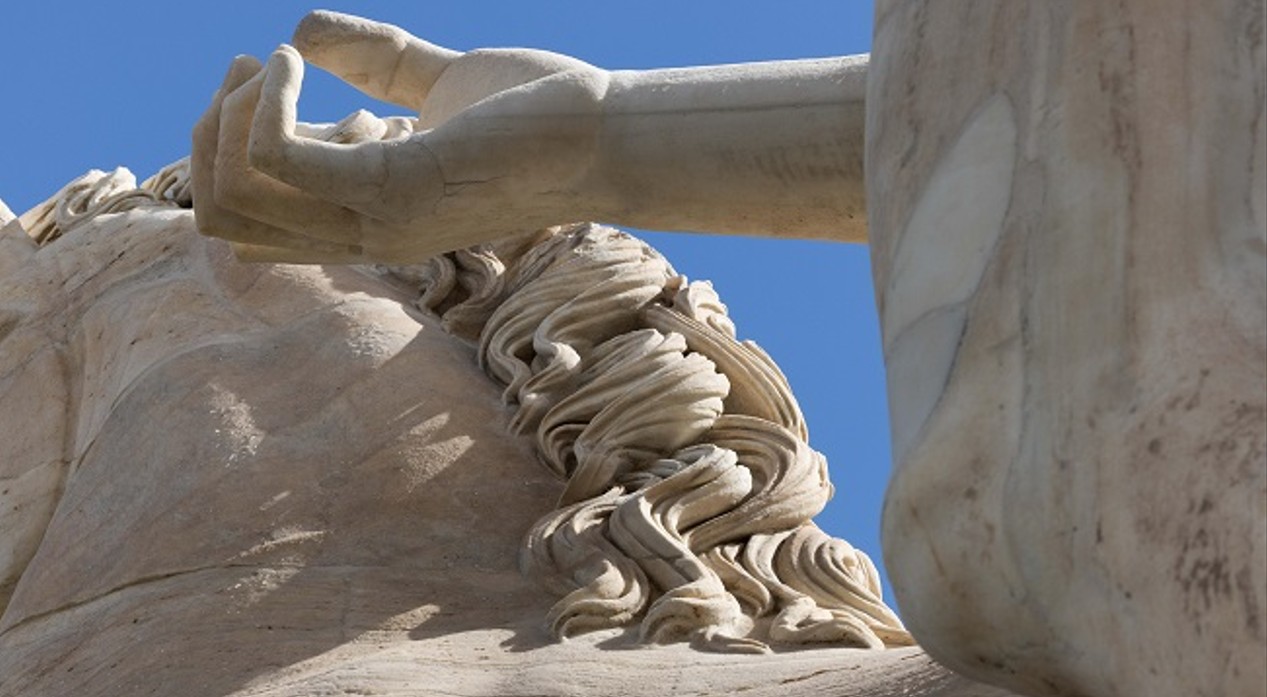
Non fu facile ricomporre le due opere e quello che si vede oggi è frutto di un lavoro certosino che durò circa venti anni, tra il 1582 e il 1600. Lavorarono in tanti scultori al ricomponimento delle opere che negli anni a seguire vennero poi sottoposte ad altri interventi.
Per il momento il sempre vostro Michelangelo Buonarroti vi saluta dandovi appuntamento ai prossimi post e sui social.
Piazza del Campidoglio: restoration of the Dioscuri completed
The restoration of the two Dioscuri that welcome visitors on the access ramp that leads to the Campidoglio has come to an end.
A complex intervention that lasted a total of 240 days. The two sculptures are made with numerous portions of ancient marbles of different sizes and types. A sort of assembly of marble fragments, mostly Pentelic but also integrations in Carrara marble, added during restoration.
The intervention carried out made it possible to safeguard the very eroded and disintegrated marbles and to eliminate deposits of dirt and biological patinas.
Before this intervention there were also many stuccos, most of them chromatically altered and unsuitable.
The history of the Dioscuri
The Dioscuri were placed where you see them today in 1583. Placed on both sides of the ramp above the high bases, they show all their grandeur.
You should know that the Dioscuri, also known as Castor and Pollux, twin sons of Zeus and Leda, have been dated in different ways over the centuries. Some say they date back to the mid-1st century AD, others to the mid-2nd century AD.
The discovery of the Dioscuri
The two sculptures were found between 1561 and 1565 near the Lungotevere. Although the works were immediately identified as Castor and Pollux, they were very fragmented. In the area where they were found, at one time, there was the first construction of the Temple of the Castors at the Circus Flaminius.
It was not easy to recompose the two works and what we see today is the result of painstaking work that lasted about twenty years, between 1582 and 1600. Many sculptors worked on recomposing the works, which were then subjected to other interventions in the years that followed.
For now, yours ever Michelangelo Buonarroti bids you farewell, making an appointment to see you in the next posts and on social media.

Sostienici – Support Us
Se questo blog ti piace e ti appassiona, puoi aiutarci a farlo crescere sempre più sostenendoci in modo concreto condividendo i post, seguendo le pagine social e con un contributo che ci aiuta ad andare avanti con il nostro lavoro di divulgazione. . ENGLISH: If you like and are passionate about this blog, you can help us make it grow more and more by supporting us in a concrete way by sharing posts, following social pages and with a contribution that helps us to move forward with our dissemination work.
10,00 €
Condividi:


Questo sono io





sostienici

Sostienici – Support Us
Se questo blog ti piace e ti appassiona, puoi aiutarci a farlo crescere sempre più sostenendoci in modo concreto condividendo i post, seguendo le pagine social e con un contributo che ci aiuta ad andare avanti con il nostro lavoro di divulgazione. . ENGLISH: If you like and are passionate about this blog, you can help us make it grow more and more by supporting us in a concrete way by sharing posts, following social pages and with a contribution that helps us to move forward with our dissemination work.
€10,00


