
Cenacolo di Rubens: restauro aperto alla Pinacoteca di Brera
Lo straordinario Cenacolo di Rubens verrà restaurato, rimanendo costantemente sotto gli occhi dei visitatori della Pinacoteca di Brera.
Restauro aperto dunque per la preziosa tela seicentesca, operato da un nutrito team di esperti guidati dal laboratorio di restauro della medesima Pinacoteca. Al momento sono in corso le indagini diagnostiche che consentiranno di comprendere meglio la conoscenza dell’opera e il tipo di intervento da effettuare.
A seguire verrà effettuata l’accurata pulitura che permetterà di riportare alla luce i colori sottostanti le patine del tempo e di eventuali vernici stese successivamente che il tempo ha ossidato. Infine il restauro verrà ultimato con il ritocco pittorico mediante l’utilizzo di colori reversibili per mascherare i punti in cui si sono verificati importanti distacchi.
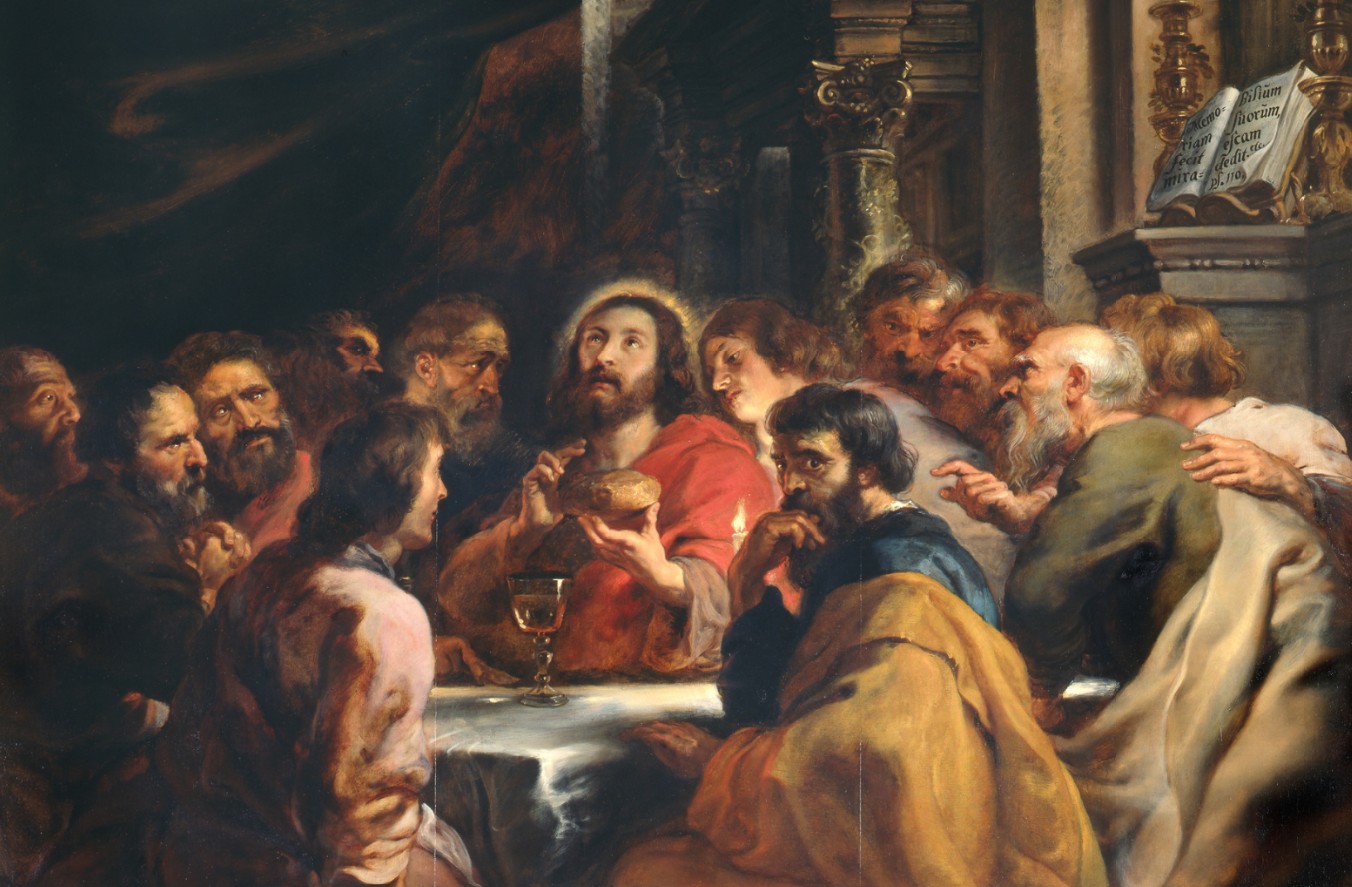
Pieter Paul Rubens dipinse l’Ultima Cena tra il 1631 e il 1632 a olio su una grande tela, di 3 metri d’altezza per 2,50 di larghezza.
Originariamente faceva parte di un polittico che comprendeva anche due predelle raffiguranti le Storie della Passione di Cristo, oggi appartenenti al Musée des Beaux- Arts di Digione.
Il retablo fu commissionato da Catherine Lescuyer in memoria di suo padre e fu collocato nella Chiesa di San Rambaud a Malines, nel 1631 sull’altare della cappella in cui era custodito il Santissimo Sacramento.

Per realizzare questa monumentale opera, Rubens si fece aiutare per le parti meno importanti da collaboratori.
E’ evidente però la sua mano nella resa dei volti delle persone raffigurate e in quell’uso caratteristico che faceva del manico del pennello per sulle velature ancora fresche, per far emergere il colore che si trovava sotto.
Per il momento il sempre vostro Michelangelo Buonarroti vi saluta dandovi appuntamento ai prossimi post e sui social.
Rubens’ Last Supper: open restoration at the Pinacoteca di Brera
Rubens’ Last Supper will be restored while remaining constantly under the eyes of visitors to the Pinacoteca di Brera.
Open restoration therefore for the precious seventeenth-century canvas, carried out by a large team of experts led by the restoration laboratory of the same Pinacoteca. Diagnostic investigations are currently underway that will allow us to better understand the knowledge of the work and the type of intervention to be carried out.
Afterwards, the careful cleaning will be carried out that will bring to light the colors underneath the patinas of time and any varnishes applied subsequently that time has oxidized. Finally, the restoration will be completed with pictorial retouching with reversible colors to mask the points where the original color has suffered detachments.
Pieter Paul Rubens painted the Last Supper between 1631 and 1632 in oil on a large canvas, 3 meters high and 2.50 wide.
It was originally part of a polyptych that also included two predellas depicting the Stories of the Passion of Christ, now belonging to the Musée des Beaux-Arts in Dijon.
The altarpiece was commissioned by Catherine Lescuyer in memory of her father and was placed in the Church of Saint Rambaud in Malines, in 1631 on the altar of the chapel where the Blessed Sacrament was kept.
To create this monumental work, Rubens had collaborators help him with the less important parts.
However, his hand is evident in the rendering of the faces of the people depicted and in that characteristic use he made of the brush handle on the still fresh glazes, to bring out the color that was underneath.
For the moment, the always your Michelangelo Buonarroti bids you farewell, making an appointment with you in the next posts and on social media.

Sostienici – Support Us
Se questo blog ti piace e ti appassiona, puoi aiutarci a farlo crescere sempre più sostenendoci in modo concreto condividendo i post, seguendo le pagine social e con un contributo che ci aiuta ad andare avanti con il nostro lavoro di divulgazione. . ENGLISH: If you like and are passionate about this blog, you can help us make it grow more and more by supporting us in a concrete way by sharing posts, following social pages and with a contribution that helps us to move forward with our dissemination work.
10,00 €
Condividi:


Questo sono io





sostienici

Sostienici – Support Us
Se questo blog ti piace e ti appassiona, puoi aiutarci a farlo crescere sempre più sostenendoci in modo concreto condividendo i post, seguendo le pagine social e con un contributo che ci aiuta ad andare avanti con il nostro lavoro di divulgazione. . ENGLISH: If you like and are passionate about this blog, you can help us make it grow more and more by supporting us in a concrete way by sharing posts, following social pages and with a contribution that helps us to move forward with our dissemination work.
€10,00


