

Conclave: l’Extra Omnes
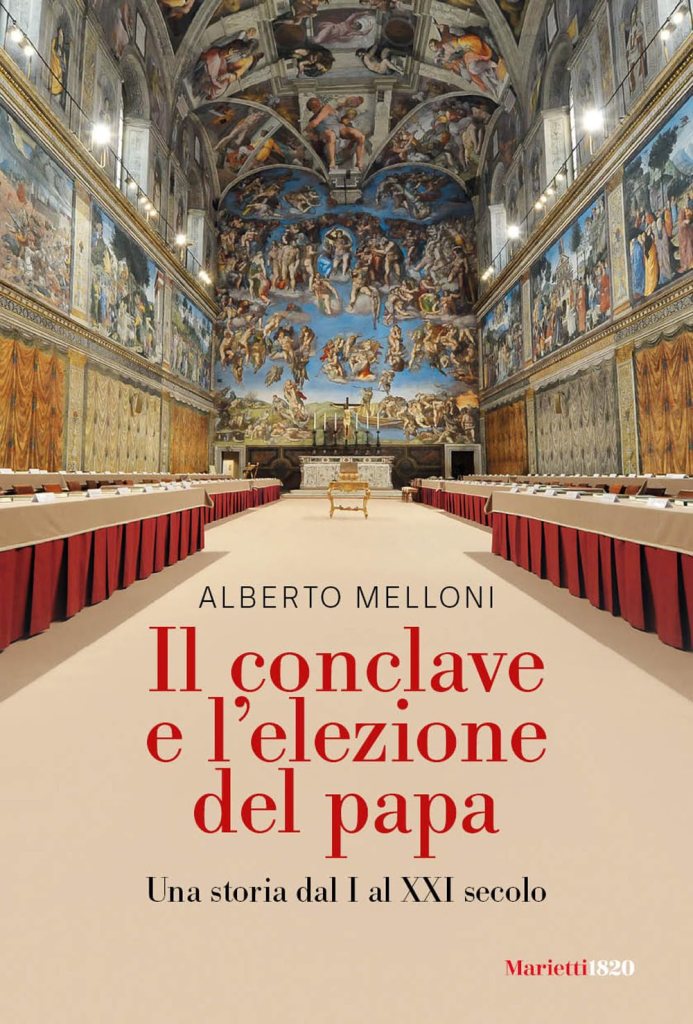
‘Extra Omnes’ è la frase pronunciata dal maestro delle celebrazioni liturgiche mentre chiude le porte della Cappella Sistina, prima dell’inizio del Conclave.
Con queste due parole, invita tutti coloro non direttamente coinvolti nell’elezione papale, a uscire dalla Cappella Sistina: l’elezione del pontefice è segreta e nessuno può assistere.

Il prossimo Conclave che ospiterà la Sistina sarà il 26°: i papi eletti in precedenza avevano a disposizione infatti altri luoghi per l’elezione del pontefice.
Sebbene la Cappella Sistina sia uno delle mete artistiche più visitate al mondo, rimane comunque un luogo identitario della chiesa cattolica.
Prima dell’entrata dei cardinali nella Sistina, la Cappella viene preparata da una squadra composta da una quarantina di persone che provvedono a collocare al suo interno una pedana di legno rivestita di panno, necessaria per proteggere la pavimentazione cosmatesca.

Successivamente dispongono tante sedie di ciliegio quanti sono i cardinali elettori e ciascuna viene contrassegnata con nome e cognome. Dodici invece sono i tavoli in legno grezzo coperti da un panno beige e satin bordeaux, disposti su due vile su due livelli.
Dinanzi all’altare viene collocata l’urna che raccoglierà i voti e un leggio con il Vangelo sopra il quale i votanti presteranno giuramento.

Come accade dal 1939, oltre la transenna marmorea, viene installata la stufa in ghisa formata da due elementi collegati tra di loro.
Verrà adoperata per bruciare le schede e la fumata che uscirà dalla Cappella preannuncerà ai fedeli l’elezione oppure no del nuovo pontefice.

Fumata nera se la maggioranza non viene raggiunta e fumata bianca se l’elezione del nuovo papa è andata a buon fine. La stufa ha uno sportello nella parte inferiore che consente di effettuarne l’accensione e la regolazione del tiraggio. La cosa curiosa che sulla parte superiore sono punzonate le date delle elezioni e dei nomi degli ultimi sei papi.
Di solito la fumata nera si ottiene bruciando le sole schede mentre quella bianca aggiungendo della paglia umida. Dal 2005 però si usano anche dei fumogeni per rendere più evidente il colore del fumo ai fedeli che nei giorni del conclave si accalcano in Piazza San Pietro.
Per il momento il sempre vostro Michelangelo Buonarroti vi saluta dandovi appuntamento ai prossimi post e sui social.
Conclave: Extra Omnes
‘Extra Omnes’ is the phrase pronounced by the master of liturgical celebrations as he closes the doors of the Sistine Chapel before the start of the Conclave.
With these two words, he invites all those not directly involved in the papal election to leave the Sistine Chapel: the election of the pontiff is secret and no outsider can attend.
The next Conclave that will host the Sistine Chapel will be the 26th: The popes elected previously had other places available for the conclave.
Although the Sistine Chapel is one of the most beautiful and visited artistic sites, it remains an identifying place of the Catholic Church.
Before the cardinals enter the Sistine Chapel, the Chapel is prepared by a team of about forty people who place a wooden platform covered in cloth inside it, necessary to protect the Cosmatesque flooring.
Subsequently, they arrange as many cherry wood chairs as there are cardinal electors and each is marked with their name and surname. There are twelve rough wooden tables covered with beige cloth and burgundy satin, arranged on two levels.
In front of the altar is placed the urn that will collect the votes and a lectern with the Gospel on which the voters will take the oath.
As has happened since 1939, beyond the marble barrier is placed the cast iron stove made of two elements connected to each other. It will be used to burn the ballots and the smoke that will come out of the Chapel will announce to the faithful whether or not the new pontiff has been elected.
Black smoke if the majority is not reached and white smoke when the new pope has been elected. The stove has a door in the lower part that allows it to be lit and the draft adjusted. The curious thing is that on the upper part are stamped the dates of the elections and the names of the last six popes.
Usually the black smoke is obtained by burning the ballots alone while the white smoke is obtained by adding damp straw. Since 2005, however, smoke bombs have also been used to make the color of the smoke more visible to the faithful who crowd into St. Peter’s Square during the days of the conclave.
For the moment, your ever Michelangelo Buonarroti bids you farewell, making an appointment with you in the next posts and on social media.

Sostienici – Support Us
Se questo blog ti piace e ti appassiona, puoi aiutarci a farlo crescere sempre più sostenendoci in modo concreto condividendo i post, seguendo le pagine social e con un contributo che ci aiuta ad andare avanti con il nostro lavoro di divulgazione. . ENGLISH: If you like and are passionate about this blog, you can help us make it grow more and more by supporting us in a concrete way by sharing posts, following social pages and with a contribution that helps us to move forward with our dissemination work.
10,00 €
Condividi:


Questo sono io





sostienici

Sostienici – Support Us
Se questo blog ti piace e ti appassiona, puoi aiutarci a farlo crescere sempre più sostenendoci in modo concreto condividendo i post, seguendo le pagine social e con un contributo che ci aiuta ad andare avanti con il nostro lavoro di divulgazione. . ENGLISH: If you like and are passionate about this blog, you can help us make it grow more and more by supporting us in a concrete way by sharing posts, following social pages and with a contribution that helps us to move forward with our dissemination work.
€10,00


1 commento »