

Caravaggio 2025: in mostra la stupefacente Giuditta e Oloferne
Tra le opere che saranno inserite nel percorso espositivo della grande mostra Caravaggio 2025 ci sarà una delle tele che preferisco: Giuditta e Oloferne, dipinta a olio fra il 1599 e il 1601 da Caravaggio per il banchiere genovese Ottavio Costa.
La prima volta che il mio alter ego ebbe modo di vedere questo capolavoro, all’interno della Galleria di Arte Antica in cui erano presenti solo i custodi, ha sentito il terreno mancarle sotto i piedi. Sindrome di Stendhal? Probabilmente sì.
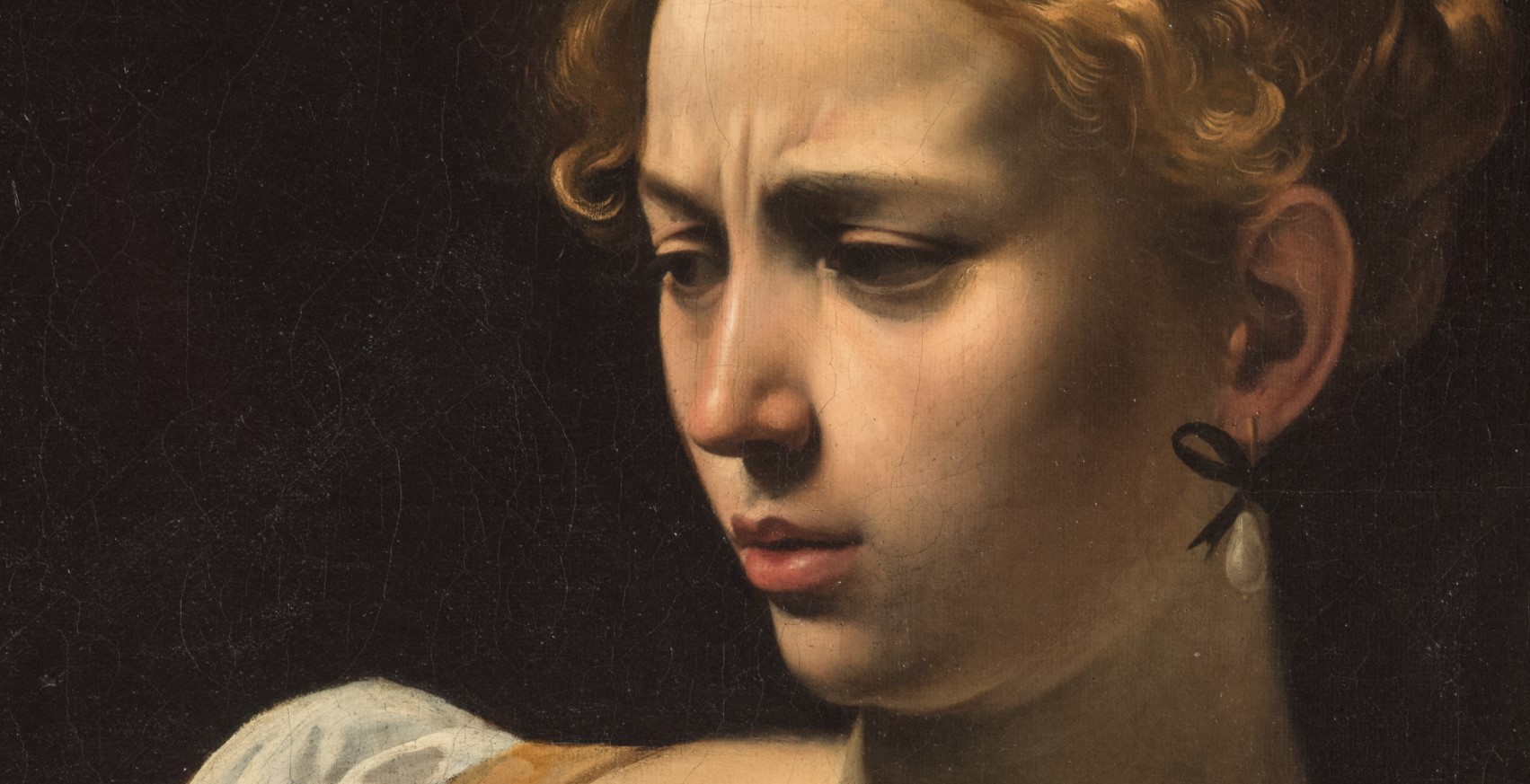
Con la vista nitida ma la mente annebbiata, non riusciva più ad allontanarsi da quei volti, da quel turbinio di sensazioni che Caravaggio ha saputo mettere in moto attraverso i pennelli e soprattutto attraverso la sua mente.
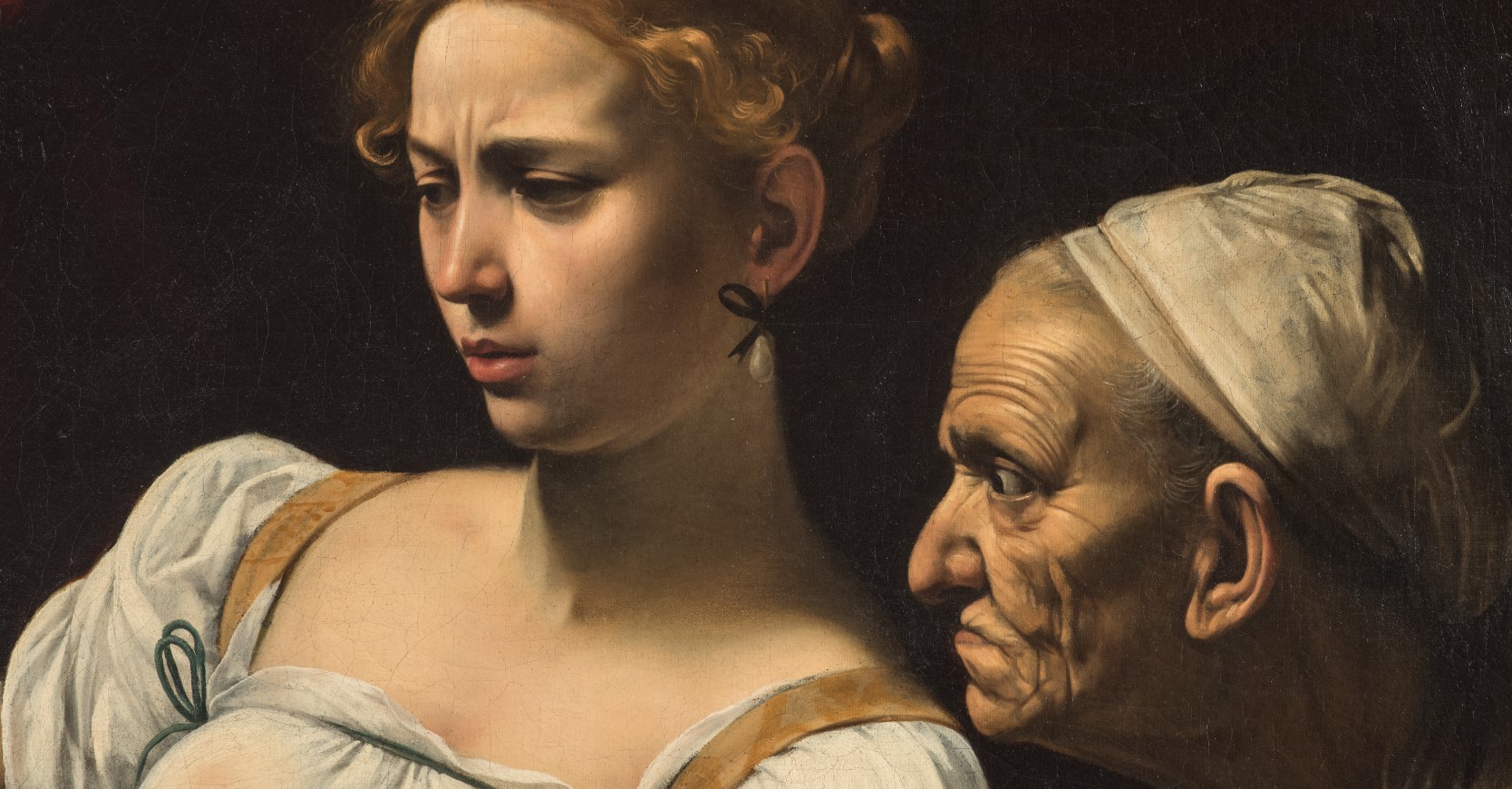
Il sapiente uso della luce e del buio in netto contrasto come in contrasto sono la pelle levigatissima della giovane Giuditta e quella più vissuta dell’anziana ancella, rendono il dipinto unico e sublime. Solo quell’opera basterebbe a giustificare un viaggio a Roma proveniendo dall’altra parte del mondo.

Certo, nella Città Eterna di capolavori da ammirare ce ne sono a centinaia, compresi i miei. Giuditta e Oloferne è uno di quelli che andrebbe visto almeno una volta nella vita. Se pensiate che stia esagerando è perché ancora non avete avuto modo di vederlo dal vero.
I tre protagonisti del dipinto escono fuori dallo sfondo oscuro per narrare allo spettatore uno degli episodi biblici più rappresentato nel mondo dell’arte ovvero quello in cui la giovane Giuditta salvò il suo popolo dall’assedio perpetrato da Oloferne, re assiro.

Gallerie Nazionali di Arte Antica – Palazzo Barberini, Roma (IT)
Crediti: Gallerie Nazionali di Arte Antica, Roma (MiC) – Bibliotheca Hertziana, Istituto Max Planck per la storia dell’arte/Enrico Fontola
Consapevole della sua avvenenza, una notte entrò con la propria serva Abra nella tenda del terribile tiranno facendogli credere che avrebbe ceduto alle sue lusinghe.
Pensando di approfittarsi di lei, la invitò a un fastoso banchetto durante il quale si ubriacò.
Giuditta, appena l’uomo iniziò ad apparire meno vigile, lo decapitò con una daga di tipo orientale. Ripose il capo mozzato in un sacco per consegnarlo al popolo sotto assedio come segno ineludibile di vittoria.
Caravaggio scelse scientemente di raffigurare proprio il momento della decapitazione, quando Giuditta sferra il colpo mortale con la mano destra mentre con l’altra lo tiene per i capelli.

Giuditta ha uno sguardo fermo e non dà segni di tentennamento nel compiere l’azione pensata. Le sopracciglia leggermente aggrotate e la bocca semi dischiusa sono il segno di un moto di disgusto che le sta attraversando la mente ma che non le turba la bellezza del volto.
Mentre il sangue esce a fiotti dal collo mozzato, Giuditta indossa una camicia bianca che simboleggia la sua purezza. L’artista ha vestito i personaggi con abiti tipici delle donne a lui contemporanee e non con le vesti che probabilmente indossavano nell’epoca in cui vissero.
Si pensa che Caravaggio avesse scelto come modella per Giuditta la amica e cortigiana Fillide Melandroni ma studi più recenti hanno identificato come modella la cortigiana romana Maddalena Antognetti.
Il dipinto di Giuditta e Oloferne, come accennato all’inizio dell’articolo, lo potrete ammirare assieme a tante altre opere di Caravaggio che arriveranno a Roma in occasione della mostra Caravaggio 2025 che aprirà i battenti al pubblico a partire dal 7 marzo.
Per il momento il sempre vostro Michelangelo Buonarroti vi saluta dandovi appuntamento ai prossimi post e sui social.
Caravaggio 2025: the amazing Judith and Holofernes on display
Among the works that will be included in the exhibition itinerary of the great Caravaggio 2025 exhibition there will be one of my favorite canvases: Judith and Holofernes, painted in oil between 1599 and 1601 by Caravaggio for the Genoese banker Ottavio Costa.
The first time my alter ego had the opportunity to see this masterpiece, inside the Gallery of Ancient Art where only the custodians were present, she felt the ground disappear under her feet. Stendhal syndrome? Probably yes.
With her eyesight clear but her mind clouded, she could no longer distance herself from those faces, from that whirlwind of sensations that Caravaggio was able to set in motion through his brushes and above all through his mind.
The clever use of light and darkness in stark contrast, as in contrast are the very smooth skin of the young Judith and the more experienced skin of the elderly maidservant, make the painting unique and sublime. That work alone would be enough to justify a trip to Rome from the other side of the world.
Of course, in the Eternal City there are hundreds of masterpieces to admire, including mine. Judith and Holofernes is one of those that should be seen at least once in a lifetime. If you think I’m exaggerating it’s because you haven’t had the chance to see it in real life yet.
The three protagonists of the painting emerge from the dark background to tell the viewer one of the most represented biblical episodes in the world of art, that in which the young Judith saved her people from the siege perpetrated by Holofernes, the Assyrian king.
Aware of her beauty, one night she entered the tent of the terrible tyrant with her servant Abra, making him believe that he would give in to her flattery.
Thinking of taking advantage of her, he invited her to a sumptuous banquet during which he got drunk.
As soon as the man began to appear less alert, Judith beheaded him with an oriental-style dagger. She placed the severed head in a sack to deliver it to the besieged people as an unavoidable sign of victory.
Caravaggio knowingly chose to depict the very moment of the beheading, when Judith delivers the fatal blow with her right hand while holding him by the hair with the other.
Judith has a firm gaze and shows no signs of hesitation in carrying out the action she has planned. Her slightly furrowed eyebrows and half-open mouth are the sign of a feeling of disgust that is crossing her mind but that does not disturb the beauty of her face.
While blood flows out in streams from the severed neck, Judith wears a white shirt that symbolizes her purity. The artist dressed the characters in clothes typical of women of his time and not in the clothes they probably wore in the era in which they lived.
It is thought that Caravaggio chose his friend and courtesan Fillide Melandroni as the model for Judith, but more recent studies have identified the Roman courtesan Maddalena Antognetti as the model.
As mentioned at the beginning of the article, you can admire the painting of Judith and Holofernes together with many other works by Caravaggio that will arrive in Rome for the Caravaggio 2025 exhibition that will open its doors to the public starting March 7.
For the moment, yours truly Michelangelo Buonarroti bids you farewell and invites you to the next posts and on social media.

Sostienici – Support Us
Se questo blog ti piace e ti appassiona, puoi aiutarci a farlo crescere sempre più sostenendoci in modo concreto condividendo i post, seguendo le pagine social e con un contributo che ci aiuta ad andare avanti con il nostro lavoro di divulgazione. . ENGLISH: If you like and are passionate about this blog, you can help us make it grow more and more by supporting us in a concrete way by sharing posts, following social pages and with a contribution that helps us to move forward with our dissemination work.
10,00 €
Condividi:


Questo sono io





sostienici

Sostienici – Support Us
Se questo blog ti piace e ti appassiona, puoi aiutarci a farlo crescere sempre più sostenendoci in modo concreto condividendo i post, seguendo le pagine social e con un contributo che ci aiuta ad andare avanti con il nostro lavoro di divulgazione. . ENGLISH: If you like and are passionate about this blog, you can help us make it grow more and more by supporting us in a concrete way by sharing posts, following social pages and with a contribution that helps us to move forward with our dissemination work.
€10,00


