

La Scultura del giorno: Psiche trasportata dagli Zefiri di John Gibson
La scultura del giorno che vi propongo oggi è Psiche trasportata dagli Zefiri scolpita da John Gibson, custodita oggi alla Galleria Nazionale d’Arte Antica di Palazzo Corsini, a Roma.
Nato nel Galles nel 1790, Gibson si trasferì in Italia nel 1816, dove visse e lavorò fino alla sua morte nel 1866. Roma divenne la sua seconda patria, un ambiente artistico fertile che lo influenzò profondamente.

Gibson u un fervente seguace del Neoclassicismo e un po’ tutte le sue opere furono caratterizzate da una grande purezza di linee, da una bellezza ideale e da un’attenzione ai dettagli anatomici.
Una delle sculture più note dell’artista fu proprio Psiche trasportata dai venti verso l’Isola di Cupido, realizzata nel 1816.
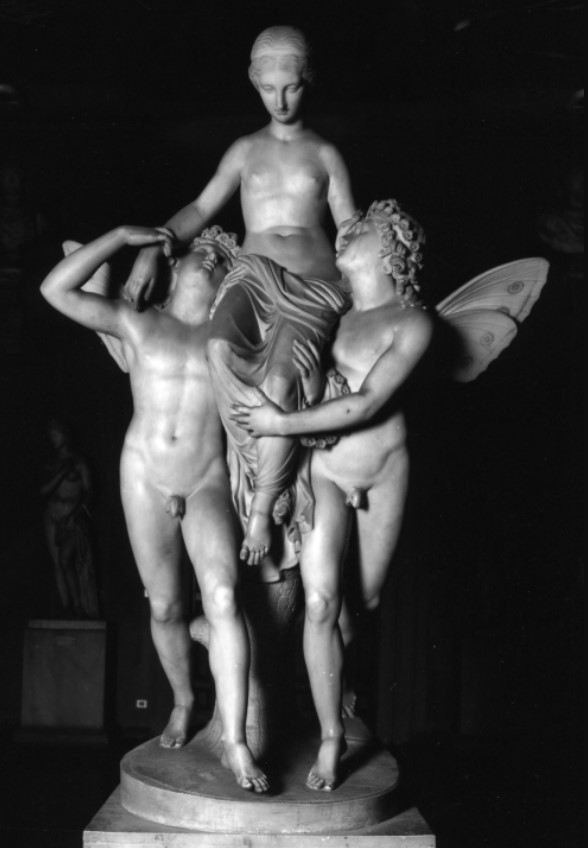
I due venti personificati da due figure maschili dotate di ali di farfalla, fanno sedere sulle spalle la giovane Psiche. Entrambi la guardano in modo adorante mentre lei con una posa da regina, rivolge il suo sguardo verso il basso.
L’artista incise sul tronco il proprio nome e il luogo di realizzazione dell’opera con la dicitura a lettere capitali GIBSON. FACIEBAT / ROMAE //.
Per il momento il sempre vostro Michelangelo Buonarroti vi saluta dandovi appuntamento ai prossimi post e sui social.
©Tutti i diritti sono riservati
Sculpture of the day: Psyche Carried Away by the Zephyrs by John Gibson
The sculpture of the day that I propose to you today is Psyche Carried Away by the Zephyrs sculpted by John Gibson, now kept at the Galleria Nazionale d’Arte Antica in Palazzo Corsini, in Rome.
Born in Wales in 1790, Gibson moved to Italy in 1816, where he lived and worked until his death in 1866. Rome became his second home, a fertile artistic environment that influenced him profoundly.
Gibson was a fervent follower of Neoclassicism and almost all of his works were characterized by a great purity of line, an ideal beauty and attention to anatomical details.
One of the artist’s most famous sculptures was Psyche Carried Away by the Winds to Cupid’s Island, created in 1816.
The two winds personified by two male figures with butterfly wings, make the young Psyche sit on their shoulders. Both look at her adoringly while she, with a queenly pose, turns her gaze downwards.
The artist engraved his name and the place where the work was made on the trunk with the wording in capital letters GIBSON . FACIEBAT / ROMAE //.
For the moment, yours ever Michelangelo Buonarroti bids you farewell, making an appointment with you in the next posts and on social media.
©All rights reserved

Sostienici – Support Us
Se questo blog ti piace e ti appassiona, puoi aiutarci a farlo crescere sempre più sostenendoci in modo concreto condividendo i post, seguendo le pagine social e con un contributo che ci aiuta ad andare avanti con il nostro lavoro di divulgazione. . ENGLISH: If you like and are passionate about this blog, you can help us make it grow more and more by supporting us in a concrete way by sharing posts, following social pages and with a contribution that helps us to move forward with our dissemination work.
10,00 €
-
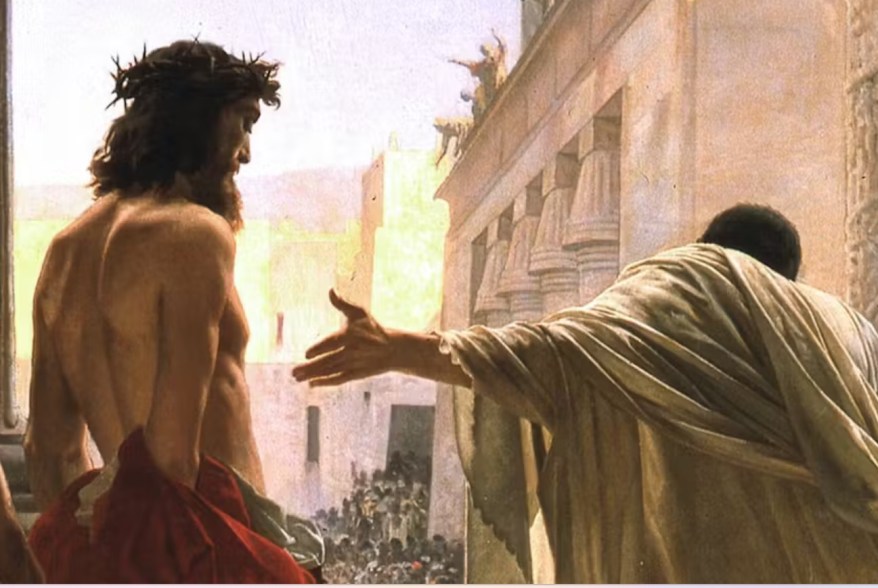
Venerdì Santo: gli “Ecce Homo” più intensi della storia dell’arte
🇮🇹Ecce Homo. Da Antonello da Messina a Tintoretto, fino al sorprendente capolavoro di Antonio Ciseri, questo soggetto ha attraversato i secoli raccontando dolore, umanità e coscienza… 🇬🇧Ecce Homo. From Antonello da Messina to Tintoretto, to Antonio Ciseri’s astonishing masterpiece, this subject has spanned the centuries, recounting pain, humanity, and conscience…
-
Attacco hacker agli Uffizi: rubati dati sensibili, mappe e codici di sicurezza
🇮🇹Attacco hacker alle Gallerie degli Uffizi: rubati dati sensibili, mappe e sistemi di sicurezza. A rischio opere, archivi e cybersicurezza del patrimonio artistico… 🇬🇧Hacker attack on the Uffizi Galleries: sensitive data, maps, and security systems stolen. Works of art, archives, and the cybersecurity of the artistic heritage are at risk…
-
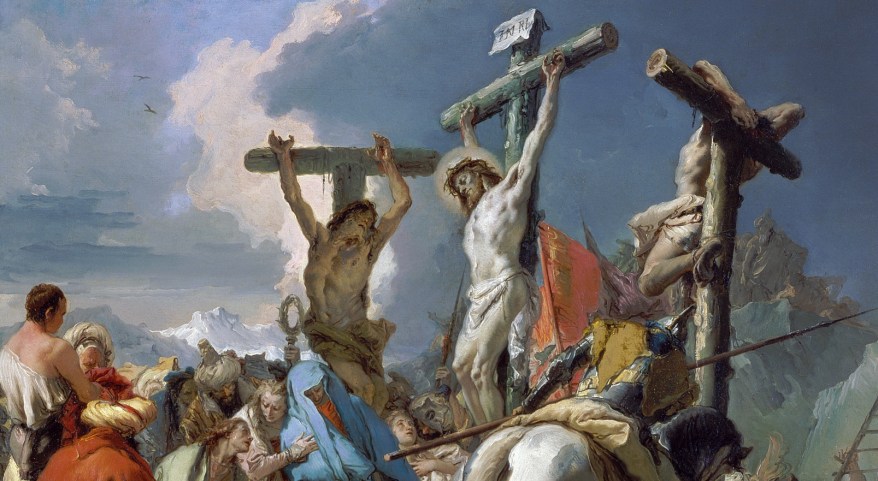
Venerdì Santo: la Crocifissione secondo Tiepolo
🇮🇹Nel giorno del Venerdì Santo, c’è un’opera che riesce ancora a scuotere lo sguardo. La Crocifissione di Giambattista Tiepolo non è come le altre: niente simmetrie perfette, niente distanza. Qui si entra dentro la scena, da un punto di vista obliquo, tra movimento, tensione e umanità… 🇬🇧On Good Friday, there’s a work that still manages…
Condividi:


Questo sono io





sostienici

Sostienici – Support Us
Se questo blog ti piace e ti appassiona, puoi aiutarci a farlo crescere sempre più sostenendoci in modo concreto condividendo i post, seguendo le pagine social e con un contributo che ci aiuta ad andare avanti con il nostro lavoro di divulgazione. . ENGLISH: If you like and are passionate about this blog, you can help us make it grow more and more by supporting us in a concrete way by sharing posts, following social pages and with a contribution that helps us to move forward with our dissemination work.
€10,00


