
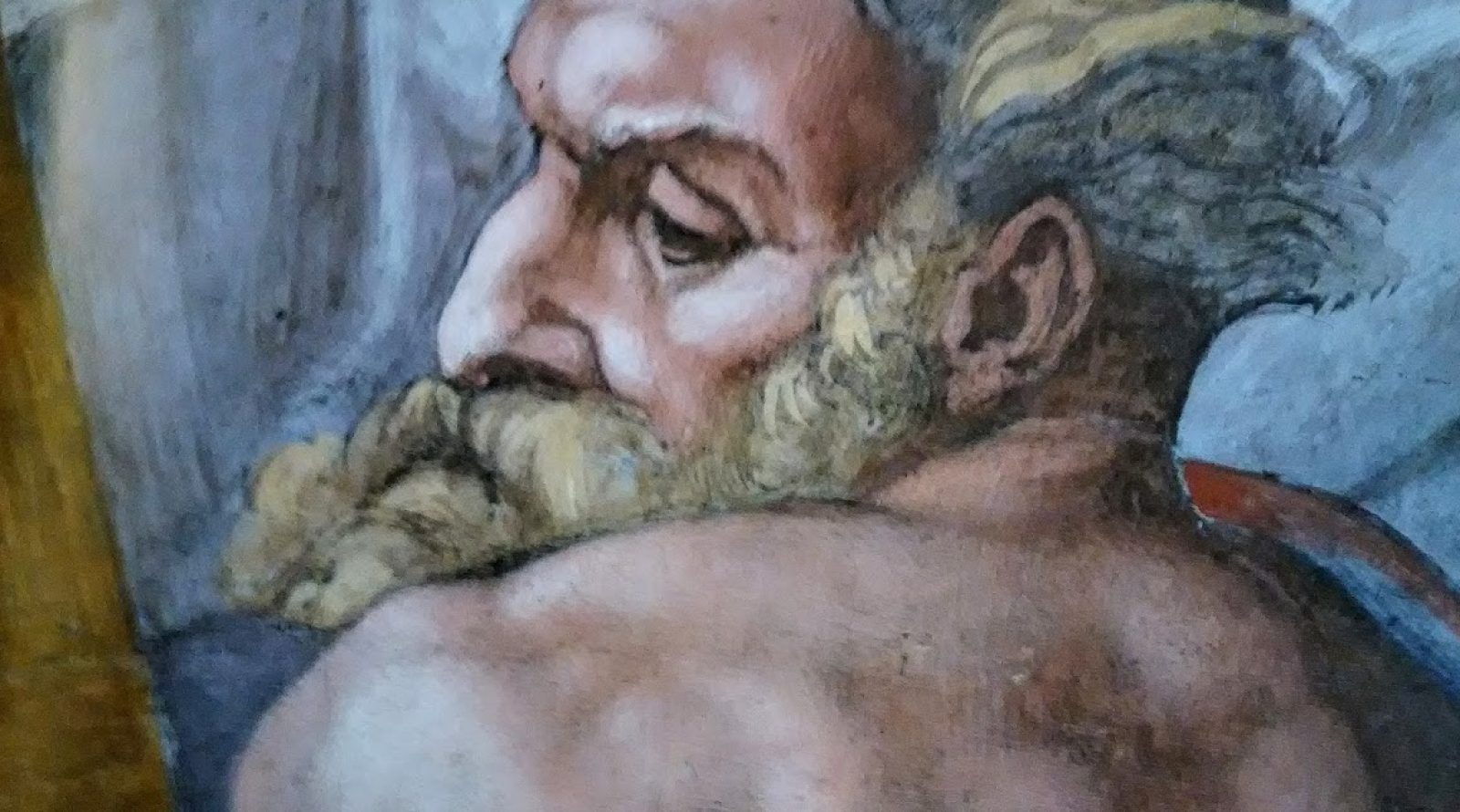
18 agosto 1835: nasce Telemaco Signorini
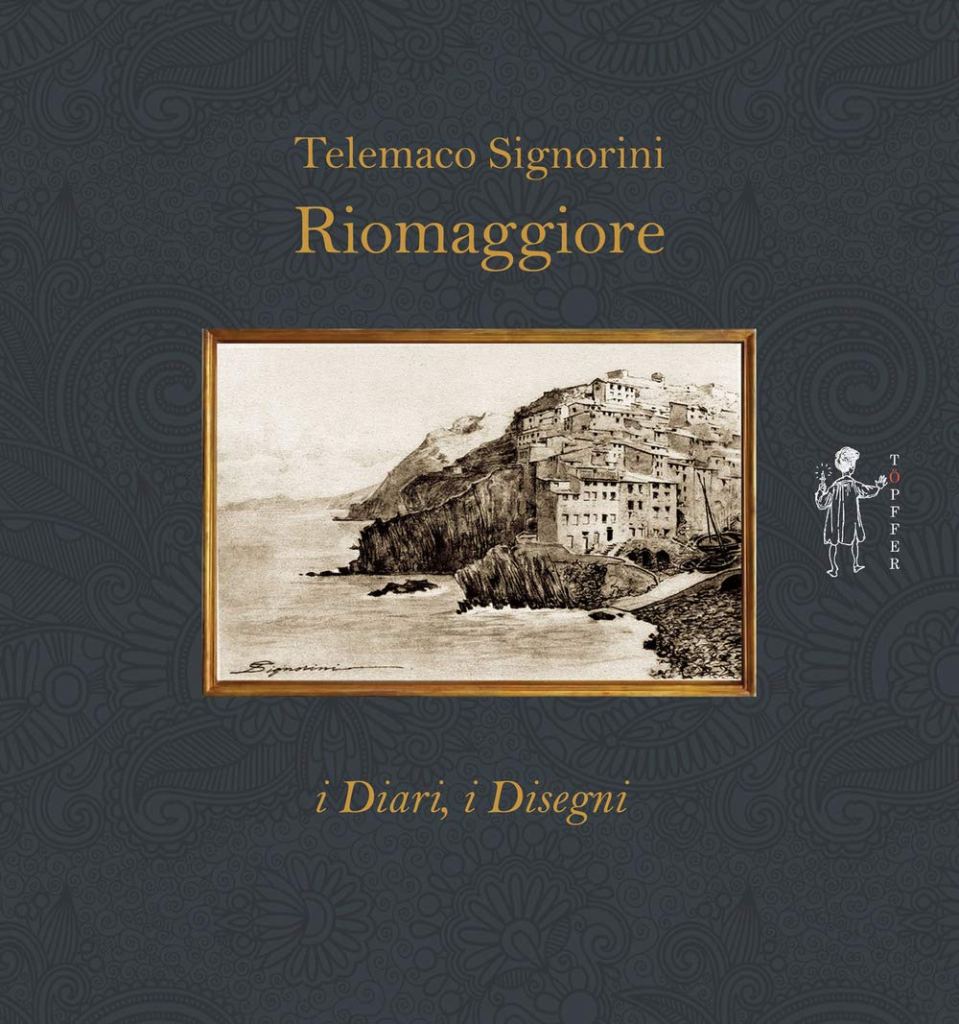
Il 18 agosto del 1835 nacque a Firenze Telemaco Signorini da Giustina Santoni e Giovanni Signorini, pittore molto apprezzato che lavorava al servizio di Leopoldo II, Granduca di Toscana.
Da ragazzo si dedicò agli studi classici ma, su insistenza del padre che lo stava iniziando all’arte della pittura, si iscrisse nel 1852 all’Accademia di Belle Arti di Firenze. Frequentò l’accademia controvoglia non tanto perché non amasse l’arte ma perché mal tollerava quegli schei rigidi che gli venivano imposti.

Nel 1856 lasciò l’accademia preferendo dedicarsi alla pittura all’aria aperta, praticata assieme agli amici Vincenzo Cabianca e Odoardo Borrani.
La macchia e i Macchiaioli
La cosiddetta ‘macchia‘ era una tecnica pittorica che prevedeva di rendere la forma e il volume degli oggetti attraverso una pennellata rapida e sintetica, concentrandosi sulle masse di colore e sulla luce. Signorini rimase affascinato da questa innovativa modalità espressiva.
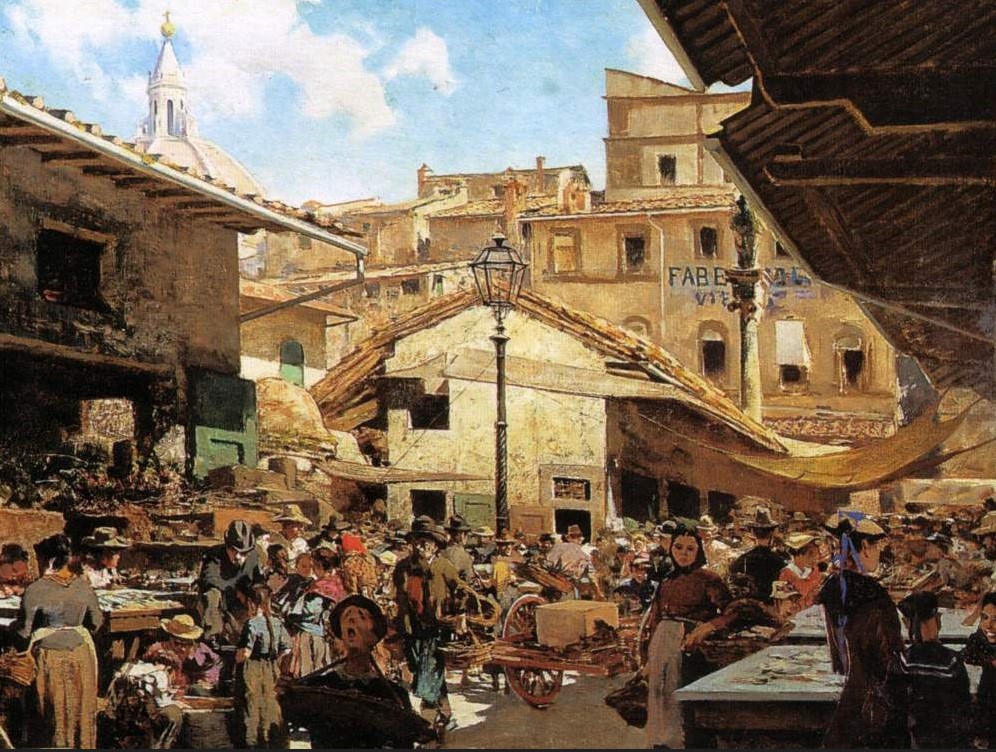
Telemaco divenne così una figura fondamentale del movimento artistico italiano dei Macchiaioli. La sua arte fu intrinsecamente legata alla Toscana dell’Ottocento e al fermento culturale che caratterizzò quell’epoca.
Temi e Stile
L’opera di Signorini è caratterizzata da una grande varietà di soggetti, che spaziano dai paesaggi toscani alle scene di vita quotidiana, dai ritratti alle nature morte. Nella rappresentazione della realtà contemporanea, l’artista raggiunge i vertici della sua espressione.
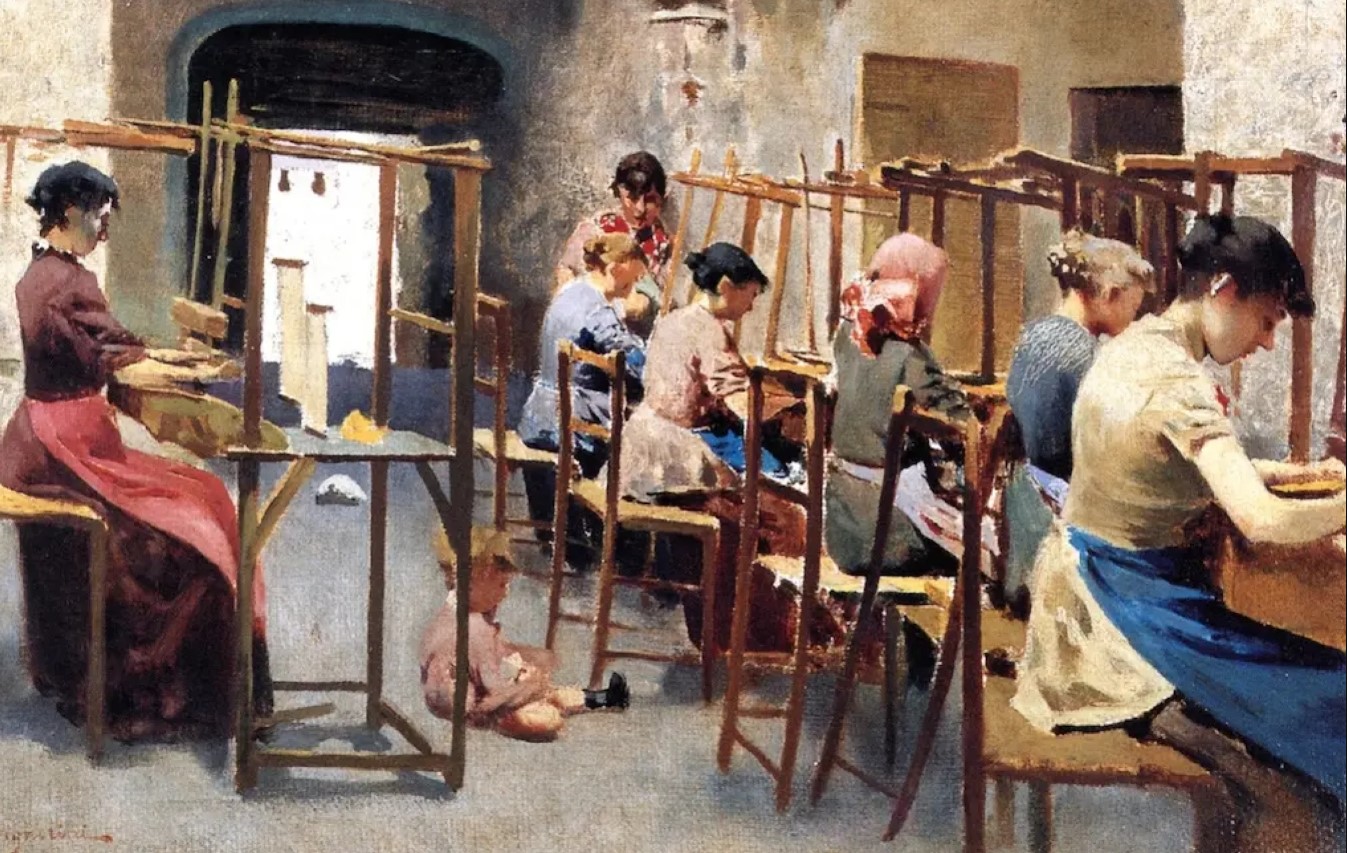
Telemaco dipinse con grande maestria i paesaggi della sua terra, catturando la luce e l’atmosfera delle campagne e delle città toscane. Era particolarmente interessato alla rappresentazione della vita popolare, ritraendo figure di contadini, pescatori e artigiani nelle loro attività quotidiane.
I ritratti che realizzava erano intrisi di una grande intensità psicologica e da una resa realistica dei particolari.
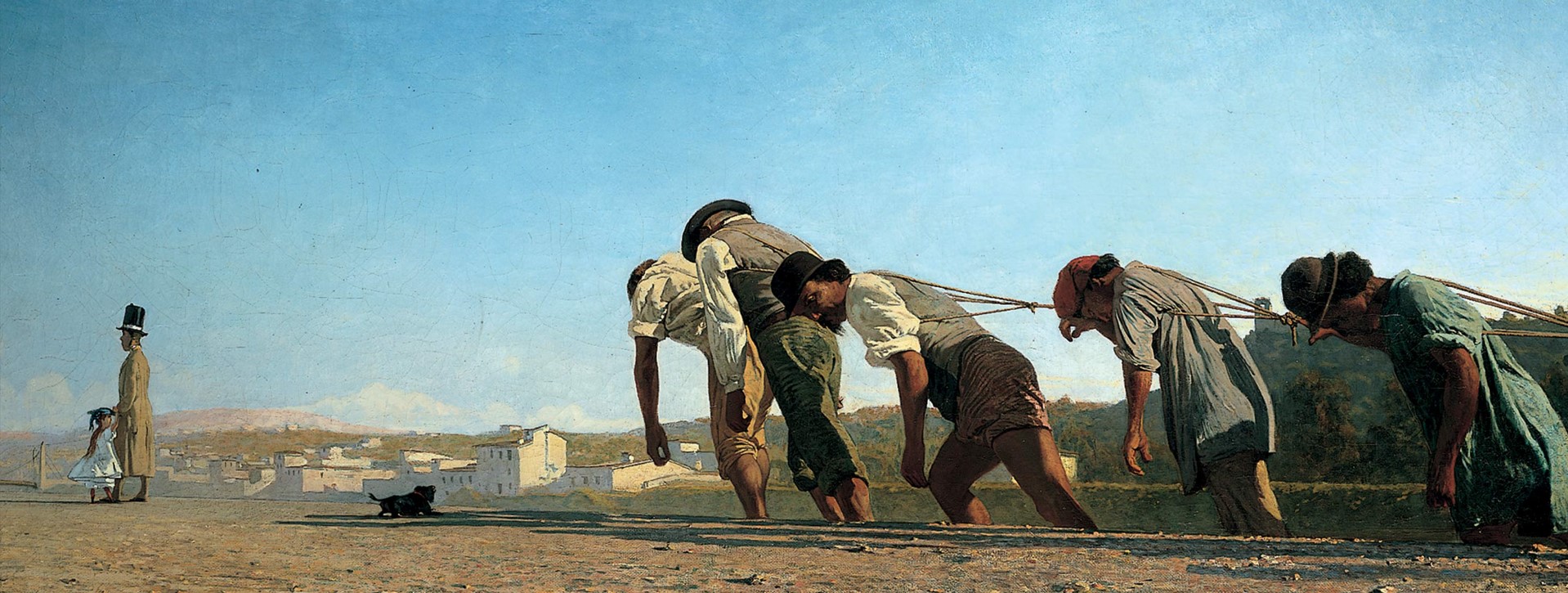
Lo stile di Signorini è riconoscibile dalla pennellata rapida e decisa, per l’uso di colori puri e luminosi e per le rigorose composizione. Apprezzabile anche la sensibilità per la luce che aveva e per la resa delle atmosfere, entrambi elementi fondamentali nella sua pittura.
Per il momento il sempre vostro Michelangelo Buonarroti vi saluta dandovi appuntamento ai prossimi post e sui social.
© Riproduzione riservata


Sostienici – Support Us
Se questo blog ti piace e ti appassiona, puoi aiutarci a farlo crescere sempre più sostenendoci in modo concreto condividendo i post, seguendo le pagine social e con un contributo che ci aiuta ad andare avanti con il nostro lavoro di divulgazione. . ENGLISH: If you like and are passionate about this blog, you can help us make it grow more and more by supporting us in a concrete way by sharing posts, following social pages and with a contribution that helps us to move forward with our dissemination work.
10,00 €
August 18, 1835: Telemaco Signorini is born
On August 18, 1835, Telemaco Signorini was born in Florence to Giustina Santoni and Giovanni Signorini, a highly regarded painter who worked in the service of Leopold II, Grand Duke of Tuscany.
As a boy, he devoted himself to classical studies but at the insistence of his father who was introducing him to the art of painting, he enrolled in the Academy of Fine Arts in Florence in 1852. He attended the academy reluctantly not so much because he did not love art but because he could not tolerate the rigid rules that were imposed on him.
In 1856, he left the academy, preferring to dedicate himself to painting in the open air, practiced together with his friends Vincenzo Cabianca and Odoardo Borrani.
The Macchiaioli and the Macchiaioli
The so-called ‘macchia‘ was a painting technique that involved rendering the shape and volume of objects through a rapid and synthetic brushstroke, concentrating on the masses of color and light. Signorini was fascinated by this innovative form of expression.
Telemaco thus became a key figure in the Italian artistic movement of the Macchiaioli. His art was intrinsically linked to nineteenth-century Tuscany and the cultural ferment that characterized that era.
Themes and Style
Signonini’s work is characterized by a great variety of subjects, ranging from Tuscan landscapes to scenes of everyday life, from portraits to still lifes. In the representation of contemporary reality, the artist reaches the heights of his expression.
Telemaco painted the landscapes of his land with great mastery, capturing the light and atmosphere of the Tuscan countryside and cities. He was particularly interested in the representation of popular life, portraying figures of farmers, fishermen and craftsmen in their daily activities.
The portraits he created were imbued with great psychological intensity and a realistic rendering of details.
Signorini’s style is recognizable by the rapid and decisive brushstrokes, the use of pure and bright colors and the rigorous compositions. Also appreciable is his sensitivity to light and the rendering of atmospheres, both fundamental elements in his painting.
For the moment, yours always Michelangelo Buonarroti bids you farewell, making an appointment with you in the next posts and on social media.
© Reproduction reserved
Sostienici – Support Us
Se questo blog ti piace e ti appassiona, puoi aiutarci a farlo crescere sempre più sostenendoci in modo concreto condividendo i post, seguendo le pagine social e con un contributo che ci aiuta ad andare avanti con il nostro lavoro di divulgazione. . ENGLISH: If you like and are passionate about this blog, you can help us make it grow more and more by supporting us in a concrete way by sharing posts, following social pages and with a contribution that helps us to move forward with our dissemination work.
10,00 €
-
Come se la giustizia negata in vita possa compiersi altrove
🇮🇹Se davvero l’anima, una volta sciolta dal corpo, ritorna sulla terra per vivere ancora, così mi domando, quale sorte attende chi oggi appare tanto bella ai miei occhi, ma così crudele nel cuore? 🇬🇧If the soul, once freed from the body, truly returns to earth to live again, I ask myself, what fate awaits the…
-
Quel sorriso del violinista felice di Gerrit van Honthorst
🇮🇹Un brindisi, un sorriso, una luce che taglia il buio. Conoscete il dipinto del violinista felice con un bicchiere di vino (1624) di Gerrit van Honthorst?… 🇬🇧A toast, a smile, a light that cuts through the darkness. Are you familiar with the painting of the Happy Violinist with a Glass of Wine (1624) by Gerrit…
-
Noli me tangere di Federico Barocci: il capolavoro agli Uffizi che racconta l’incontro più emozionante dopo la Resurrezione
🇮🇹Nel Noli me tangere di Federico Barocci Maria Maddalena riconosce Cristo risorto e prova a toccarlo. Ma lui la ferma… 🇬🇧In Federico Barocci’s Noli Me Tangere, Mary Magdalene recognizes the risen Christ and tries to touch him. But he stops her…
Condividi:


Questo sono io





sostienici

Sostienici – Support Us
Se questo blog ti piace e ti appassiona, puoi aiutarci a farlo crescere sempre più sostenendoci in modo concreto condividendo i post, seguendo le pagine social e con un contributo che ci aiuta ad andare avanti con il nostro lavoro di divulgazione. . ENGLISH: If you like and are passionate about this blog, you can help us make it grow more and more by supporting us in a concrete way by sharing posts, following social pages and with a contribution that helps us to move forward with our dissemination work.
€10,00


