

Niente di meno che la perfezione per non imprecare contro il Creatore
Perfette, le mie opere dovevano essere impeccabili. Omaggiando Dio con l’arte mia, come potevo realizzare figure meno che mirabili se lui stesso ci aveva creato a immagine e somiglianza sua?
Avrei bestemmiato senza proferir parola disegnando, scolpendo o dipingendo un essere umano che fosse perfettibile.

Scrisse il Vasari nella versione giuntina delle vite: “Ha avuto l’immaginativa tale e sì perfetta, che le cose propostosi nella idea sono state tali che con le mani, per non poter esprimere sì grandi e terribili concetti, ha spesso abandonato l’opera sue, anzi ne ha guastato molte, come io so he, innanzi che morissi di poco, abruciò gran numero di disegni, schizzi e cartoni fatti di man sua, acciò nessuno vedessi le fatiche durate da lui et i modi di tentare l’ingegno suo, per non apparire se non perfetto“.
Non è questione di presunzione ma la perfezione che cercavo nell’arte la dovevo al Creatore e al suo averci creato a propria immagine.

Se qualcosa non mi veniva come me l’ero creato nella mente, lo distruggevo o lo abbandonavo per ricominciare l’opera da capo. Pensate per esempio alla Pietà Bandini e alla prima versione del Cristo della Minerva.
Se cercate notizie relative alle opere rimaste non ultimate non vi sarà difficile rendervi conto che per ciascuna di esse c’è una motivazione. Pensate ai Prigioni. Smisi di lavorarci quando a causa della riduzione del progetto con gli eredi di Giulio II della Rovere, non avrebbero più trovato nel mausoleo una collocazione.

Altre sculture invece le lasciai perdere perché avrei dovuto realizzare altri lavori. A tal proposito pensate alle sculture che realizzai per la Sagrestia Nuova; smisi di lavorarci nel 1534, quando partii alla volta di Roma per non fare più ritorno.
La Pietà Bandini? Beh, oltre ad abbandonarla perché il marmo era troppo duro e mi faceva tribolare, la presi a martellate.

Il non finito nelle opere mie non è mai casuale ma c’è sempre una motivazione dietro.
Per il momento il sempre vostro Michelangelo Buonarroti vi saluta dandovi appuntamento ai prossimi post e sui social.
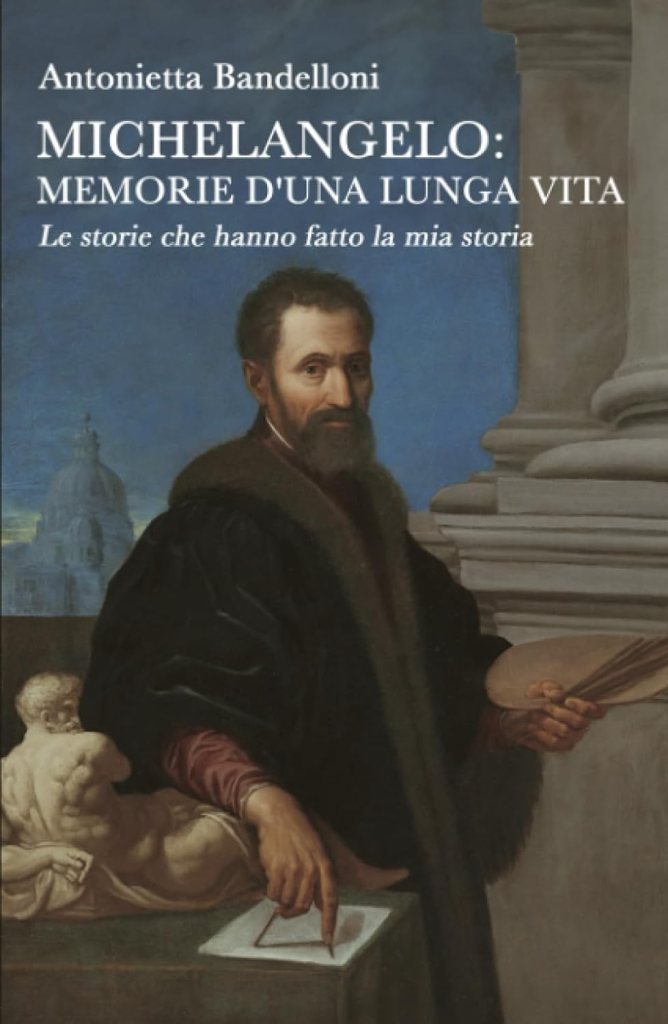
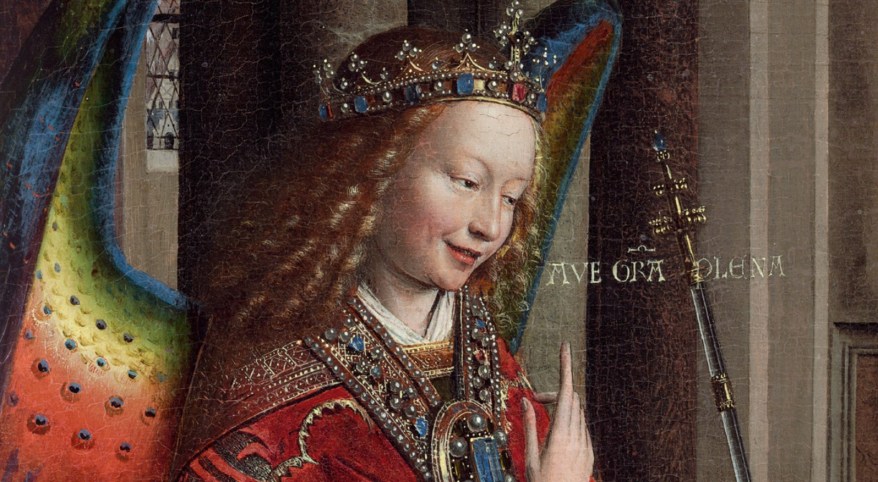
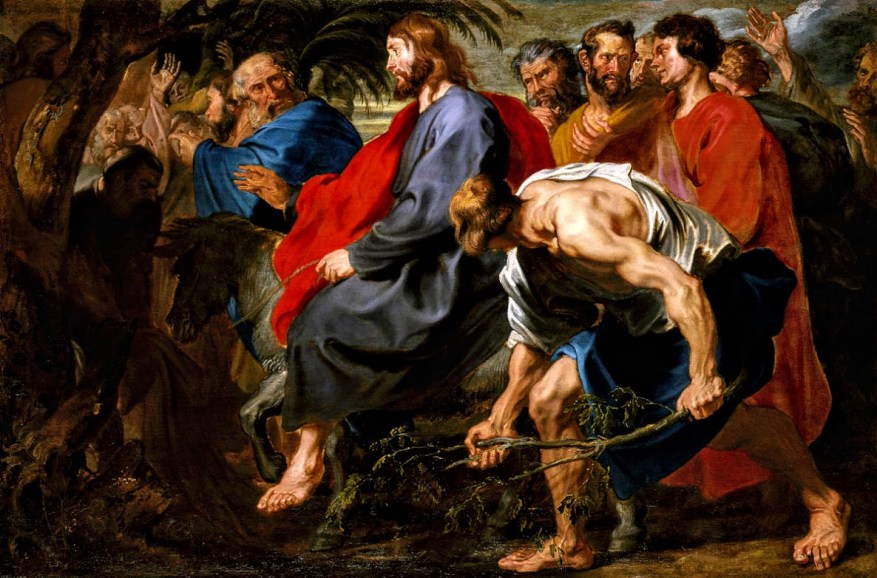
Nothing less than perfection so as not to curse the Creator
Perfect, my works had to be flawless. Paying homage to God with my art, how could I create less than admirable figures if he himself had created us in his image and likeness?
I would have cursed without saying a word by drawing, sculpting or painting a human being who was perfectible.
Vasari wrote in Giunti’s version of the lives: “He had such a perfect imagination that the things he proposed in his idea were such that with his hands, in order not to be able to express such great and terrible concepts, he often abandoned the work. of his, indeed he ruined many of them, as I know that, before he died shortly, he burned a large number of drawings, sketches and cartoons made by his own hand, so that no one would see the efforts he put in and the ways in which he tested his genius. , so as not to appear anything other than perfect.”
It’s not a question of presumption but I owed the perfection I sought in art to the Creator and to him having created us in his own image.
If something didn’t come out the way I had created it in my mind, I destroyed it or abandoned it to start the work all over again. Think for example of the Bandini Pietà and the first version of Minerva’s Christ.
If you are looking for information relating to the works that have remained unfinished, it will not be difficult to realize that for each of them there is a motivation. Think about Prisons. I stopped working on it when, due to the reduction of the project with the heirs of Julius II della Rovere, they would no longer find a place in the mausoleum.
Other sculptures, however, I left aside because I would have had to create other works. In this regard, think of the sculptures I created for the New Sacristy; I stopped working on it in 1534, when I left for Rome and never returned.
The Bandini Pietà? Well, in addition to abandoning it because the marble was too hard and making me suffer, I hit it with a hammer.
The unfinished in my works is never accidental but there is always a motivation behind it.
For the moment, your always Michelangelo Buonarroti greets you and will meet you in the next posts and on social media.

Sostienici – Support Us
Se questo blog ti piace e ti appassiona, puoi aiutarci a farlo crescere sempre più sostenendoci in modo concreto condividendo i post, seguendo le pagine social e con un contributo che ci aiuta ad andare avanti con il nostro lavoro di divulgazione. . ENGLISH: If you like and are passionate about this blog, you can help us make it grow more and more by supporting us in a concrete way by sharing posts, following social pages and with a contribution that helps us to move forward with our dissemination work.
10,00 €
-
Festival La Versiliana 2026: tra musica, teatro e grandi narrazioni
Dal 17 luglio al 23 agosto 2026, la pineta di Marina di Pietrasanta ospiterà la 47ª edizione del Festival La Versiliana. Una kermesse aperta a tutti nella quale linguaggi diversi dialogano tra loro in un equilibrio tra tradizione e contemporaneità.
-
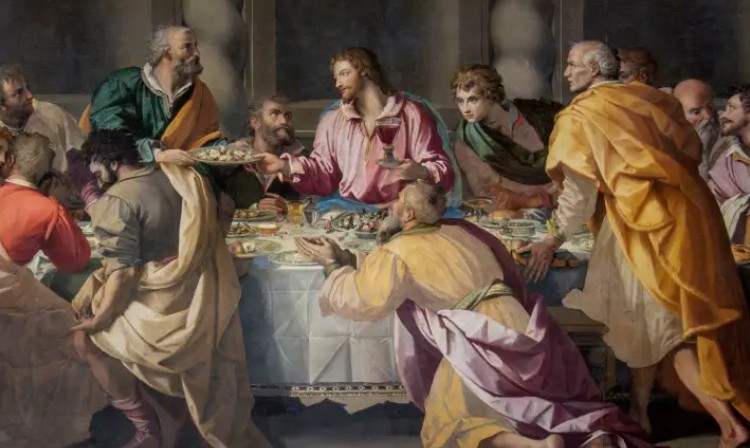
Giovedì Santo: l’Ultima Cena di Allori che pochi conoscono a Firenze
🇮🇹Nel cuore di Museo di Santa Maria Novella, a Firenze, si conserva una delle interpretazioni più affascinanti e meno note dell’Ultima Cena: quella realizzata da Alessandro Allori nel 1584… 🇬🇧In the heart of the Santa Maria Novella Museum in Florence, one of the most fascinating and least-known interpretations of the Last Supper is preserved: the…
-
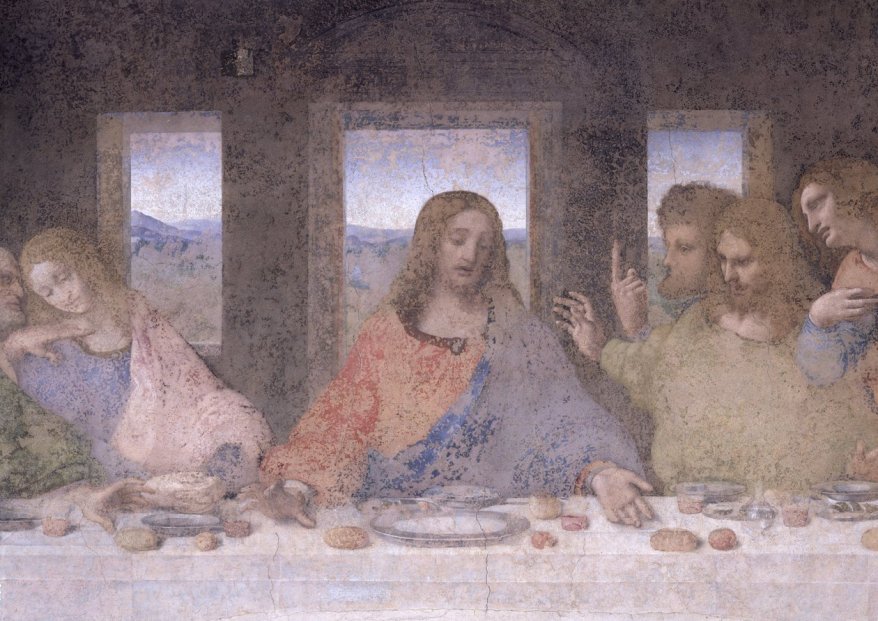
Cenacolo di Leonardo: i dettagli che raccontano il tradimento
🇮🇹Nel Cenacolo di Leonardo da Vinci, custodito a Santa Maria delle Grazie, Cristo annuncia il tradimento e il tempo si ferma… 🇬🇧In Leonardo da Vinci’s Last Supper, housed in Santa Maria delle Grazie, Christ announces the betrayal and time stands still…
Condividi:


Questo sono io





sostienici

Sostienici - Support Us
Se questo blog ti piace e ti appassiona, puoi aiutarci a farlo crescere sempre più sostenendoci in modo concreto condividendo i post, seguendo le pagine social e con un contributo che ci aiuta ad andare avanti con il nostro lavoro di divulgazione. . ENGLISH: If you like and are passionate about this blog, you can help us make it grow more and more by supporting us in a concrete way by sharing posts, following social pages and with a contribution that helps us to move forward with our dissemination work.
€10,00


