
30 maggio 1640: muore Rubens ad Anversa, il maestro della pittura barocca
Il celebre pittore fiammingo Peter Paul Rubens passò a miglior vita ad Anversa, all’età di 62 anni, il 30 maggio del 1640.
Considerato uno dei più grandi artisti del barocco, Rubens ha lasciato un’eredità immensa, con opere iconiche come ‘Il rapimento delle figlie di Leucippo’, la straordinaria ‘Adorazione dei Magi’ e ‘Le tre Grazie’ giusto per citare solo alcuni dei suoi capolavori. L’influenza che ebbe sulla pittura fiamminga ed europea è stata profonda e durò negli anni a seguire, dopo la sua dipartita dal vostro mondo.

Ancora oggi, a 384 anni dalla sua scomparsa, Rubens continua ad essere ammirato e celebrato per la sua maestria tecnica, la sua riconoscibile tavolozza e per la capacità di infondere vita e movimento alle figure che creava.
Gli inizi e la formazione
Peter Paul Rubens era nato il 28 giugno 1577 a Siegen, in Germania. Figlio di un avvocato fiammingo calvinista in esilio, trascorse i primi anni della sua vita in Germania ma nel 1589 si trasferì ad Anversa dove ebbe modo di ricevere una solida educazione umanistica e si convertì al cattolicesimo.

Fu proprio ad Anversa che Rubens iniziò la sua formazione artistica, in un primo momento come apprendista presso Tobias Verhaeght e poi sotto la guida di due importanti pittori locali: Adam van Noort e Otto van Veen.
La sua carriera ebbe un’ascesa fulminea e Rubens divenne presto uno dei pittori più richiesti e celebrati d’Europa

Lo stile e le opere principali
Rubens era noto per i suoi dipinti ad olio di dimensioni monumentali, caratterizzati da composizioni dinamiche, colori vivaci e un uso magistrale della luce e dell’ombra. La sua capacità che aveva di catturare il movimento in ogni pennellata conferiva un realismo sorprendente alle sue opere.
Tra le sue opere più celebri figurano ‘La sconfitta di Sennacherib‘, un capolavoro che narra l’omonima battaglia, ‘La festa di Venere’ che incarna l’ideale di bellezza e sensualità attraverso la rappresentazione sublime delle figure femminili e ‘Il giudizio di Paride’, un dipinto che esplora il mito classico con eleganza e drammaticità.

Peter Paul Rubens rimane un pilastro della storia dell’arte, un visionario che ha plasmato il corso della pittura barocca e ha lasciato un’impronta indelebile nell’immaginario artistico mondiale.
Per il momento il sempre vostro Michelangelo Buonarroti vi saluta dandovi appuntamento ai prossimi post e sui social.


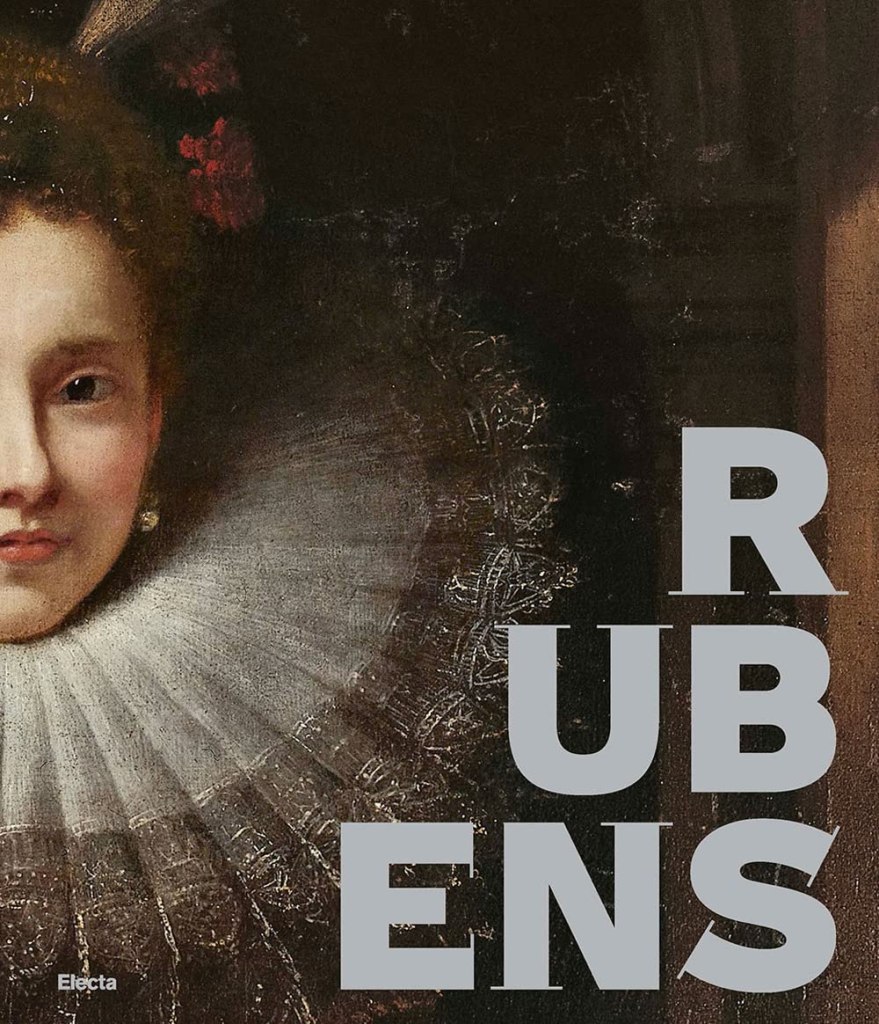
May 30, 1640: Rubens, the master of Baroque painting, dies in Antwerp
The famous Flemish painter Peter Paul Rubens passed away in Antwerp, at the age of 62, on 30 May 1640.
Considered one of the greatest artists of the Baroque, Rubens left an immense legacy, with iconic works such as ‘The Abduction of the Daughters of Leucippus’, the extraordinary ‘Adoration of the Magi’ and ‘The Three Graces’ to name just a few of his masterpieces. The influence he had on Flemish and European painting was profound and lasted in the years that followed, after his departure from your world.
The beginnings and training
Peter Paul Rubens was born on June 28, 1577 in Siegen, Germany. Son of a Flemish Calvinist lawyer in exile, he spent the first years of his life in Germany but in 1589 he moved to Antwerp where he received a solid humanistic education and converted to Catholicism.
It was in Antwerp that Rubens began his artistic training, initially as an apprentice to Tobias Verhaeght and then under the guidance of two important local painters: Adam van Noort and Otto van Veen.
His career had a meteoric rise and Rubens soon became one of the most sought-after and celebrated painters in Europe.
The style and main works
Rubens was known for his monumentally sized oil paintings, characterized by dynamic compositions, vibrant colors, and a masterful use of light and shadow. His ability to capture movement in every brushstroke gave an astonishing realism to his works.
Among his most famous works are ‘The Defeat of Sennacherib’, a masterpiece that narrates the battle of the same name, ‘The Feast of Venus’ which embodies the ideal of beauty and sensuality through the sublime representation of female figures and ‘The Judgment of Paris’, a painting that explores the classical myth with elegance and drama.
Peter Paul Rubens remains a pillar of art history, a visionary who shaped the course of Baroque painting and left an indelible imprint on the world’s artistic imagination.
For the moment, your always Michelangelo Buonarroti greets you and will meet you in the next posts and on social media.

Sostienici – Support Us
Se questo blog ti piace e ti appassiona, puoi aiutarci a farlo crescere sempre più sostenendoci in modo concreto condividendo i post, seguendo le pagine social e con un contributo che ci aiuta ad andare avanti con il nostro lavoro di divulgazione. . ENGLISH: If you like and are passionate about this blog, you can help us make it grow more and more by supporting us in a concrete way by sharing posts, following social pages and with a contribution that helps us to move forward with our dissemination work.
10,00 €
-
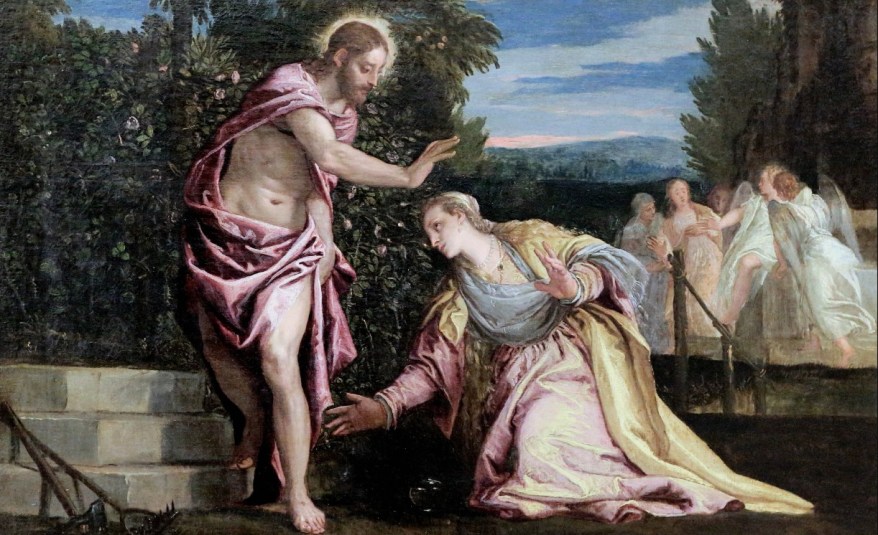
Pasquetta, tra spiritualità e arte: il significato del Lunedì dell’Angelo e i capolavori del “Noli me tangere”
🇮🇹Il Lunedì dell’Angelo racchiude uno dei momenti più intensi del Vangelo: l’incontro tra Gesù risorto e Maria Maddalena, raccontato nel celebre “Noli me tangere”. Un episodio che nei secoli ha ispirato artisti straordinari, dando vita a opere cariche di emozione, spiritualità e bellezza. .. 🇬🇧Easter Monday encompasses one of the most intense moments in the…
-
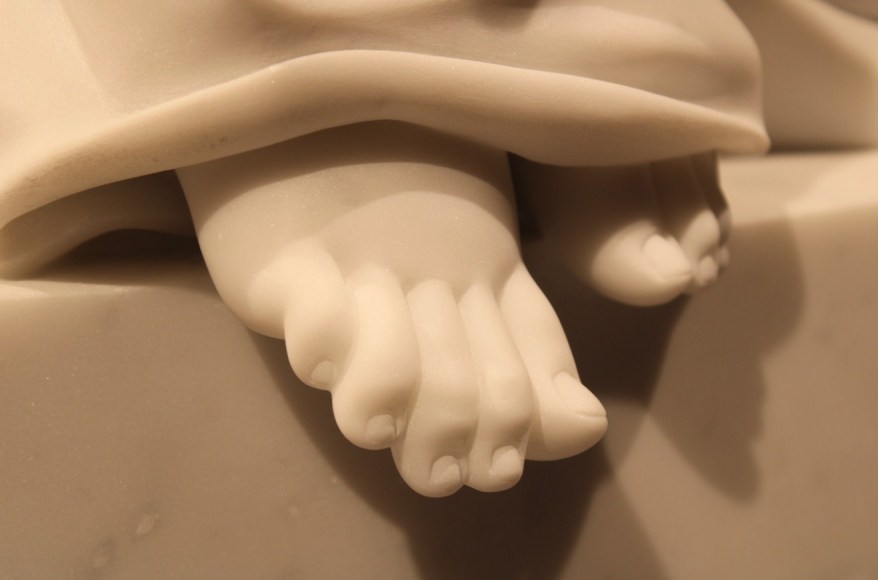
La Pietà di Tincolini: a Pontedera l’arte torna a fare domande scomode
🇮🇹“Pietà”, la scultura di Filippo Tincolini, insieme alle parole di Federico Quaranta e Andrea Pezzi, non è stato solo uno spettacolo. È stata una domanda lanciata in faccia al pubblico, impossibile da evitare: siamo ancora capaci di provare pietà? 🇬🇧 “Pietà,” Filippo Tincolini’s sculpture, along with the words of Federico Quaranta and Andrea Pezzi, wasn’t…
-
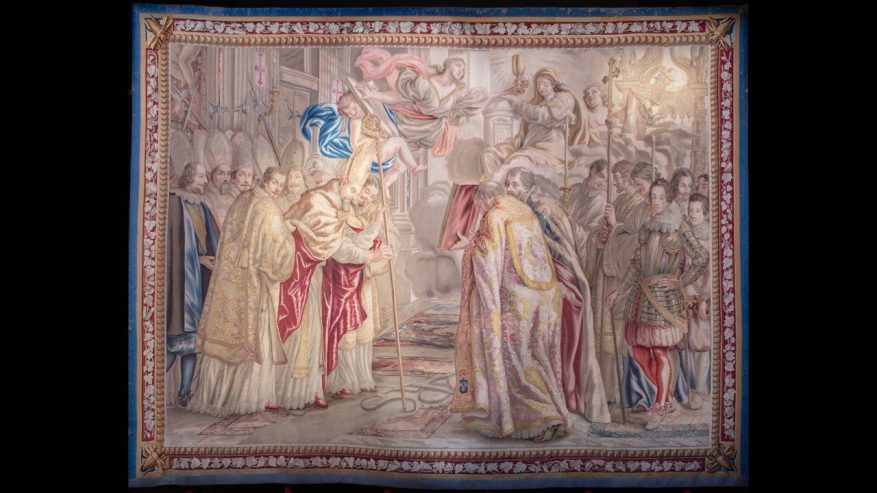
Ai Musei Vaticani i fasti barocchi di Urbano VIII: in mostra gli arazzi della manifattura Barberini
🇮🇹A quattro secoli dalla consacrazione della Basilica di San Pietro, i Musei Vaticani dedicano una mostra all’Arazzeria Barberini, simbolo di una cultura visiva capace di fondere magnificenza estetica e affermazione politica… 🇬🇧Four centuries after the consecration of St. Peter’s Basilica, the Vatican Museums are dedicating an exhibition to the Barberini Tapestry Factory, a symbol of…
Condividi:


Questo sono io





sostienici

Sostienici - Support Us
Se questo blog ti piace e ti appassiona, puoi aiutarci a farlo crescere sempre più sostenendoci in modo concreto condividendo i post, seguendo le pagine social e con un contributo che ci aiuta ad andare avanti con il nostro lavoro di divulgazione. . ENGLISH: If you like and are passionate about this blog, you can help us make it grow more and more by supporting us in a concrete way by sharing posts, following social pages and with a contribution that helps us to move forward with our dissemination work.
€10,00


