

Anime sopite ridestate dal suono delle chiarine
Sono gli angeli apteri con il suono delle loro chiarine a risvegliare le anime sopite che, fino al momento, erano rimaste sepolte assieme ai corpi.
Addormentati fino al giorno del Giudizio, i beati e i dannati escono fuori dalla terra. Alcuni sembrano faticare più di altri nello scoperchiare la tomba prima di iniziare, nella zona sinistra, l’ascesa verso il cielo.

I dannati invece dalla parte opposta vengono trascinati dai demoni negli inferi nonostante le loro rimostranze. Un angelo spazientito prende a pugni un’anima dannata che vorrebbe salire nella gloria dei cieli. Non c’è tempo per il perdono: il Dies Irae è arrivato con tutta la sua dirompente potenza.
C’è chi si dispera e chi chiude gli occhi nella leggiadra ascesa. Nemmeno i beati però hanno la stessa reazione dinanzi all’ultimo giorno del mondo. C’è chi si guarda attorno perplesso, chi intimorito da quel vorticare di corpi messo in moto dal braccio alzato di Cristo.
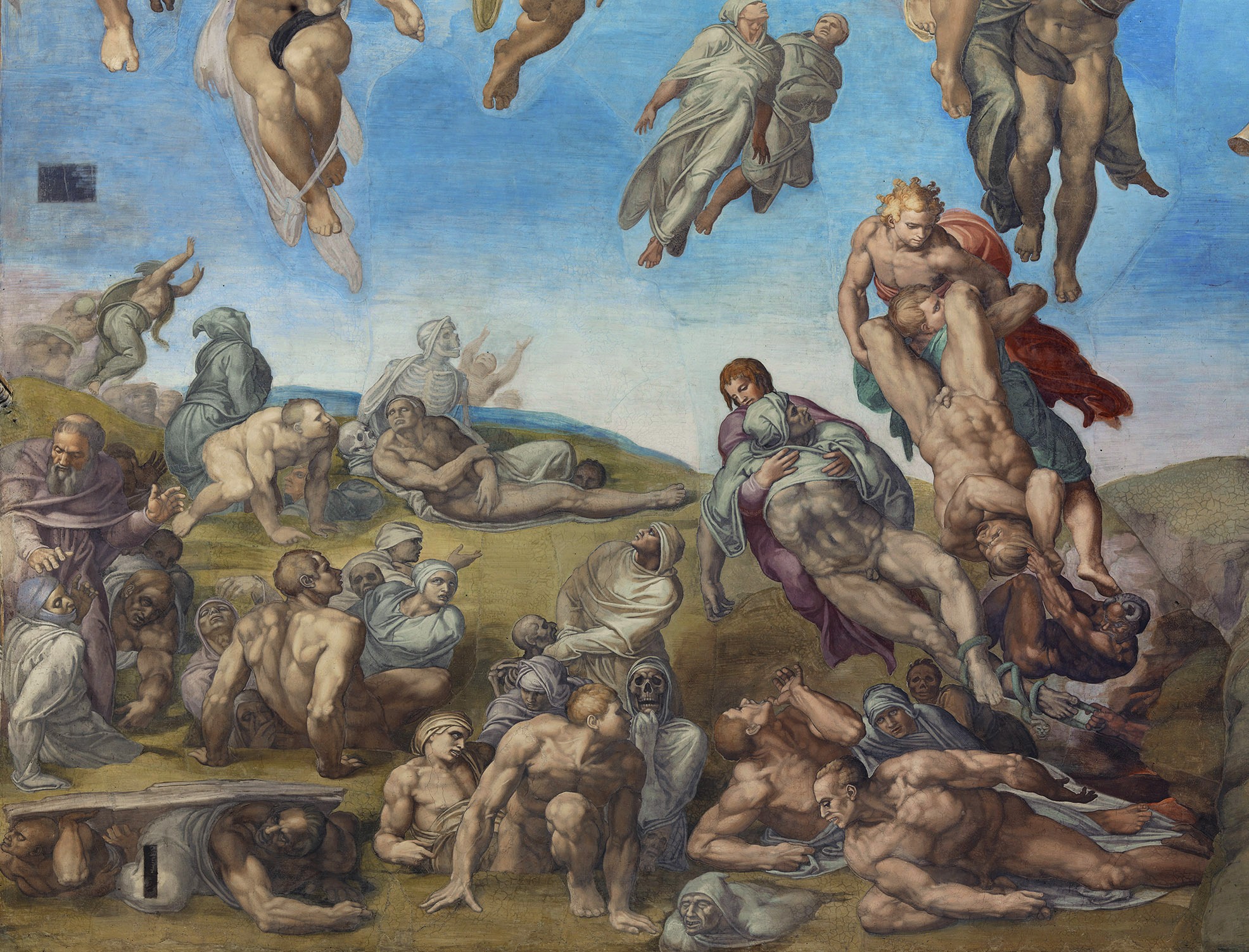
I corpi riprendono vita riemergendo dal terreno. A fatica sollevano le pietre tombali e tornano a veder la luce riconquistando un aspetto umano. In tanti ancora sono avvolti dai sudari e qualcuno per il momento è ancora un mucchio di ossa, in attesa di riavere indietro le consumate carni.
Le luci chiare che irradiano soprattutto la zona sinistra, fanno pensare a un paesaggio visto di mattino presto.
Veramente il più virile, più sicuro, più resoluto e durabile di tutti gli altri modi, e quello che, nello stare fatto, di continuo acquista di bellezza e di unione più degl’altri infinitamente.
Giorgio Vasari in merito alla tecnica dell’affresco
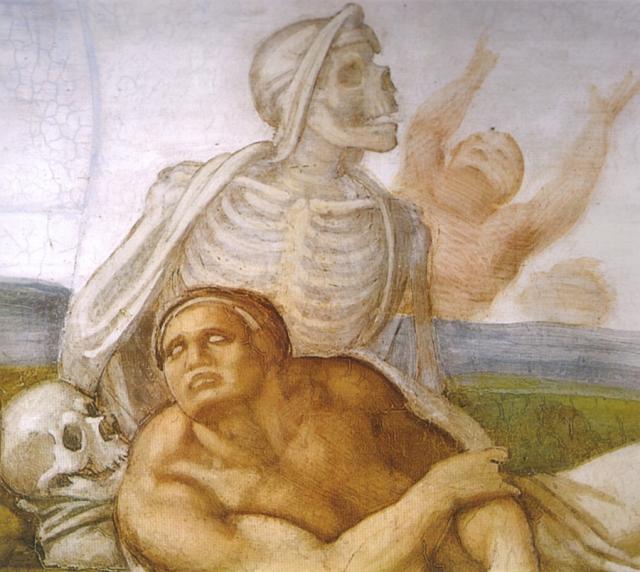
Mentre quasi tutto il grande affresco del Giudizio è stato realizzato con l’utilizzo dei cartoni a spolvero, in questa parte più bassa preferii riportare le figure sull’intonaco fresco mediante la tecnica dell’incisione, sicuramente più rapida ma meno dettagliata.
Per il momento il sempre vostro Michelangelo Buonarroti vi saluta dandovi appuntamento ai prossimi post e sui social.
Dormant souls reawakened by the sound of clarions
It is the apteral angels with the sound of their clarions that awaken the dormant souls that until now had remained buried together with the bodies.
Asleep until the day of Judgment, the blessed and the damned emerge from the earth. Some seem to struggle more than others in uncovering the tomb before starting, in the left area, the ascent towards heaven.
On the other hand, the damned on the other side are dragged by the demons into the underworld despite their complaints. An impatient angel punches a damned soul who would like to ascend to the glory of heaven. There is no time for forgiveness: the Dies Irae has arrived with all its disruptive power.
There are those who despair and those who close their eyes in the graceful ascent. However, not even the blessed have the same reaction to the last day of the world. There are those who look around perplexed, those who are intimidated by that swirl of bodies set in motion by the raised arm of Christ.
The bodies come back to life by re-emerging from the ground. With difficulty they lift the tombstones and return to see the light, regaining a human appearance. Many are still wrapped in shrouds and some for the moment are still a pile of bones, waiting to get their consumed meat back.
The clear lights that irradiate especially the left area make one think of a landscape seen early in the morning.
While almost all of the large fresco of the Judgment was created using plasterboard, in this lower part I preferred to transfer the figures onto the fresh plaster using the engraving technique, which is certainly quicker but less detailed.
For the moment, your always Michelangelo Buonarroti greets you and will meet you in the next posts and on social media.

Sostienici – Support Us
Se questo blog ti piace e ti appassiona, puoi aiutarci a farlo crescere sempre più sostenendoci in modo concreto condividendo i post, seguendo le pagine social e con un contributo che ci aiuta ad andare avanti con il nostro lavoro di divulgazione. . ENGLISH: If you like and are passionate about this blog, you can help us make it grow more and more by supporting us in a concrete way by sharing posts, following social pages and with a contribution that helps us to move forward with our dissemination work.
10,00 €
-
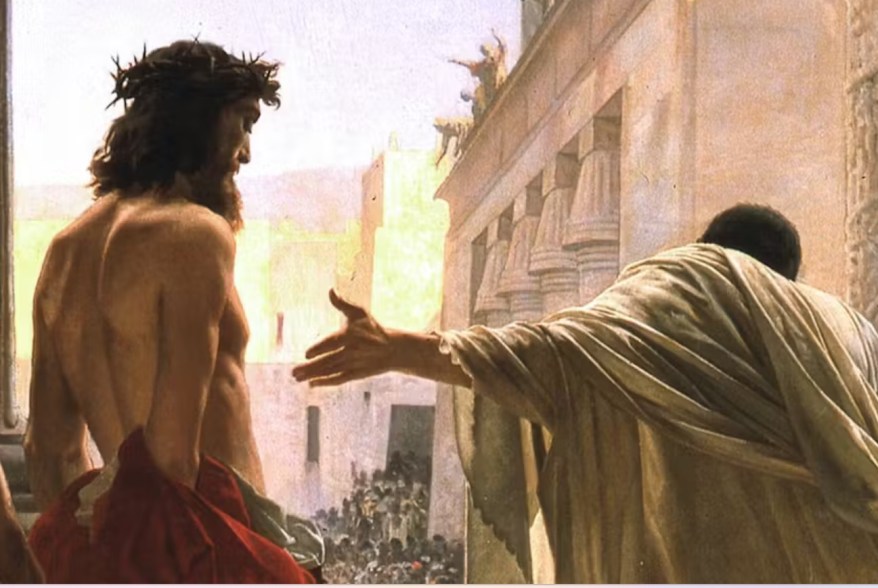
Venerdì Santo: gli “Ecce Homo” più intensi della storia dell’arte
🇮🇹Ecce Homo. Da Antonello da Messina a Tintoretto, fino al sorprendente capolavoro di Antonio Ciseri, questo soggetto ha attraversato i secoli raccontando dolore, umanità e coscienza… 🇬🇧Ecce Homo. From Antonello da Messina to Tintoretto, to Antonio Ciseri’s astonishing masterpiece, this subject has spanned the centuries, recounting pain, humanity, and conscience…
-
Attacco hacker agli Uffizi: rubati dati sensibili, mappe e codici di sicurezza
🇮🇹Attacco hacker alle Gallerie degli Uffizi: rubati dati sensibili, mappe e sistemi di sicurezza. A rischio opere, archivi e cybersicurezza del patrimonio artistico… 🇬🇧Hacker attack on the Uffizi Galleries: sensitive data, maps, and security systems stolen. Works of art, archives, and the cybersecurity of the artistic heritage are at risk…
-
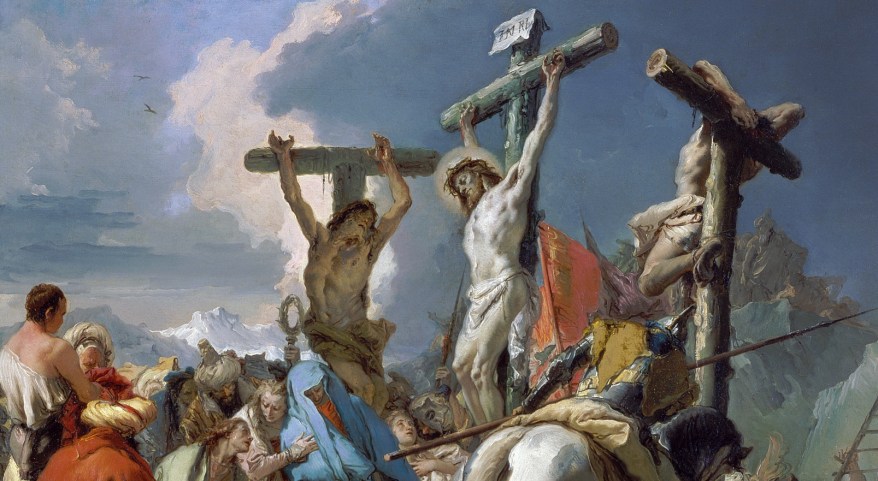
Venerdì Santo: la Crocifissione secondo Tiepolo
🇮🇹Nel giorno del Venerdì Santo, c’è un’opera che riesce ancora a scuotere lo sguardo. La Crocifissione di Giambattista Tiepolo non è come le altre: niente simmetrie perfette, niente distanza. Qui si entra dentro la scena, da un punto di vista obliquo, tra movimento, tensione e umanità… 🇬🇧On Good Friday, there’s a work that still manages…
Condividi:


Questo sono io





sostienici

Sostienici - Support Us
Se questo blog ti piace e ti appassiona, puoi aiutarci a farlo crescere sempre più sostenendoci in modo concreto condividendo i post, seguendo le pagine social e con un contributo che ci aiuta ad andare avanti con il nostro lavoro di divulgazione. . ENGLISH: If you like and are passionate about this blog, you can help us make it grow more and more by supporting us in a concrete way by sharing posts, following social pages and with a contribution that helps us to move forward with our dissemination work.
€10,00


