

La filatrice
Il disegno che vi propongo oggi che realizzai attorno al 1525 a carboncino ha come soggetto una ragazza seduta di profilo con in mano in fuso.
La giovane è seduta sopra uno sgabello dotato di uno schienale abbastanza alto. E’ abbigliata con un abito stretto nella zona del busto ma con maniche fluenti.
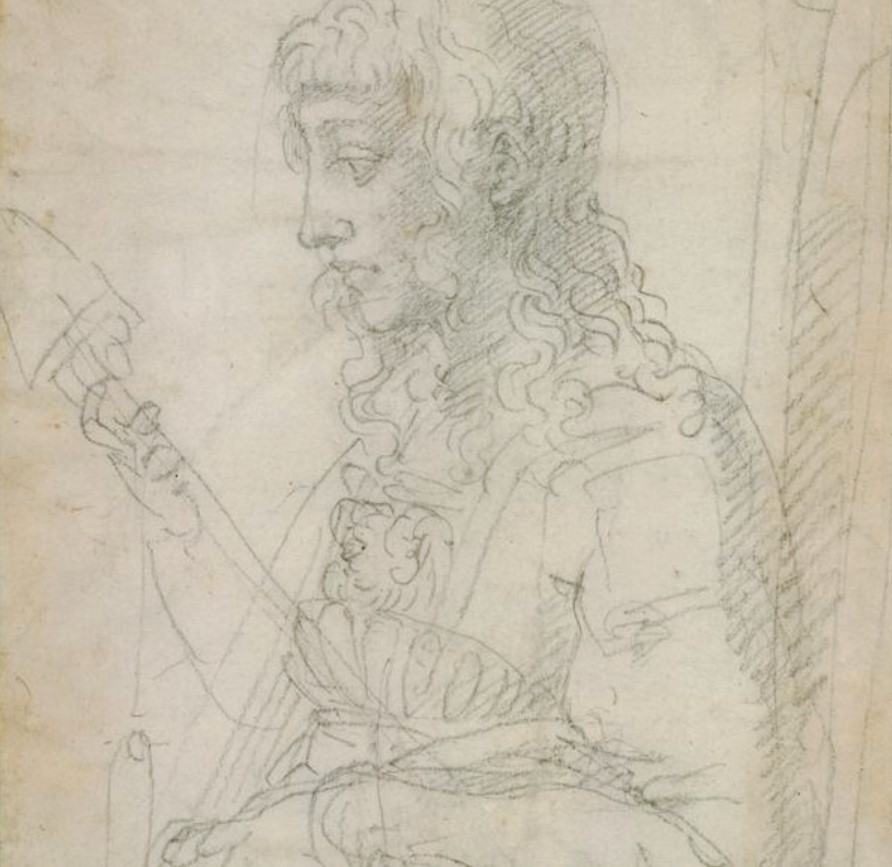
Sul petto porta una testa di cherubino alato.
Il Wilde ha ipotizzato si potesse trattare di un disegno che realizzai per far copiare ai ragazzi che stavano apprendendo l’arte da me e della stessa opinione sono anche De Tolnay e Hirst.
Il braccio della filatrice è stato disegnato sopra un volto di profilo che già era stato tracciato sul foglio, non riconducibile alla mia mano però.

Per ragioni prettamente stilistiche, il foglio è stato datato attorno al 1525 dal Wilde mentre De Tolnay propose una forbice più ampia di tempo, collocando temporalmente l’opera fra il 1525 e il 1530, suggerendo possa trattarsi di una Parca forse derivata dallo studio di un’antica gemma.
Il disegno in questione appartiene alle collezioni del British Museum.

Per il momento il sempre vostro Michelangelo Buonarroti vi saluta dandovi appuntamento ai prossimi post e sui social.
The spinner
The drawing I propose to you today that I made around 1525 in charcoal has as its subject a girl sitting in profile holding a spindle in her hand.
The young woman is sitting on a stool with a fairly high backrest. She is dressed in a dress that is tight in the bust area but has flowing sleeves.
On her chest she carries a winged cherub’s head and Wilde hypothesized that it could be a drawing that I made to have the boys who were learning the art from me copy it and De Tolnay and Hirst are also of the same opinion.
The arm of the spinner was drawn over a face in profile that had already been traced on the paper, but not attributable to my hand.
For purely stylistic reasons, the sheet was dated around 1525 by Wilde while De Tolnay proposed a wider range of time, temporally placing the work between 1525 and 1530 suggesting it could be a Parca perhaps derived from the study of a ancient gem.
The drawing in question belongs to the collections of the British Museum.
For the moment, your always Michelangelo Buonarroti greets you and will meet you in the next posts and on social media.

Sostienici – Support Us
Se questo blog ti piace e ti appassiona, puoi aiutarci a farlo crescere sempre più sostenendoci in modo concreto condividendo i post, seguendo le pagine social e con un contributo che ci aiuta ad andare avanti con il nostro lavoro di divulgazione. . ENGLISH: If you like and are passionate about this blog, you can help us make it grow more and more by supporting us in a concrete way by sharing posts, following social pages and with a contribution that helps us to move forward with our dissemination work.
8,00 €
-
Il mio primo soggiorno a Bologna e l’incontro con Giovan Francesco Aldrovandi
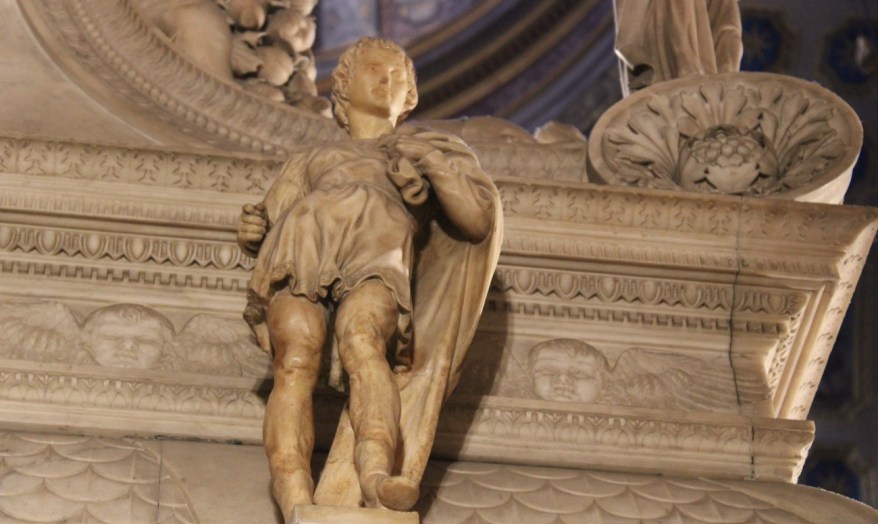
🇮🇹Fuggii da Firenze a soli 19 anni. Senza certezze, senza protezioni. Solo con il mio talento. A Bologna trovai rifugio nella casa di Giovan Francesco Aldrovandi… 🇬🇧I fled Florence at just 19. Without certainties, without protection. Only with my talent. In Bologna, I found refuge in the home of Giovan Francesco Aldrovandi…
-
11 aprile 1514: muore Donato Bramante, il genio della scala elicoidale
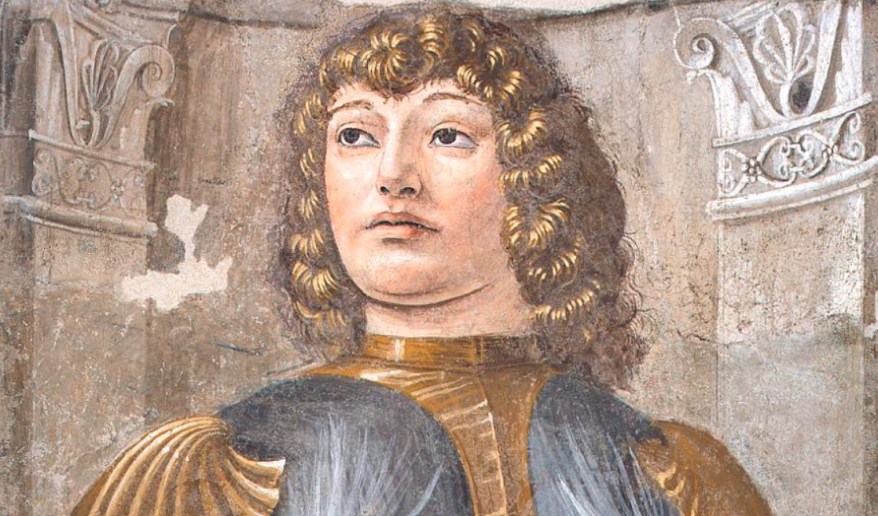
🇮🇹Era l’11 aprile 1514 quando Donato Bramante morì a Roma. La sua scomparsa non cancellò però le tensioni, le rivalità e i giudizi contrastanti che avevano accompagnato tutta la sua carriera… 🇬🇧It was April 11, 1514, when Donato Bramante died in Rome. His passing, however, did not erase the tensions, rivalries, and conflicting opinions that…
-
Dentro l’hangar 12 del Carnevale di Viareggio: dove la cartapesta prende vita con Marzia Etna
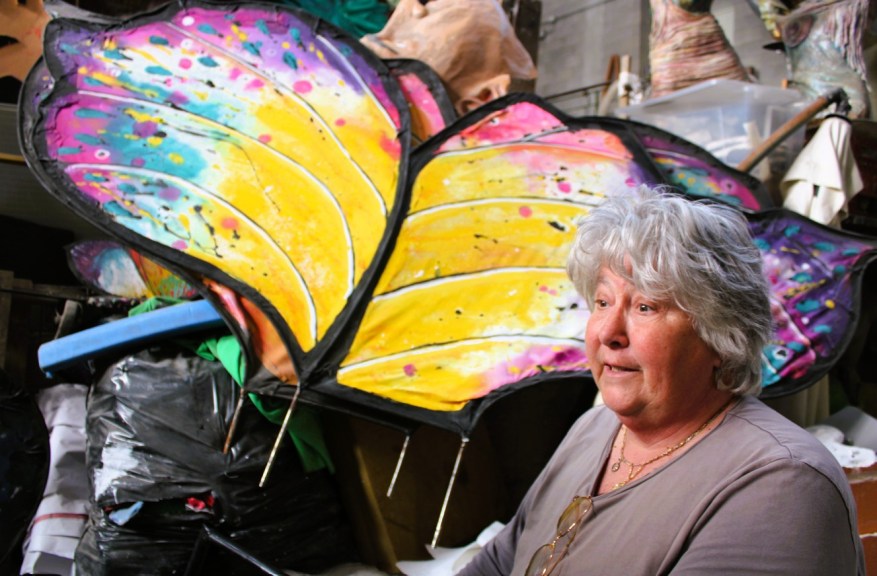
🇮🇹Ho incontrato Marzia Etna, maestra carrista da 40 anni: mentre racconta, le brillano gli occhi. E capisci subito una cosa: questo non è solo un lavoro, è vita tra carta a calco, ferro e sogni… 🇬🇧I met Marzia Etna, a master float builder for 40 years: her eyes sparkle as she talks. And you immediately…
Condividi:


Questo sono io





sostienici

Sostienici - Support Us
Se questo blog ti piace e ti appassiona, puoi aiutarci a farlo crescere sempre più sostenendoci in modo concreto condividendo i post, seguendo le pagine social e con un contributo che ci aiuta ad andare avanti con il nostro lavoro di divulgazione. . ENGLISH: If you like and are passionate about this blog, you can help us make it grow more and more by supporting us in a concrete way by sharing posts, following social pages and with a contribution that helps us to move forward with our dissemination work.
€10,00


