
Il Dipinto del giorno: Ecce Homo di Antonio Ciseri
Il dipinto del giorno che vi propongo oggi è strettamente legato al periodo pasquale: l’Ecce Homo di Antonio Ciseri, realizzato a olio su tela nel 1891 e collocato nella sala 14 della Galleria di Arte Moderna di Palazzo Pitti, a Firenze.
Un’opera straordinaria dinanzi alla quale è difficile rimanere impassibili senza lasciarsi trasportare direttamente nella scena raffigurata.

Sapete, la prima volta che ebbi modo di vedere il dipinto dal vero rimasi talmente affascinato ed emozionato che mi fu difficile venir via dal suo cospetto. Ogni dettaglio riprodotto su tela da Ciseri pare un piccolo miracolo. Un’opera stupefacente che emoziona fino alle lacrime e sconvolge i sensi.
Antonio Ciseri ricostruì minuziosamente l’ambientazione dell’episodio evangelico in cui Pilato chiede alla folla se rilasciare Barabba o Gesù.
Il governatore era solito, per ciascuna festa di Pasqua, rilasciare al popolo un prigioniero, a loro scelta. Avevano in quel tempo un prigioniero famoso, detto Barabba. Mentre quindi si
Matteo 27,15-22
trovavano riuniti, Pilato disse loro: “Chi volete che vi rilasci: Barabba o Gesù chiamato il Cristo?”. Sapeva bene infatti che glielo avevano consegnato per invidia. Mentre egli sedeva in tribunale, sua moglie gli mandò a dire: “Non avere a che fare con quel giusto; perché oggi fui molto turbata in sogno, per causa sua”. Ma i sommi sacerdoti e gli anziani persuasero la folla a richiedere Barabba e a far morire Gesù. Allora il governatore domandò: “Chi dei due volete che vi rilasci?”. Quelli risposero: “Barabba!”. Disse loro Pilato: “Che farò dunque di Gesù chiamato il Cristo?”. Tutti gli risposero: “Sia crocifisso!”

L’artista inserì nella scena elementi a lui noti come per esempio la Colonna Antonina della quale era in possesso di una foto e che testimonia figurativamente nell’opera la dominazione di Roma sulla Giudea di quel tempo.
L’opera di Ciseri esce dall’iconografia tradizionale del momento raffigurato. Cristo non viene mostrato frontalmente ma dà le spalle all’osservatore, rendendo l’idea in modo più marcato del sacrificio di una persona innocente.
E’ come se l’osservatore potesse partecipare attivamente al dietro le quinte di quel momento e vedere le reazioni di tutti quelli che si muovono sulla scena principale.
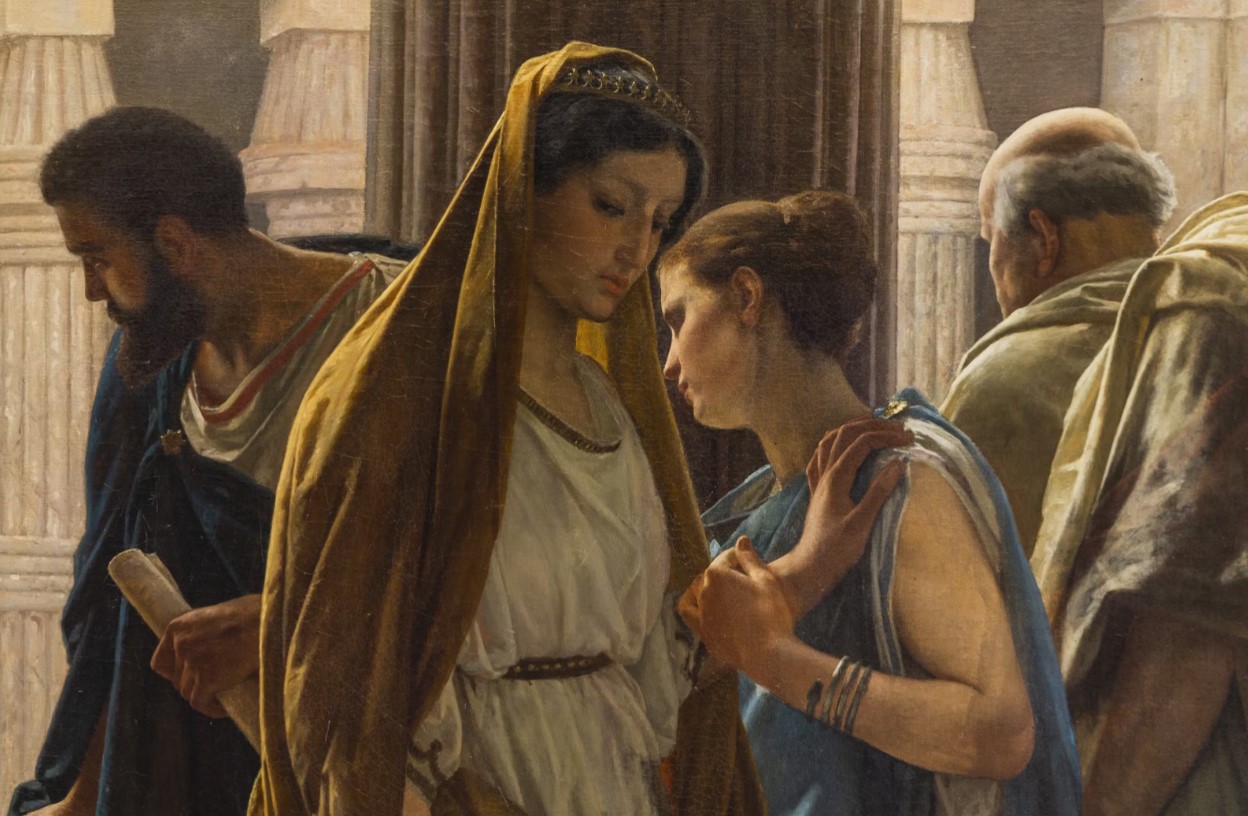
Un ruolo fondamentale nel dipinto viene affidato alla moglie di Pilato, Claudia Procula. E’ la donna con il capo coperto con un panneggio giallo che appoggia la mano sinistra sulla spalla di un’ancella. La notte prima aveva avuto una premonizione in sogno: il sangue dell’uomo che sarebbe stato crocifisso sarebbe stato quello di un innocente e aveva provato poi a salvarlo intercedendo con il marito. Un tentativo vano.
La donna esce di scena addolorata, con lo sguardo rivolto verso il basso, guardando di sottecchi lo spettatore che osserva il dipinto.
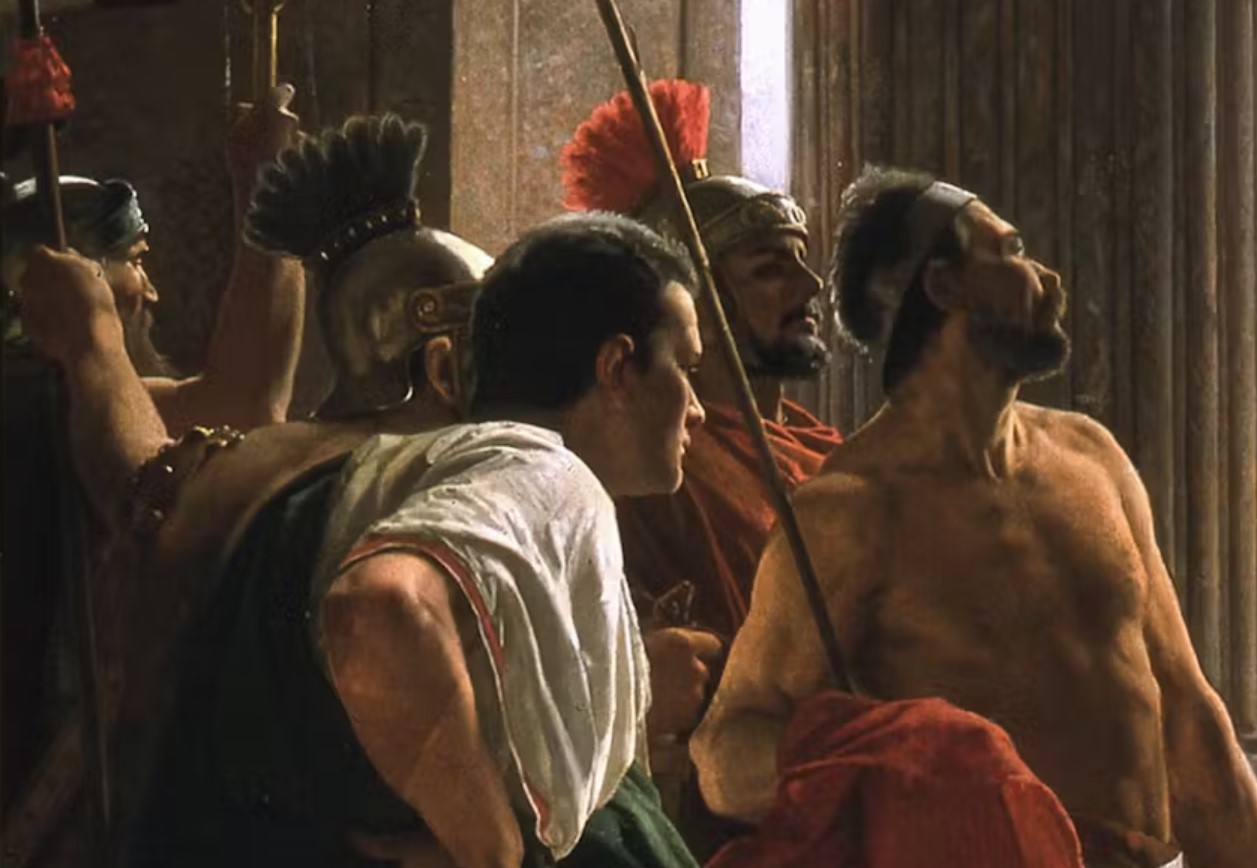
L’Ecce Homo fu commissionato a Ciseri dall’Accademia di Belle Arti di Firenze nel 1871 e l’artista impiegò venti anni per portarlo a termine. Era ossessionato dalla resa dei dettagli e dalla resa delle differenti superfici dipinte. Inoltre volle pensare a una messa in scena di quel momento teatrale, con tanto di luci che potessero mettere in evidenza la narrazione secondo il suo sentire.
Ogni dettaglio, gioco di luce e ombra fu sapientemente studiato dall’artista e nulla fu lasciato al caso. Guardate per esempio il trono di Pilato con la pelliccia che si è appena tolto da dosso per alzarsi in piedi e il contrasto che crea con il torso nudo di Cristo illuminato nella parte frontale e quel panneggio rosso, simbolo di regalità, che gli scivola lungo i fianchi.
Per il momento il sempre vostro Michelangelo Buonarroti vi saluta dandovi appuntamento ai prossimi post e sui social.

The Painting of the day: Ecce Homo by Antonio Ciseri
The painting of the day that I propose to you today is closely linked to the Easter period: the Ecce Homo by Antonio Ciseri, created in oil on canvas in 1891 and located in room 14 of the Gallery of Modern Art of Palazzo Pitti, in Florence.
An extraordinary work in front of which it is difficult to remain impassive without letting yourself be transported directly into the scene depicted.
You know, the first time I had the opportunity to see the painting in real life I was so fascinated and moved that it was difficult for me to leave the presence of it. Every detail reproduced on canvas by Ciseri seems like a small miracle. An astonishing work that moves to tears and shocks the senses.
Antonio Ciseri meticulously reconstructed the setting of the Gospel episode in which Pilate asks the crowd whether to release Barabbas or Jesus.
The governor used to release a prisoner of their choice to the people for each Easter celebration. At that time they had a famous prisoner, called Barabbas. So yes found themselves gathered, Pilate said to them: “Who do you want me to release to you: Barabbas or Jesus who is called the Christ?”. In fact, he knew well that they had handed it over to him out of envy. While he was sitting in court, his wife sent word to him: “Have nothing to do with that righteous man; because today I was very troubled in a dream because of him.” But the chief priests and the elders persuaded the crowd to ask for Barabbas and to have Jesus put to death. Then the governor asked: “Which of the two do you want me to release to you?”. They replied: “Barabbas!”. Pilate said to them: “What will I do then with Jesus who is called the Christ?”. They all answered him: “Let him be crucified!”
Matthew 27,15-22
The artist inserted elements known to him into the scene such as the Antonine Column of which he was in possession of a photo and which figuratively testifies in the work to the domination of Rome over Judea at that time.
Ciseri’s work breaks away from the traditional iconography of the moment depicted. Christ is not shown frontally but with his back to the observer, conveying the idea more strongly of the sacrifice of an innocent person. It’s as if the observer could observe behind the scenes of that moment and be able to see the reactions of everyone who moves on the main scene.
A fundamental role in the painting is entrusted to Pilate’s wife, Claudia Procula. It is the woman with her head covered with a yellow drapery who rests her left hand on the shoulder of a handmaid. The night before she had had a premonition in a dream: the blood of the man who would be crucified would be that of an innocent person and she had then tried to save him by interceding with her husband. A vain attempt.
The woman leaves the scene grieving, with her gaze turned downwards, looking furtively at the spectator who observes the painting.
Ecce Homo was commissioned from Ciseri by the Academy of Fine Arts in Florence in 1871 and it took the artist twenty years to complete it. He was obsessed with the rendering of details and the rendering of different painted surfaces. Furthermore, he wanted to think of a staging of that theatrical moment, complete with lights that could highlight the narrative according to his feelings.
Every detail, play of light and shadow was expertly studied by the artist and nothing was left to chance. Look for example at Pilate’s throne with the fur that he has just taken off to stand up and the contrast it creates with the naked torso of Christ illuminated from the front and that red drapery, symbol of royalty, which slides along his flanks.
For the moment, your always Michelangelo Buonarroti greets you and will meet you in the next posts and on social media.

Sostienici – Support Us
Se questo blog ti piace e ti appassiona, puoi aiutarci a farlo crescere sempre più sostenendoci in modo concreto condividendo i post, seguendo le pagine social e con un contributo che ci aiuta ad andare avanti con il nostro lavoro di divulgazione. . ENGLISH: If you like and are passionate about this blog, you can help us make it grow more and more by supporting us in a concrete way by sharing posts, following social pages and with a contribution that helps us to move forward with our dissemination work.
10,00 €
-
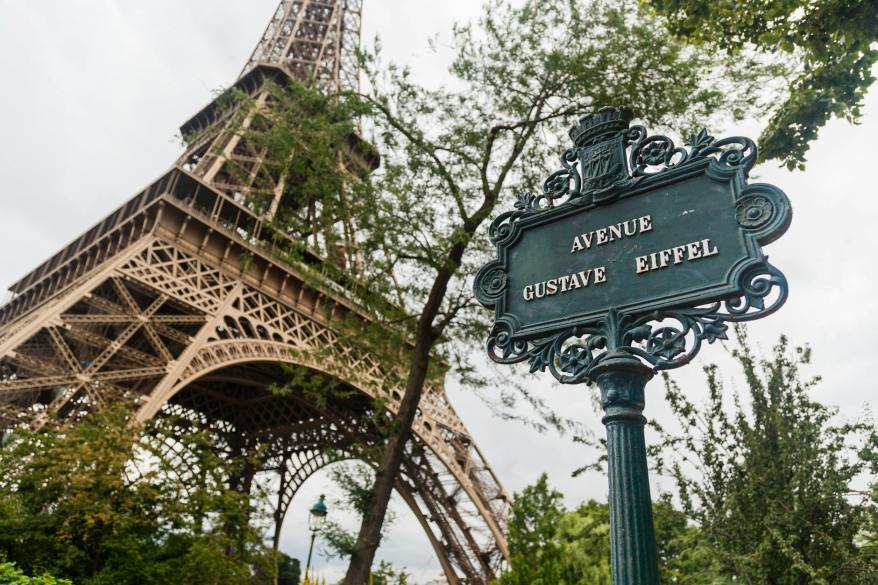
31 marzo 1889: inaugurata la Torre Eiffel tra critiche feroci e un destino inaspettato
🇮🇹Il 31 marzo 1889 segna una data destinata a cambiare per sempre il volto di Parigi e dell’immaginario collettivo globale: viene inaugurata la Torre Eiffel, l’opera più audace e discussa del suo tempo… 🇬🇧March 31, 1889 marks a date destined to change the face of Paris and the global collective imagination forever: the Eiffel Tower,…
-
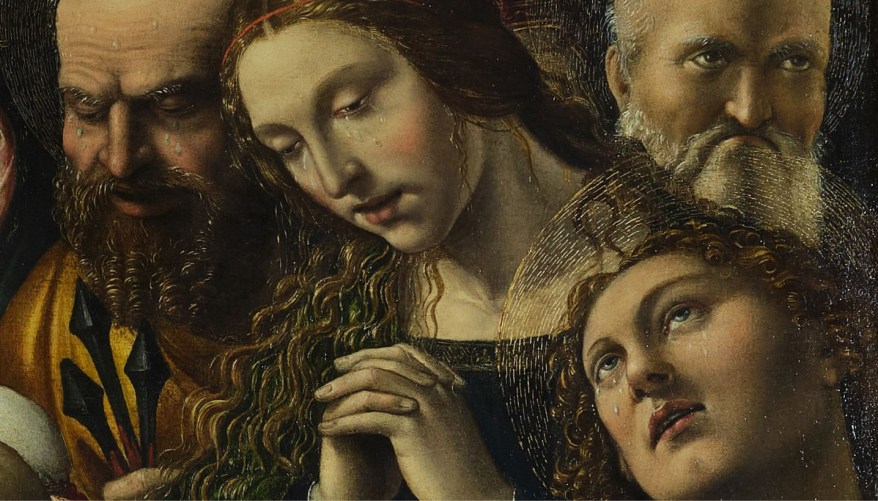
Sodoma in mostra a Torino: il Rinascimento al Museo Accorsi-Ometto
🇮🇹Al Museo di Arti Decorative Accorsi-Ometto arriva una mostra dedicata al Sodoma: oltre 50 opere, alcune mai viste prima, raccontano la formazione dell’artista e il suo dialogo con maestri come Pinturicchio… 🇬🇧An exhibition dedicated to Sodoma arrives at the Accorsi-Ometto Museum of Decorative Arts: over 50 works, some never before seen, recount the artist’s development…
-
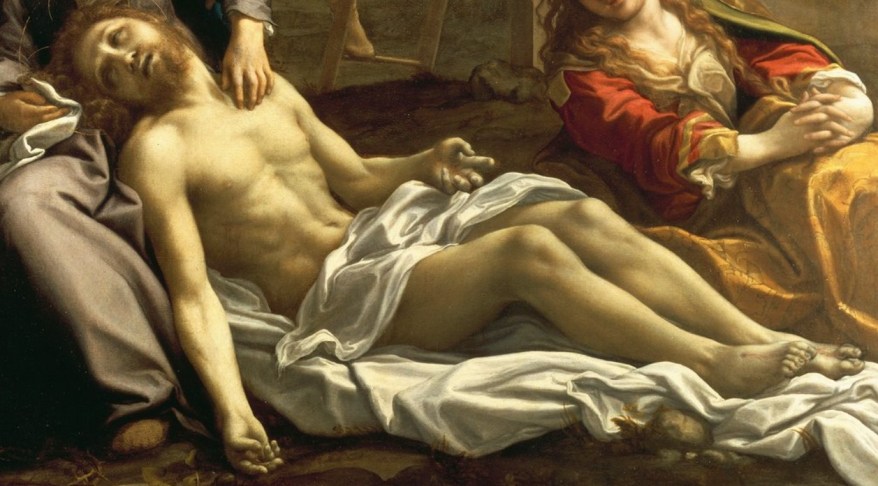
Il Compianto sul Cristo morto di Correggio: pathos e devozione
🇮🇹Con l’inizio della Settimana Santa, vi propongo il Compianto sul Cristo morto di Antonio Allegri, più noto come il Correggio: uno dei vertici assoluti della pittura emiliana del Cinquecento… 🇬🇧With the beginning of Holy Week, I propose the Lamentation over the Dead Christ by Antonio Allegri, better known as Correggio: one of the absolute peaks…
Condividi:


Questo sono io





sostienici

Sostienici - Support Us
Se questo blog ti piace e ti appassiona, puoi aiutarci a farlo crescere sempre più sostenendoci in modo concreto condividendo i post, seguendo le pagine social e con un contributo che ci aiuta ad andare avanti con il nostro lavoro di divulgazione. . ENGLISH: If you like and are passionate about this blog, you can help us make it grow more and more by supporting us in a concrete way by sharing posts, following social pages and with a contribution that helps us to move forward with our dissemination work.
€10,00


