

I mediocri fan sempre grandi danni al sublime
Era il 21 gennaio del 1564 quando la Congregazione del Concilio di Trento, con il consenso di Pio IV, ordinò che fossero coperte le nudità presenti nel mio maestoso Giudizio Universale.
Mi rimanevano una manciata di giorni da vivere e chissà se quella notizia mi fu riferita oppure no. Meno di un mese dopo sarei passato a miglior vita.
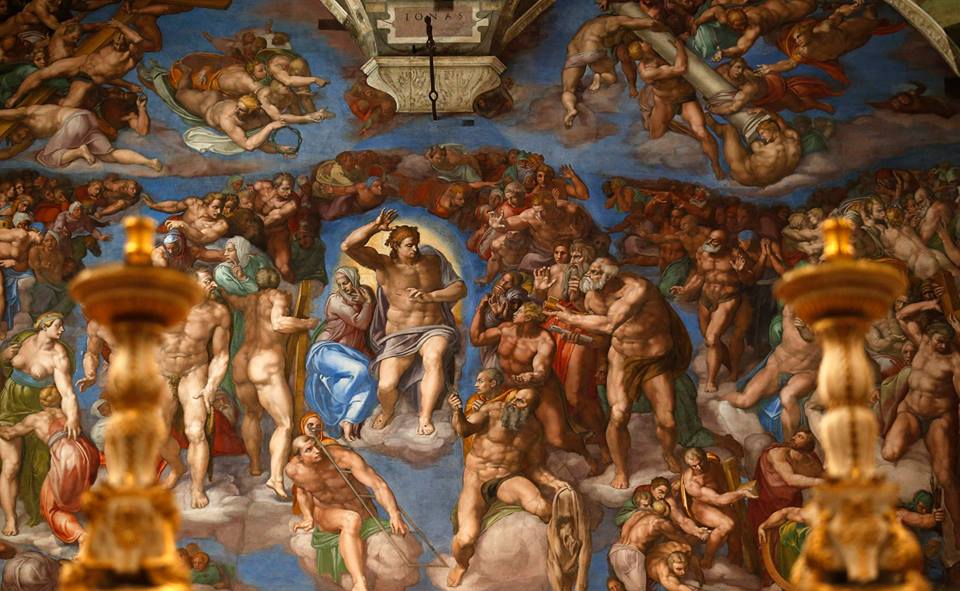
La copertura degli affreschi considerati osceni dal Consiglio, fu affidata a un mio stretto collaboratore e valido artista: Daniele da Volterra. Mi sopravvisse solo un anno e nel 1566, quando anche lui mi raggiunse nell’aldilà, l’incarico passò nelle mani di Girolamo da Fano.
Le censure del Giudizio non si esaurirono con lui però ma e proseguirono anche negli anni e secoli dopo, quando ormai pareva che tutto fosse diventata un’oscenità.

Addirittura al tempo di Clemente VIII si pensò di distruggere quel capolavoro che tanta fatica, notti insonni e pure una brutta caduta m’era costato.
Quello spirito di puritanesimo e falso moralismo fece disastri.
Addirittura il pittore Salvator Rosa, alla fine del Seicento, nella sua satira sulla pittura volle farsi beffe del mio lavoro in versi:
Michelangelo mio, nol dico in gioco,
questo ch dipingeste è un gran Giudizio
ma di giudizio voi ne aveste poco
Salvator Rosa

I mediocri fan sempre grandi danni a sublime. Un po’ per invidia, un po’ perchè l’ignoranza li frega facendoli sentire dei gran sapientoni.
Meno male che durante l’ultimo restauro condotto in modo magistrale dal capo restauratore Gian Luigi Colalucci, le mie pitture un po’ di braghe l’han perse, anche se non tutte. Son state lasciate quelle storicizzate di Daniele da Volterra e altre successive.
Per il momento il sempre vostro Michelangelo Buonarroti vi saluta dandovi appuntamento ai prossimi post e sui social.
The mediocre always do great damage to the sublime
It was January 21, 1564 when the Congregation of the Council of Trent, with the consent of Pius IV, ordered that the nudity present in my majestic Last Judgment be covered.
I had a handful of days left to live and who knows whether that news was told to me or not. Less than a month later I would have passed away.
The covering of the frescoes considered obscene by Consigli was entrusted to a close collaborator of mine and a valid artist: Daniele da Volterra. He survived me only a year and in 1566, when he too joined me in the afterlife, the position passed into the hands of Girolamo da Fano.
The censures of the Judgment did not end with him, however, but continued in the years and centuries later, when it now seemed that everything had become obscenity.
Even at the time of Clement VIII it was decided to destroy that masterpiece which had cost me so much effort, sleepless nights and even a bad fall.
That spirit of puritanism and false moralism caused disasters.
Even the painter Salvator Rosa, at the end of the seventeenth century, in his satire on painting wanted to mock my work in verse:
My Michelangelo, I don’t say it in the game,
what you painted is a great Judgment
but you had little judgment
Salvator Rosa
The mediocre always do great harm to the sublime. Partly out of envy, partly because ignorance tricks them into feeling like great know-it-alls.
Luckily, during the last restoration carried out in a masterly manner by the chief restorer Gian Luigi Colalucci, my paintings lost some of their britches, although not all. The historicized ones by Daniele da Volterra and other subsequent ones have been left.
For the moment, your always Michelangelo Buonarroti greets you and will meet you in the next posts and on social media.

Sostienici – Support Us
Se questo blog ti piace e ti appassiona, puoi aiutarci a farlo crescere sempre più sostenendoci in modo concreto condividendo i post, seguendo le pagine social e con un contributo che ci aiuta ad andare avanti con il nostro lavoro di divulgazione. . ENGLISH: If you like and are passionate about this blog, you can help us make it grow more and more by supporting us in a concrete way by sharing posts, following social pages and with a contribution that helps us to move forward with our dissemination work.
8,00 €
-
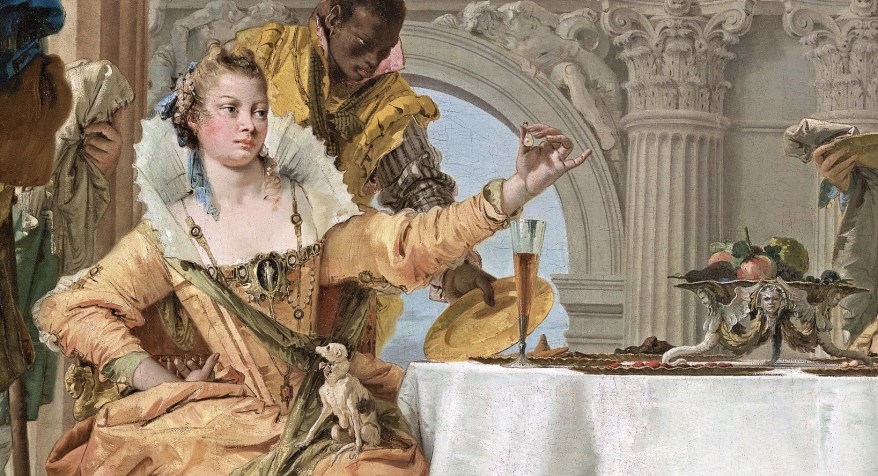
Quando Cleopatra umiliò Roma: il significato nascosto del celebre dipinto di Tiepolo
🇮🇹 Il dipinto che vi propongo è pura teatralità, lusso e strategia. Cleopatra scommette con Marco Antonio di poter offrire il banchetto più sontuoso della storia e per vincere compie un gesto folle… 🇬🇧 The painting I propose is pure theatricality, luxury, and strategy. Cleopatra bets Mark Antony that she can offer the most sumptuous…
-
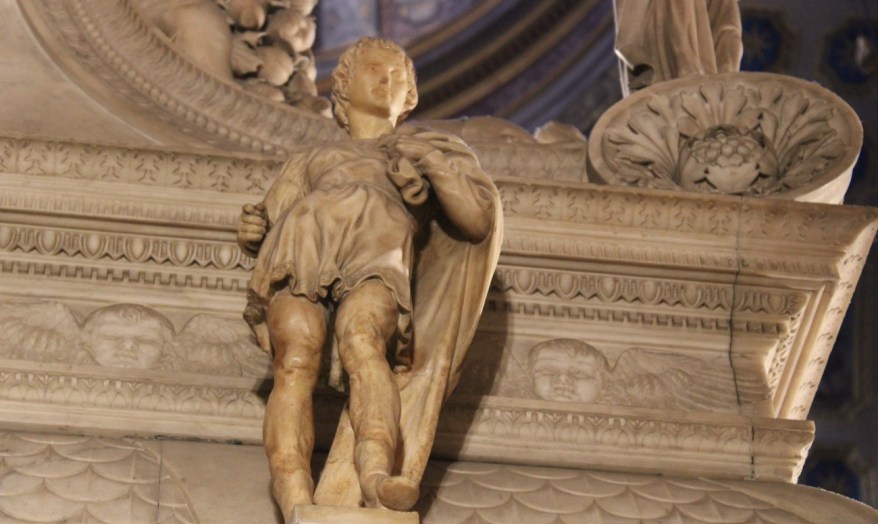
Il mio primo soggiorno a Bologna e l’incontro con Giovan Francesco Aldrovandi
🇮🇹Fuggii da Firenze a soli 19 anni. Senza certezze, senza protezioni. Solo con il mio talento. A Bologna trovai rifugio nella casa di Giovan Francesco Aldrovandi… 🇬🇧I fled Florence at just 19. Without certainties, without protection. Only with my talent. In Bologna, I found refuge in the home of Giovan Francesco Aldrovandi…
-
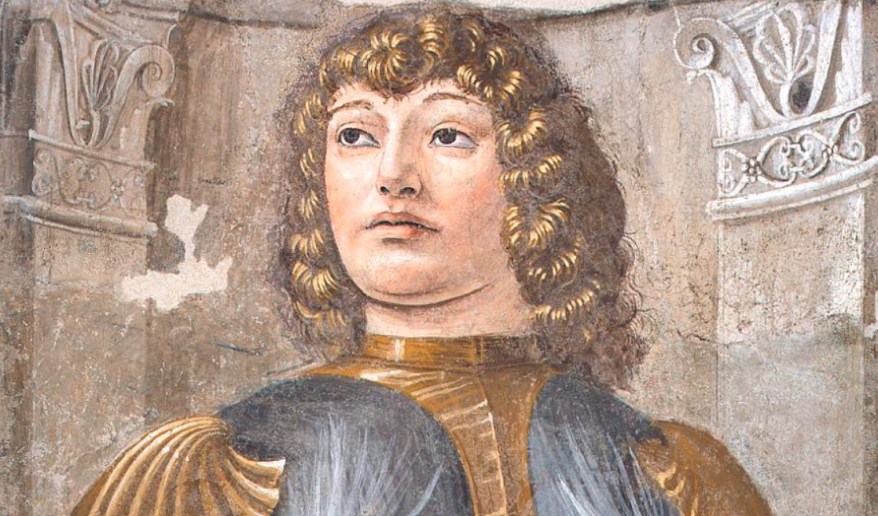
11 aprile 1514: muore Donato Bramante, il genio della scala elicoidale
🇮🇹Era l’11 aprile 1514 quando Donato Bramante morì a Roma. La sua scomparsa non cancellò però le tensioni, le rivalità e i giudizi contrastanti che avevano accompagnato tutta la sua carriera… 🇬🇧It was April 11, 1514, when Donato Bramante died in Rome. His passing, however, did not erase the tensions, rivalries, and conflicting opinions that…
Condividi:


Questo sono io





sostienici

Sostienici - Support Us
Se questo blog ti piace e ti appassiona, puoi aiutarci a farlo crescere sempre più sostenendoci in modo concreto condividendo i post, seguendo le pagine social e con un contributo che ci aiuta ad andare avanti con il nostro lavoro di divulgazione. . ENGLISH: If you like and are passionate about this blog, you can help us make it grow more and more by supporting us in a concrete way by sharing posts, following social pages and with a contribution that helps us to move forward with our dissemination work.
€10,00


