
Monet: i Capolavori dal Musée Marmottan Monet di Parigi a Padova
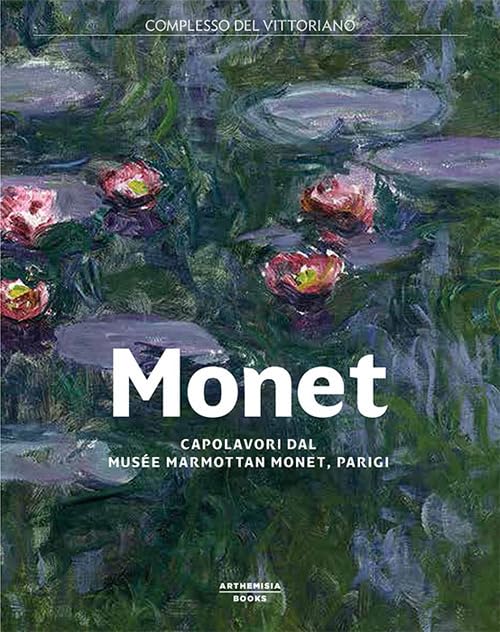
A 150 anni dalla prima mostra del 1874 a Parigi che sancì la nascita del movimento Impressionista, da oggi 9 marzo al Centro Culturale Altinate | San Gaetano di Padova apre a Padova la mostra dedicata a Claude Monet, il padre di una delle correnti artistiche più amate al mondo.
Il 15 aprile del 1874, nella galleria del fotografo Félix Nadar in boulevard des Capucines 35 a Parigi, venne inaugurata una mostra che avrebbe cambiato per sempre la storia dell’arte. Una mostra indipendente” lontana dai canonici stilemi compositivi e accademici, con centosessantacinque opere eseguite da trentuno artisti appartenenti alla cosiddetta “Società anonima degli artisti, pittori, scultori, incisori”, tra cui gli allora sconosciuti Claude Monet, Pierre-Auguste Renoir, Paul Cezanne, Camille Pissarro, Alfred Sisley, Edgar Degas, Berthe Morisot.
Quelle opere considerate all’epoca sovversive, ebbero tutt’altro che un esito positivo sia da parte della critica che del pubblico, trascinando l’esposizione verso il fallimento.
Quel nuovo movimento prese il via proprio dal titolo di un’opera di Claude Monet “Impression, soleil levant” dipinta nel 1872 e attualmente custodita presso il Musée Marmottan Monet di Parigi, in cui viene impressa sulla tela l’impressione di un sole che sorge, una fugace sensazione piuttosto che una vivida riproduzione della realtà, mettendo al centro il colore e la luce.
Da quell’opera oggi considerata un capolavoro, il critico Louis Leroy coniò il termine Impressionismo consacrando così la nascita del movimento impressionista come la corrente artistica più amata dal grande pubblico in tutto il mondo.
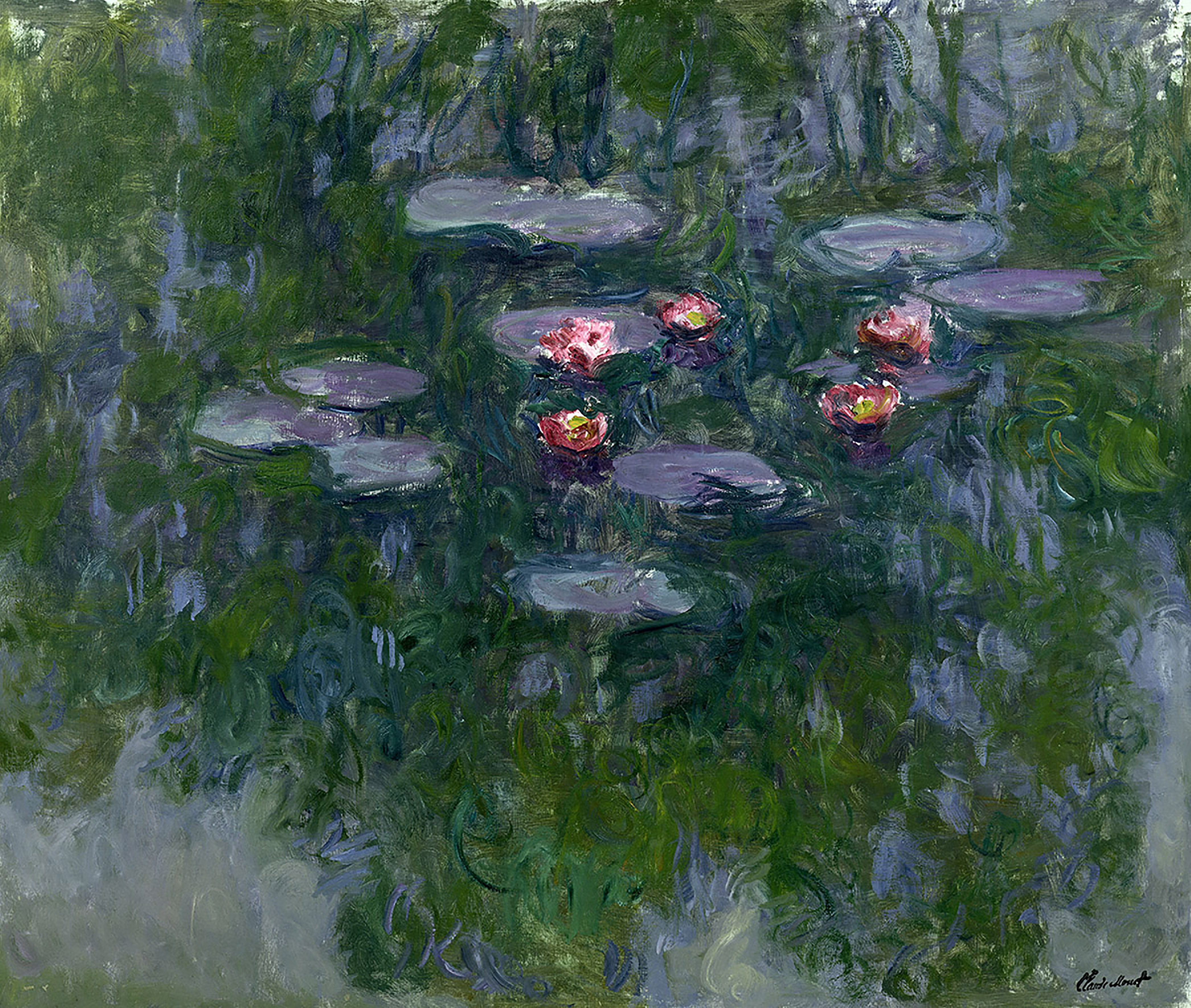
Arthemisia insieme al Comune di Padova e al Musée Marmottan Monet di Parigi, propone l’esposizione di 60 capolavori fra le quali le Ninfee, gli Iris, i Paesaggi londinesi e molti altri ancora, assieme a sale allestite in modo innovativo, contenuti originali e proiezioni.
Le opere esposte sono quelle custodite presso il Musée Marmottan Monet che custodisce la più grande e importante collezione di dipinti dell’artista francese, frutto della generosa donazione fatta dal figlio Michel nel 1966.
Sono le opere a cui Monet teneva di più, le “sue” opere, quelle che ha conservato gelosamente nella sua casa di Giverny fino alla morte, da cui non ha mai voluto separarsi.
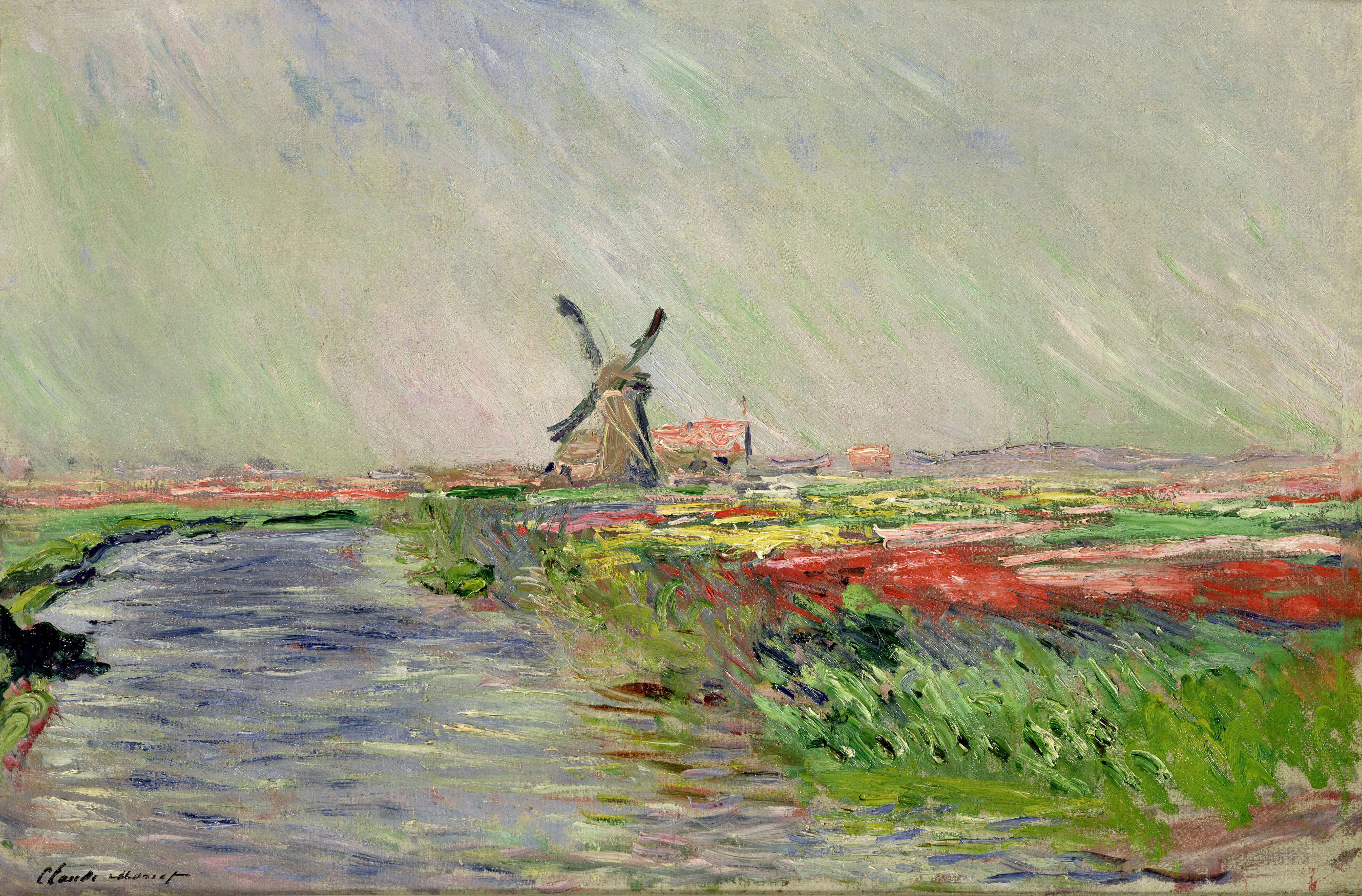
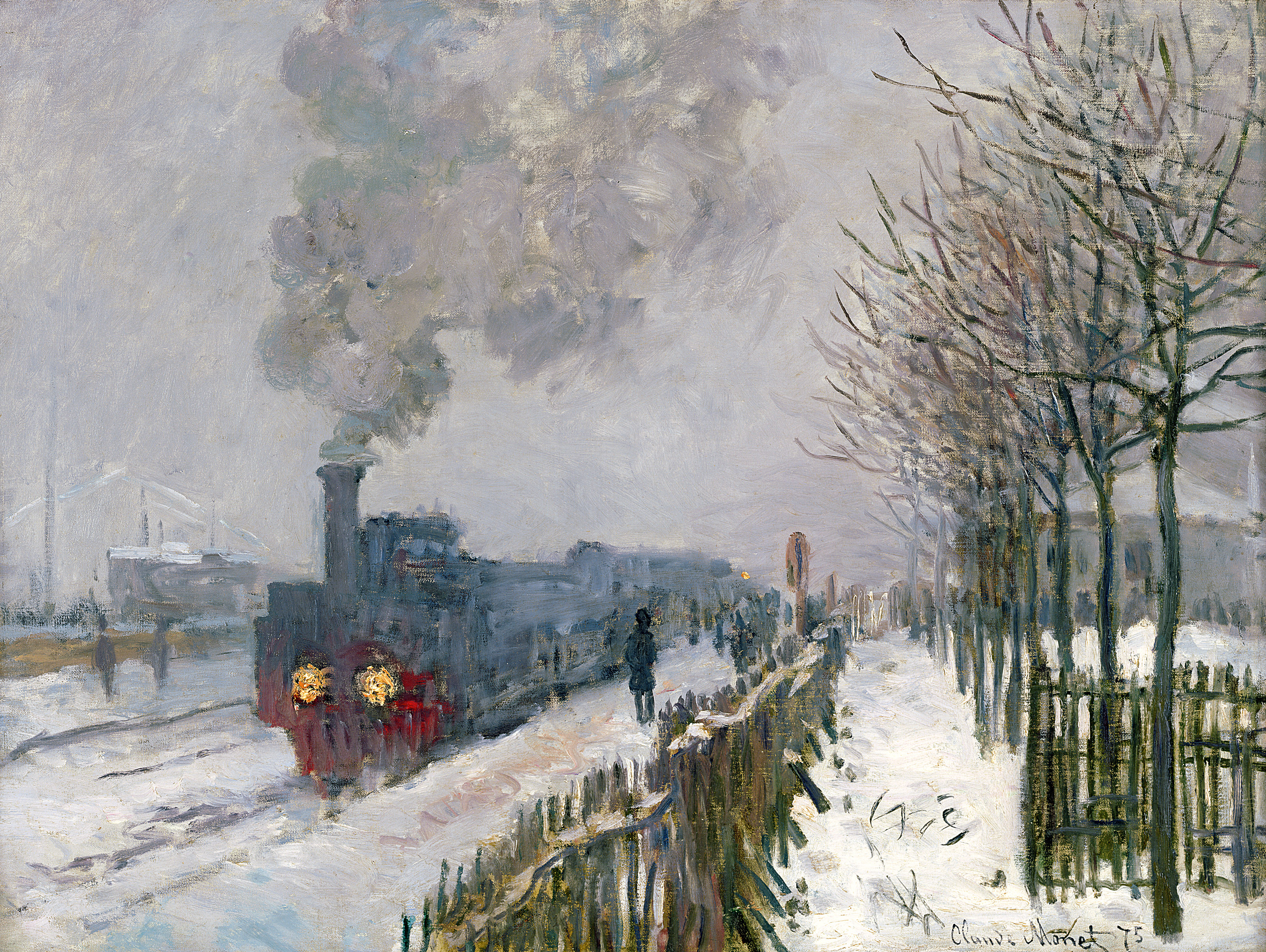
A Padova saranno esposti capolavori quali Ritratto di Michel Monet con berretto a pompon (1880), Il treno nella neve. La locomotiva (1875), Londra. Parlamento. Riflessi sul Tamigi (1905), oltre a tutte le opere di grandi dimensioni come le eteree Ninfee (1917-1920) e i Glicini (1919-1920).
La mostra “Monet. Capolavori dal Musée Marmottan Monet, Paris“, promossa dal Comune di Padova, è prodotta ed organizzata da Arthemisia in collaborazione con il Musée Marmottan Monet di Parigi ed è curata da Sylvie Carlier, curatrice generale del Musée Marmottan Monet, con la co-curatela della storica dell’arte Marianne Mathieu e l’assistente alla curatela del Musée Marmottan Monet Aurélie Gavoille.
Per il momento il sempre vostro Michelangelo Buonarroti vi saluta dandovi appuntamento ai prossimi post e sui social.
Monet: the Masterpieces from the Musée Marmottan Monet of Paris to Padua
150 years after the first exhibition in 1874 in Paris which marked the birth of the Impressionist movement, from today 9 March at the Altinate Cultural Center | San Gaetano di Padua opens in Padua the exhibition dedicated to Claude Monet, the father of one of the most beloved artistic movements in the world.
On 15 April 1874, in the gallery of the photographer Félix Nadar at 35 boulevard des Capucines in Paris, an exhibition was inaugurated that would change the history of art forever. An independent exhibition” far from the canonical compositional and academic styles, with one hundred and sixty-five works performed by thirty-one artists belonging to the so-called “Anonymous Society of Artists, Painters, Sculptors, Engravers”, including the then unknown Claude Monet, Pierre-Auguste Renoir, Paul Cezanne , Camille Pissarro, Alfred Sisley, Edgar Degas, Berthe Morisot.
Those works considered subversive at the time had anything but a positive outcome from both critics and the public, dragging the exhibition towards failure.
That new movement started precisely from the title of a work by Claude Monet “Impression, soleil levant” painted in 1872 and currently kept at the Musée Marmottan Monet in Paris, in which the impression of a rising sun is imprinted on the canvas , a fleeting sensation rather than a vivid reproduction of reality, placing color and light at the center.
From that work now considered a masterpiece, the critic Louis Leroy coined the term Impressionism, thus consecrating the birth of the Impressionist movement as the artistic movement most loved by the general public throughout the world.
Arthemisia, together with the Municipality of Padua and the Musée Marmottan Monet in Paris, proposes the exhibition of 60 masterpieces including the Water Lilies, the Irises, the London Landscapes and many others, together with rooms set up in an innovative way, original contents and projections .
The works on display are those kept at the Musée Marmottan Monet which houses the largest and most important collection of paintings by the French artist, the result of the generous donation made by his son Michel in 1966.
They are the works that Monet cared about most, his “his” works, the ones that he jealously preserved in his house in Giverny until his death, which he never wanted to part with.
Masterpieces such as Portrait of Michel Monet with a Pompon Hat (1880) and The Train in the Snow will be exhibited in Padua. The Locomotive (1875), London. Parliament. Reflections on the Thames (1905), as well as all the large-scale works such as the ethereal Water Lilies (1917-1920) and the Glicini (1919-1920).
The exhibition “Monet. Masterpieces from the Musée Marmottan Monet, Paris”, promoted by the Municipality of Padua, is produced and organized by Arthemisia in collaboration with the Musée Marmottan Monet in Paris and is curated by Sylvie Carlier, general curator of the Musée Marmottan Monet, with the co-curatorship of art historian Marianne Mathieu and assistant curator of the Musée Marmottan Monet Aurélie Gavoille.
For the moment, your always Michelangelo Buonarroti greets you and will meet you in the next posts and on social media.

Sostienici – Support Us
Se questo blog ti piace e ti appassiona, puoi aiutarci a farlo crescere sempre più sostenendoci in modo concreto condividendo i post, seguendo le pagine social e con un contributo che ci aiuta ad andare avanti con il nostro lavoro di divulgazione. . ENGLISH: If you like and are passionate about this blog, you can help us make it grow more and more by supporting us in a concrete way by sharing posts, following social pages and with a contribution that helps us to move forward with our dissemination work.
8,00 €
-
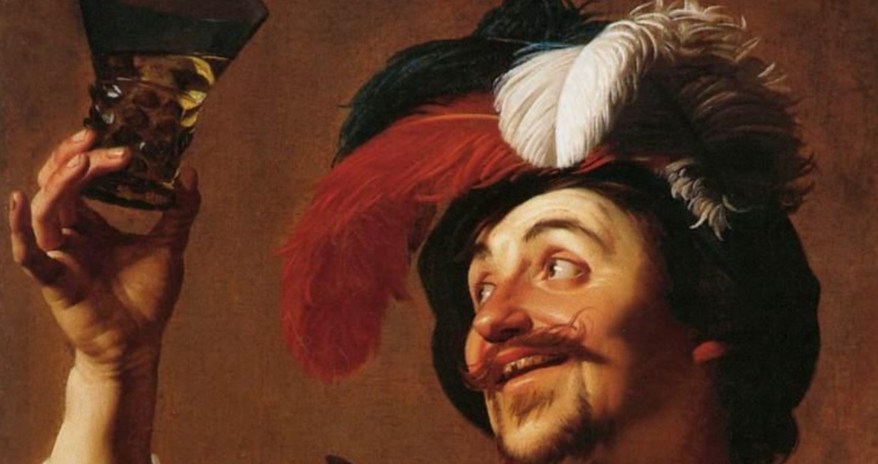
Quel sorriso del violinista felice di Gerrit van Honthorst
🇮🇹Un brindisi, un sorriso, una luce che taglia il buio. Conoscete il dipinto del violinista felice con un bicchiere di vino (1624) di Gerrit van Honthorst?… 🇬🇧A toast, a smile, a light that cuts through the darkness. Are you familiar with the painting of the Happy Violinist with a Glass of Wine (1624) by Gerrit…
-
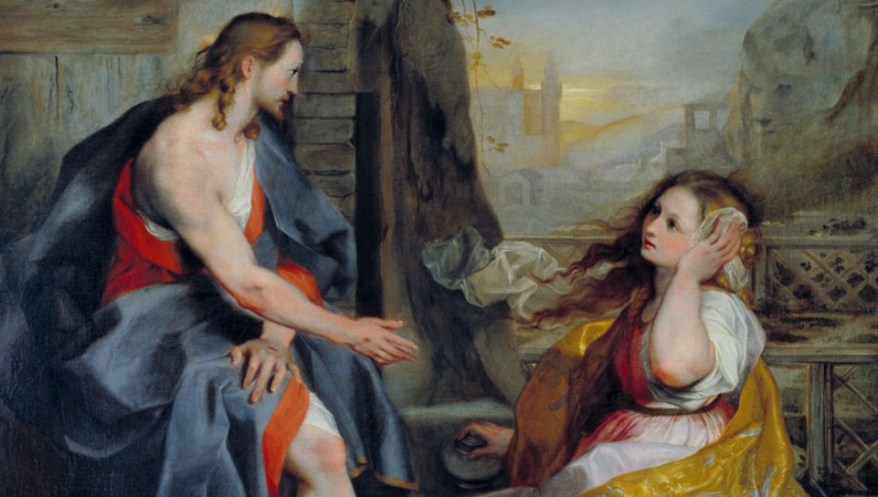
Noli me tangere di Federico Barocci: il capolavoro agli Uffizi che racconta l’incontro più emozionante dopo la Resurrezione
🇮🇹Nel Noli me tangere di Federico Barocci Maria Maddalena riconosce Cristo risorto e prova a toccarlo. Ma lui la ferma… 🇬🇧In Federico Barocci’s Noli Me Tangere, Mary Magdalene recognizes the risen Christ and tries to touch him. But he stops her…
-
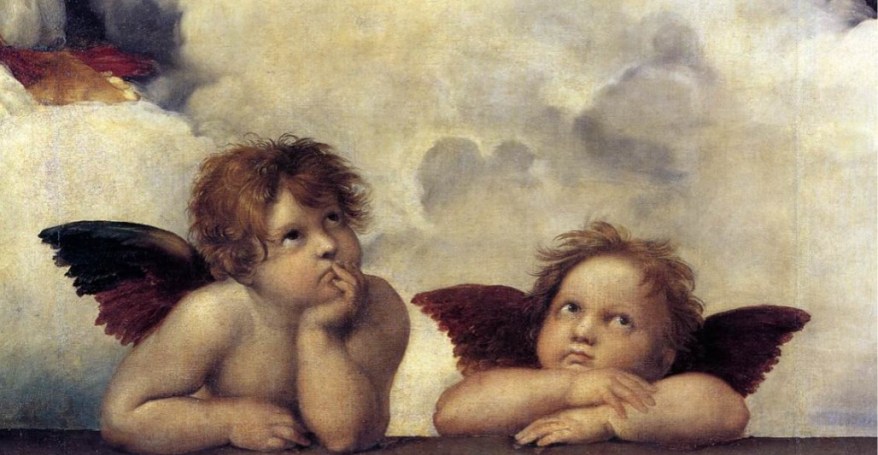
6 aprile 1520: la morte di Raffaello Sanzio e la nascita di un mito immortale
🇮🇹“Qui giace Raffaello: da lui, quando visse, la natura temette d’essere vinta, ora che egli è morto, teme di morire”. Il 6 aprile 1520 Raffaello morì a soli 37 anni… 🇬🇧“Here lies Raphael: when he lived, nature feared to be conquered by him, now that he is dead, she fears to die.” On April 6,…
Condividi:


Questo sono io





sostienici

Sostienici - Support Us
Se questo blog ti piace e ti appassiona, puoi aiutarci a farlo crescere sempre più sostenendoci in modo concreto condividendo i post, seguendo le pagine social e con un contributo che ci aiuta ad andare avanti con il nostro lavoro di divulgazione. . ENGLISH: If you like and are passionate about this blog, you can help us make it grow more and more by supporting us in a concrete way by sharing posts, following social pages and with a contribution that helps us to move forward with our dissemination work.
€10,00


