

Ecco chi era il Barocci, protagonista della prossima monografica a Urbino
Federico Barocci sarà il protagonista indiscusso della grande mostra che verrà allestita a Palazzo Ducale di Urbino e aprirà al pubblico dal 20 giugno fino al 6 ottobre 2024.
Ma chi era il Barocci? Sedetevi comodi che ve lo racconto.
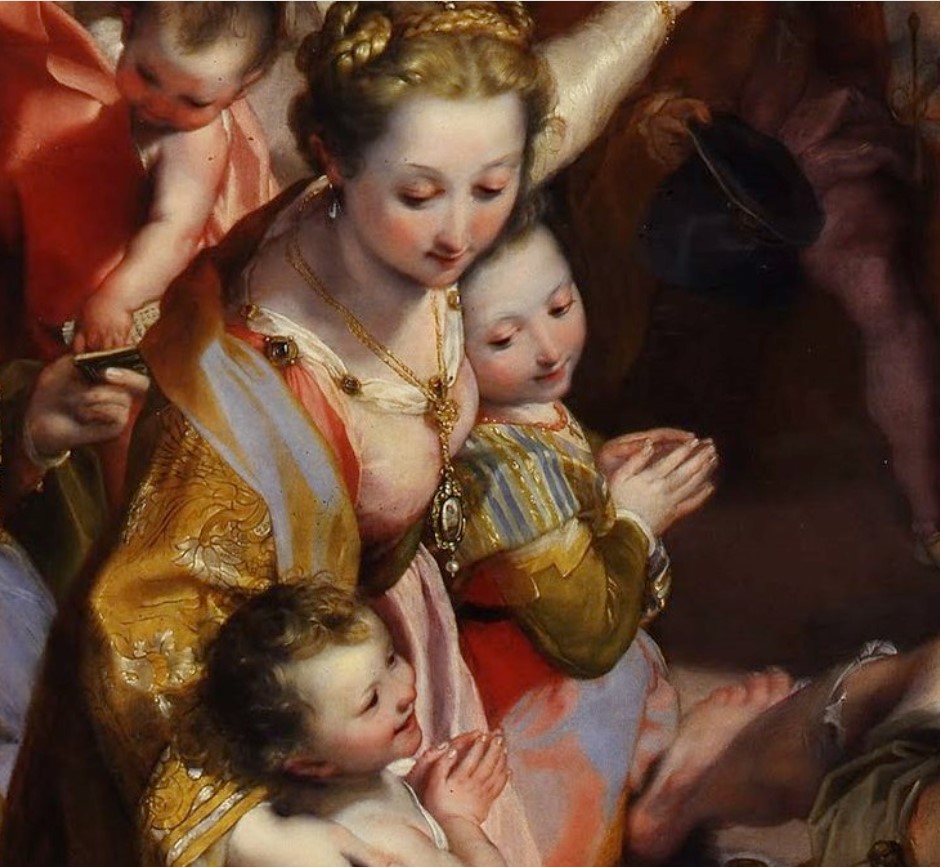
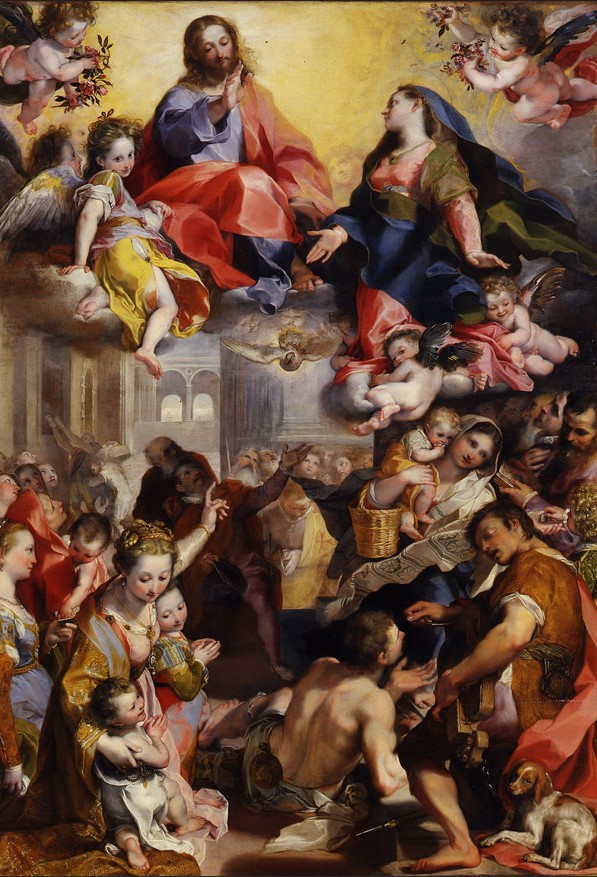
La mostra dal titolo “Federico Barocci Urbino. L’emozione della pittura moderna”, curata da Luigi Gallo e Anna maria Ambrosini Massari, proporrà per la prima volta un’esposizione monografica dedicata a uno degli artisti più illustri della città grazie a prestiti internazionali e dei principali musei italiani.
Saranno 76 le opere esposte, fra dipinti e disegni, che metteranno in luce tutte le fasi della carriera dell’artista.
Federico Barocci e la sua storia
Federico Barocci nacque nella città di Urbino fra il 1533 e il 1535. Figlio di una famiglia di artisti, già da ragazzino mise in evidenza le sue capacità di gran disegnatore e pittore.
Aveva vent’anni quando ottenne la sua prima commissione: il dipinto di Santa Margherita per l’oratorio della Compagnia del Corpus Domini, oggi dato per perduto. Nello stesso periodo mise mano alla pala d’altare con Santa Cecilia, oggi nella Cattedrale di Urbino.
Non molto tempo dopo si trasferì a Roma, ospitato da uno zio che lavorava per il cardinale della Rovere il quale rimase impressionato dalla sua bravura tanto da commissionargli diverse opere.
Barocci tornò in terra natìa tra il 1557 e il 1560 e poi di nuovo a Roma per per decorare il casino di Papa Pio IV dei Giardini Vaticani.

Purtroppo poco dopo l’artista fu colpito da una malattia che lo avrebbe tormentato per tutta la vita: qualcuno vociferava fosse stato addirittura avvelenato da colleghi gelosi ma quella malattia lo obbligò a tornare a Urbino e non si allontanò più di lì se non per brevi periodi di tempo.
Quell’emarginazione forzata dalla malattia lo costringeva a non lavorare a lungo durante la giornata ma ciò non fece terminare la sua lunga e prolifica carriera. Nonostante la sua salute sempre più cagionevole, il Barocci era capace di far fronte a tutte le commissioni che gli arrivavano.
Nel 1570 il duca Guidobaldo gli commissionò la celeberrima opera del Riposo della fuga in Egitto detta anche Madonna delle Ciliege, custodita oggi nella Pinacoteca dei Musei Vaticani.
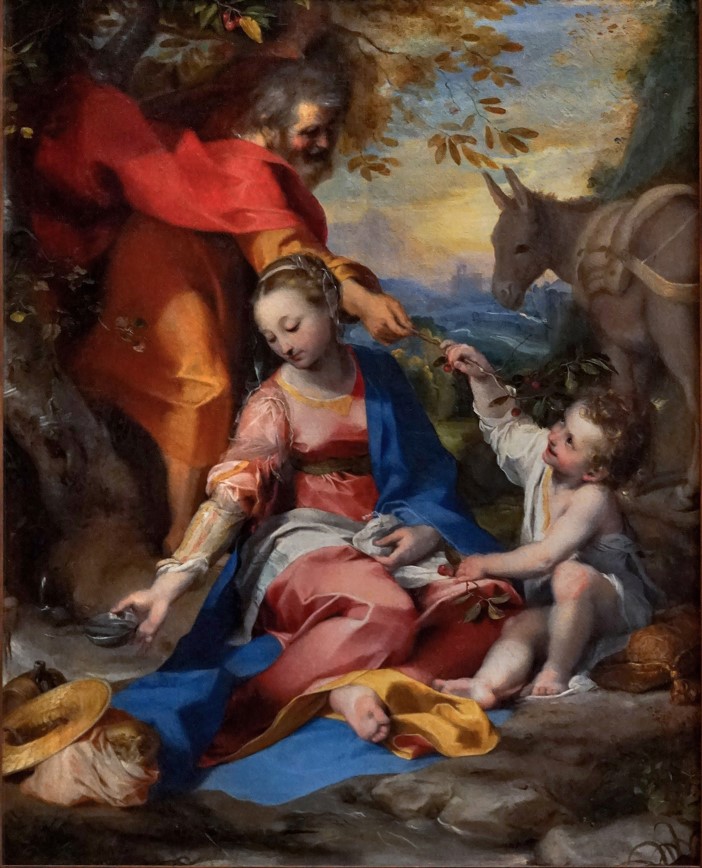
Dopo due anni fu incaricato di ritrarre il giovane principe Francesco Maria per celebrarne il ritorno dalla battaglia di Lepanto: questo incontro diede origine a un rapporto sia professionale sia personale tra l’Artista e Francesco Maria che sarebbe andato avanti per il resto dei loro giorni.
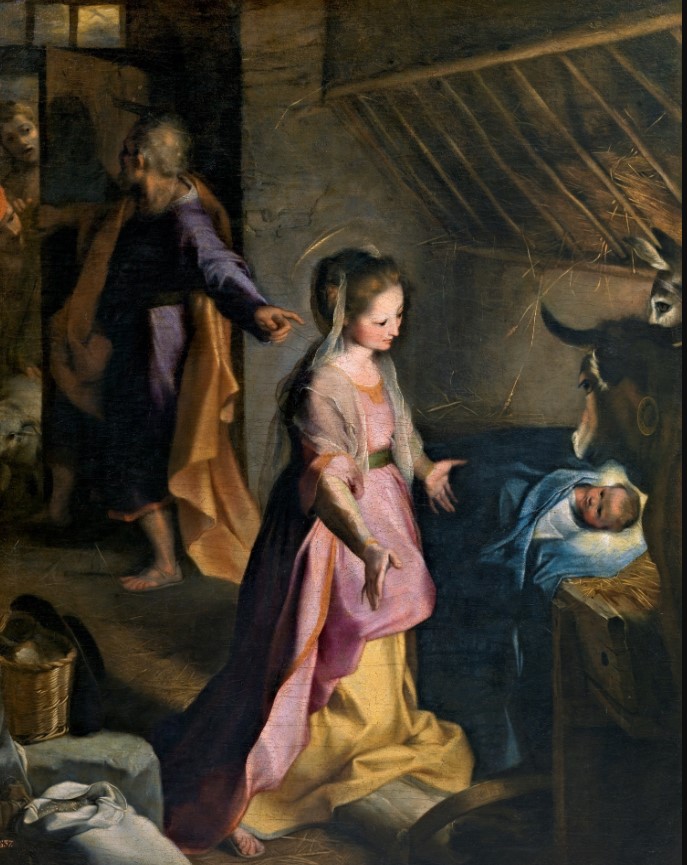
Il Barocci era lento nel lavorare. Oltre alla malattia che gli causava non pochi impedimenti, per ogni dipinto realizzava centinaia di disegni e studi preparatori e prima di consegnare l’opera ultimata procedeva ad effettuare una complessa tecnica di verniciatura.
I colori brillanti, scene serene, ottimistiche e devote sono caratteristiche che accomunano le opere del Barocci. La sua malinconia però si percepisce nelle lettere che scambiava con il duca Francesco Maria.
“Federico Barocci Urbino. L’emozione della pittura moderna“
Galleria Nazionale delle Marche, Palazzo Ducale di Urbino. A cura di Luigi Gallo e Anna Maria Ambrosini Massari con Luca Baroni e Giovanni Russo.
Dal 20 giugno 2024 al 06 ottobre 2024
Orari: da Martedì a Domenica: dalle 8:30 alle 19:15 (chiusura biglietteria ore 18:15); Lunedì chiuso
Ingresso: € 12 intero; € 2 ridotto; € 1 prenotazione
Piazza Rinascimento 13, 61029 Urbino (PU)
Telefono: 0722 2760
gan-mar@cultura.gov.it
Per il momento il sempre vostro Michelangelo Buonarroti vi saluta dandovi appuntamento ai prossimi post e sui social.
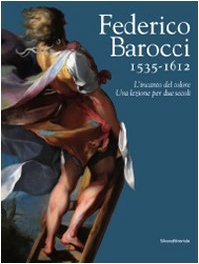
This is who Barocci was, protagonist of the next monograph in Urbino
Federico Barocci will be the undisputed protagonist of the great exhibition which will be set up at Palazzo Ducale in Urbino and will open to the public from 20 June until 6 October 2024. But who was Barocci? Sit back and I’ll tell you about it.
The exhibition entitled Federico Barocci Urbino. The emotion of modern painting” curated by Luigi Gallo and Anna Maria Ambrosini Massari, will propose for the first time a monographic exhibition dedicated to one of the city’s most illustrious artists thanks to international loans and the main Italian museums.
There will be 76 works on display, including paintings and drawings, which will highlight all the phases of the artist’s career.
Federico Barocci and his story
Federico Barocci was born in the city of Urbino between 1533 and 1535. Son of a family of artists, already as a boy he highlighted his abilities as a great designer and painter.
He was twenty years old when he obtained his first commission: the painting of Santa Margherita for the oratory of the Compagnia del Corpus Domini, now considered lost. In the same period he worked on the altarpiece with Santa Cecilia, today in the Cathedral of Urbino.
Not long after he moved to Rome, hosted by an uncle who worked for Cardinal della Rovere who was so impressed by his skill that he commissioned several works from him.
Barocci returned to his native land between 1557 and 1560 and then back to Rome to decorate Pope Pius IV’s casino in the Vatican Gardens.
Unfortunately, shortly afterwards the artist was struck by an illness that would torment him for the rest of his life: some even rumored that he had even been poisoned by jealous colleagues but that illness forced him to return to Urbino and he never left there again except for short periods. of time.
That marginalization forced by illness forced him not to work for long during the day but this did not end his long and prolific career. Despite his increasingly poor health, Barocci was able to deal with all the commissions that came to him.
In 1570 Duke Guidobaldo commissioned him the famous work of the Rest of the Flight into Egypt also known as Madonna delle Ciliege, today kept in the Pinacoteca of the Vatican Museums. After two years he was commissioned to portray the young prince Francesco Maria to celebrate his return from the battle of Lepanto: this meeting gave rise to both a professional and personal relationship between the Artist and Francesco Maria that would continue for the rest of their days.
Barocci was slow in working. In addition to the illness that caused him many impediments, for each painting he created hundreds of drawings and preparatory studies and before handing over the completed work he proceeded to carry out a complex painting technique.
The bright colors, serene, optimistic and devout scenes are characteristics that Barocci’s works have in common. However, his melancholy can be perceived in the letters he exchanged with Duke Francesco Maria.
“Federico Barocci Urbino. The emotion of modern painting”
National Gallery of the Marche, Ducal Palace of Urbino. Edited by Luigi Gallo and Anna Maria Ambrosini Massari with Luca Baroni and Giovanni Russo.
From 20 June 2024 to 06 October 2024
Opening times: from Tuesday to Sunday: from 8.30am to 7.15pm (ticket office closing at 6.15pm); Monday closed
Entrance: €12 full; €2 reduced; €1 booking
Piazza Rinascimento 13, 61029 Urbino (PU)
Telephone: 0722 2760
gan-mar@cultura.gov.it
For the moment, your always Michelangelo Buonarroti greets you and will meet you in the next posts and on social media.

Sostienici – Support Us
Se questo blog ti piace e ti appassiona, puoi aiutarci a farlo crescere sempre più sostenendoci in modo concreto condividendo i post, seguendo le pagine social e con un contributo che ci aiuta ad andare avanti con il nostro lavoro di divulgazione. . ENGLISH: If you like and are passionate about this blog, you can help us make it grow more and more by supporting us in a concrete way by sharing posts, following social pages and with a contribution that helps us to move forward with our dissemination work.
10,00 €
-
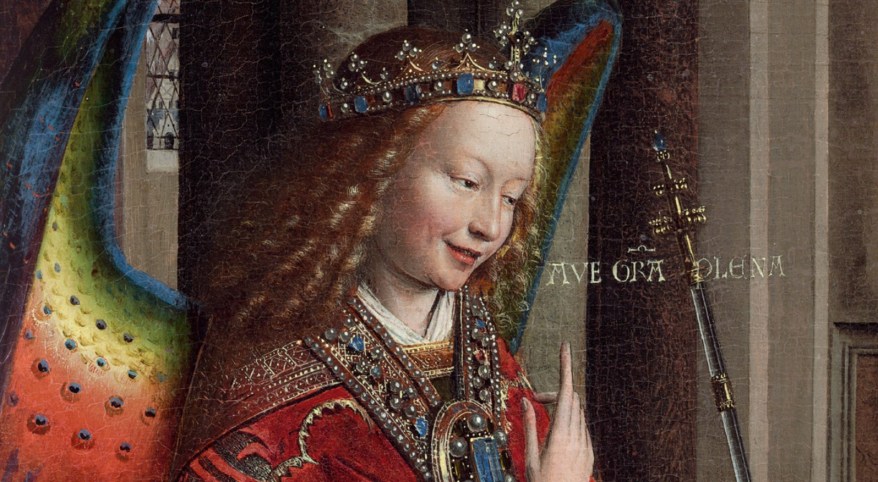
25 marzo: l’Annunciazione di Jan van Eyck, capolavoro fiammingo
🇮🇹Nel giorno del 25 marzo, tradizionalmente legato al mistero dell’Annunciazione, lo sguardo si posa su uno dei capolavori più raffinati della pittura nordica: l’Annunciazione di Jan van Eyck… 🇬🇧On March 25, traditionally linked to the mystery of the Annunciation, our gaze falls on one of the finest masterpieces of Northern European painting: The Annunciation by…
-
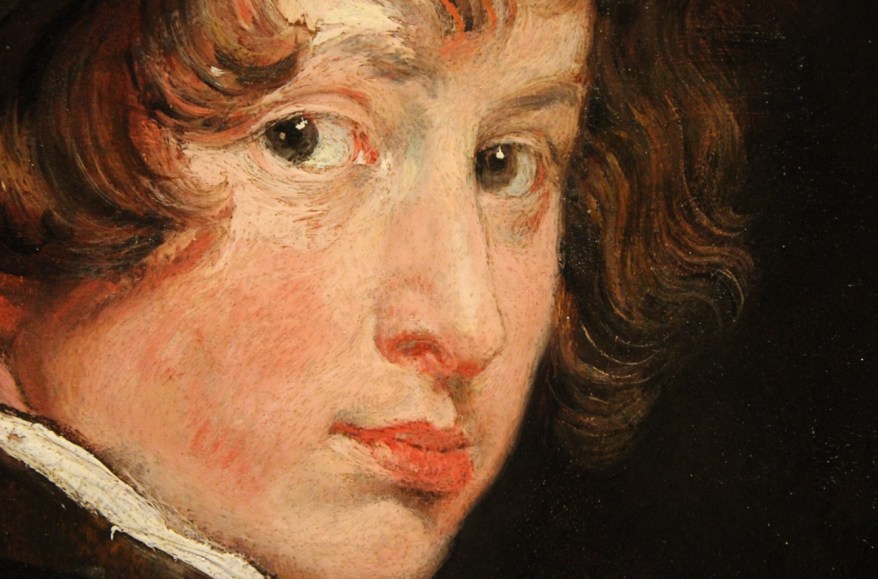
Van Dyck a Genova: la mostra che emoziona tra luce, mirabili dettagli e sguardi indimenticabili
🇮🇹Ho avuto modo di visitare la mostra “Van Dyck l’Europeo” a Genova: un viaggio emozionante tra Anversa, Genova e Londra attraverso dettagli, sguardi e capolavori senza tempo… 🇬🇧I had the opportunity to visit the exhibition “Van Dyck the European” in Genoa: an exciting journey between Antwerp, Genoa, and London through details, glances, and timeless masterpieces…
-
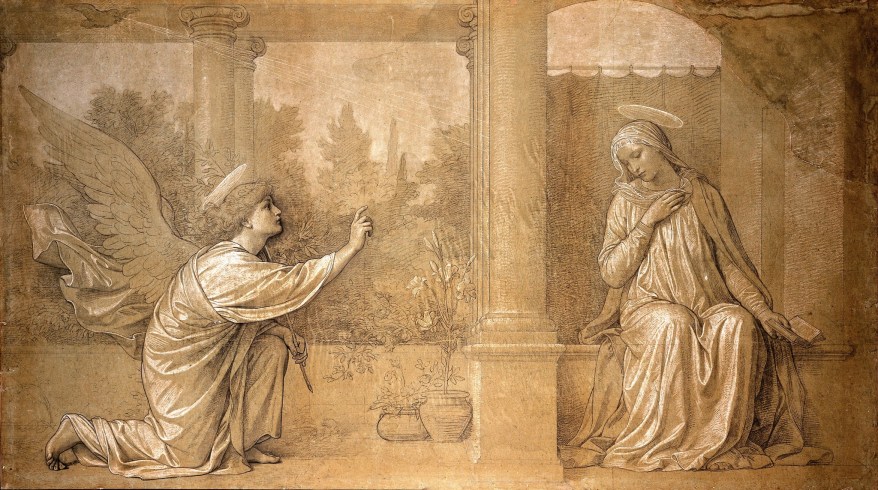
Quando il Capodanno cadeva il 25 marzo: l’Annunciazione di Alessandro Franchi
🇮🇹Il 25 marzo si celebra l’Annunciazione che per secoli, a Firenze e nel resto della Toscana, segnava l’inizio del nuovo anno. Tra le opere più suggestive che raffigurano l’Annunciazione, vi propongo il cartone realizzato da Alessandro Franchi intorno al 1884… 🇬🇧March 25th marks the celebration of the Annunciation, which for centuries marked the beginning of…
Condividi:


Questo sono io





sostienici

Sostienici – Support Us
Se questo blog ti piace e ti appassiona, puoi aiutarci a farlo crescere sempre più sostenendoci in modo concreto condividendo i post, seguendo le pagine social e con un contributo che ci aiuta ad andare avanti con il nostro lavoro di divulgazione. . ENGLISH: If you like and are passionate about this blog, you can help us make it grow more and more by supporting us in a concrete way by sharing posts, following social pages and with a contribution that helps us to move forward with our dissemination work.
€10,00


