
Guercino, il mestiere del pittore: la nuova mostra ai Musei Reali di Torino
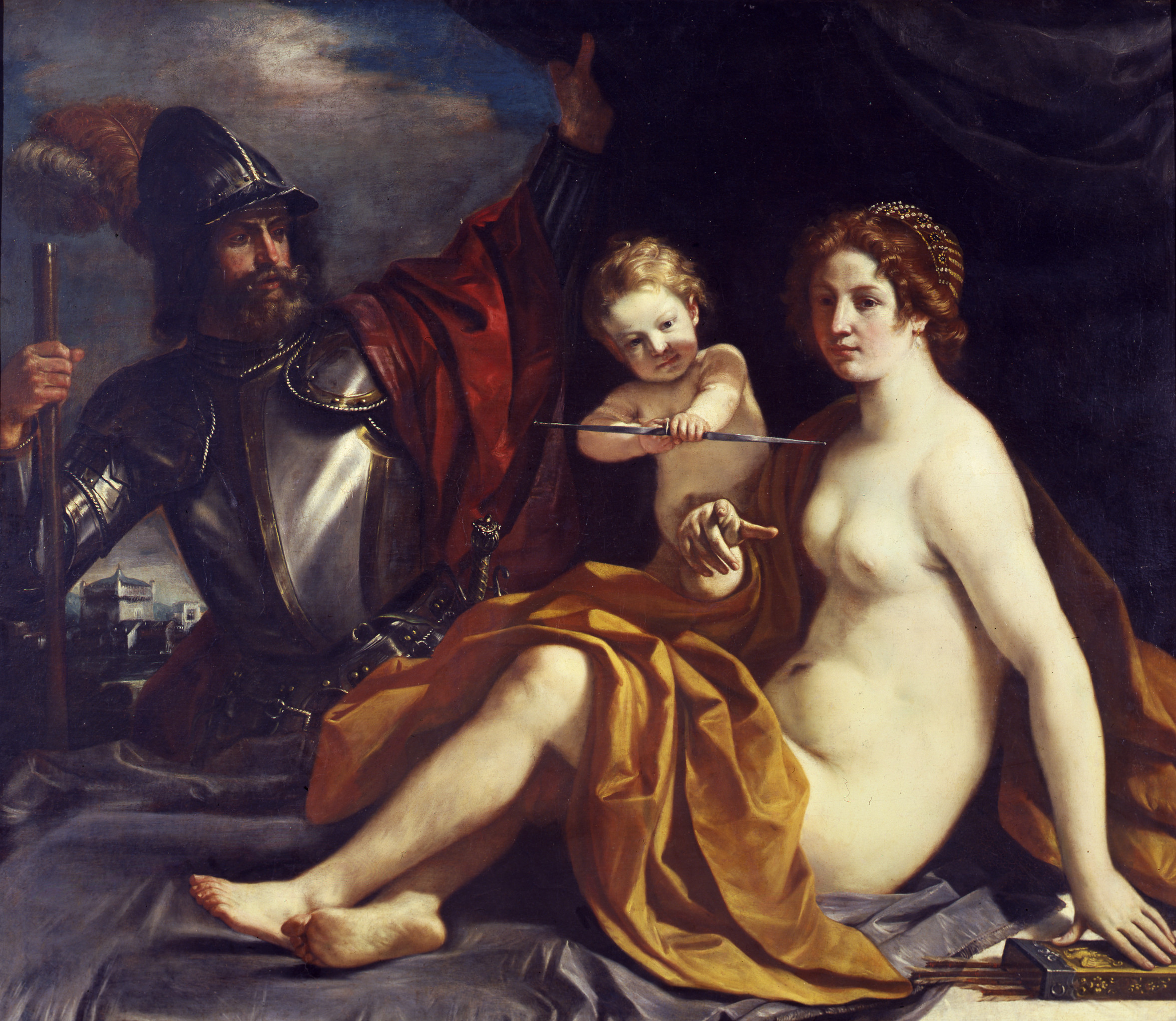
Saranno oltre 100 le opere del Guercino e di artisti coevi, provenienti da più di 30 importanti musei e collezioni fra cui il Prado e il Monastero dell’Escorial che arriveranno ai Musei Reali di Torino per la mostra dal titolo: “Guercino: il mestiere del pittore”.
Il percorso espositivo permetterà di approfondire la conoscenza del Guercino ma anche del mestiere del pittore nel Seicento.

Dall’importante nucleo delle collezioni sabaude a molti altri raffinati e monumentali capolavori di Guercino, ci aspetta una mostra che, fra le novità proposte, riunirà per la prima volta dopo 400 anni, il ciclo di dipinti commissionati a Bologna da Alessandro Ludovisi, futuro papa Gregorio XV.
…gran disegnatore e felicissimo coloritore: è mostro di natura e miracolo da far stupire chi vede le sue opere. Non dico nulla: ei fa rimaner stupidi li primi pittori
Così scrisse Ludovico Carracci a Don Ferrante Carli il 25 ottobre del 1617 riferendosi a Guercino
In un periodo di grande attenzione e di rinnovati studi sull’opera e la figura di Giovanni Francesco Barbieri detto il Guercino e all’indomani della riapertura della Pinacoteca Civica di Cento i Musei Reali di Torino presenta la nuova mostra dedicata all’artista all’interno delle Sale Chiablese dal 23 marzo al 28 luglio 2024, prodotta da CoopCulture con Villaggio Globale International.
La mostra è curata da Annamaria Bava dei Musei Reali e da Gelsomina Spione dell’Università di Torino, con un comitato scientifico di prestigio, cui partecipano: Daniele Benati, David García Cueto, Barbara Ghelfi, Francesco Gonzales, Fausto Gozzi, Alessandro Morandotti, Raffaella Morselli, Sofia Villano.
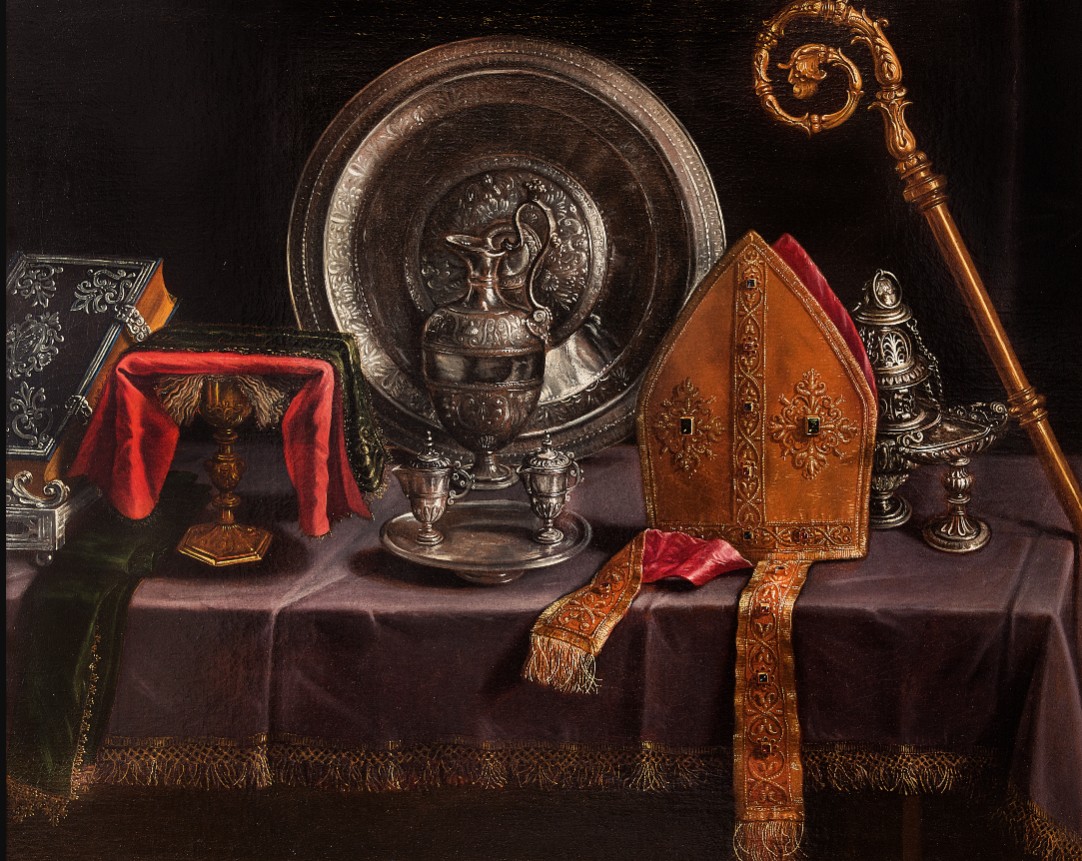
Al centro dell’esposizione è il mestiere del pittore nel Seicento esemplificato sulla figura di uno dei maggiori protagonisti della scena artistica dell’epoca.
Ripercorrendo temi e aspetti che attraversano tutta la carriera del Maestro, grazie a capolavori di primo piano, la mostra intende dare conto più in generale della professione del pittore a quel tempo: le sfide del mestiere, i sistemi di produzione, l’organizzazione della bottega, le dinamiche del mercato e delle committenze, i soggetti più richiesti.
A partire dal significativo nucleo di dipinti e disegni appartenenti alle collezioni della Galleria Sabauda e della Biblioteca Reale, oltre cento opere del Maestro emiliano e di artisti coevi come i Carracci, Guido Reni e Domenichino – provenienti da più di 30 importanti musei e collezioni, compresi il Museo del Prado di Madrid e il Monastero di San Lorenzo a El Escorial – daranno vita a un grande affresco del sistema dell’arte nel Seicento, guidati dal talento di quel “mostro di natura e miracolo da far stupir” che fu Guercino, secondo la definizione che ne diede Ludovico Carracci, impressionato dal suo talento.
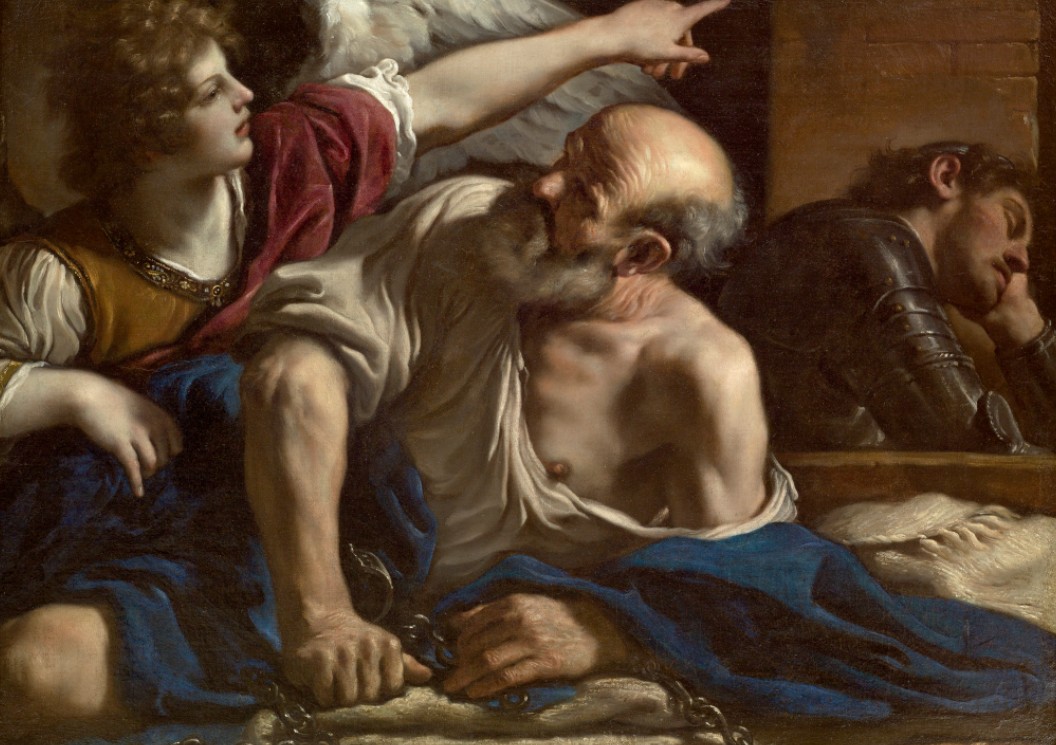
Guercino, grazie a una strutturata bottega e alla ricchissima documentazione lasciata, alla rete di mentori e intermediari, ai rapporti con tanti e diversi committenti – richiesto come fu da borghesi, nobili, pontefici e prelati, ma anche dalle più prestigiose corti europee – diventa l’exemplum perfetto della vita, dell’iter creativo e del mestiere di ogni pittore.
Le importanti opere riunite a Torino nell’occasione – inclusi due dipinti inediti di collezioni private e le tele che permettono lo straordinario ricongiungimento dopo 400 anni del ciclo Ludovisi – sono dunque particolarmente significative per questo racconto, sviluppato in 10 sezioni tematiche tra confronti, parallelismi, testimonianze.
Il percorso espositivo
Il percorso espositivo comincia con la presentazione dell’artista.
Guercino ci appare, circa quarantenne, e con gli strumenti del mestiere, nel raro Autoritratto della Schoeppler Collection di Londra che ben introduce al percorso: un’opera intima e privata che proprio per questo non risulta nel suo famoso “Libro dei conti”, ma che testimonia il carattere di un uomo fiero e semplice ad un tempo.
La fase della formazione è debitrice, come per tutti i pittori, dello studio di opere di grandi maestri e dell’incontro con personalità che incidono nella maturazione di un artista: per Guercino punti di riferimento furono in particolare Ludovico Carracci, ammirato a Bologna ma anche a Cento e sul versante ferrarese (prima del viaggio a Venezia) lo Scarsellino e Carlo Bononi.
“L’ Accademia del nudo” sarà la fase successiva: Guercino ormai famoso in patria, apre la sua Accademia nel 1616 facendone un punto di riferimento per molti giovani artisti.
In mostra il nucleo di 22 incisioni di Oliviero Gatti, tratte dai disegni di Guercino per farne dono al duca di Mantova esposto accanto alle opere di Annibale e Agostino Carracci.
Prima di affrontare il tema della bottega e delle sue dinamiche, la mostra ricorda le fasi dell’affermazione del pittore e la geografia delle committenze, che sempre nella carriera di un artista rivestono un ruolo centrale.
In questo contesto, fondamentale risulta la figura di Alessandro Ludovisi, arcivescovo di Bologna e dal 1621 papa Gregorio XV. Questi aveva già conosciuto Guercino grazie alla mediazione di padre Mirandola, grande promotore dell’artista di Cento, e all’apprezzamento di Ludovico Carracci folgorato, come sappiamo, dalla pittura del giovane artista e chiamato dall’arcivescovo Ludovisi a valutare il costo delle opere da lui commissionate.
Il ciclo di tele Ludovisi segna una svolta: con la salita al soglio pontificio di Gregorio XV, Guercino si trasferirà per alcuni anni a Roma, ricevendo nella capitale pontificia importantissimi incarichi.
La bottega diretta da Guercino era organizzatissima, con ruoli e metodi esemplari del sistema del tempo.
Il fratello di Guercino , Paolo Antonio Barbieri, ad esempio era specializzato nei dipinti con soggetti “di ferma”e così all’interno di un’opera gli elementi naturali erano spesso già predisposti e Guercino interveniva aggiungendo all’ultimo le figure, come nell’affascinante Ortolana, che Giovanni Francesco termina nel 1655, sei anni dopo la morte del fratello.
A rendere evidente, invece, la prassi della riproposizione dei modelli e il ricorso a un repertorio di invenzioni, la mostra offre alcuni accostamenti di grande efficacia.
Le logiche del mercato non erano estranee a Guercino e alla sua impresa e il “listino prezzi” variava in base alla tipologia delle figure, alle dimensioni della tela e all’uso dei preziosi pigmenti.
Le ultime tre sezioni della mostra sono dedicate ad alcuni dei temi e dei soggetti più aderenti alla realtà del tempo o di particolare successo e dunque maggiormente indagati dal pittore e dalla bottega.
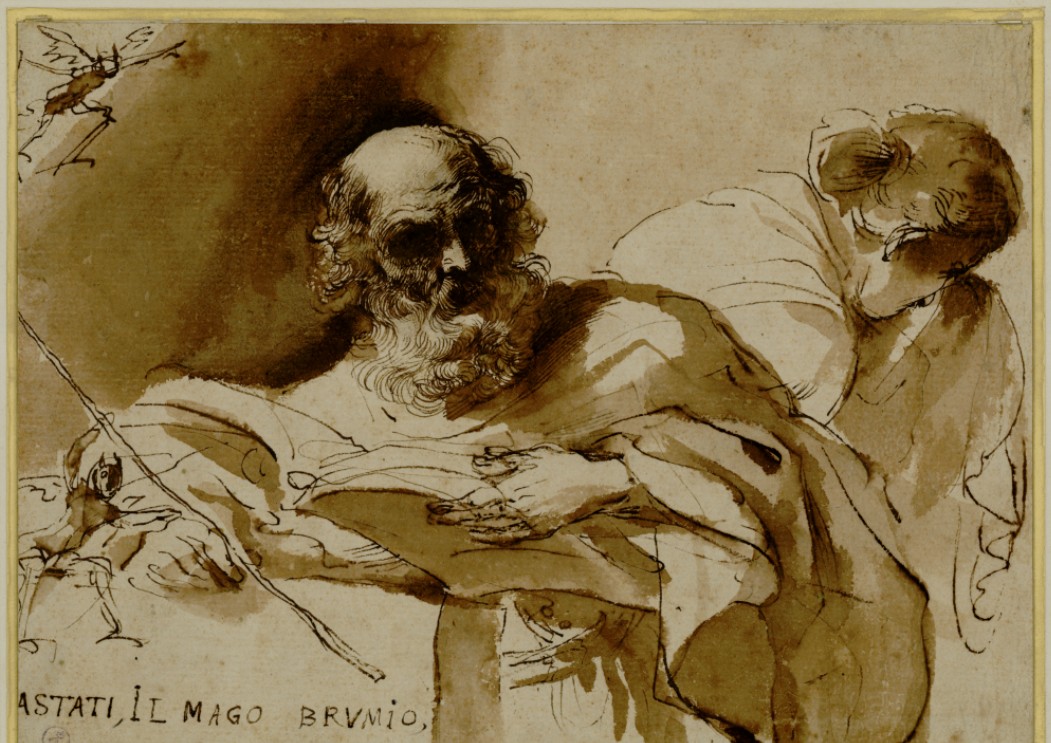
E’ il caso delle novità scientifiche legate al rivoluzionario pensiero galileiano, che accendono l’interesse di committenti, intellettuali e artisti compreso Guercino, il quale su richiesta dei Medici dipinge il famoso Atlante che regge il globo (Museo Bardini di Firenze) e con sguardo disincantato disegna invece il Mago Brumio, testimonianza delle credenze popolari ancora diffuse.
Quindi, il “gran teatro della pittura barocca” con altri capolavori, tra cui Il ritorno del figliol prodigo (1627-28) della Galleria Borghese proveniente dalla collezione romana dei Lancellotti, o Amnon e Tamar dalla Galleria Estense di Modena.
La resa teatrale delle tensioni e delle psicologie, dei drammi e delle passioni si coglie anche in uno dei soggetti più amati e di successo dell’arte del tempo e della produzione guerciniana.
GUERCINO. Il mestiere del pittore
Torino, Musei Reali – Sale Chiablese (piazzetta Reale)
23 marzo – 28 luglio 2024
GIORNI E ORARI D’APERTURA
Dal martedì alla domenica, dalle 10.00 alle 19.00
BIGLIETTI
Intero mostra: 15 €
Ridotto mostra: 13 € (gruppi con prenotazioni, insegnanti, 18 – 25 anni, convenzioni partner mostra: ARCI, NOVACOOP)
Ridotto mostra: 7 € (visitatori da 12 a 17 anni)
Per il momento il vostro Michelangelo Buonarroti vi saluta dandovi appuntamento ai prossimi post e sui social.
Guercino, the painter’s profession: the new exhibition at the Royal Museums of Turin
There will be over 100 works by Guercino and contemporary artists, coming from more than 30 important museums and collections including the Prado and the El Escorial Monastery, which will arrive at the Royal Museums of Turin for the exhibition entitled: “Guercino: the craft of painter”.
The exhibition itinerary will allow you to deepen your knowledge of Guercino but also of the painter’s profession in the seventeenth century.
From the important nucleus of the Savoy collections to many other refined and monumental masterpieces by Guercino, an exhibition awaits us which, among the new proposals, will bring together for the first time after 400 years, the cycle of paintings commissioned in Bologna by Alessandro Ludovisi, future pope Gregory XV.
“…great designer and very happy colourist: he is a monster of nature and a miracle that amazes those who see his works. I say nothing: he makes the first painters stupid”, so wrote Ludovico Carracci to Don Ferrante Carli on 25 October 1617 referring in Guercino.
In a period of great attention and renewed studies on the work and figure of Giovanni Francesco Barbieri known as Guercino and in the aftermath of the reopening of the Pinacoteca Civica di Cento, the Royal Museums of Turin presents the new exhibition dedicated to the artist inside of the Sale Chiablese from 23 March to 28 July 2024, produced by CoopCulture with Villaggio Globale International.
The exhibition is curated by Annamaria Bava of the Royal Museums and by Gelsomina Spione of the University of Turin, with a prestigious scientific committee, whose participants include: Daniele Benati, David García Cueto, Barbara Ghelfi, Francesco Gonzales, Fausto Gozzi, Alessandro Morandotti, Raffaella Morselli, Sofia Villano.
At the center of the exhibition is the profession of the painter in the seventeenth century exemplified on the figure of one of the major protagonists of the artistic scene of the time.
By retracing themes and aspects that span the entire career of the Master, thanks to leading masterpieces, the exhibition intends to give a more general account of the painter’s profession at that time: the challenges of the trade, the production systems, the organization of the workshop , the dynamics of the market and clients, the most requested subjects.
Starting from the significant nucleus of paintings and drawings belonging to the collections of the Sabauda Gallery and the Royal Library, over one hundred works by the Emilian Master and contemporary artists such as the Carracci, Guido Reni and Domenichino – coming from more than 30 important museums and collections, including the Prado Museum in Madrid and the Monastery of San Lorenzo in El Escorial – will give life to a great fresco of the art system in the seventeenth century, guided by the talent of that “monster of nature and miracle to amaze” that was Guercino, according to the definition given by Ludovico Carracci, impressed by his talent.
Guercino, thanks to a structured workshop and the very rich documentation left behind, to the network of mentors and intermediaries, to the relationships with many and different clients – requested as he was by bourgeois, nobles, pontiffs and prelates, but also by the most prestigious European courts – becomes the The perfect example of the life, creative process and profession of every painter.
The important works brought together in Turin on the occasion – including two unpublished paintings from private collections and the canvases that allow the extraordinary reunion after 400 years of the Ludovisi cycle – are therefore particularly significant for this story, developed in 10 thematic sections between comparisons, parallels, testimonials.
The exhibition itinerary
The exhibition itinerary begins with the presentation of the artist.
Guercino appears to us, around forty years old, and with the tools of the trade, in the rare Self-portrait of the Schoeppler Collection in London which well introduces the journey: an intimate and private work which for this very reason is not included in his famous “Account Book”, but which testifies to the character of a proud and simple man at the same time.
The training phase is due, as for all painters, to the study of works by great masters and the meeting with personalities who influence the maturation of an artist: for Guercino points of reference were in particular Ludovico Carracci, admired in Bologna but also in Cento and on the Ferrara side (before the trip to Venice) Scarsellino and Carlo Bononi.
“The Academy of the Nude” will be the next phase: Guercino, now famous in his homeland, opens his Academy in 1616, making it a point of reference for many young artists.
On display is the nucleus of 22 engravings by Oliviero Gatti, taken from Guercino’s drawings as a gift to the Duke of Mantua, displayed alongside the works of Annibale and Agostino Carracci.
Before addressing the theme of the workshop and its dynamics, the exhibition recalls the phases of the painter’s affirmation and the geography of the commissions, which always play a central role in the career of an artist.
In this context, the figure of Alessandro Ludovisi, archbishop of Bologna and Pope Gregory XV from 1621, is fundamental. He had already met Guercino thanks to the mediation of Father Mirandola, a great promoter of the artist from Cento, and the appreciation of Ludovico Carracci, struck, as we know, by the young artist’s painting and called by Archbishop Ludovisi to evaluate the cost of the works to be him commissioned.
The Ludovisi cycle of paintings marks a turning point: with Gregory
The workshop directed by Guercino was very organised, with exemplary roles and methods of the system of the time.
Guercino’s brother, Paolo Antonio Barbieri, for example, specialized in paintings with “still” subjects and so within a work the natural elements were often already prepared and Guercino intervened by adding the figures at the last, as in fascinating Ortolana, which Giovanni Francesco completed in 1655, six years after his brother’s death.
However, to highlight the practice of re-proposing models and the use of a repertoire of inventions, the exhibition offers some highly effective combinations.
The logic of the market was not foreign to Guercino and his company and the “price list” varied based on the type of figures, the size of the canvas and the use of precious pigments.
The last three sections of the exhibition are dedicated to some of the themes and subjects most in line with the reality of the time or particularly successful and therefore most investigated by the painter and his workshop.
This is the case of the scientific innovations linked to the revolutionary Galilean thought, which aroused the interest of clients, intellectuals and artists including Guercino, who at the request of the Medici painted the famous Atlas holding the globe (Bardini Museum in Florence) and with a disenchanted, he instead draws the Wizard Brumio, testimony to the popular beliefs that are still widespread.
Then, the “great theater of baroque painting” with other masterpieces, including The Return of the Prodigal Son (1627-28) from the Galleria Borghese from the Roman collection of the Lancellotti, or Amnon and Tamar from the Galleria Estense in Modena.
The theatrical rendering of tensions and psychologies, dramas and passions can also be seen in one of the most beloved and successful subjects of the art of the time and of Guercini’s production.
GUERCINO. The painter’s profession
Turin, Royal Museums – Sale Chiablese (Piazzetta Reale)
23 March – 28 July 2024
OPENING DAYS AND HOURS
From Tuesday to Sunday, from 10.00 to 19.00
TICKETS
Entire exhibition: €15
Reduced exhibition: €13 (groups with reservations, teachers, 18 – 25 years, exhibition partner agreements: ARCI, NOVACOOP)
Reduced exhibition: €7 (visitors aged 12 to 17)
For the moment, your Michelangelo Buonarroti greets you and will meet you in future posts and on social media.

Sostienici – Support Us
Se questo blog ti piace e ti appassiona, puoi aiutarci a farlo crescere sempre più sostenendoci in modo concreto condividendo i post, seguendo le pagine social e con un contributo che ci aiuta ad andare avanti con il nostro lavoro di divulgazione. . ENGLISH: If you like and are passionate about this blog, you can help us make it grow more and more by supporting us in a concrete way by sharing posts, following social pages and with a contribution that helps us to move forward with our dissemination work.
10,00 €
-
Festival La Versiliana 2026: tra musica, teatro e grandi narrazioni
Dal 17 luglio al 23 agosto 2026, la pineta di Marina di Pietrasanta ospiterà la 47ª edizione del Festival La Versiliana. Una kermesse aperta a tutti nella quale linguaggi diversi dialogano tra loro in un equilibrio tra tradizione e contemporaneità.
-
Giovedì Santo: l’Ultima Cena di Allori che pochi conoscono a Firenze
🇮🇹Nel cuore di Museo di Santa Maria Novella, a Firenze, si conserva una delle interpretazioni più affascinanti e meno note dell’Ultima Cena: quella realizzata da Alessandro Allori nel 1584… 🇬🇧In the heart of the Santa Maria Novella Museum in Florence, one of the most fascinating and least-known interpretations of the Last Supper is preserved: the…
-
Cenacolo di Leonardo: i dettagli che raccontano il tradimento
🇮🇹Nel Cenacolo di Leonardo da Vinci, custodito a Santa Maria delle Grazie, Cristo annuncia il tradimento e il tempo si ferma… 🇬🇧In Leonardo da Vinci’s Last Supper, housed in Santa Maria delle Grazie, Christ announces the betrayal and time stands still…
Condividi:


Questo sono io





sostienici

Sostienici – Support Us
Se questo blog ti piace e ti appassiona, puoi aiutarci a farlo crescere sempre più sostenendoci in modo concreto condividendo i post, seguendo le pagine social e con un contributo che ci aiuta ad andare avanti con il nostro lavoro di divulgazione. . ENGLISH: If you like and are passionate about this blog, you can help us make it grow more and more by supporting us in a concrete way by sharing posts, following social pages and with a contribution that helps us to move forward with our dissemination work.
€10,00


