
La Cappella Paolina e l’età che conta: 172 giornate di lavoro 7 anni
Il 16 novembre del 1542 furono acquistati i colori che mi sarebbero serviti per gli affreschi della Cappella Paolina: avrebbe provveduto poi l’Urbino a macinarli come aveva fatto precedentemente per quelli destinati al Giudizio Universale.
In quel periodo non stavo benissimo di salute ma nemmeno d’animo. Ero letteralmente tormentato dall’idea fissa di dover concludere la tomba per papa Giulio II, ormai deceduto da lungi.

L’ultimo contratto sottoscritto con gli eredi risaliva al 20 agosto del 1542 e sebbene affidassi il Profeta, la Sibilla e la Madonna col Bambino al Montelupo, ancora non ero riuscito a concludere le opere che avrei dovuto scolpire solo io, come pattuito con il duca Guidobaldo II della Rovere.
Avevo 75 anni all’epoca e sapevo che mettermi al lavoro su due grandi affreschi non sarebbe stata una passeggiata. E poi quella tomba che pareva non voler finire mai: un progetto ambizioso sempre più ridotto che mi costò quarant’anni di tragedia

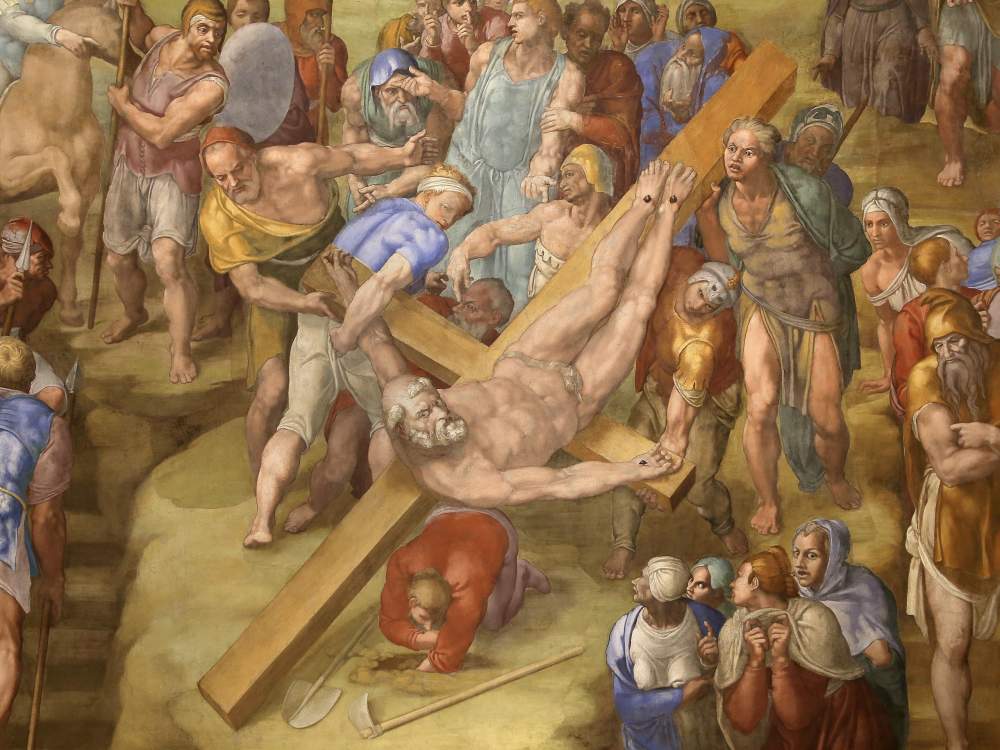
Per affrescare la Conversione di Saulo mi ci vollero 84 giornate di lavoro mentre per la Crocifissione di San Pietro ne impiegai 87.
Le 172 giornate in totale le diluii in circa sette anni.
Non ero più giovane come quando affrescai la volta della Cappella Sistina e nemmeno così in salute come quando realizzai il Giudizio Universale. Fu necessario interrompere i lavori più di una volta, prima nel 1554 e poi nel 1546. La seconda volta che mi ammalai stavo così male che già avevo steso un primo testamento.
Conta lo spirito ma conta anche l’età per far certi lavori che richiedono un impegno fisico straordinario come gli affreschi d grandi dimensioni.
Per il momento il vostro Michelangelo Buonarroti vi saluta dandovi appuntamento ai prossimi post e sui social.

The Pauline Chapel and the age that counts: 172 days of work 7 years.
On 16 November 1542, the colors that would be used for the frescoes of the Pauline Chapel were purchased: Urbino would then proceed to grind them as he had previously done for those destined for the Last Judgment.
At that time I wasn’t in great health, but I wasn’t in very good spirits either. I was literally tormented by the fixed idea of having to complete the tomb for Pope Julius II. now deceased for a long time.
The last contract signed with the heirs dated back to 20 August 1542 and although I entrusted the Prophet, the Sibyl and the Madonna and Child to Montelupo, I still had not managed to complete the works that I alone should have sculpted, as agreed with the duke Guidobaldo II della Rovere.
I was 75 years old at the time and I knew that getting to work on two large frescoes would not be a walk in the park. And then that tomb that seemed to never end: an increasingly smaller ambitious project that cost me forty years of tragedy
To fresco the Conversion of Saul it took me 84 days of work while for the Crucifixion of Saint Peter I took 87. I diluted the 172 days in total over approximately seven years.
I was no longer as young as when I frescoed the vault of the Sistine Chapel and not even as healthy as when I painted the Last Judgment. It was necessary to interrupt the work more than once, first in 1554 and then in 1546. The second time I fell ill I was so ill that I had already drawn up a first will.
The spirit counts but the age also counts to do certain jobs that require extraordinary physical commitment such as large frescoes.
For the moment, your Michelangelo Buonarroti greets you and will meet you in future posts and on social media.

Sostienici – Support Us
Se questo blog ti piace e ti appassiona, puoi aiutarci a farlo crescere sempre più sostenendoci in modo concreto condividendo i post, seguendo le pagine social e con un contributo che ci aiuta ad andare avanti con il nostro lavoro di divulgazione. . ENGLISH: If you like and are passionate about this blog, you can help us make it grow more and more by supporting us in a concrete way by sharing posts, following social pages and with a contribution that helps us to move forward with our dissemination work.
8,00 €
-
La Lavanda dei Piedi di Tintoretto: Il Capolavoro Veneziano al Prado
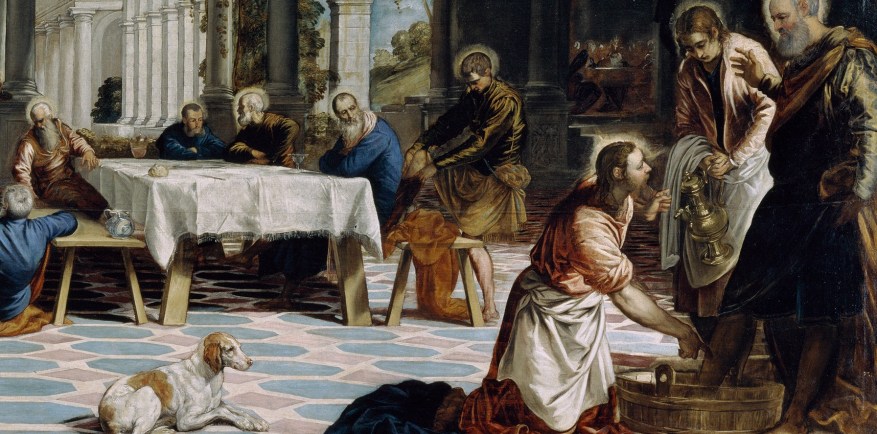
🇮🇹Tra i capolavori più affascinanti del Rinascimento veneziano, “La Lavanda dei Piedi” di Jacopo Tintoretto rappresenta un perfetto equilibrio tra spiritualità, innovazione compositiva e straordinaria forza narrativa… 🇬🇧Among the most fascinating masterpieces of the Venetian Renaissance, Jacopo Tintoretto’s “The Washing of the Feet” represents a perfect balance between spirituality, compositional innovation, and extraordinary narrative force…
-
Il Sacrificio di Isacco e quel momento tra la vita e la morte
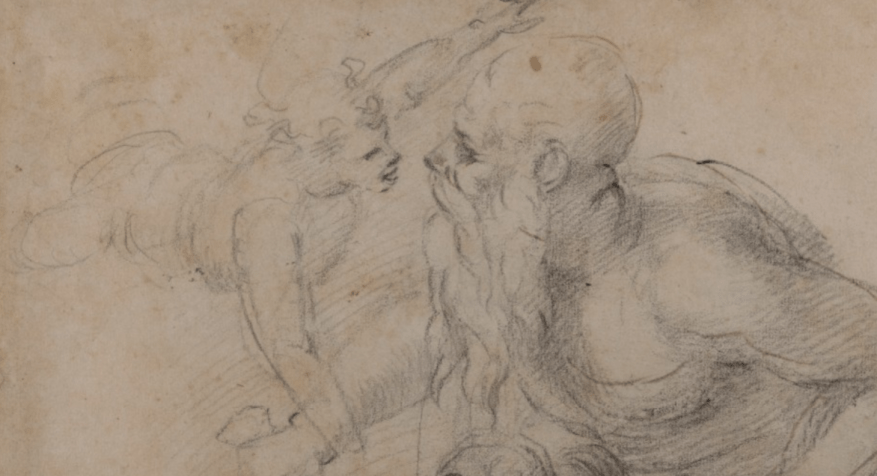
🇮🇹Oggi voglio raccontarvi alcuni dettagli sul mio disegno del Sacrificio di Isacco, conservato oggi a Casa Buonarroti. Su quel foglio volli tracciare il momento preciso in cui la paura fa spazio al miracolo… 🇬🇧Today I want to tell you some details about my drawing of the Sacrifice of Isaac, now preserved at Casa Buonarroti. On…
-
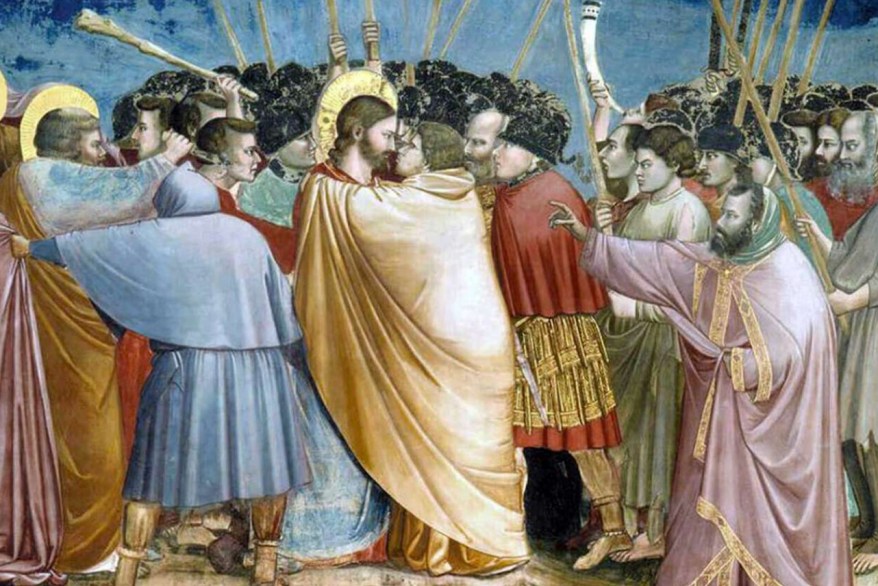
Mercoledì Santo: il giorno del tradimento di Giuda affrescato da Giotto
🇮🇹Il Mercoledì Santo è il giorno del silenzio, della riflessione e del tradimento. È il momento in cui Giuda sceglie di vendere Gesù per trenta denari, segnando uno dei passaggi più dolorosi della Settimana Santa…. 🇬🇧Holy Wednesday is a day of silence, reflection, and betrayal. ✝It is the moment when Judas chooses to sell Jesus…
Condividi:


Questo sono io





sostienici

Sostienici – Support Us
Se questo blog ti piace e ti appassiona, puoi aiutarci a farlo crescere sempre più sostenendoci in modo concreto condividendo i post, seguendo le pagine social e con un contributo che ci aiuta ad andare avanti con il nostro lavoro di divulgazione. . ENGLISH: If you like and are passionate about this blog, you can help us make it grow more and more by supporting us in a concrete way by sharing posts, following social pages and with a contribution that helps us to move forward with our dissemination work.
€10,00


