

Perfezione senza sconti: abbandonando i marmi difettati
Quei marmi candidi come la neve a volte riservavano bruttissime sorprese. Più bianchi erano più sapevo di rischiare di trovare verso l’interno un pelo nero o un qualche altro difetto che li rendesse inservibili.
Mi accadde più di una volta nel corso della vita di ritrovarmi fra le mani un’opera condotta a buon punto che senza tanti preavvisi mi svelava ciò che mai avrei voluto: un difetto venuto fuori in un secondo momento che mi rovinava l’effetto finale voluto.
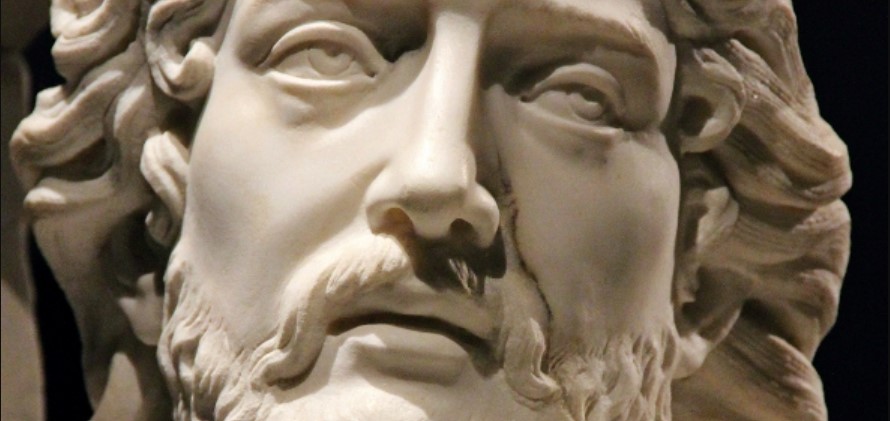
Fra le opere più celebri che abbandonai in corso d’opera c’è senza dubbio la prima versione del Cristo della Minerva.
In pieno volto, sulla guancia sinistra, emerse sempre di più, scalpellata dopo scalpellata, quella lacrima nera come la pece che correva a partire dalla radice del naso e poi scendeva giù, fino a correre sulla spalla per poi sparire di nuovo.
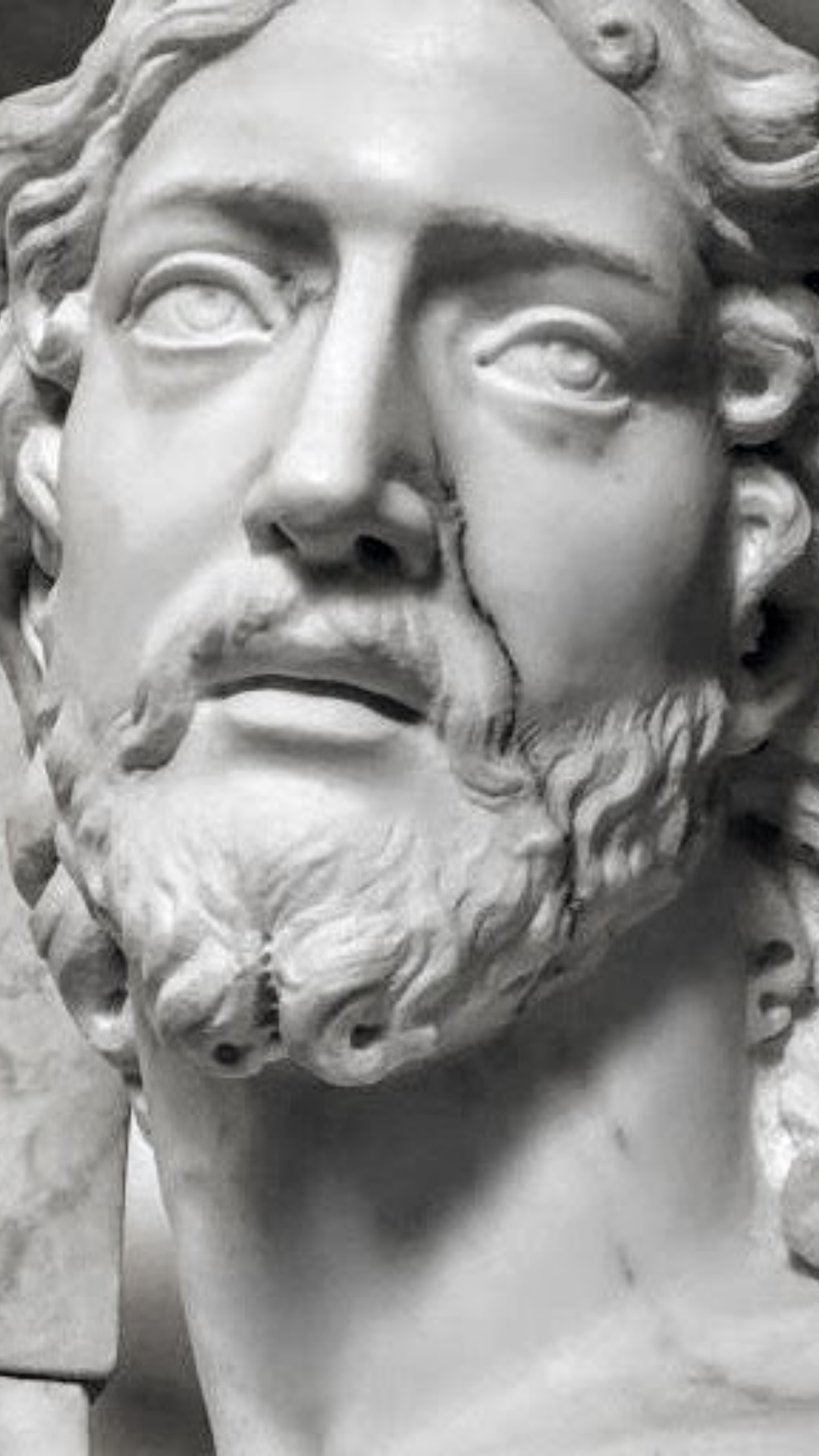
Quel pelo nero scendeva troppo in basso e, nonostante in un primo momento provai a integrarlo nei lineamenti del volto, alla fine abbandonai il lavoro e ricominciai da capo allungando all’inverosimile i tempi di consegna pattuiti con un pazientissimo committente.
“Come egli gli aveva scoperto una figura e conosciutovi un minimo che d’errore, la lasciava stare e correva a manimettere un altro marmo, pensando non avere a venire a quel medesimo; et egli spesso diceva essere questa la cagione che egli diceva d’aver fatto sì poche statue e pitture”
scrisse il Vasari nelle vite
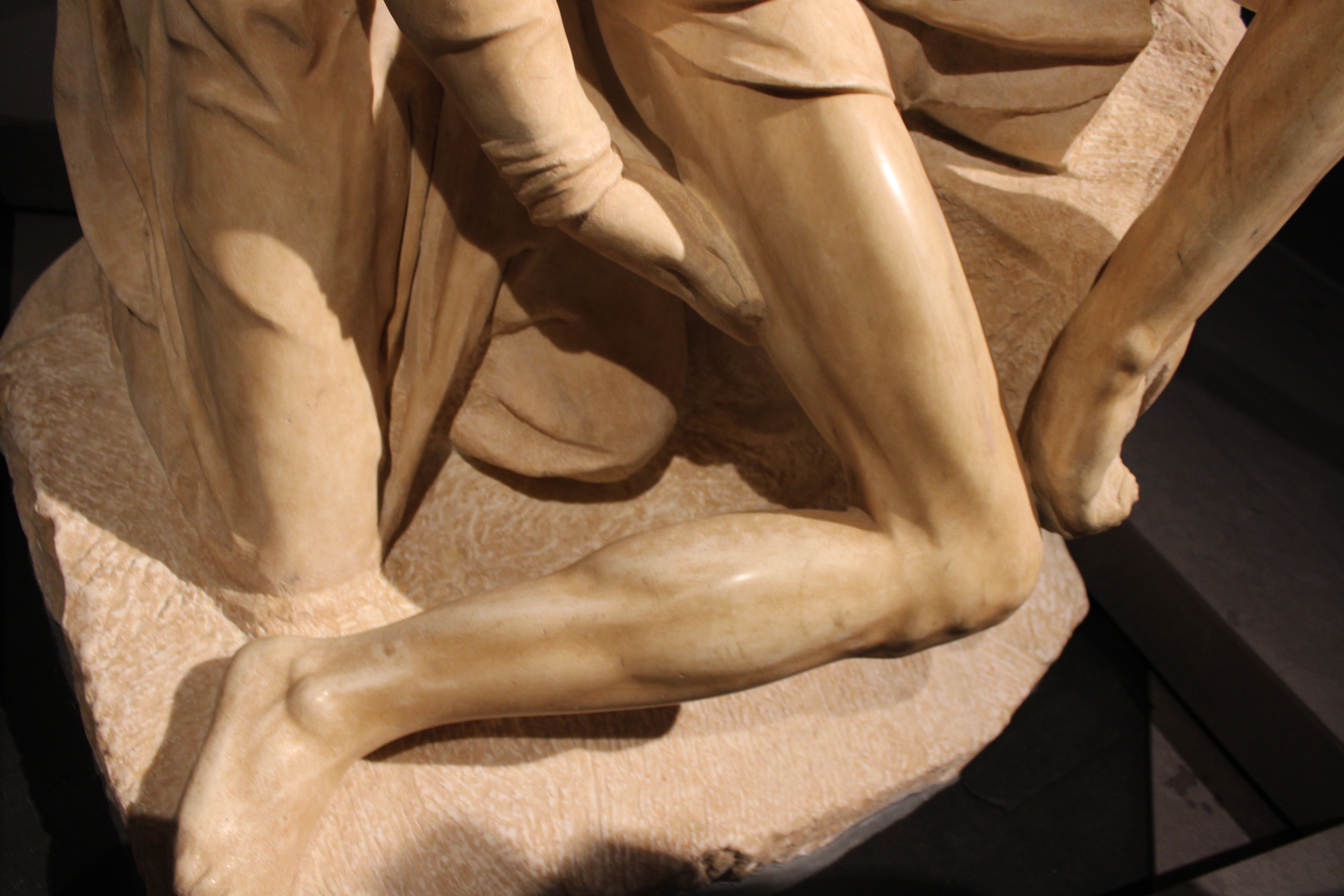
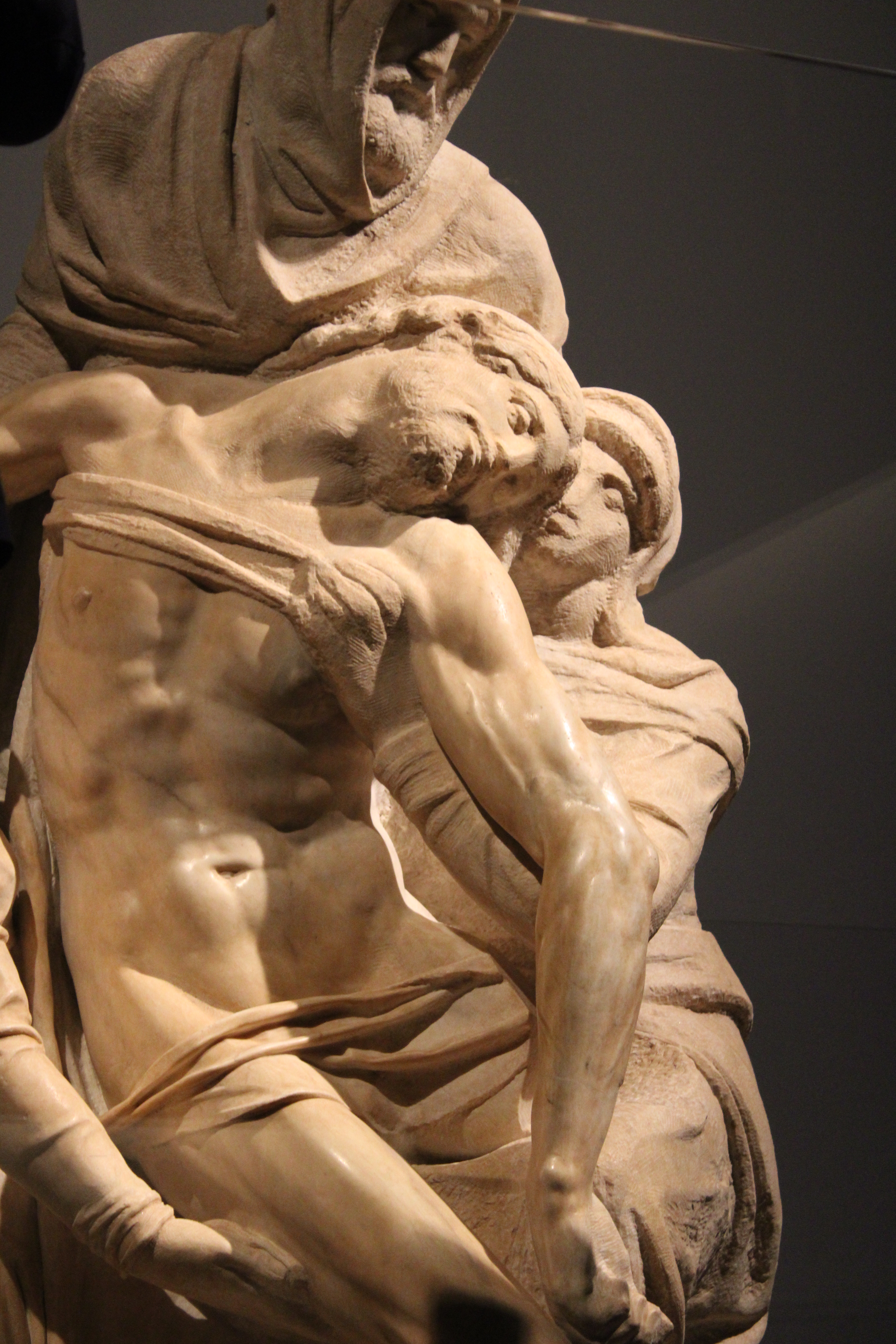
Anni dopo, mentre mi trovavo a fare i conti con il durissimo marmo della Pietà Bandini, mi lasciai sorprendere dalla disperazione. A ogni scalpellata venivan fuori nugoli di scintille e lavorare così vi assicuro che avrebbe snervato anche un giovane, figuratevi un vecchio come me.
Accadde poi che per un colpo mal assestato, per un difetto intrinseco nel marmo, si staccò una gamba e così finii per prendere a martellate l’opera nello sconforto più totale.
Ah il marmo, croce e delizia della mia lunga vita. E pensare che proprio un marmo difettato, già lavorato da altri divenne il simbolo di tutta Firenze: il David.
Per il momento i l vostro Michelangelo Buonarroti vi saluta dandovi appuntamento ai prossimi post e sui social.

Perfection without discounts: abandoning defective marbles
Those snow-white marbles sometimes held very unpleasant surprises. The whiter they were, the more I knew I risked finding a black hair or some other defect on the inside that would make them unusable.
It happened to me more than once in my life that I found myself in my hands with a well-finished work that without much warning revealed to me what I would never have wanted: a flaw that emerged at a later time that ruined the desired final effect. .
Among the most famous works that I abandoned during construction there is undoubtedly the first version of the Christ of Minerva. Full on the face, on the left cheek, chisel after chisel, that pitch-black tear emerged more and more which ran from the root of the nose and then went down, until it ran onto the shoulder and then disappeared again.
That black hair fell too low and, although at first I tried to integrate it into the features of the face, in the end I abandoned the job and started from scratch, extending the delivery times agreed with a very patient client beyond belief.
“As soon as he had discovered a figure for him and discovered the slightest error in it, he would leave it alone and run to manipulate another marble, thinking he would not have to come up with the same one; and he often said this was the reason he said he had made so few statues and paintings”
Vasari wrote in his lives
Years later, while I found myself dealing with the very hard marble of the Pietà Bandini, I let myself be surprised by desperation. With every chisel, clouds of sparks came out and working like this, I assure you, would have unnerved even a young man, let alone an old man like me.
It then happened that due to a badly placed blow, due to an intrinsic defect in the marble, a leg came off and so I ended up hammering the work in total despair.
Ah the marble, cross and delight of my long life. And to think that a defective marble, already worked by others, became the symbol of all of Florence: the David.
For the moment, your Michelangelo Buonarroti greets you and will meet you in future posts and on social media.

Sostienici – Support Us
Se questo blog ti piace e ti appassiona, puoi aiutarci a farlo crescere sempre più sostenendoci in modo concreto condividendo i post, seguendo le pagine social e con un contributo che ci aiuta ad andare avanti con il nostro lavoro di divulgazione. . ENGLISH: If you like and are passionate about this blog, you can help us make it grow more and more by supporting us in a concrete way by sharing posts, following social pages and with a contribution that helps us to move forward with our dissemination work.
8,00 €
-
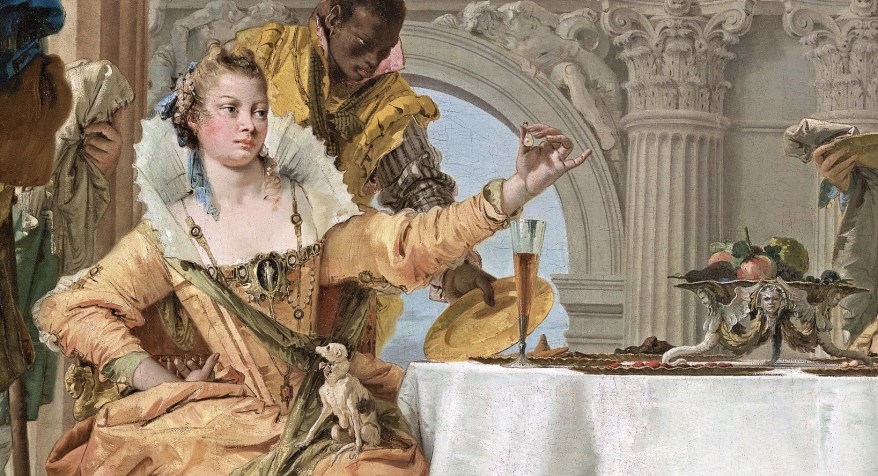
Quando Cleopatra umiliò Roma: il significato nascosto del celebre dipinto di Tiepolo
🇮🇹 Il dipinto che vi propongo è pura teatralità, lusso e strategia. Cleopatra scommette con Marco Antonio di poter offrire il banchetto più sontuoso della storia e per vincere compie un gesto folle… 🇬🇧 The painting I propose is pure theatricality, luxury, and strategy. Cleopatra bets Mark Antony that she can offer the most sumptuous…
-
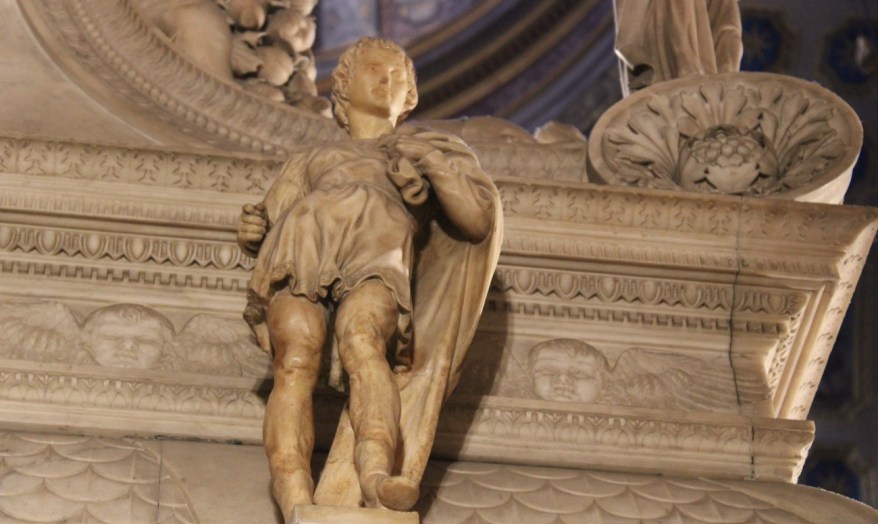
Il mio primo soggiorno a Bologna e l’incontro con Giovan Francesco Aldrovandi
🇮🇹Fuggii da Firenze a soli 19 anni. Senza certezze, senza protezioni. Solo con il mio talento. A Bologna trovai rifugio nella casa di Giovan Francesco Aldrovandi… 🇬🇧I fled Florence at just 19. Without certainties, without protection. Only with my talent. In Bologna, I found refuge in the home of Giovan Francesco Aldrovandi…
-
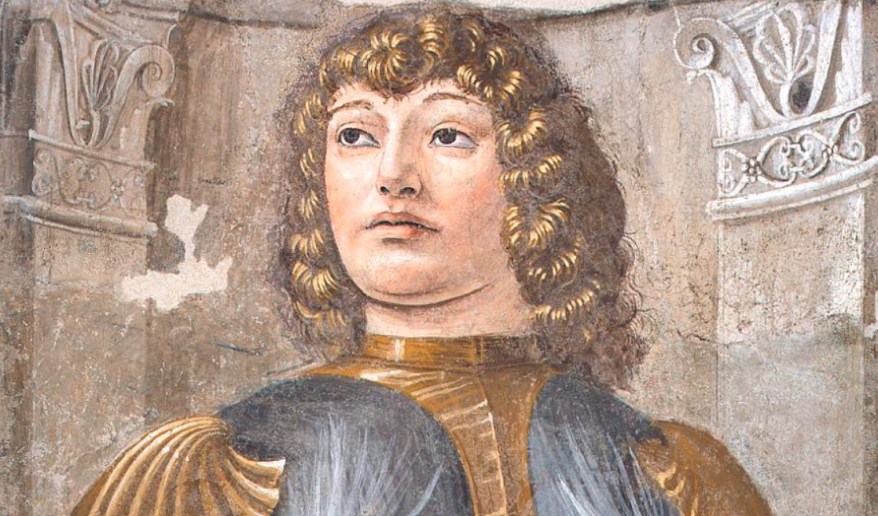
11 aprile 1514: muore Donato Bramante, il genio della scala elicoidale
🇮🇹Era l’11 aprile 1514 quando Donato Bramante morì a Roma. La sua scomparsa non cancellò però le tensioni, le rivalità e i giudizi contrastanti che avevano accompagnato tutta la sua carriera… 🇬🇧It was April 11, 1514, when Donato Bramante died in Rome. His passing, however, did not erase the tensions, rivalries, and conflicting opinions that…
Condividi:


Questo sono io





sostienici

Sostienici – Support Us
Se questo blog ti piace e ti appassiona, puoi aiutarci a farlo crescere sempre più sostenendoci in modo concreto condividendo i post, seguendo le pagine social e con un contributo che ci aiuta ad andare avanti con il nostro lavoro di divulgazione. . ENGLISH: If you like and are passionate about this blog, you can help us make it grow more and more by supporting us in a concrete way by sharing posts, following social pages and with a contribution that helps us to move forward with our dissemination work.
€10,00


