
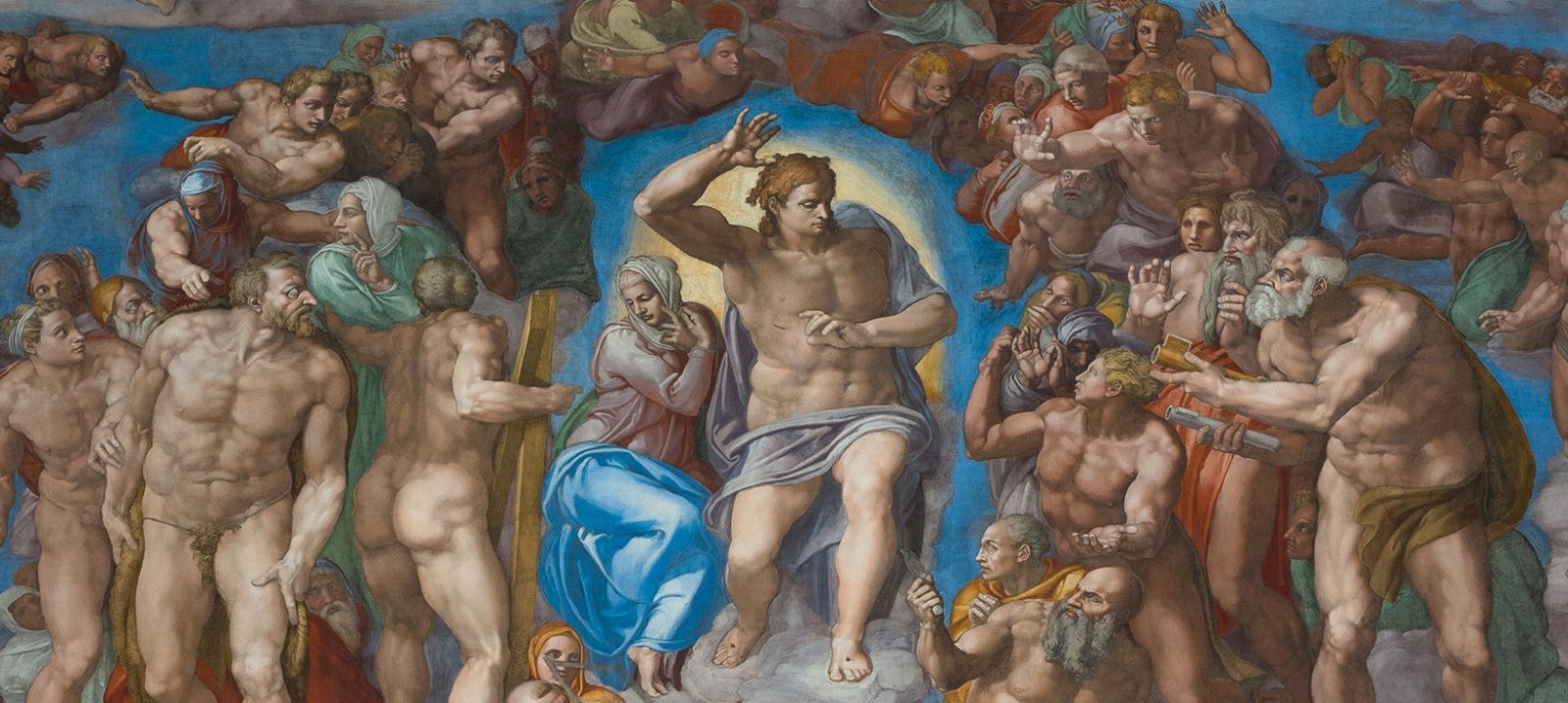
Il San Giovannino perduto… o forse no
Prima ancora di scolpire il cupido dormiente e partire alla volta di Roma, scolpii un San Giovannino, patrono di Firenze.
Scrive il Vasari nella seconda edizione delle Vite, adattandola alla biografia del Condivi: “Ma perchè conosceva Michelangelo che perdeva tempo, volentieri se ne tornò a Fiorenza; e fe’ per Lorenzo di Pierfrancesco de’ Medici, di marmo, un San Giovannino, e poi, dreto a un altro marmo, si messe a fare un cupido che dormiva, quanto il naturale…”
Quando tornai a Firenze dopo il primo periodo bolognese, nel 1495, la situazione politica era completamente differente da come l’avevo lasciata. Giovanni e Lorenzo di Pierfrancesco dei Medici appartenenti al ramo cadetto della dinastia, erano rientrati in città dopo l’esilio imposto da Piero de’ Medici in quanto forti oppositori del governo mediceo.
Era cominciata l’esperienza repubblicana e i due fratelli si vollero far chiamare Popolani, per rimarcare la loro estraneità al governo imposto dai loro consanguinei.
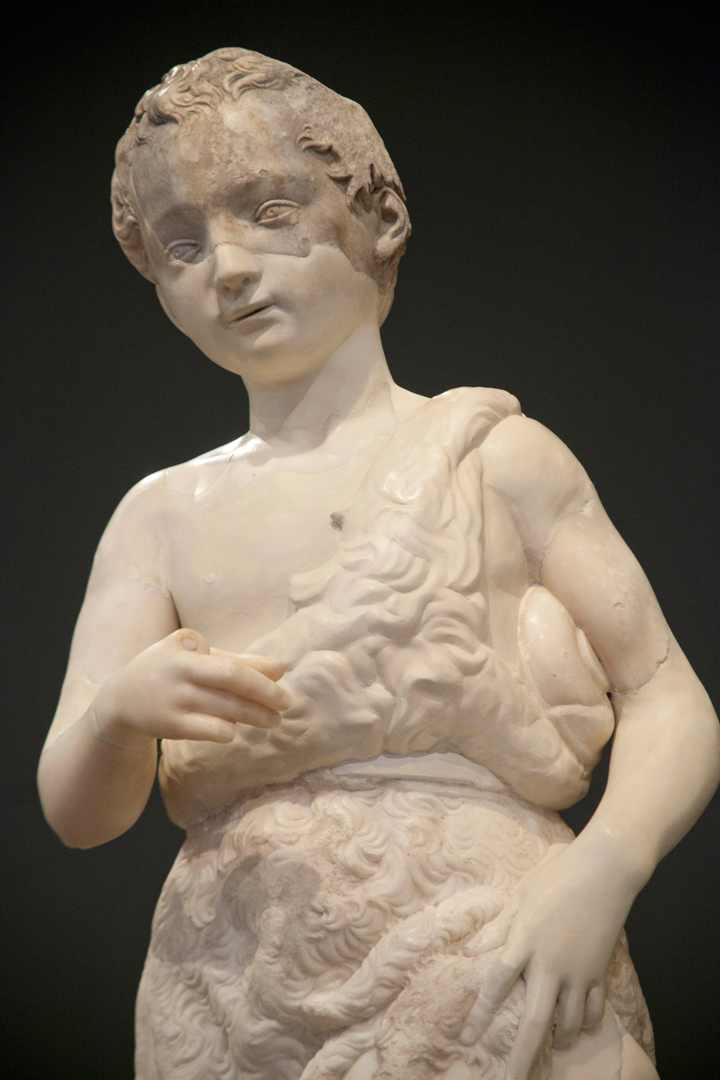
Fu proprio per Lorenzo di Pierfrancesco Popolano che m’ero messo a scolpire un San Giovannino, oggi dato per perduto anche se, qualcuno lo identifica con quello assai frammentario e restaurato dall’Opificio delle Pietre Dure di Firenze, al Museo del Prado.
Del San Giovannino si fa menzione nell’inventario degli oggetti presenti nella camera da letto del palazzo di Via Larga con tanto di prezzo stimato: lire 100.
Rimane traccia negli inventari fino al 1537, anno in cui Cosimo I de’ Medici iniziò a governare. Secondo le ricerche di Caglioti che attribuisce il San Giovannino di Ubeda a me, la posizione politica assai debole di Cosimo I lo indusse a cercare l’appoggio di Carlo V e del suo segretario Francisco Los Cobos, grande estimatore d’arte e responsabile degli affari in Italia.
Il San Giovannino partì nell’estate del 1537 per l’Andalusia come regalo diplomatico nella speranza che l’imperatore concedesse il titolo di Duca a Cosimo I. Sperava infatti nell’intercessione di Los Cobos con l’imperatore e l’opera fu sistemata in quella che il segretario aveva scelto come propria cappella funebre: la Capilla de El Salvador di Ubeda.
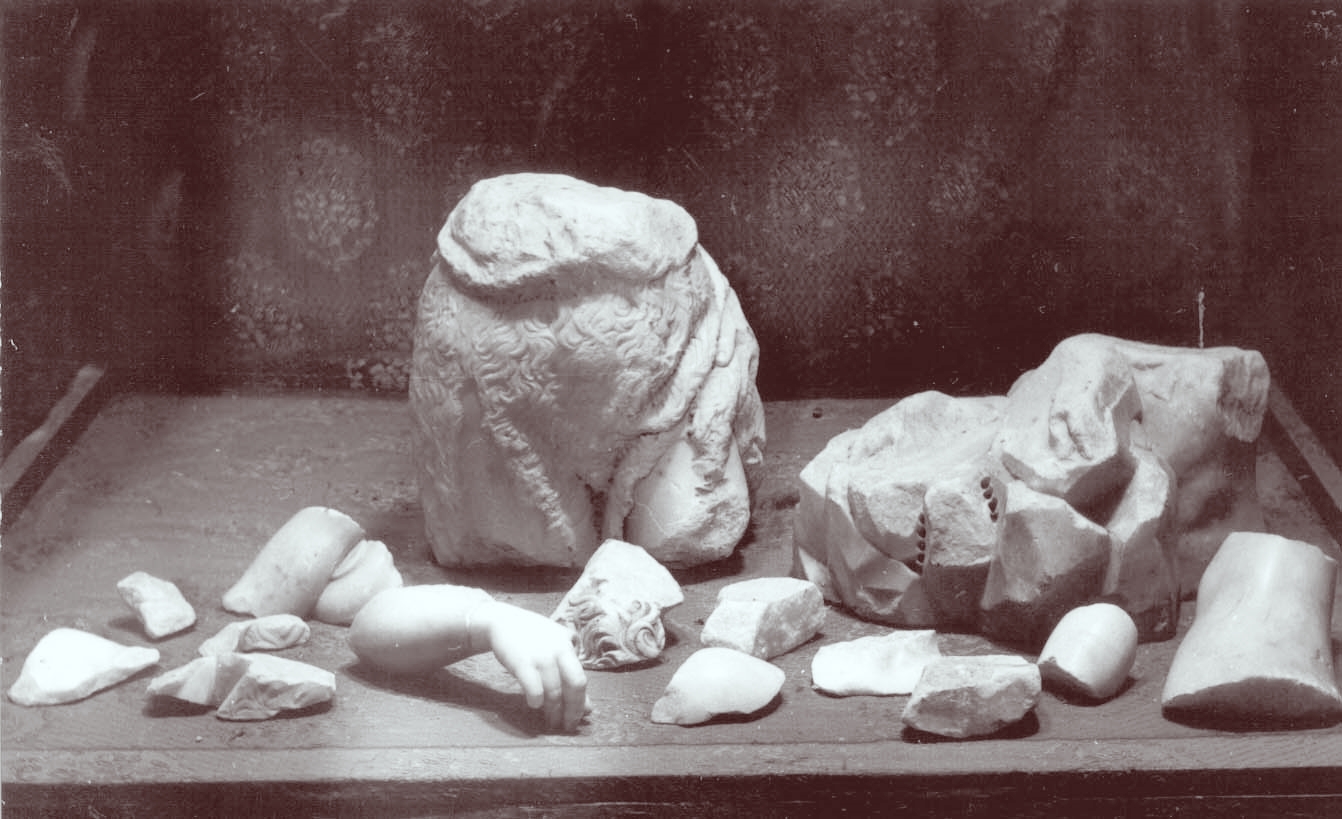
Quella scultura però venne rimossa dalla sua collocazione e fatta a pezzi il 26 luglio del 1936 durante le prime giornate della guerra civile spagnola.

Nel 1994 l’opera ridotta in condizioni disastrose fu restaurata dell’Opificio delle Pietre Dure di Firenze con un’operazione di ricostruzione incredibile. Le molte parti mancanti furono reintegrate e per comprendere come apparisse l’opera originale, è necessario ricorrere alle foto che furono scattate alla scultura prima di quella distruzione.
Qualche affinità stilistica esiste fra la pelle di cammello che veste i San Giovannino e la pelle di tigre che accompagna il Bacco che scolpii pochi anni dopo così come è possibile ravvisare somiglianze con la testa riccioluta dell’opera frammentaria con altre capigliature mie.
Tuttavia a mio avviso è molto difficile poter ricondurre quell’opera con certezza a me visto lo stato in cui versa e le tante integrazioni aggiunte a posteriori.
Per il momento il vostro Michelangelo Buonarroti vi saluta dandovi appuntamento ai prossimi post e sui social.
The lost San Giovannino… or maybe not
Even before sculpting the sleeping cupid and leaving for Rome, I sculpted a little Saint John, patron saint of Florence.
Vasari writes in the second edition of the Lives, adapting it to Condivi’s biography: “But because he knew Michelangelo wasted time, he willingly returned to Florence; and he made a marble Saint John for Lorenzo di Pierfrancesco de’ Medici, and then, behind another marble, he began to make a cupid who was sleeping, as life-like…”
When I returned to Florence after the first Bolognese period, in 1495, the political situation was completely different from how I had left it. Giovanni and Lorenzo di Pierfrancesco dei Medici, belonging to the cadet branch of the dynasty, had returned to the city after the exile imposed by Piero de’ Medici as they were strong opponents of the Medici government.
The republican experience had begun and the two brothers wanted to be called Popolani, to underline their extraneousness to the government imposed by their relatives.
It was precisely for Lorenzo di Pierfrancesco Popolano that I began to sculpt a Saint John, now considered lost although some identify it with the very fragmentary one restored by the Opificio delle Pietre Dure in Florence, now in Ubeda, Spain.
The San Giovannino is mentioned in the inventory of objects present in the bedroom of the building in Via Larga, complete with an estimated price: 100 lire.
A trace remains in the inventories until 1537, the year in which Cosimo I de’ Medici began to govern. According to Caglioti’s research, which attributes the San Giovannino di Ubeda to me, the very weak political position of Cosimo I led him to seek the support of Charles V and his secretary Francisco Los Cobos, a great admirer of art and responsible for business affairs. in Italy.
The San Giovannino left in the summer of 1537 for Andalusia as a diplomatic gift in the hope that the emperor would grant the title of Duke to Cosimo I. He was in fact hoping for the intercession of Los Cobos with the emperor and the work was arranged in the one that the secretary had chosen as his funeral chapel: the Capilla de El Salvador in Ubeda.
That sculpture, however, was removed from its location and torn to pieces on July 26, 1936 during the first days of the Spanish civil war. In 1994 the work, reduced to disastrous conditions, was restored by the Opificio delle Pietre Dure in Florence with an incredible reconstruction operation. The many missing parts were reinstated and to understand how the original work looked, it is necessary to refer to the photos that were taken of the sculpture before that destruction.
Some stylistic affinity exists between the camel skin that dresses the little Saint John and the tiger skin that accompanies the Bacchus that I sculpted a few years later, just as it is possible to recognize similarities between the curly head of the fragmentary work and other hair styles of mine. However, it is very difficult to trace that work back to me with certainty given the state it is in and the many additions added subsequently.
For the moment, your Michelangelo Buonarroti greets you and will meet you in future posts and on social media.

Sostienici – Support Us
Se questo blog ti piace e ti appassiona, puoi aiutarci a farlo crescere sempre più sostenendoci in modo concreto condividendo i post, seguendo le pagine social e con un contributo che ci aiuta ad andare avanti con il nostro lavoro di divulgazione. . ENGLISH: If you like and are passionate about this blog, you can help us make it grow more and more by supporting us in a concrete way by sharing posts, following social pages and with a contribution that helps us to move forward with our dissemination work.
8,00 €
-
Festival La Versiliana 2026: tra musica, teatro e grandi narrazioni
Dal 17 luglio al 23 agosto 2026, la pineta di Marina di Pietrasanta ospiterà la 47ª edizione del Festival La Versiliana. Una kermesse aperta a tutti nella quale linguaggi diversi dialogano tra loro in un equilibrio tra tradizione e contemporaneità.
-
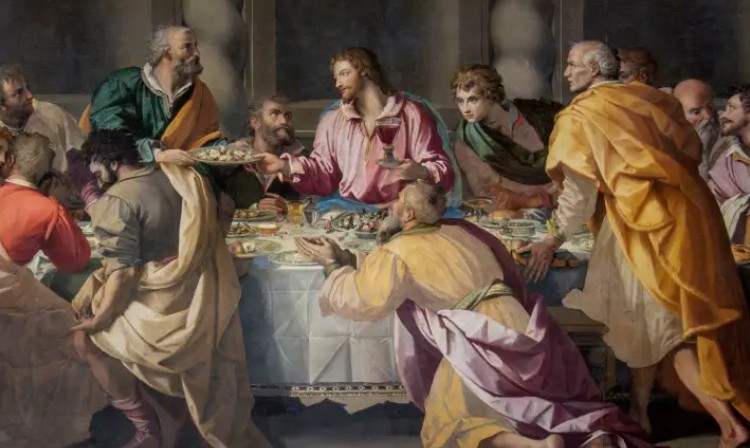
Giovedì Santo: l’Ultima Cena di Allori che pochi conoscono a Firenze
🇮🇹Nel cuore di Museo di Santa Maria Novella, a Firenze, si conserva una delle interpretazioni più affascinanti e meno note dell’Ultima Cena: quella realizzata da Alessandro Allori nel 1584… 🇬🇧In the heart of the Santa Maria Novella Museum in Florence, one of the most fascinating and least-known interpretations of the Last Supper is preserved: the…
-
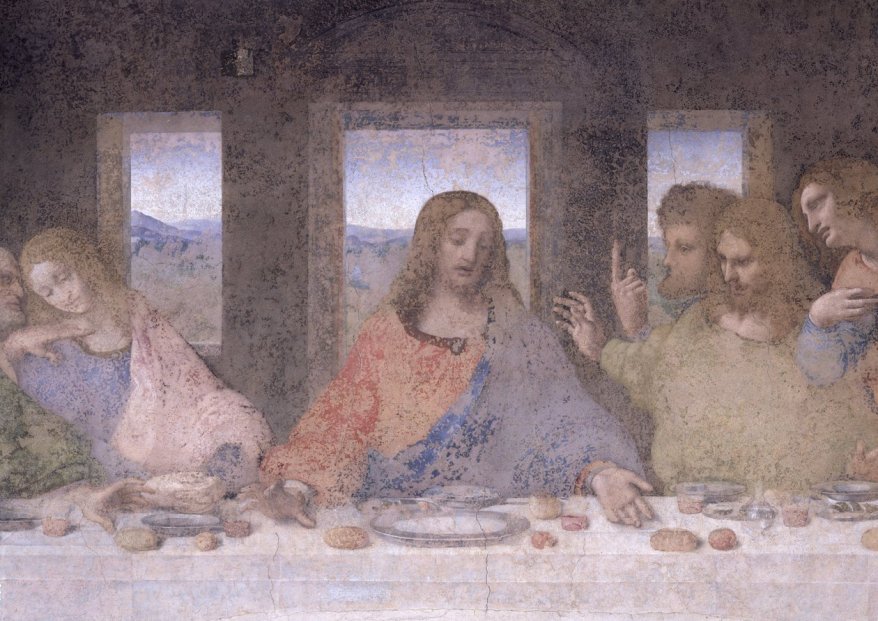
Cenacolo di Leonardo: i dettagli che raccontano il tradimento
🇮🇹Nel Cenacolo di Leonardo da Vinci, custodito a Santa Maria delle Grazie, Cristo annuncia il tradimento e il tempo si ferma… 🇬🇧In Leonardo da Vinci’s Last Supper, housed in Santa Maria delle Grazie, Christ announces the betrayal and time stands still…
Condividi:


Questo sono io





sostienici

Sostienici – Support Us
Se questo blog ti piace e ti appassiona, puoi aiutarci a farlo crescere sempre più sostenendoci in modo concreto condividendo i post, seguendo le pagine social e con un contributo che ci aiuta ad andare avanti con il nostro lavoro di divulgazione. . ENGLISH: If you like and are passionate about this blog, you can help us make it grow more and more by supporting us in a concrete way by sharing posts, following social pages and with a contribution that helps us to move forward with our dissemination work.
€10,00


