

Manetti rubato: il cerchio si stringe. Potrebbe essere nelle mani di Sgarbi, sottosegretario alla cultura
Il cerchio si stringe sempre di più. Mano a mano che passa il tempo, la tela dipinta da Rutilio Manetti con la Cattura di San Pietro trafugata nel 2013 dal Castello di Buriasco sembra coincidere con quella che è nelle mani di Sgarbi.
Sono sempre di più gli elementi coincidenti che si incastrano uno dopo l’altro come in un puzzle fino a completare il quadro.
L’opera fu proposta da Sgarbi nella mostra da lui curata dal titolo “I pittori della luce. Da Caravaggio a Paolini” proposta come inedito di sua proprietà, alla Cavallerizza di Lucca nel 2021.
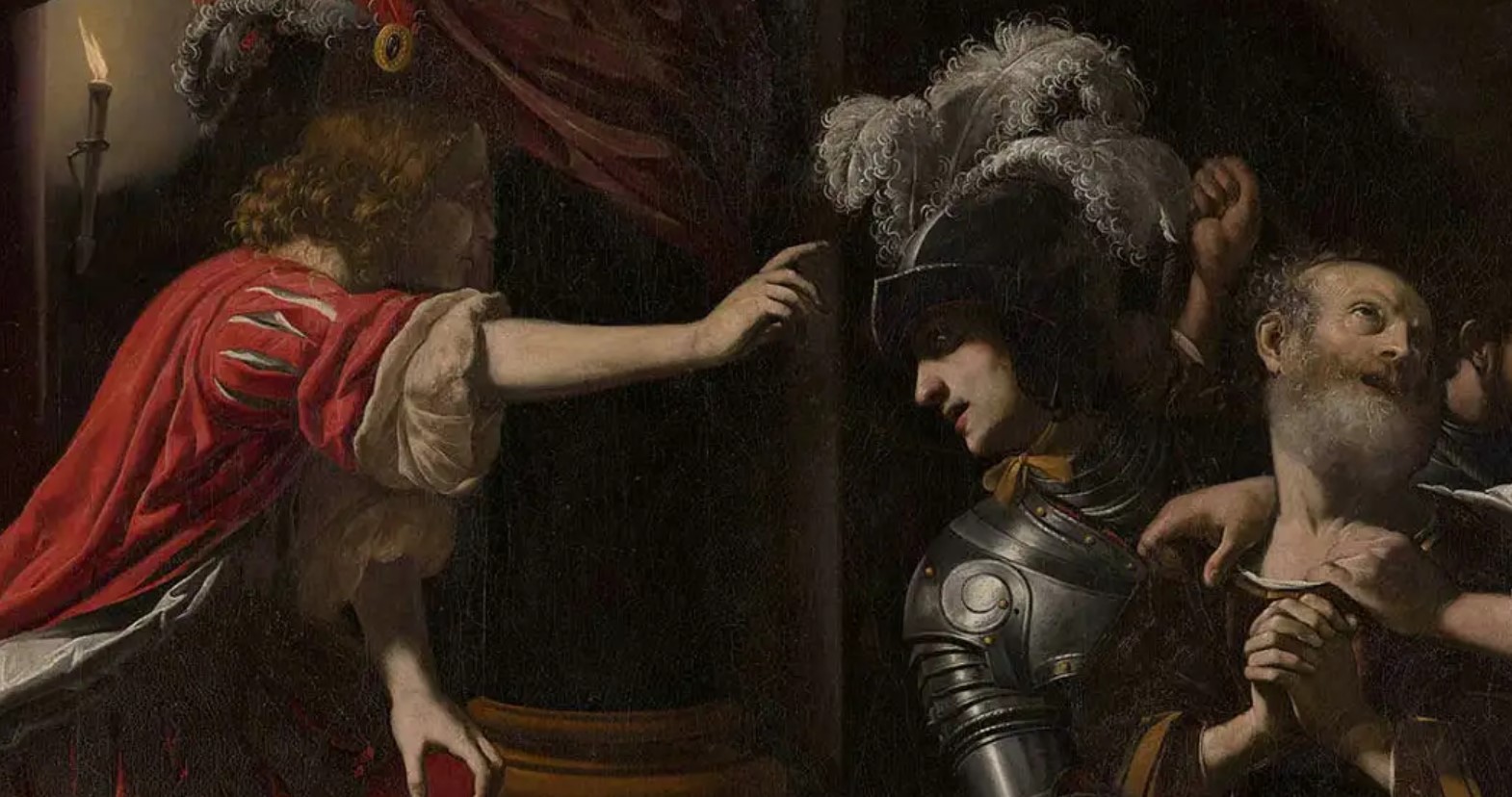
Il sottosegretario sostiene di aver rinvenuto la tela nella sua villa di Viterbo per un colpo di fortuna ma Il Fatto Quotidiano scopre che una tela identica era stata rubata anni prima. Tela che differisce da quella proposta in mostra per una fiaccola posizionata in alto a sinistra ma, a quanto pare, è di mano diversa da quella di Manetti e dipinta successivamente.
Una piccola ditta ubicata nella zona industriale di Correggio era stata incaricata da Sgarbi stesso di fare una scannerizzazione ad alta risoluzione della tela seicentesca in suo possesso mediante macchinari di ultima generazione.
Scrive il giornalista Thomas Mackinson del Fatto Quotidiano, mettendo a confronto le foto in mano del restauratore che ha lavorato sull’opera e la digitalizzazione dell’opera, che le due tele coincidono perfettamente: stessa tela, stessi pigmenti, stesse lacerazioni e rattoppi.
Il raffronto fra la scannerizzazione in altissima risoluzione e le foto fatte dal restauratore che ha lavorato sul dipinto, rendono palese il fatto che, mentre tutta la vernice antica stesa sopra l’opera è interessata da fratture sottili, l’unica zona riva di fratture è proprio quella dove è presente la fiaccola.

Ma non è finita qua. Il frammento rinvenuto ancora attaccato alla cornice originale custodita nel castello dal quale il Manetti fu rubato, si incastra nella versione proposta a Lucca. Nella puntata di Report che andrà in onda domenica 7 gennaio su Rai Tre in prima serata, nel servizio dedicato a questa spinosa faccenda dal Fatto assieme ai giornalisti di Report, potremmo vedere i vari studi fatti sulle foto e la digitalizzazione dell’opera.
Alessandro Bagnoli, storico dell’arte, ex funzionario della Soprintendenza e docente all’Università di Siena, che sul senese Manetti scrisse anche la tesi, interpellato dal Fatto Quotidiano dice. “ll restauratore ha integrato i buchi con rifiniture ‘a imitazione’, in modo da far sembrare l’opera completa perfetta. La famigerata fiaccola ha una stesura pittorica grossolana e diversa da quella antica che si vede nelle parti circostanti. Sembra davvero un’aggiunta fatta apposta per diversificare il quadro presentato alla mostra di Lucca da quello rubato nel Castello piemontese”
Per il momento il sempre vostro Michelangelo Buonarroti per il momento vi saluta dandovi appuntamento ai prossimi post e sui social.

Manetti stolen: the circle is narrowing. It could be in the hands of Sgarbi, undersecretary of culture
The circle is becoming increasingly tighter. As time passes, the canvas painted by Rutilio Manetti with the Capture of Saint Peter stolen in 2013 from the Castle of Buriasco seems to coincide with the one that is in Sgarbi’s hands.
There are more and more coinciding elements that fit together one after the other like in a puzzle until the picture is completed. The work was proposed by Sgarbi in the exhibition he curated entitled “The painters of light. From Caravaggio to Paolini ”proposed as unpublished by him.
Sgarbi claims to have found the canvas in his villa in Viterbo by a stroke of luck but Il Fatto Quotidiano discovers that an identical canvas had been stolen years earlier. Canvas that differs from the one shown in the exhibition due to a torch positioned at the top left but, apparently, it is by a different hand from that of Manetti and painted later.
A small company located in the industrial area of Correggio had been commissioned by Sgarbi himself to make a high-resolution scan of the seventeenth-century canvas in his possession using the latest generation machinery.
According to the journalist Thomas Mackinson of Fatto Quotidiano, by comparing the photos in the hands of the restorer who worked on the work and the digitization of the work, the two canvases coincide perfectly: same canvas, same pigments, same tears and patches.
The comparison between the very high resolution scanning and the photos taken by the restorer who worked on the painting makes clear the fact that while all the ancient paint spread over the work is affected by thin fractures, the only area containing fractures is precisely the one where the torch is present.
But it didn’t end there. The fragment found still attached to the original frame kept in the castle from which the Manetti was stolen fits into the version proposed in Lucca. In the episode of Report which will be broadcast on Sunday 7 January on Rai Tre in prime time, in the report dedicated to this thorny matter by Il Fatto together with Report journalists, we could see the various studies carried out on the photos and the digitalisation of the work.
Alessandro Bagnoli, art historian, former official of the Superintendence and professor at the University of Siena, who also wrote the thesis on the Sienese Manetti, when asked by Fatto Quotidiano says. “The restorer integrated the holes with ‘imitation’ finishes, so as to make the complete work seem perfect. The infamous torch has a rough pictorial layout that is different from the ancient one seen in the surrounding parts. It really seems like an addition made specifically to diversify the painting presented at the Lucca exhibition from the one stolen from the Piedmontese castle”
For the moment your always Michelangelo Buonarroti greets you for the moment and will meet you in the next posts and on social media.

Sostienici – Support Us
Se questo blog ti piace e ti appassiona, puoi aiutarci a farlo crescere sempre più sostenendoci in modo concreto condividendo i post, seguendo le pagine social e con un contributo che ci aiuta ad andare avanti con il nostro lavoro di divulgazione. . ENGLISH: If you like and are passionate about this blog, you can help us make it grow more and more by supporting us in a concrete way by sharing posts, following social pages and with a contribution that helps us to move forward with our dissemination work.
8,00 €
-
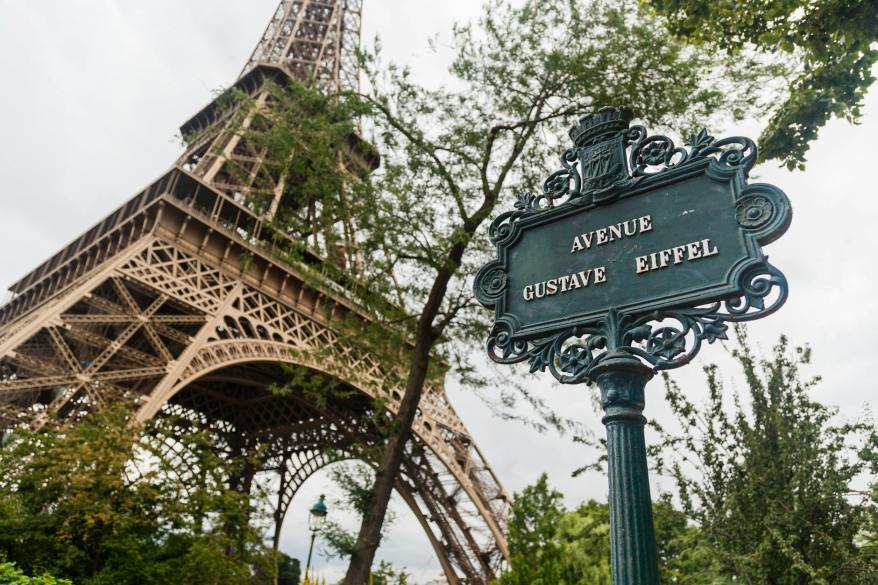
31 marzo 1889: inaugurata la Torre Eiffel tra critiche feroci e un destino inaspettato
🇮🇹Il 31 marzo 1889 segna una data destinata a cambiare per sempre il volto di Parigi e dell’immaginario collettivo globale: viene inaugurata la Torre Eiffel, l’opera più audace e discussa del suo tempo… 🇬🇧March 31, 1889 marks a date destined to change the face of Paris and the global collective imagination forever: the Eiffel Tower,…
-
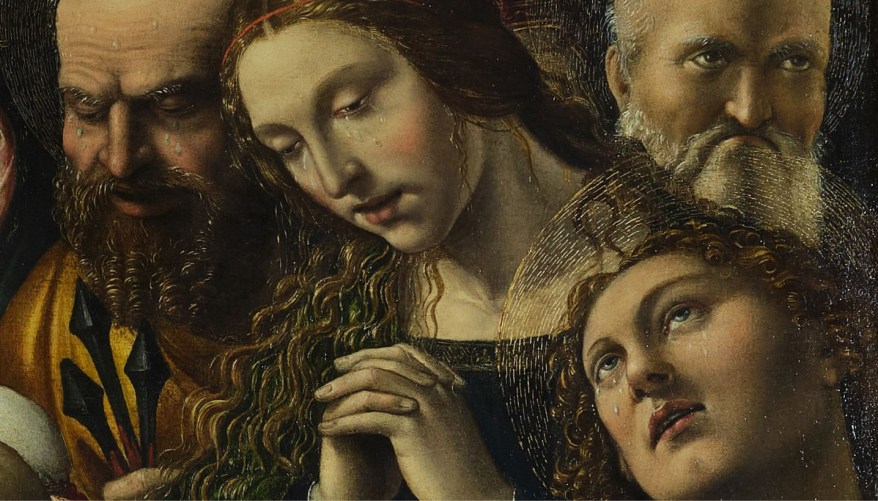
Sodoma in mostra a Torino: il Rinascimento al Museo Accorsi-Ometto
🇮🇹Al Museo di Arti Decorative Accorsi-Ometto arriva una mostra dedicata al Sodoma: oltre 50 opere, alcune mai viste prima, raccontano la formazione dell’artista e il suo dialogo con maestri come Pinturicchio… 🇬🇧An exhibition dedicated to Sodoma arrives at the Accorsi-Ometto Museum of Decorative Arts: over 50 works, some never before seen, recount the artist’s development…
-
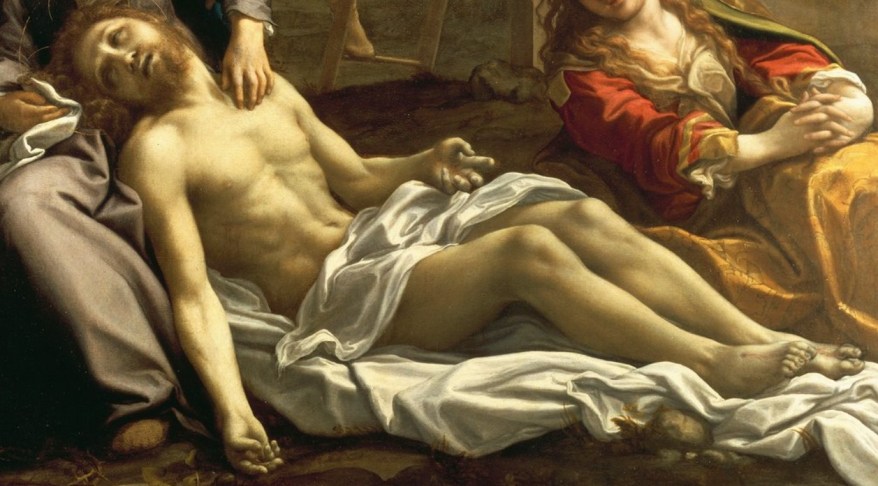
Il Compianto sul Cristo morto di Correggio: pathos e devozione
🇮🇹Con l’inizio della Settimana Santa, vi propongo il Compianto sul Cristo morto di Antonio Allegri, più noto come il Correggio: uno dei vertici assoluti della pittura emiliana del Cinquecento… 🇬🇧With the beginning of Holy Week, I propose the Lamentation over the Dead Christ by Antonio Allegri, better known as Correggio: one of the absolute peaks…
Condividi:


Questo sono io





sostienici

Sostienici – Support Us
Se questo blog ti piace e ti appassiona, puoi aiutarci a farlo crescere sempre più sostenendoci in modo concreto condividendo i post, seguendo le pagine social e con un contributo che ci aiuta ad andare avanti con il nostro lavoro di divulgazione. . ENGLISH: If you like and are passionate about this blog, you can help us make it grow more and more by supporting us in a concrete way by sharing posts, following social pages and with a contribution that helps us to move forward with our dissemination work.
€10,00


1 commento »