

La Scultura del giorno: Mercurio che allaccia i sandali di Pigalle
La scultura del giorno che vi propongo oggi è Mercurio che si allaccia i sandali, scolpita nel 1748 dall’artista parigino Jean-Baptiste Pigalle.
Pigalle fu uno scultore particolarmente amato dall’aristocrazia francese del suo tempo e divenne uno degli artisti più amati da re Luigi XV e di Madame de Pompadour.

Pigalle era nato da una famiglia di scalpellini e fu accolto nello studio di Lemoyne. Non aveva un talento particolarmente spiccato e nemmeno riuscì a vincere un Prix de Rome per poter studiare all’Accademia di Francia nella città eterna. Tuttavia riuscì comunque a conoscere le antichità presenti a Roma rimanendo in città dal 1736 al 1739.
Nel 1744 fu eletto membro dell’Accademia Francese presentando una piccola opera in marmo raffigurante Mercurio che si allaccia i sandali, oggi custodita al Louvre.
Pigalle volle raffigurare il momento in cui Mercurio, il messaggero degli dei, indossa i calzari per portare Psiche dalla Terra all’Olimpo su richiesta di Venere. L’opera dell’artista divenne iconica tanto che sono numerosi i pittori del suo tempo che vollero dipingerla nelle proprie tele come Jean-Baptiste Siméon Chardin e Hubert Robert.
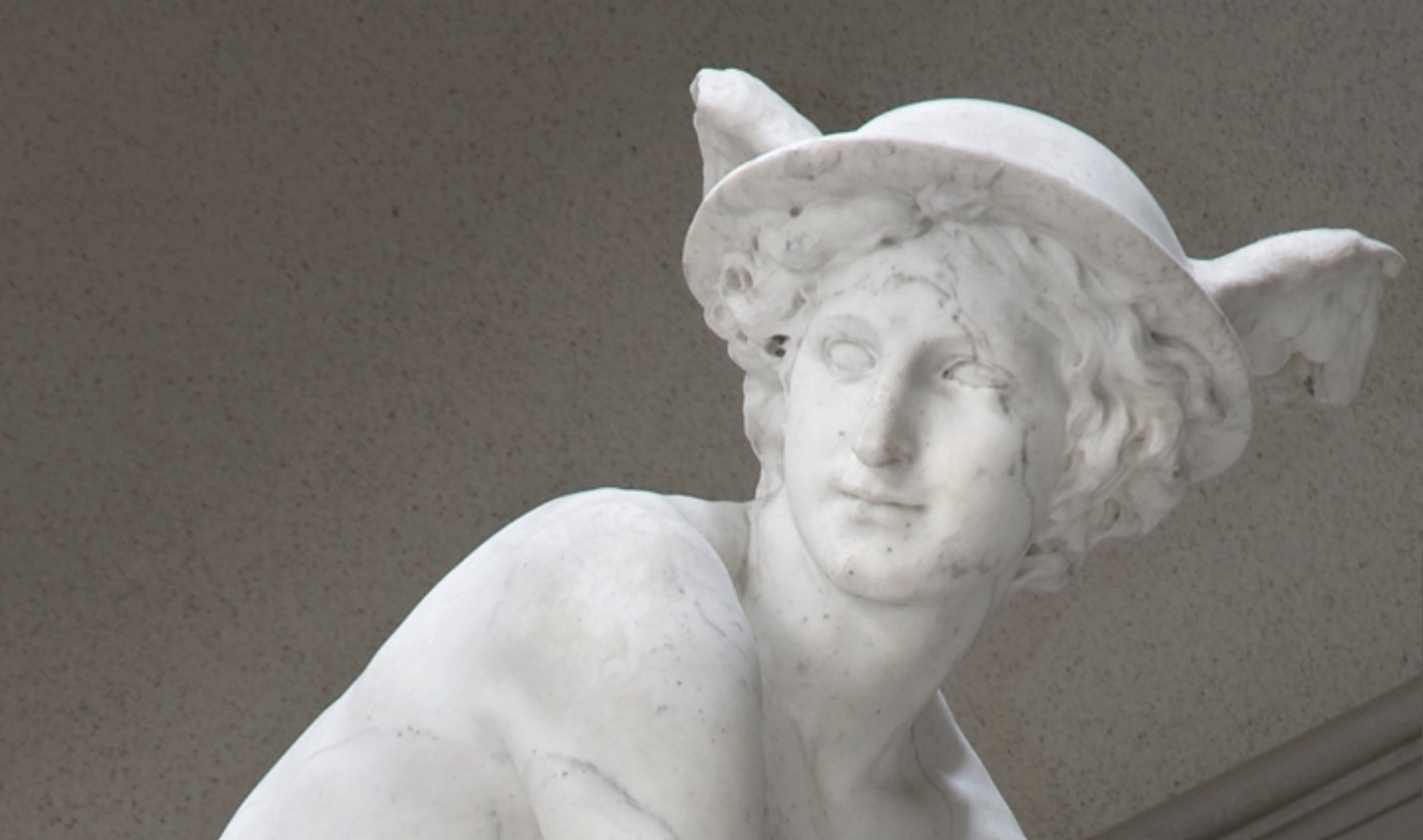
Fu proprio questa scultura a renderlo popolare e apprezzato dalla corte francese tanto che quattro anni dopo, nel 1748, Pigalle ne realizzò una versione molto più grande alta due metri che re Luigi XV inviò in dono al re di Prussia Federico il Grande.
Federico il Grande, ricevuta l’opera, le fece collocare sulla grande fontana davanti al Palazzo Sanssouci nel 1752.

Successivamente la scultura entrò in possesso dei Musei Reali nella seconda metà del XVIII secolo fino a quando l’imperatore Guglielmo II, su richiesta di Wilhelm von Bode, trasferì la figura nel Museo Kaiser Friedrich, l’odierno Museo Bode.
Per il momento il vostro Michelangelo Buonarroti vi saluta dandovi appuntamento ai prossimi post e sui social.
Sculpture of the day: Mercury tying Pigalle’s sandals
The sculpture of the day that I propose to you today is Mercury tying his sandals, sculpted in 1748 by the Parisian artist Jean-Baptiste Pigalle.
Pigalle was a sculptor particularly loved by the French aristocracy of his time and became one of the most beloved artists of King Louis XV and Madame de Pompadour.
He was born to a family of stonemasons and was welcomed into Lemoyne’s studio. He did not have a particularly strong talent and did not even manage to win a Prix de Rome to be able to study at the French Academy in the eternal city. However, he still managed to learn about the antiquities present in Rome by remaining in the city from 1736 to 1739.
In 1744 he was elected member of the French Academy by presenting a small marble work depicting Mercury tying his sandals, today kept in the Louvre.
Pigalle wanted to depict the moment in which Mercury, the messenger of the gods, puts on the shoes to bring Psyche from Earth to Olympus at the request of Venus. The artist’s work became iconic so much so that numerous painters of his time wanted to paint it on their canvases such as Jean-Baptiste Siméon Chardin and Hubert Robert.
It was precisely this sculpture that made it popular and appreciated by the French court, so much so that four years later, in 1748, Pigalle created a much larger version two meters high which King Louis XV sent as a gift to King Frederick the Great of Prussia.
Frederick the Great, having received the work, had it placed on the large fountain in front of the Sanssouci Palace in 1752. Subsequently the sculpture came into the possession of the Royal Museums in the second half of the 18th century until Emperor William II, at the request of Wilhelm von Bode, moved the figure to the Kaiser Friedrich Museum, today’s Bode Museum.
For the moment, your Michelangelo Buonarroti greets you and will meet you in future posts and on social media.

Sostienici – Support Us
Se questo blog ti piace e ti appassiona, puoi aiutarci a farlo crescere sempre più sostenendoci in modo concreto condividendo i post, seguendo le pagine social e con un contributo che ci aiuta ad andare avanti con il nostro lavoro di divulgazione. . ENGLISH: If you like and are passionate about this blog, you can help us make it grow more and more by supporting us in a concrete way by sharing posts, following social pages and with a contribution that helps us to move forward with our dissemination work.
8,00 €
-
Pettirossi, cince e papaveri di ferro: l’intervista a Ennio Donà incontrato a Murabilia 2026
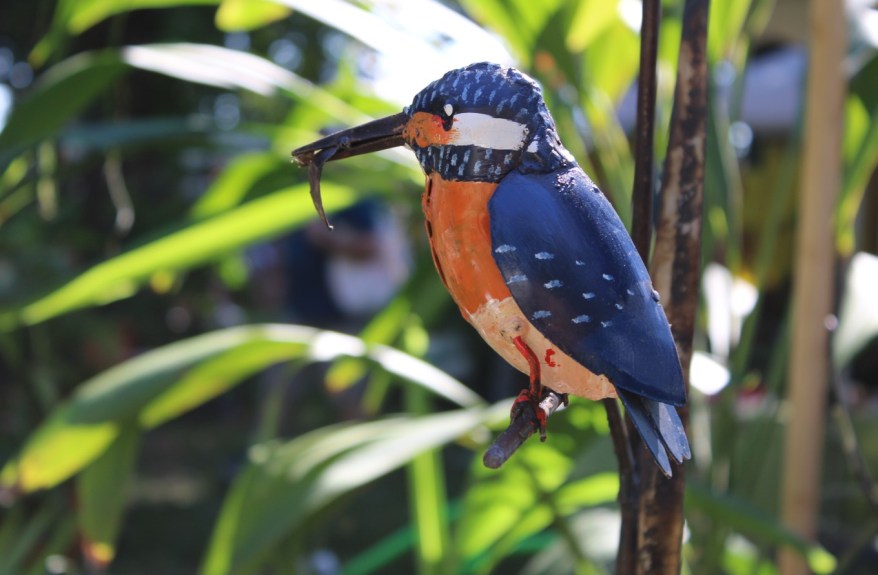
🇮🇹Scopri l’intervista a Ennio Donà, l’artigiano che trasforma ferro riciclato in uccellini, fiori e animali per il giardino, incontrato a Murabilia 2026, a Lucca… 🇬🇧Discover the interview with Ennio Donà, the craftsman who transforms recycled iron into birds, flowers, and animals for the garden, met at Murabilia 2026, in Lucca…
-
La Piramide Cestia riapre dopo tre anni: già sold out
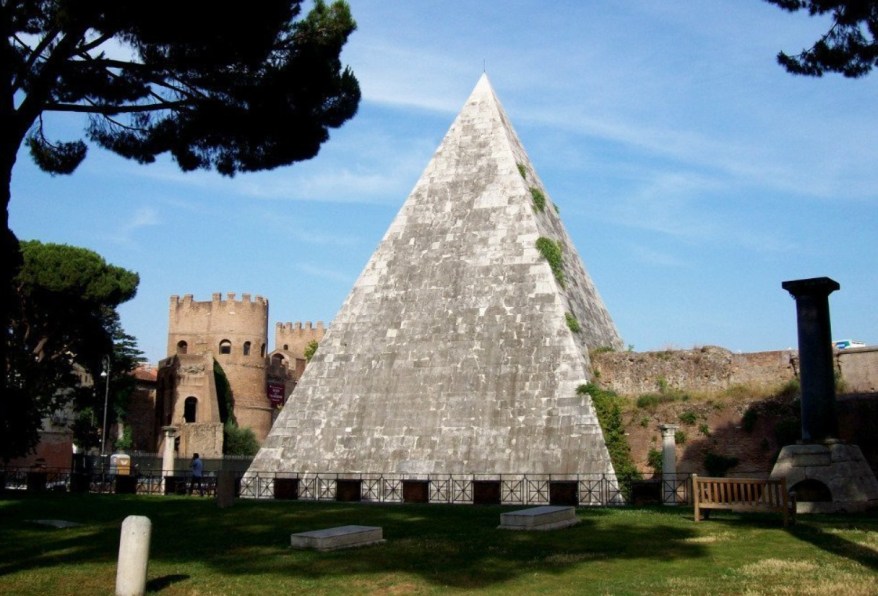
🇮🇹La Piramide Cestia riapre a Roma dopo tre anni: nuovo restauro PNRR, illuminazione scenografica, visite gratuite diurne e serali dal 4 settembre al 31 ottobre 2026. Ma è già sold out… 🇬🇧The Pyramid of Cestius reopens in Rome after three years: new PNRR restoration, scenic lighting, free daytime and evening tours from September 4 to…
-
Murabilia 2026 a Lucca, io e il mio pollice nero
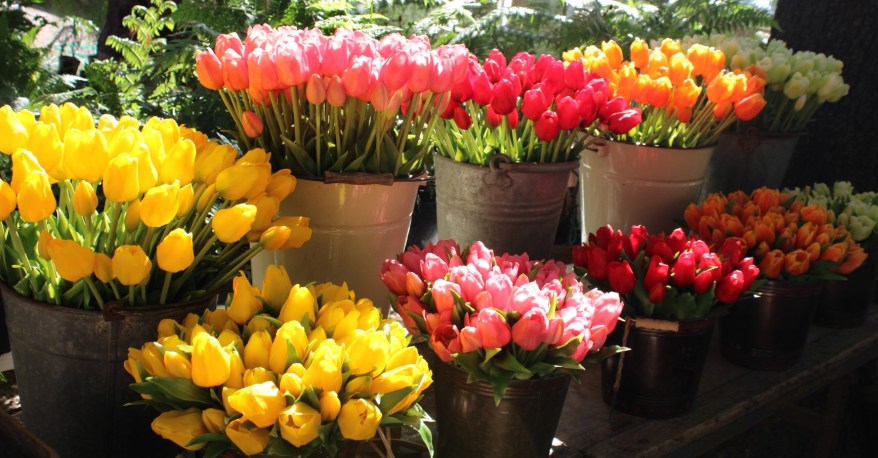
🇮🇹 Stamani sono entrato a Murabilia appena aperti i cancelli, alle 10, e mi sono ritrovato immersa in un vero paradiso di fiori, piante, profumi e colori sulle Mura di Lucca… 🇬🇧 This morning I entered Murabilia as soon as the gates opened, at 10 a.m., and found myself immersed in a true paradise of…
Condividi:


Questo sono io




sostienici

Sostienici – Support Us
Se questo blog ti piace e ti appassiona, puoi aiutarci a farlo crescere sempre più sostenendoci in modo concreto condividendo i post, seguendo le pagine social e con un contributo che ci aiuta ad andare avanti con il nostro lavoro di divulgazione. . ENGLISH: If you like and are passionate about this blog, you can help us make it grow more and more by supporting us in a concrete way by sharing posts, following social pages and with a contribution that helps us to move forward with our dissemination work.
€10,00


🙏🎹🎼☔
"Mi piace"Piace a 1 persona
:-*
"Mi piace"Piace a 1 persona