

Una giornata al Museo Egizio di Torino, fra 4mila anni di storia
Cosa regalare ai bambini per Natale, per un compleanno o una data che vale la pena essere ricordata con un dono speciale? Qualcosa che possano ricordare per il resto della vita e che li emozioni.
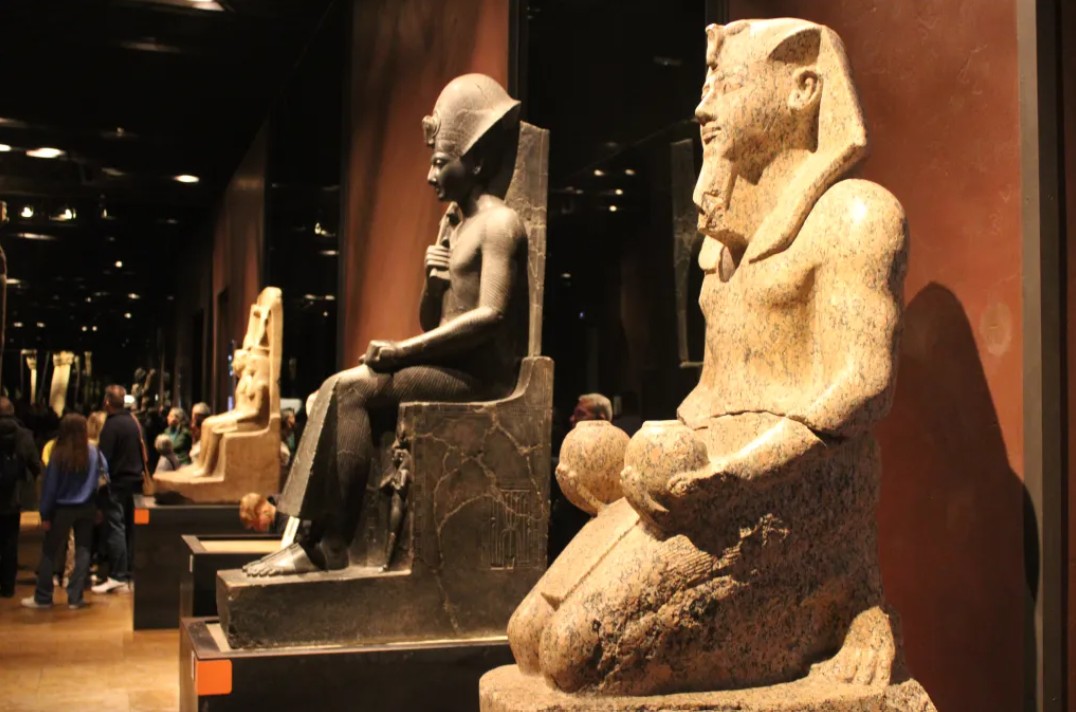
Alle mie figlie in occasione di questo Natale ho regalato un viaggio in treno fino a Torino e l’ingresso allo stupefacente Museo Egizio: un viaggio nella storia lungo oltre 4mila anni.
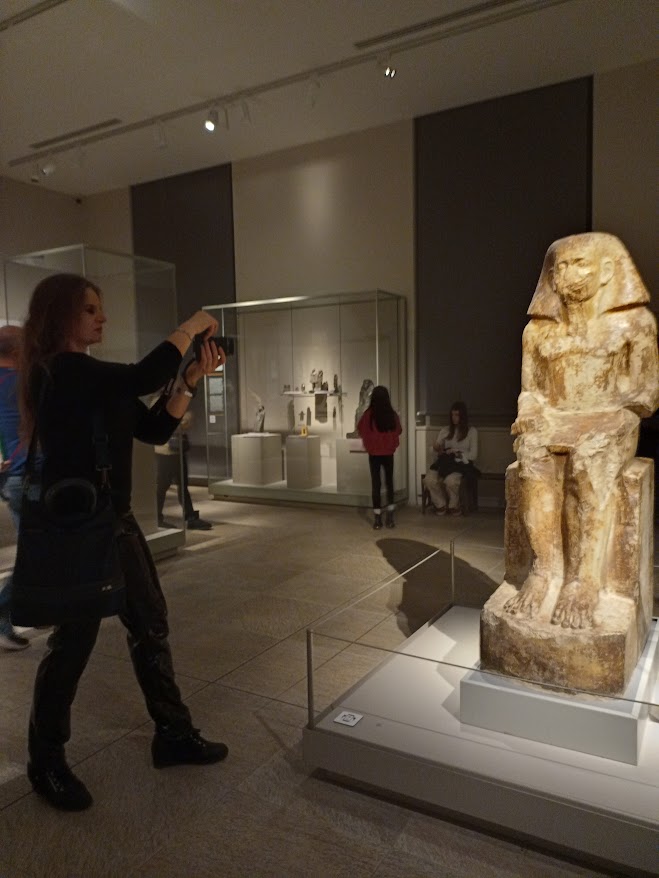
E’ il più antico museo di antichità egizie del mondo, allestito all’interno di un palazzo barocco nel cuore di Torino. Fu fondato nel 1824 e al suo interno custodisce oltre 40.000 reperti dei quali 3.300 sono esposti nelle diverse sale e visibili al pubblico.
E’ considerato il museo più importante che esista di antichità egizie dopo quello del Cairo, in Egitto.
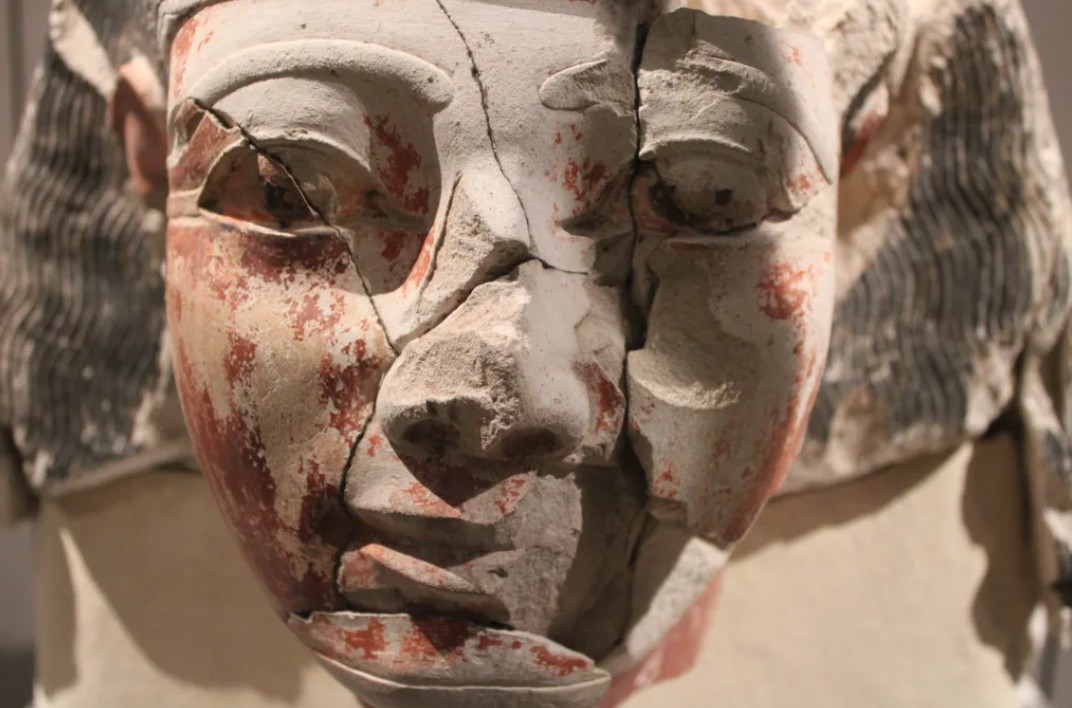
Sculture, papiri, sarcofagi dipinti, vasi canopi, statuine funerarie ma anche oggetti di uso quotidiano come i contenitori in avorio di epoca predinastica, pettini e altre raffinatezze adoperate per la cosmesi permettono di addentrarsi nella cultura, nella storia, arte e archeologia egizia.
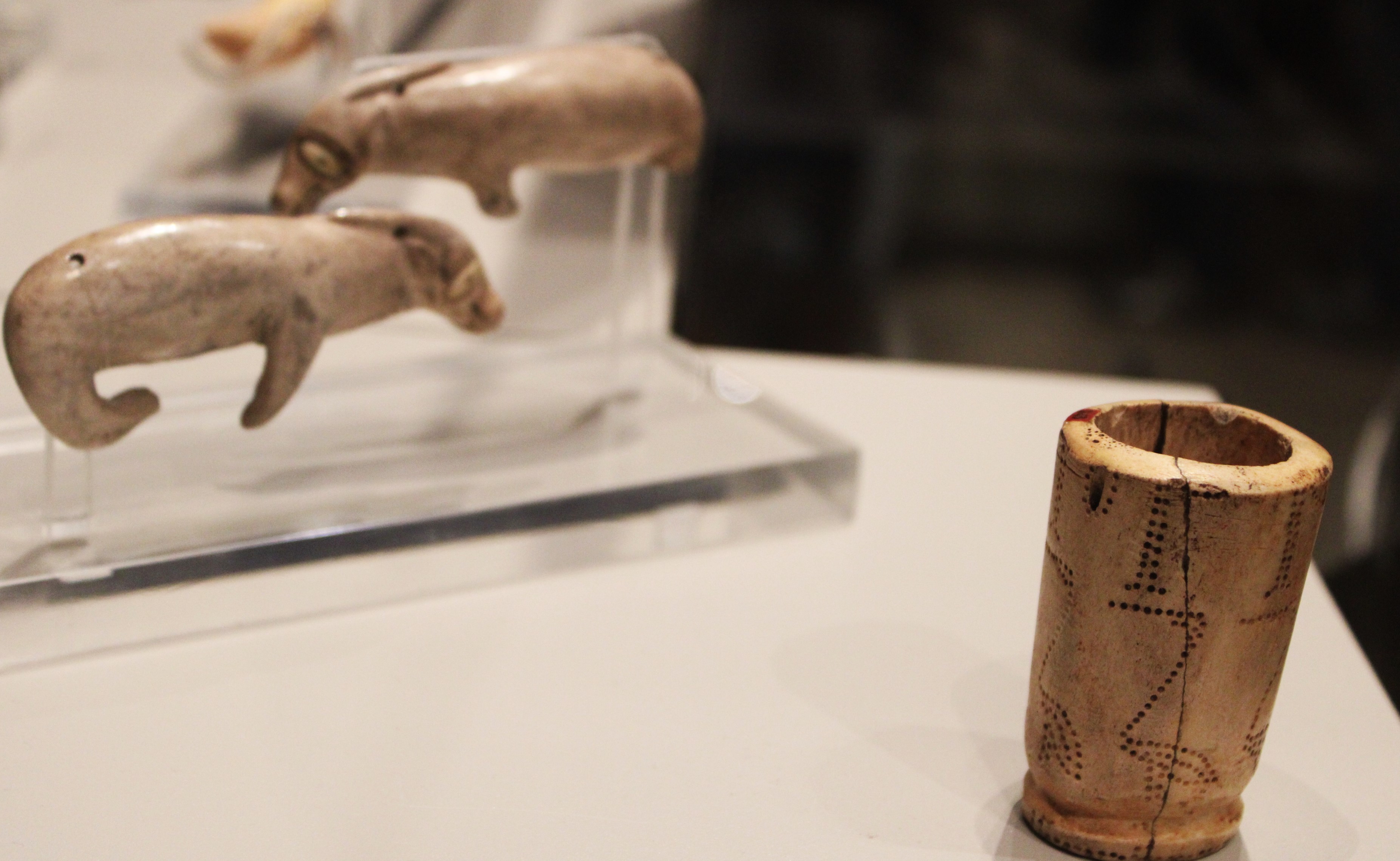
Acquisto Schiaparelli del 1900-1901
Non a caso la storia degli egizi è fra quelle che più appassiona gli studenti fin dalle scuole primarie. Mi sono piacevolmente meravigliato nell’ascoltare quanto le mie due bimbe avessero acquisito su questa antica civiltà.
Di vetrina in vetrina hanno avuto modo di poter vedere con i loro occhi quello che hanno sentito raccontare dalle insegnanti e hanno scoperto emozionandosi nuove cose.
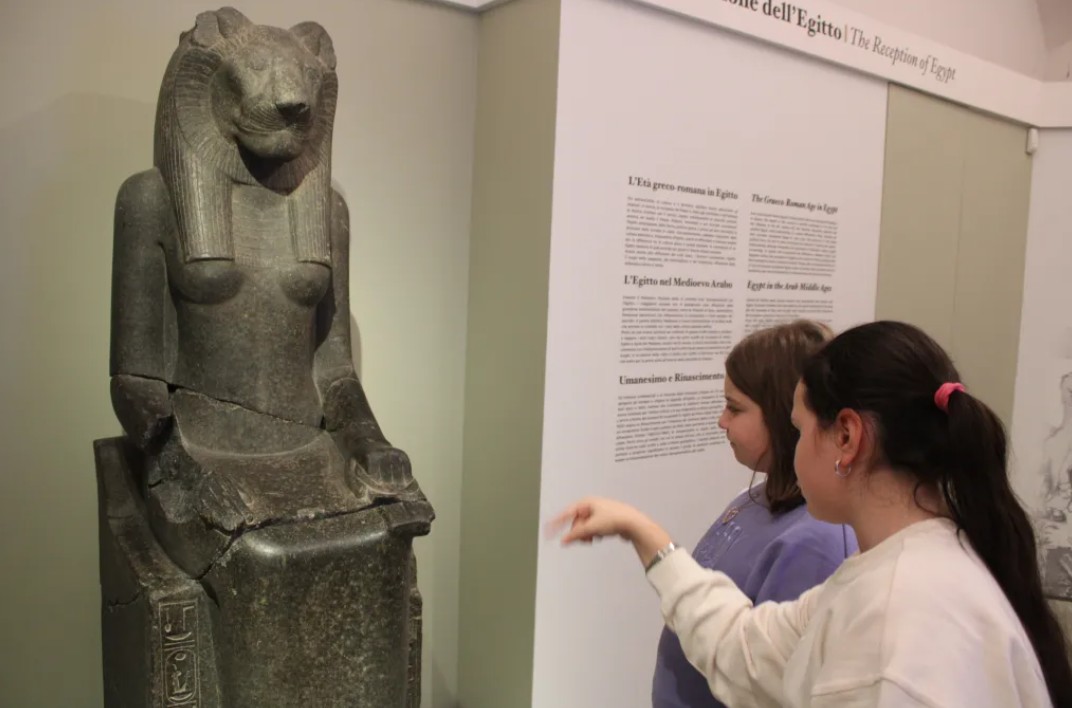
Fra le numerose opere esposte è presente la Statua di Iteti. I due frammenti dell’opera furono ritrovati dagli operai al servizio di Schiaparelli scavo di una tomba a mastaba nella necropoli situata a Est della grande piramide di Giza nel 1903.
La scultura rappresenta il cortigiano Iteti e in origine doveva essere collocata nella camera priva di aperture ricavata nel corpo della mastaba.
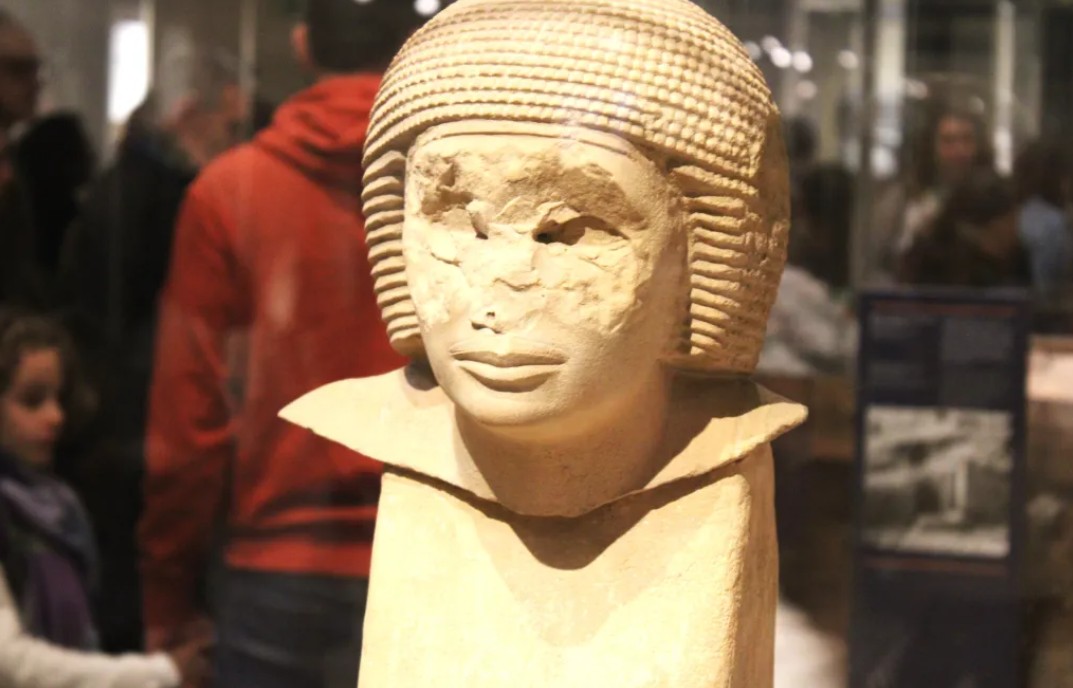
Come non rimanere affascinati dal coperchio del sarcofago mummiforme di Aset?
Era la cantatrice di Amon e moglie di Djehutymes. Il sarcofaco in granito rosa fu realizzato durante la XIX dinastia del regno di Ramesse II, fra il 1279-1213 a.C., a Tebe.
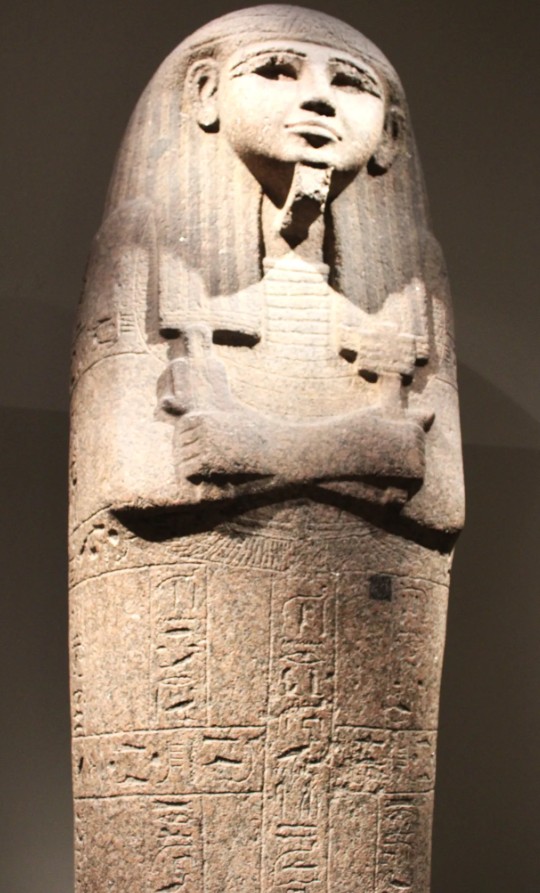
Nel 2015 il Museo Egizio ha raddoppiato gli spazi espositivi e ha rinnovato il percorso museale dandogli una chiave di lettura consona alla museologia contemporanea. Oggi il percorso espositivo si sviluppa su quattro piani e comprende 15 sale.
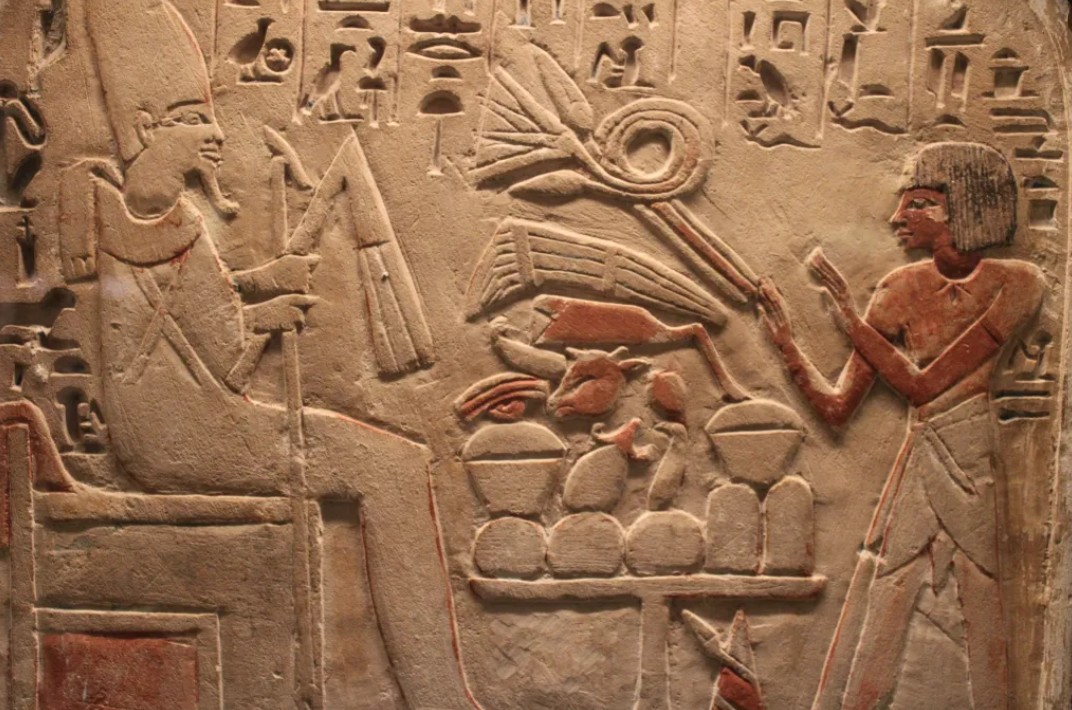
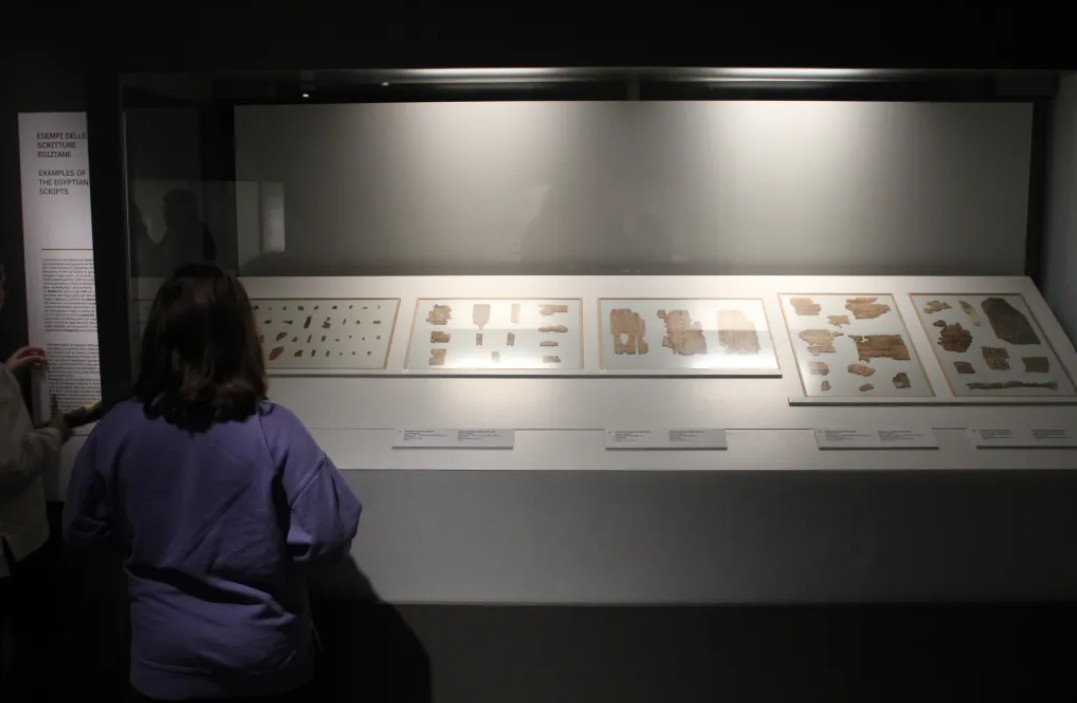
Nel 2024 il Museo Egizio compie i primi 200 anni di storia e per celebrare questo importante traguardo, ha da poco inaugurato la Galleria della Scrittura che racconta ai visitatori la nascita e l’evoluzione dell’antica scrittura egizia.
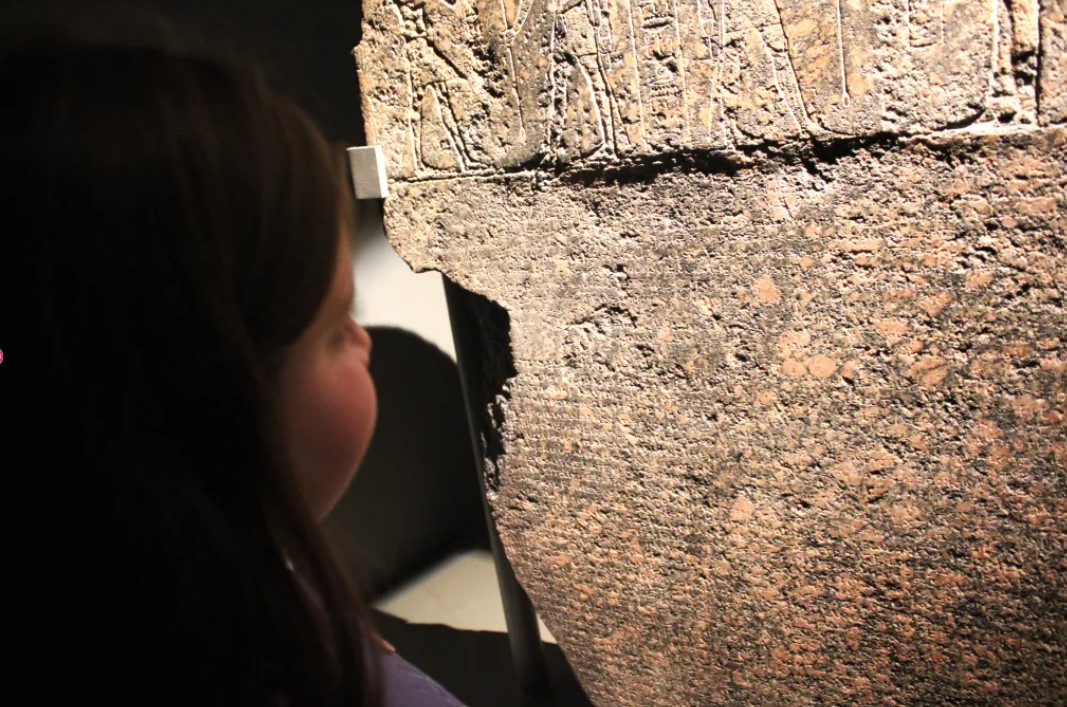
La galleria occupa l’intero ultimo piano del museo e comprende circa 250 reperti che mostrano l’evoluzione e la sovrapposizione delle differenti lingue e scritture.
I reperti esposti coprono un arco temporale che va dal 3900 a.C. fino al VII d.C.
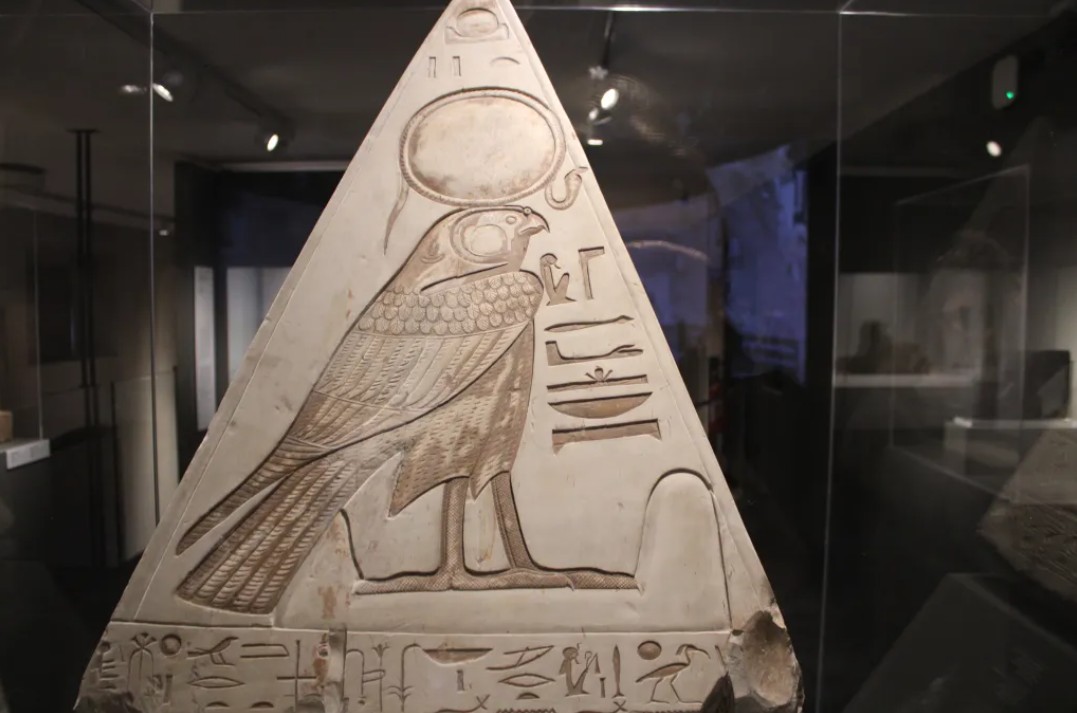
Ci si trova così dinanzi al prezioso Papiro dei Re e a quello della Congiura, alla stele geroglifiche fino agli ostraka ieratici.
Non mancano testi amministrativi e papiri di tipo medico- scientifico.
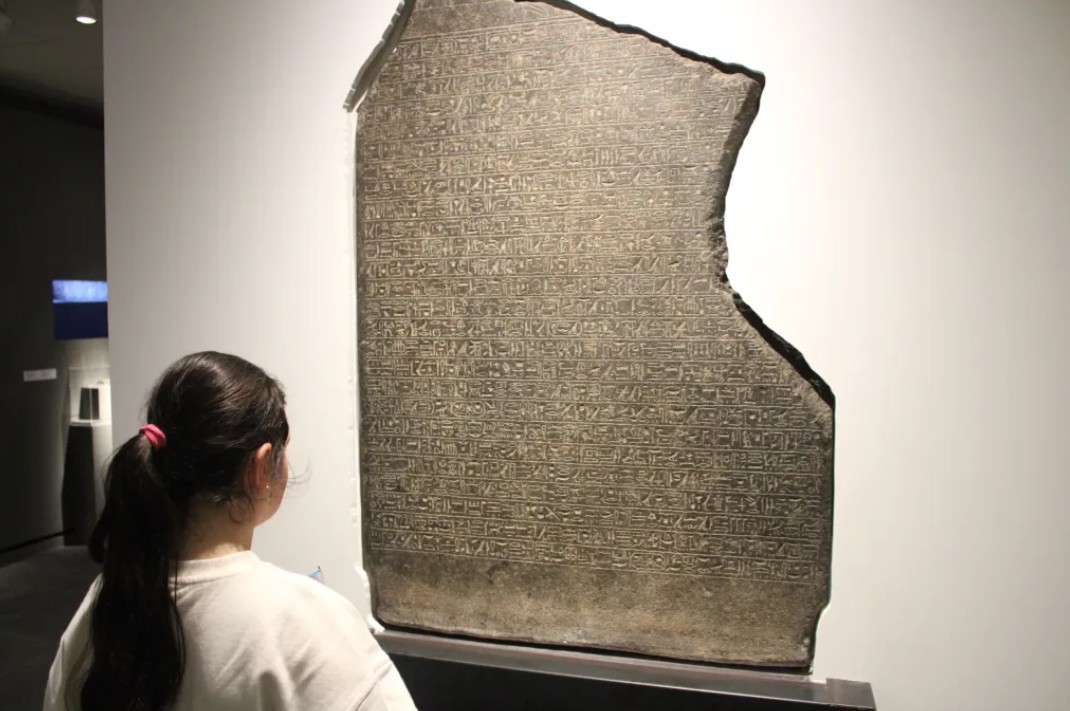
Fra le sale più affascinanti di tutto il Museo Egizio c’è sicuramente la Galleria dei Re, ricca di sculture di divinità avvolte da una luce che le fa sembrare ancor più misteriose.
La scultura più grande di tutto il museo si trova proprio in questa parte del museo ed è dedicata a Seti II. Ha un’altezza di 5,16 metri e fu rinvenuta nella parte Nord della prima corte del tempio di Karn assieme a una scultura gemella, oggi custodita al Louvre.

Percorsa la Galleria dei Re si arriva al Tempio di Ellesiya. Fu il faraone Thutmosi III (1479-1425 a.C.) a fare scavare nella roccia questo tempio nella località di Ellesiya, non lontano da Abu Simbel, dedicandolo a Horus di Miam e Satet.
Il tempio era accessibile solo dal fiume e l’interno ha una struttura a T rovesciata, formata da un corridoio e due camere laterali. Sulle pareti sono scolpite scene di offerta da parte del re agli dei egizi e nubiani mentre le figure sono rivolte verso la parete di fondo dove compaiono scolpite Horus, Satet e Thutmosi III in trono. Il tempio si trovava all’interno della regione destinata a essere sommersa dal lago Nasser dopo la costruzione della Grande Diga di Assuan e quindi fu oggetto del salvatggio condotto dll’Unesco.
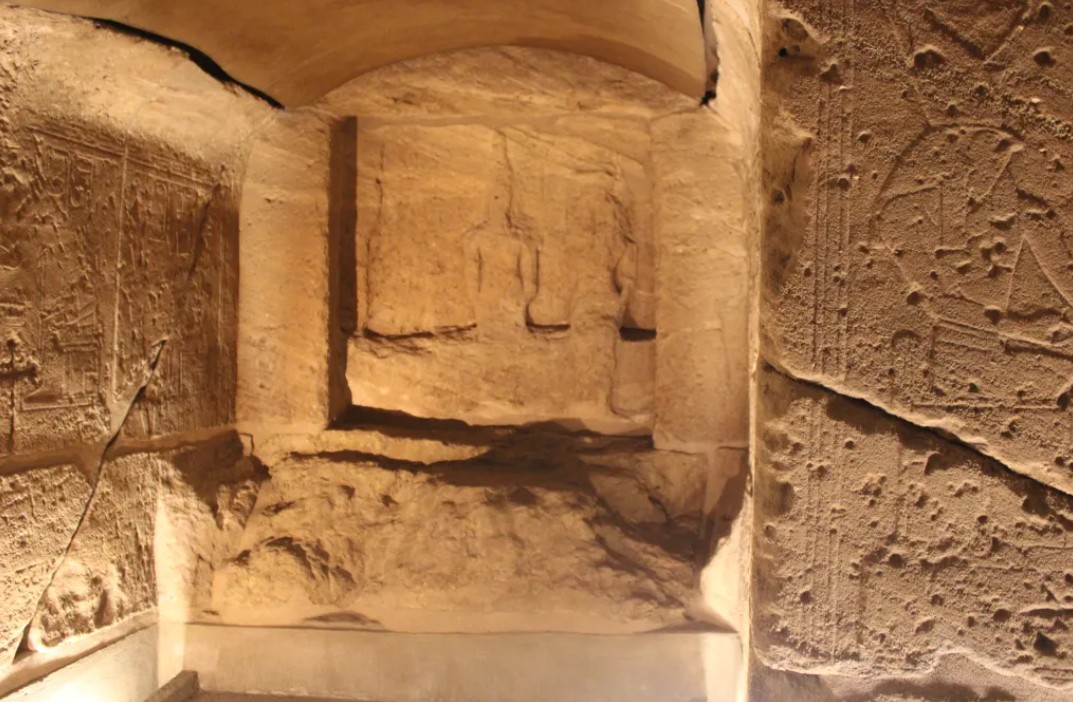
Il tempio di Ellesiya arrivò a Torino nel 1967 e fu collocato fu ricostruito nell’ala del Museo dedicata a Ernesto Schiaparelli.
Visitare il Museo Egizio di Torino è un’esperienza unica che andrebbe fatta perlomeno una volta nella vita.
Il vostro Michelangelo Buonarroti e i suoi racconti per il momento vi da appuntamento ai prossimi post e sui social.
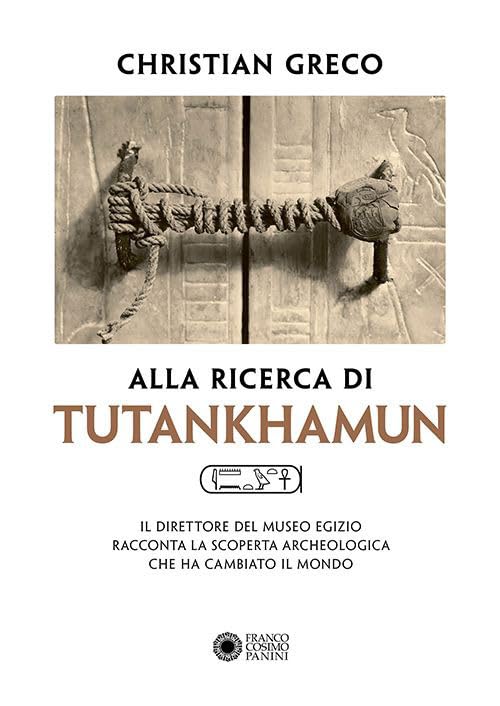
A day at the Egyptian Museum in Turin, among 4 thousand years of history
What to give children for Christmas, for a birthday or a date worth remembering with a special gift? Something that they can remember for the rest of their lives and that moves them.
This Christmas I gave my daughters a train trip to Turin and entry to the amazing Egyptian Museum: a journey through history spanning over 4 thousand years.
It is the oldest museum of Egyptian antiquities in the world, set up inside a baroque palace in the heart of Turin. It was founded in 1824 and inside it houses over 40,000 artefacts of which 3,300 are displayed in the various rooms and visible to the public.
It is considered the most important museum of Egyptian antiquities that exists after the one in Cairo, Egypt.
cultures, papyri, painted sarcophagi, canopic jars, funerary figurines but also everyday objects such as ivory containers from the predynastic era, combs and other refinements used for cosmetics allow us to delve into Egyptian culture, history, art and archaeology.
It is no coincidence that the history of the Egyptians is among those that most fascinate students starting from primary school. I was pleasantly surprised to hear how much my two little girls had learned about this ancient civilization.
From shop window to shop window they had the opportunity to see with their own eyes what they heard from the teachers and they discovered new things with excitement.
Among the numerous works on display there is the Statue of Iteti. The two fragments of the work were found by workers serving Schiaparelli excavating a mastaba tomb in the necropolis located to the east of the great pyramid of Giza in 1903.
The sculpture represents the courtier Iteti and originally had to be placed in the room without openings created in the body of the mastaba.
How can you not be fascinated by the lid of Aset’s mummiform sarcophagus?
She was the singer of Amun and wife of Djehutymes. The pink granite sarcophagus was made during the 19th dynasty of the reign of Ramesses II, between 1279-1213 BC, in Thebes.
In 2015 the Egyptian Museum doubled the exhibition spaces and renewed the museum itinerary, giving it an interpretation suited to contemporary museology. Today the exhibition itinerary is spread over four floors and includes 15 rooms.
In 2024 the Egyptian Museum celebrates its first 200 years of history and to celebrate this important milestone, it has recently inaugurated the Writing Gallery which tells visitors about the birth and evolution of ancient Egyptian writing.
The gallery occupies the entire top floor of the museum and includes around 250 artefacts that show the evolution and overlap of different languages and writings. The exhibits on display cover a time span ranging from 3900 BC. until the 7th century AD.
We thus find ourselves before the precious Papyrus of the Kings and that of the Conspiracy, from the hieroglyphic stelae to the hieratic ostraka. There is no shortage of administrative texts and medical-scientific papyri.
Among the most fascinating rooms in the entire Egyptian Museum there is certainly the Gallery of the Kings, full of sculptures of divinities surrounded by a light that makes them seem even more mysterious.
The largest sculpture in the entire museum is located in this part of the museum and is dedicated to Seti II. It has a height of 5.16 meters and was found in the northern part of the first courtyard of the temple of Karn together with a twin sculpture, now kept in the Louvre.
Once through the Gallery of the Kings you arrive at the Temple of Ellesiya. It was Pharaoh Thutmose III (1479-1425 BC) who had this temple dug into the rock in the locality of Ellesiya, not far from Abu Simbel, dedicating it to Horus of Miam and Satet.
The temple was accessible only from the river and the interior has an inverted T-shaped structure, consisting of a corridor and two side chambers. On the walls are carved scenes of offerings by the king to the Egyptian and Nubian gods while the figures face the back wall where Horus, Satet and Thutmose III appear enthroned. The temple was located within the region destined to be submerged by Lake Nasser after the construction of the Aswan High Dam and was therefore the subject of UNESCO’s rescue efforts.
The Ellesiya temple arrived in Turin in 1967 and was placed and rebuilt in the wing of the Museum dedicated to Ernesto Schiaparelli.
Visiting the Egyptian Museum in Turin is a unique experience that should be done at least once in a lifetime.
Your Michelangelo Buonarroti and his stories for the moment will meet you in the next posts and on social media.

Sostienici – Support Us
Se questo blog ti piace e ti appassiona, puoi aiutarci a farlo crescere sempre più sostenendoci in modo concreto condividendo i post, seguendo le pagine social e con un contributo che ci aiuta ad andare avanti con il nostro lavoro di divulgazione. . ENGLISH: If you like and are passionate about this blog, you can help us make it grow more and more by supporting us in a concrete way by sharing posts, following social pages and with a contribution that helps us to move forward with our dissemination work.
10,00 €
-
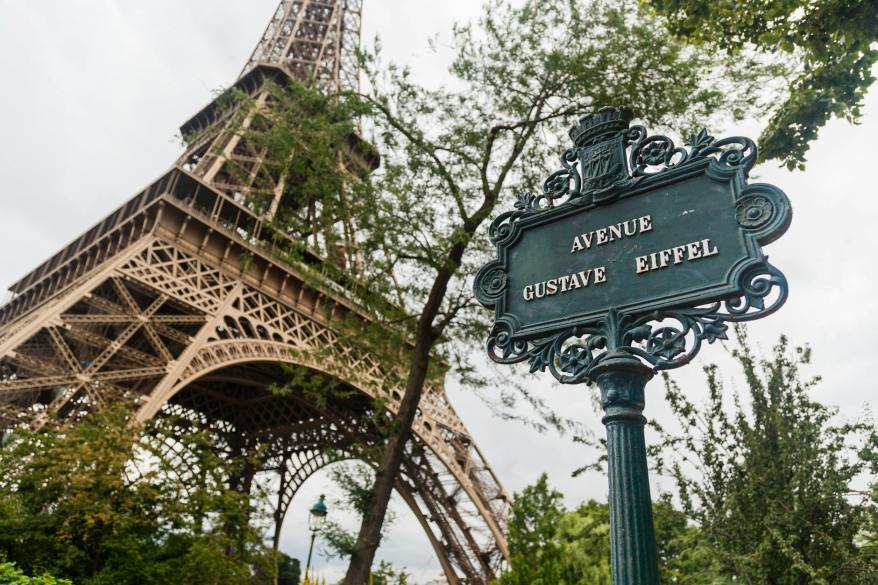
31 marzo 1889: inaugurata la Torre Eiffel tra critiche feroci e un destino inaspettato
🇮🇹Il 31 marzo 1889 segna una data destinata a cambiare per sempre il volto di Parigi e dell’immaginario collettivo globale: viene inaugurata la Torre Eiffel, l’opera più audace e discussa del suo tempo… 🇬🇧March 31, 1889 marks a date destined to change the face of Paris and the global collective imagination forever: the Eiffel Tower,…
-
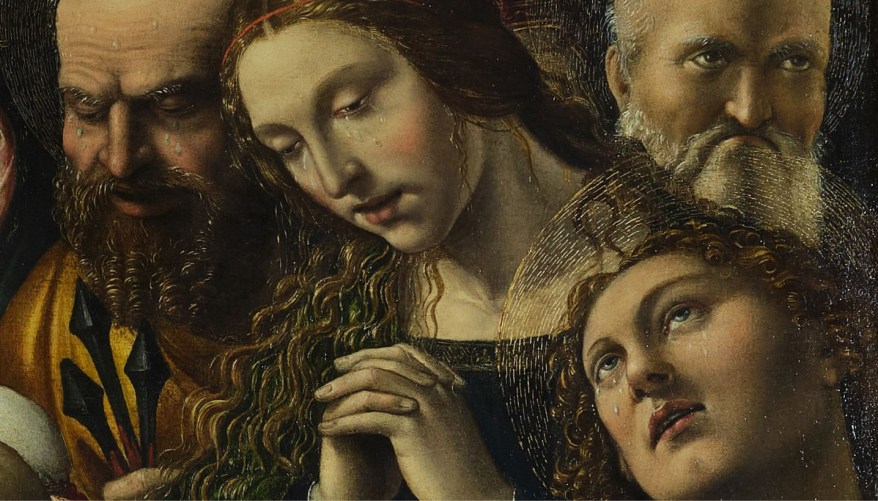
Sodoma in mostra a Torino: il Rinascimento al Museo Accorsi-Ometto
🇮🇹Al Museo di Arti Decorative Accorsi-Ometto arriva una mostra dedicata al Sodoma: oltre 50 opere, alcune mai viste prima, raccontano la formazione dell’artista e il suo dialogo con maestri come Pinturicchio… 🇬🇧An exhibition dedicated to Sodoma arrives at the Accorsi-Ometto Museum of Decorative Arts: over 50 works, some never before seen, recount the artist’s development…
-
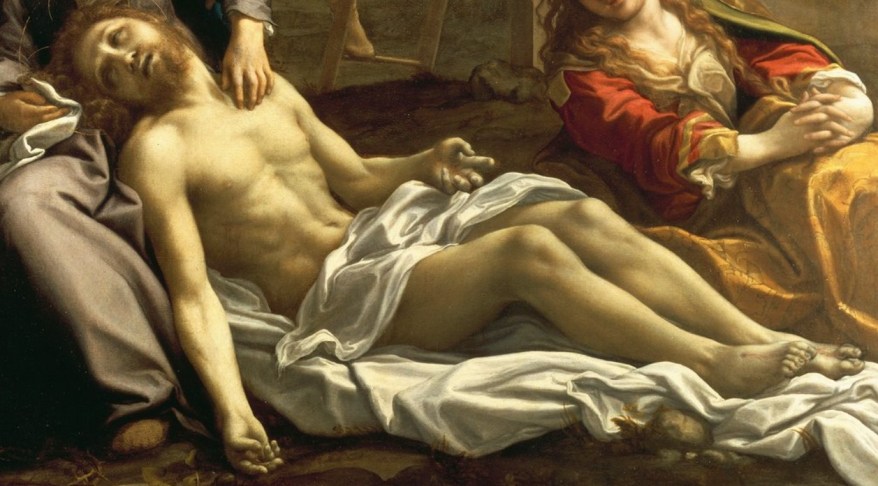
Il Compianto sul Cristo morto di Correggio: pathos e devozione
🇮🇹Con l’inizio della Settimana Santa, vi propongo il Compianto sul Cristo morto di Antonio Allegri, più noto come il Correggio: uno dei vertici assoluti della pittura emiliana del Cinquecento… 🇬🇧With the beginning of Holy Week, I propose the Lamentation over the Dead Christ by Antonio Allegri, better known as Correggio: one of the absolute peaks…
Condividi:


Questo sono io





sostienici

Sostienici – Support Us
Se questo blog ti piace e ti appassiona, puoi aiutarci a farlo crescere sempre più sostenendoci in modo concreto condividendo i post, seguendo le pagine social e con un contributo che ci aiuta ad andare avanti con il nostro lavoro di divulgazione. . ENGLISH: If you like and are passionate about this blog, you can help us make it grow more and more by supporting us in a concrete way by sharing posts, following social pages and with a contribution that helps us to move forward with our dissemination work.
€10,00


1 commento »