

24 dicembre 1223: San Francesco 800 anni fa allestì il primo presepe della storia
Era il 24 dicembre del 1223, giorno della vigilia di Natale, quando San Francesco, per la prima volta nella storia, allestì la prima rappresentazione del presepe fra le rocce dell’umile paesino di Greccio che si affaccia sulla conca reatina.
Da allora sono trascorsi Ottocento anni esatti ma quell’evento straordinario si è trasformato in una tradizione consolidata.
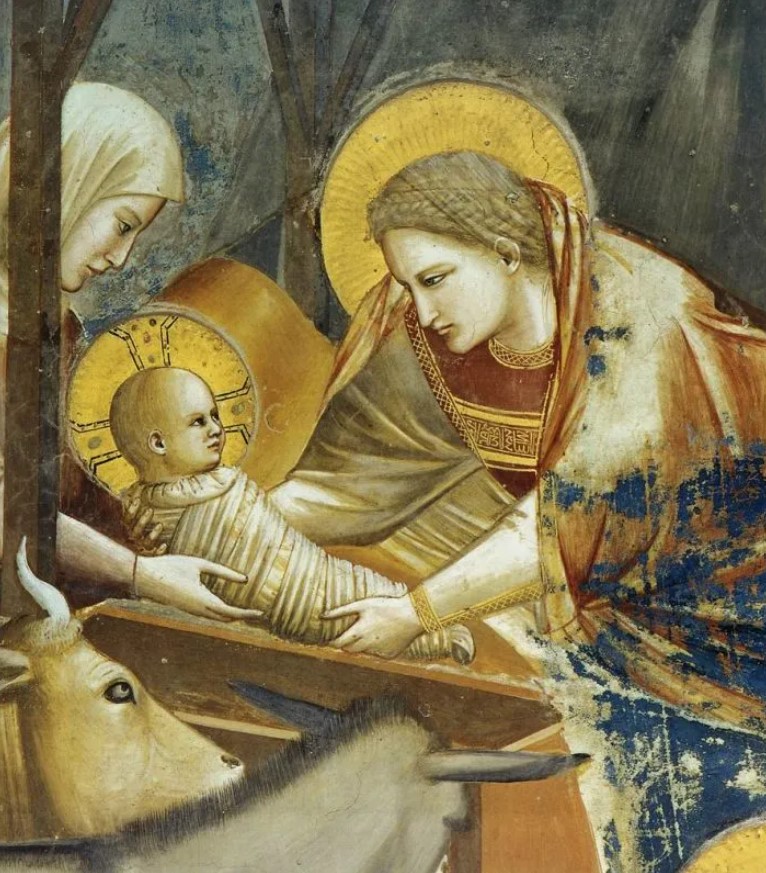
L’intento originario di San Francesco era quello di far comprendere agli abitanti del luogo, assai lontani dagli insegnamenti del cristianesimo, quell’evento misterioso e straordinario che fu la nascita di Cristo.
Greccio era un paesino di montagna molto povero ma da quel momento in poi il suo nome risuonò di bocca in bocca. Il presepe vivente ideato dal Santo ebbe fra i partecipanti il suo carissimo amico Giovanni Velita.
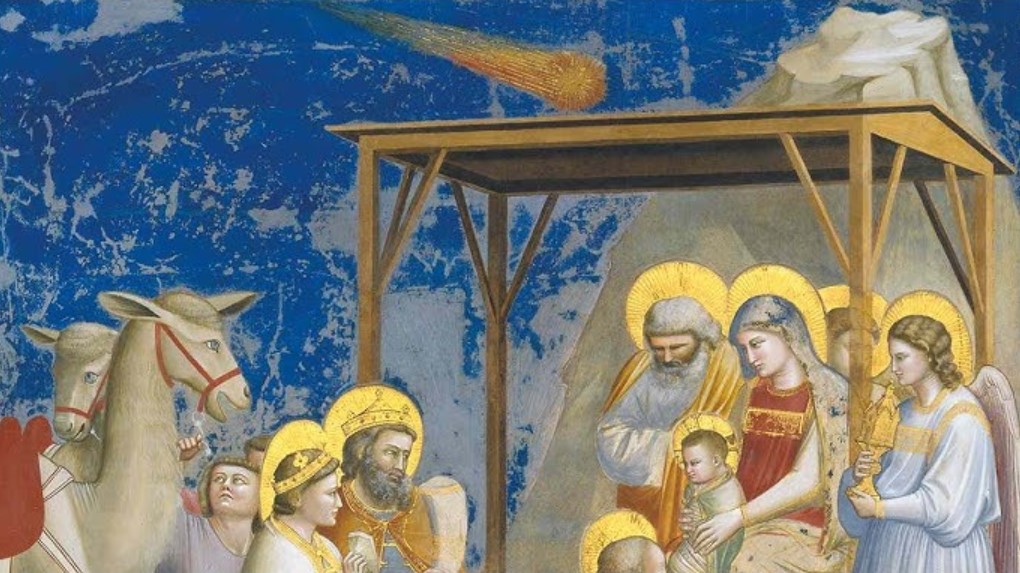
San Francesco era arrivato a Greccio per la prima volta nel 1209, quando la zona stava affrontando una proliferazione fuori controllo dei lupi e costantemente, ogni anno, i raccolti venivano devastati dalla grandine. Accadde però che entrambi i flagelli cessarono di esistere grazie all’intercessione del Santo.
San Francesco si costruì un’umile capanna sul Monte Lacerone per ripararsi dalle intemperie e quotidianamente andava a predicare fra i contadini della campagna. Fra quelli che sempre andavano ad ascoltare le sue prediche, c’era proprio Giovanni Velita, al tempo castellano di Greccio che poco a poco divenne uno degli amici più stretti del Santo.

Quando nell‘autunno del 1223 San Francesco andò a cospetto del papa Onorio III per attendere l’approvazione della regola scritta per i suoi frati, non esitò nel richiedere al pontefice il permesso di poter rappresentare la Natività.
Tornato a Greccio con il permesso ottenuto mandò a chiamare Velita, signore di Greccio: “Voglio celebrare teco la notte di Natale. Scegli una grotta dove farai costruire una mangiatoia ed ivi condurrai un bove ed un asinello, e cercherai di riprodurre, per quanto è possibile la grotta di Betlemme! Questo è il mio desiderio, perché voglio vedere, almeno una volta, con i miei occhi, la nascita del Divino infante.”

Da allora Greccio divenne la nuova Betlemme.
Narra Tommaso da Celano: “fu talmente commosso nel nominare Gesù Cristo, che le sue labbra tremavano, i suoi occhi piangevano e, per non tradire troppo la sua commozione, ogni volta che doveva nominarlo, lo chiamava il Fanciullo di Betlemme. Con la lingua si lambiva le labbra, gustando anche col palato tutta la dolcezza di quella parola e a guisa di pecora che bela dicendo Betlemme, riempiva la bocca con la voce o meglio con la dolcezza della commozione”.
Fu così che nacque il primo presepe della storia per ricordare la nascita di Cristo e che ancora viene allestito in tutto il mondo cristiano.
Per il momento il vostro Michelangelo Buonarroti vi saluta dandovi appuntamento ai prossimi post e sui social.

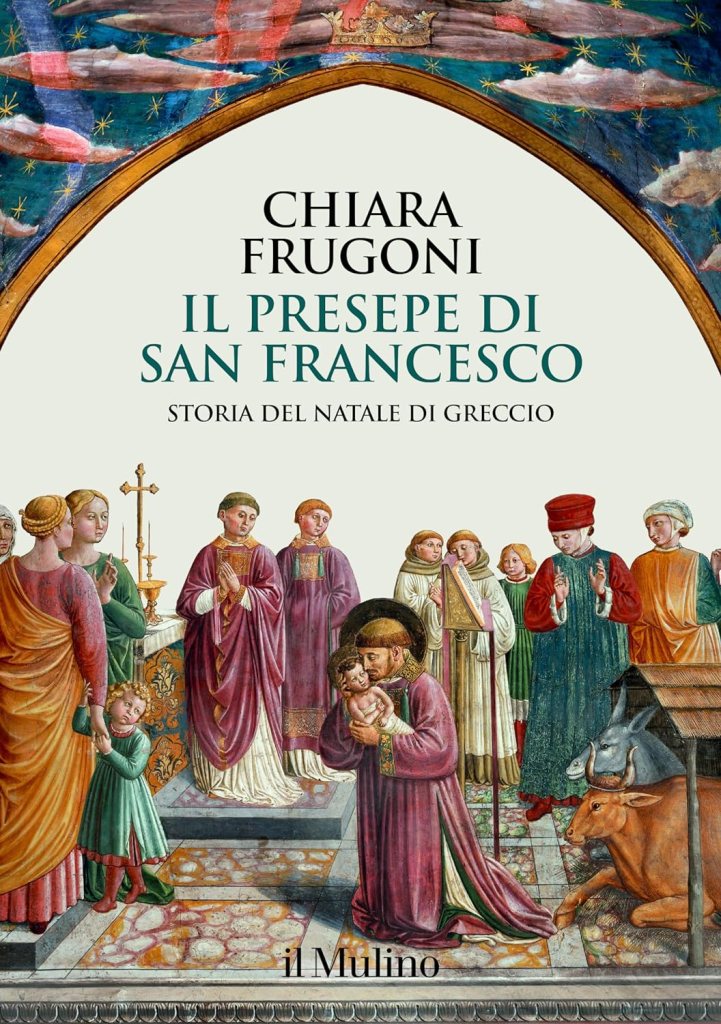
December 24, 1223: 800 years ago, Saint Francis set up the first nativity scene in history
It was December 24, 1223, Christmas Eve, when Saint Francis, for the first time in history, set up the first representation of the nativity scene among the rocks of the humble village of Greccio which overlooks the Rieti valley.
Exactly eight hundred years have passed since then but that extraordinary event has turned into a consolidated tradition.
The original intent of Saint Francis was to make the local inhabitants, very far from the teachings of Christianity, understand that mysterious and extraordinary event which was the birth of Christ.
Greccio was a very poor mountain village but from that moment on his name rang from mouth to mouth. The living nativity scene created by the Saint had his dear friend Giovanni Velita among the participants.
Saint Francis had first arrived in Greccio in 1209, when the area was facing an out-of-control proliferation of wolves and crops were constantly being devastated by hail every year. However, it happened that both scourges ceased to exist thanks to the intercession of the Saint.
Saint Francis built himself a humble hut on Mount Lacerone to shelter from the bad weather and went daily to preach among the farmers of the countryside. Among those who always went to listen to his sermons, there was Giovanni Velita, at the time castellan of Greccio who little by little became one of the Saint’s closest friends.
When in the autumn of 1223 Saint Francis went before Pope Honorius III to await the approval of the written rule for his friars, he did not hesitate in asking the pontiff for permission to represent the Nativity.
Having returned to Greccio with the permission obtained, he sent for Velita, lord of Greccio: “I want to celebrate Christmas Eve with you. Choose a cave where you will have a manger built and there you will lead an ox and a donkey, and you will try to reproduce the Bethlehem cave as much as possible! This is my desire, because I want to see, at least once, with my own eyes, the birth of the Divine Infant.”
Since then Greccio became the new Bethlehem.
Tommaso da Celano narrates: “he was so moved in naming Jesus Christ that his lips trembled, his eyes cried and, in order not to betray his emotion too much, every time he had to name him, he called him the Child of Bethlehem . With his tongue she licked her lips, also tasting with her palate all the sweetness of that word and like a sheep bleating while saying Bethlehem, she filled her mouth with her voice or rather with the sweetness of emotion”.
Thus was born the first nativity scene in history to commemorate the birth of Christ and which is still set up throughout the Christian world.
For the moment, your Michelangelo Buonarroti greets you and will meet you in future posts and on social media.

Sostienici – Support Us
Se questo blog ti piace e ti appassiona, puoi aiutarci a farlo crescere sempre più sostenendoci in modo concreto condividendo i post, seguendo le pagine social e con un contributo che ci aiuta ad andare avanti con il nostro lavoro di divulgazione. . ENGLISH: If you like and are passionate about this blog, you can help us make it grow more and more by supporting us in a concrete way by sharing posts, following social pages and with a contribution that helps us to move forward with our dissemination work.
8,00 €
-
Il Compianto sul Cristo morto di Correggio: pathos e devozione
🇮🇹Con l’inizio della Settimana Santa, vi propongo il Compianto sul Cristo morto di Antonio Allegri, più noto come il Correggio: uno dei vertici assoluti della pittura emiliana del Cinquecento… 🇬🇧With the beginning of Holy Week, I propose the Lamentation over the Dead Christ by Antonio Allegri, better known as Correggio: one of the absolute peaks…
-
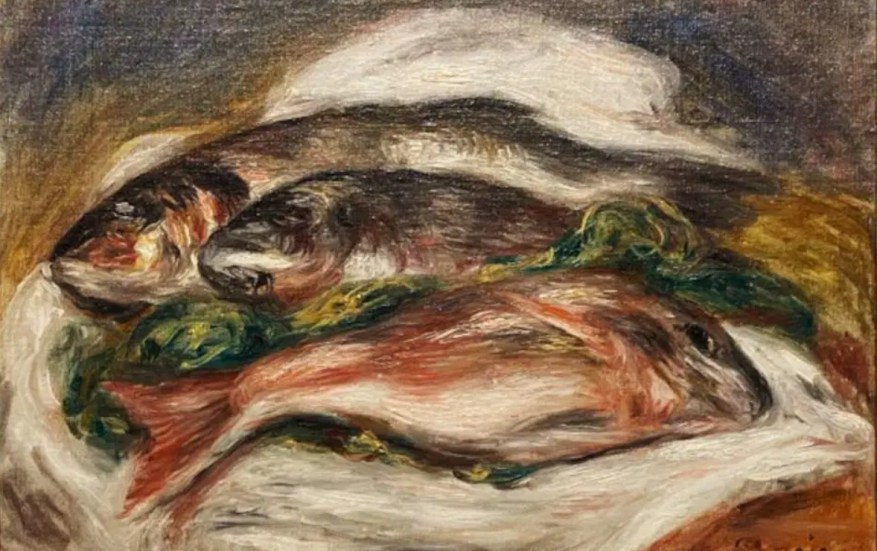
Furto milionario alla Magnani Rocca: rubati Renoir, Cézanne e Matisse
🇮🇹‼Tre capolavori storici spariti in meno di tre minuti: Les Poissons di Renoir, Tasse et plat de cerises di Cézanne e Odalisque sur la terrasse di Matisse sono stati rubati nella dalla Fondazione Magnani Rocca a Mamiano di Traversetolo, nel Parmense… 🇬🇧‼Three historic masterpieces disappeared in less than three minutes: Renoir’s Les Poissons, Cézanne’s Tasse…
-
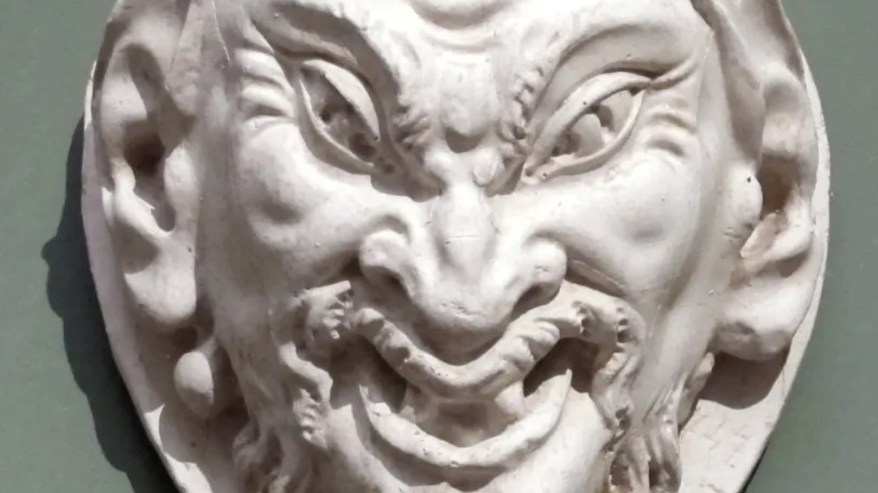
Fauno rubato: 15.000$ per ritrovarlo dopo 80 anni
🇮🇹Ero un ragazzino quando scolpii il Mascherone del Fauno sdentato. Oggi quel volto è perduto, rubato nella notte della guerra e da oltre 80 anni nessuno sa dove sia. Ora una ricompensa di 15.000$ riaccende la ricerca… 🇬🇧I was a boy when I sculpted the Toothless Faun Mask. Today that face is lost, stolen on…
Condividi:


Questo sono io





sostienici

Sostienici – Support Us
Se questo blog ti piace e ti appassiona, puoi aiutarci a farlo crescere sempre più sostenendoci in modo concreto condividendo i post, seguendo le pagine social e con un contributo che ci aiuta ad andare avanti con il nostro lavoro di divulgazione. . ENGLISH: If you like and are passionate about this blog, you can help us make it grow more and more by supporting us in a concrete way by sharing posts, following social pages and with a contribution that helps us to move forward with our dissemination work.
€10,00


