
La Scultura del giorno: Pascal di Augustin Pajou
La scultura del giorno che vi propongo oggi è Pascal scolpito nel marmo da Augustin Pajou nella seconda metà del Settecento.
Fu il conte d’Angiviller, al tempo direttore degli Edifici del Re di Francia, a volere nel 1779 la realizzazione di una serie di sculture che ritraessero i grandi uomini di Francia.
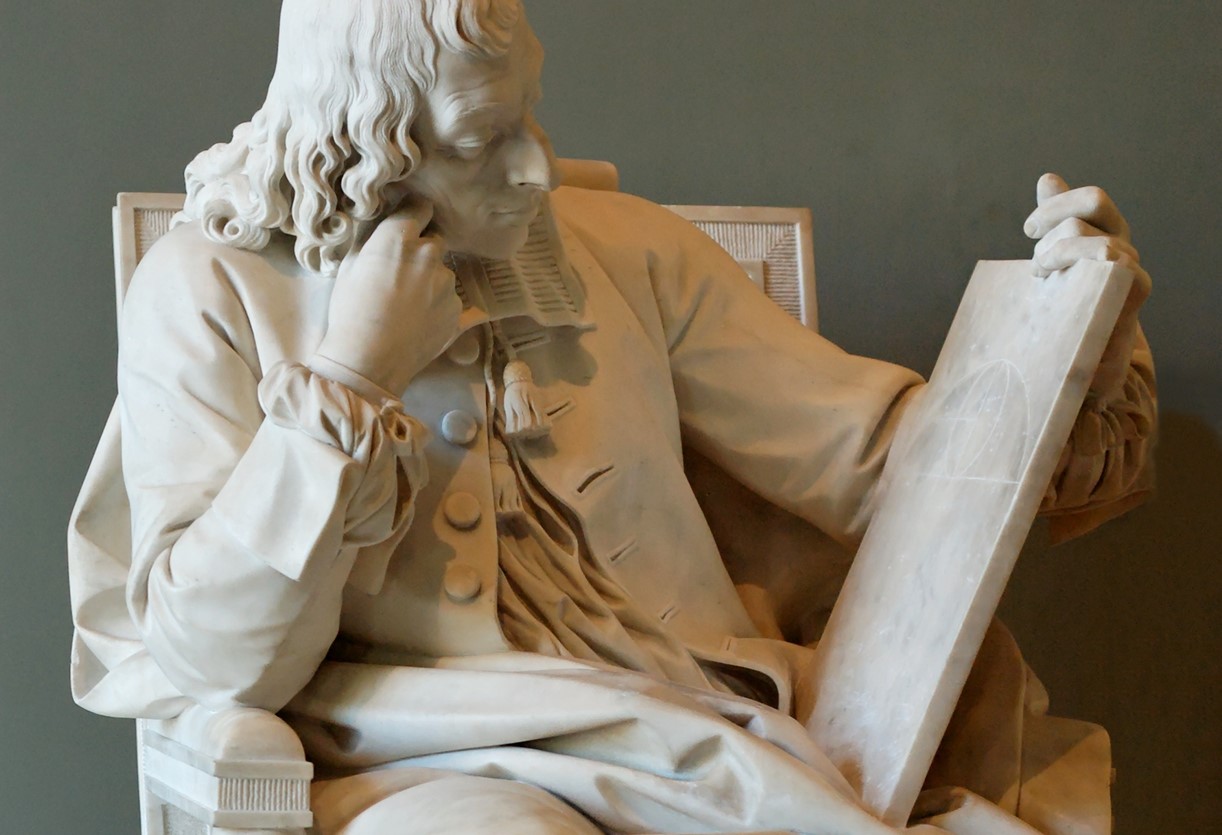
La prima volta che viene citata nei documenti il gesso ultimato di Pascal realizzato da Pajou è in un elenco redatto il 26 dicembre 1779. Nel 1785 la scultura tradotta in marmo fu presentata al Salon di Parigi.
L’opera fu collocata successivamente nella Sala delle Antichità del Louvre. Da lì fu spostata diverse volte e trasferita finanche nel Palais des Quatre-Nations per poi far ritorno nella sua collocazione originale nel 1971.

Augustin Pajou volle ritrarre Pascal mentre è intento a studiare la cicloide. Ai suoi piedi, sparpagliati sul pavimento, si vedono le pagine dei suoi pensieri mentre sulla destra compare il libro aperto con le Lettere provinciali.
Lo scultore pose particolare attenzione nel riprodurre dettagli fedeli al vero. Osservate con attenzione la fattura delle calzature con i lacci legati che si intravedono al di sotto della linguetta in cuoio ripiegata o l’accuratezza delle pieghe delle calze al di sotto del ginocchio, strette con un fiocco.

Sull’opera l’artista scolpì diverse scritte. Sul plinto, davanti è presente l’incisione che riporta il nome del soggetto dell’opera a scanso di equivoci: Blaise Pascal. Sullo zoccolo a destra la cultura è firmata dall’artista con la dicitura PAJOU. REGIS SCULPTOR. / 1785 mentre sul libro aperto, vicino al piede sinistro si legge LETTERA AD UN ISPETTORE.
Infine, su un volantino posizionati ai piedi della poltrona a destra Pajous incise PENSIERI SULLA RELIGIONE e sulla tavoletta è presente il diagramma cicloide.

Blaisier Pascal, nato in Francia nel 1613, fu uno straordinario matematico, fisico, filosofo e teologo. Bambino prodigio, ricevette la prima istruzione dal padre e i suoi primi lavori relativi alle scienze applicate e naturali risalgono all’età prepubere.
A soli sedici anni scrisse un trattato sulla geometria proiettiva e poco dopo ebbe modo di lavorare con Fermat sulla teoria delle probabilità. Nel corso della vita scrisse trattati fondamentali sul metodo scientifico e contribuì in modo significativo alla realizzazione di calcolatori meccanici oltre a studiare la meccanica dei fluidi.
Se volete apprezzare dal vero questa straordinaria scultura a lui dedicata realizzata da Pajou, non vi rimane altro che andare a visitare il Louvre a Parigi.
Per il momento il vostro Michelangelo Buonarroti vi saluta dandovi appuntamento ai prossimi post e sui social.
Sculpture of the day: Pascal by Augustin Pajou
The sculpture of the day that I propose to you today is Pascal sculpted in marble by Augustin Pajou in the second half of the eighteenth century.
It was the Count of Angiviller, at the time director of the Buildings of the King of France, who in 1779 wanted the creation of a series of sculptures portraying the great men of France.
The first time the finished plaster cast of Pascal created by Pajou is mentioned in documents is in a list drawn up on 26 December 1779. In 1785 the sculpture translated into marble was presented at the Paris Salon.
The work was subsequently placed in the Hall of Antiquities of the Louvre. From there it was moved several times and even moved to the Palais des Quatre-Nations before returning to its original location in 1971.
Augustin Pajou wanted to portray Pascal while he is busy studying the cycloid. At his feet, scattered on the floor, you can see the pages of his thoughts while on the right appears the open book with the Provincial Letters.
The sculptor paid particular attention to reproducing details faithful to life. Look carefully at the workmanship of the shoes with the tied laces visible below the folded leather tongue or the accuracy of the folds of the socks below the knee, tied with a bow.
The artist carved various writings on the work. On the plinth, on the front, there is an engraving bearing the name of the subject of the work for the avoidance of doubt: Blaise Pascal. On the plinth on the right the culture is signed by the artist with the wording PAJOU. REGIS SCULPTOR. / 1785 while on the open book, near the left foot, we read LETTER TO AN INSPECTOR.
Finally, on a flyer positioned at the foot of the armchair on the right Pajous engraved THOUGHTS ON RELIGION and on the tablet there is the cycloid diagram.
Blaisier Pascal, born in France in 1613, was an extraordinary mathematician, physicist, philosopher and theologian. Child prodigy, he received his first education from his father and his first works relating to applied and natural sciences date back to pre-pubescent age.
At just sixteen he wrote a treatise on projective geometry and shortly afterwards he had the opportunity to work with Fermat on probability theory. Throughout his life he wrote fundamental treatises on the scientific method and contributed significantly to the creation of mechanical calculators as well as studying fluid mechanics.
If you want to appreciate this extraordinary sculpture dedicated to him created by Pajou in real life, all you have to do is go and visit the Louvre in Paris.
For the moment, your Michelangelo Buonarroti greets you and will meet you in future posts and on social media.
-
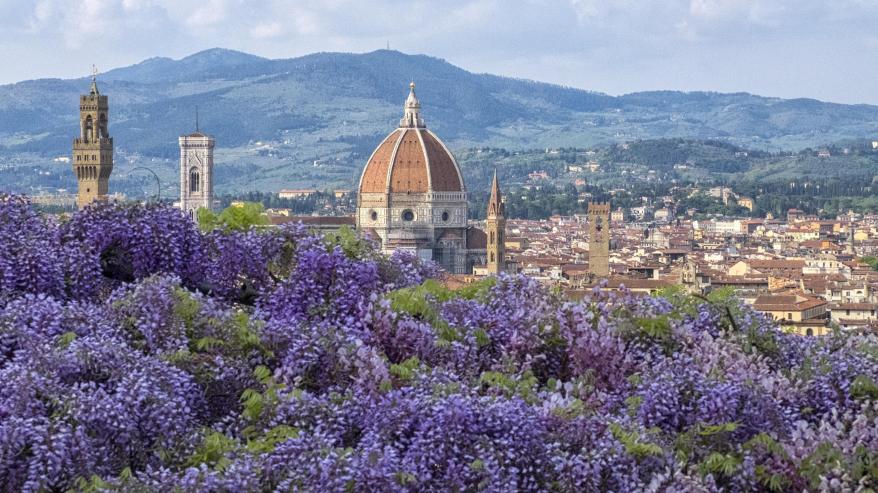
Sotto un cielo di glicine: la magia di Villa Bardini
🇮🇹Per pochi giorni all’anno, il pergolato di Villa Bardini si trasforma in un tunnel lilla lungo 70 metri, dove profumo e bellezza si intrecciano sopra una delle viste più romantiche di Firenze… 🇬🇧For a few days a year, the pergola of Villa Bardini transforms into a 70-meter-long lilac tunnel, where scent and beauty intertwine above…
-
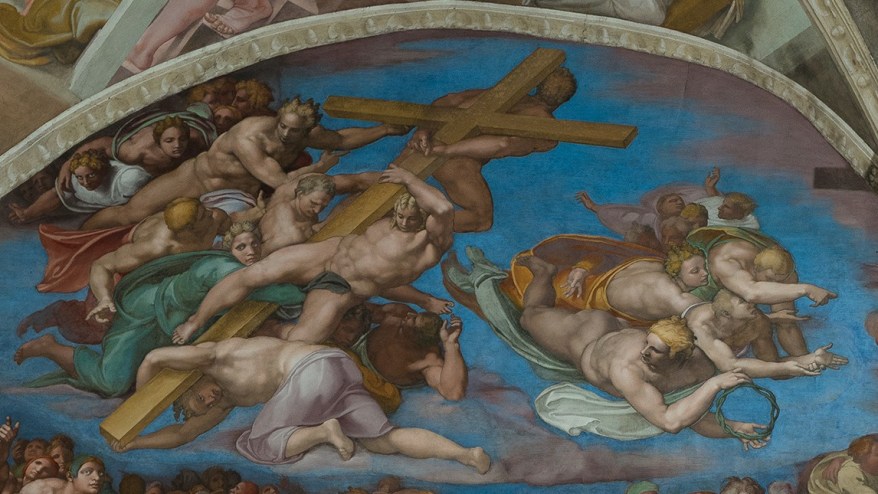
Come se la giustizia negata in vita possa compiersi altrove
🇮🇹Se davvero l’anima, una volta sciolta dal corpo, ritorna sulla terra per vivere ancora, così mi domando, quale sorte attende chi oggi appare tanto bella ai miei occhi, ma così crudele nel cuore? 🇬🇧If the soul, once freed from the body, truly returns to earth to live again, I ask myself, what fate awaits the…
-
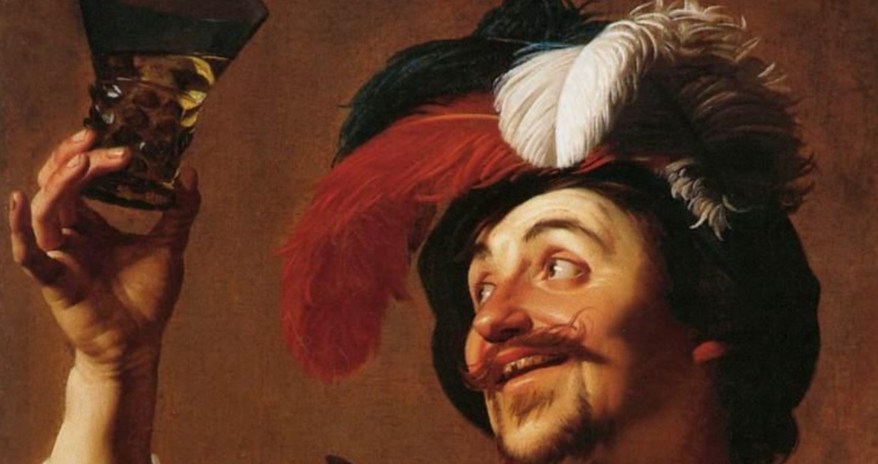
Quel sorriso del violinista felice di Gerrit van Honthorst
🇮🇹Un brindisi, un sorriso, una luce che taglia il buio. Conoscete il dipinto del violinista felice con un bicchiere di vino (1624) di Gerrit van Honthorst?… 🇬🇧A toast, a smile, a light that cuts through the darkness. Are you familiar with the painting of the Happy Violinist with a Glass of Wine (1624) by Gerrit…
Condividi:


Questo sono io





sostienici

Sostienici – Support Us
Se questo blog ti piace e ti appassiona, puoi aiutarci a farlo crescere sempre più sostenendoci in modo concreto condividendo i post, seguendo le pagine social e con un contributo che ci aiuta ad andare avanti con il nostro lavoro di divulgazione. . ENGLISH: If you like and are passionate about this blog, you can help us make it grow more and more by supporting us in a concrete way by sharing posts, following social pages and with a contribution that helps us to move forward with our dissemination work.
€10,00


incredibile davvero!!! 👍👍👍👍👍👍👍👍👍👍👍👏👏👏👏👏
"Mi piace"Piace a 1 persona
eh si :_+
"Mi piace"Piace a 1 persona