
Le Opere del Natale: la Natività del Botticelli
L’Opera del Natale che vi propongo oggi è l ‘Adorazione del Bambino del Botticelli realizzata fra il 1476 e il 1478 circa.
Si tratta di un affresco staccato che oggi potete apprezzare nella controfacciata della Basilica di Santa Maria Novella, al di sopra del portone principale.

Questa lunetta fu commissionata a Sandro Botticelli da Giovanni di Zanobi del Lama assieme all’Adorazione dei Magi oggi agli Uffizi per la propria cappella dedicata all’Epifania, posizionata sulla controfacciata della chiesa.
Successivamente l’intera decorazione fu smantellata e l’affresco che era posizionato a coronamento dell’altare fu staccato nell’Ottocento e sostituito con la Trinità di Masaccio.
Fu allora che l’Adorazione del Bambino del Botticelli venne posizionata al di sopra del portone centrale. L’opera è stata restaurata nel 1982, eliminando le ridipinture successive che ne oscuravano la brillantezza dei colori originali.
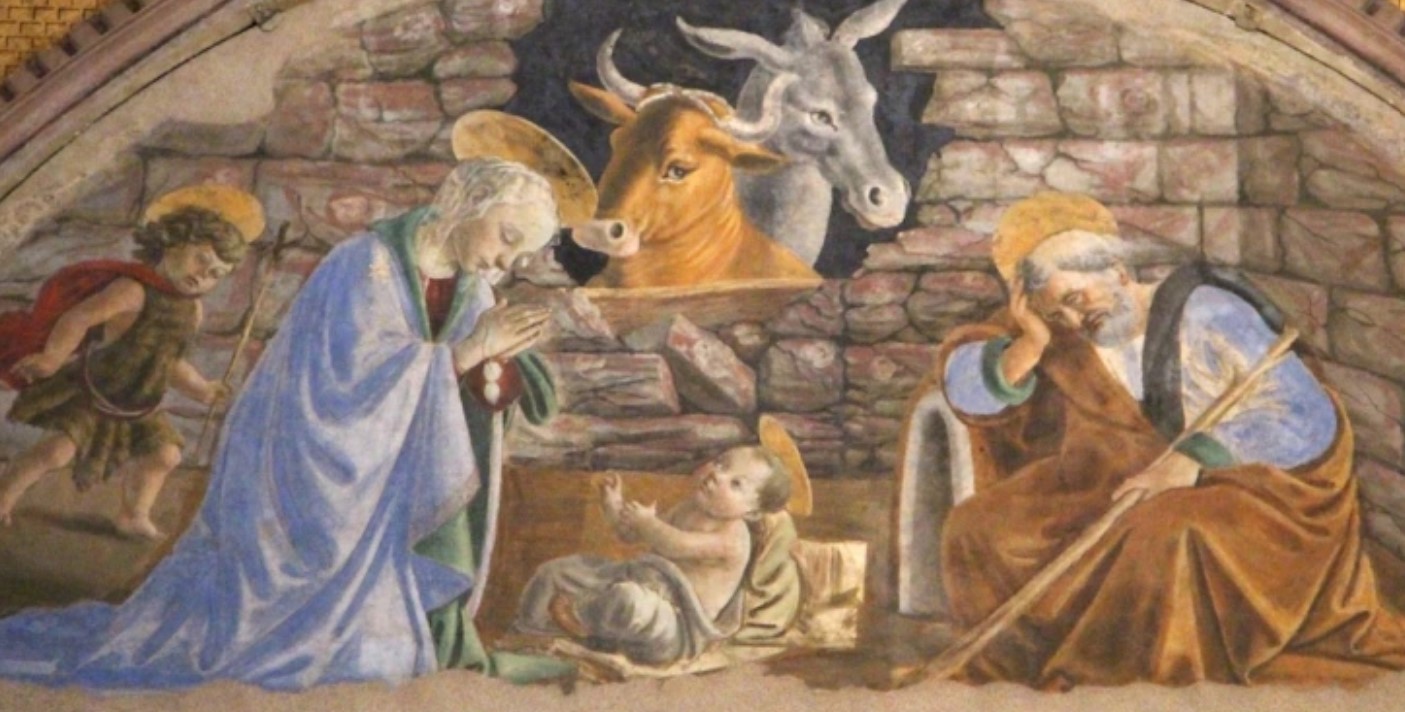
Nell’affresco Botticelli dipinse Maria a sinistra a mani giunte che adora il Bambino il quale protende le braccia verso di lei.
San Giuseppe a destra dorme con il braccio appoggiato a una sella secondo l’iconografia classica che lo vede come protettore di Maria e Gesù. Dietro la Sacra Famiglia compaiono il bue e l’asinello che simboleggiano gli ebrei e i pagani.
Il bambino che accorre a vedere il nuovo nato è San Giovannino, abbigliato con una pelle di animale.
Per il momento il vostro Michelangelo Buonarroti vi saluta dandovi appuntamento ai prossimi post e sui social.

The Works of Christmas: Botticelli’s Nativity
The Christmas Opera that I propose to you today is the Adoration of the Child by Botticelli created between approximately 1476 and 1478.
It is a detached fresco that today you can appreciate on the counter-façade of the Basilica of Santa Maria Novella, above the main door.
This lunette was commissioned to Sandro Botticelli by Giovanni di Zanobi del Lama together with the Adoration of the Magi today in the Uffizi for his chapel dedicated to the Epiphany, positioned on the counter-façade of the church. Subsequently the entire decoration was dismantled and the fresco that was positioned to crown the altar was removed in the nineteenth century and replaced with the Trinity by Masaccio.
It was then that Botticelli’s Adoration of the Child was positioned above the central door. The work was restored in 1982, eliminating subsequent repaintings that obscured the brilliance of the original colors.
In the fresco Botticelli painted Mary on the left with clasped hands adoring the Child who stretches out his arms towards her.
Saint Joseph on the right sleeps with his arm resting on a saddle according to the classical iconography which sees him as the protector of Mary and Jesus. Behind the Holy Family appear the ox and the donkey symbolizing the Jews and the pagans.
The child who comes to see the new born is Saint John, dressed in an animal skin.
For the moment, your Michelangelo Buonarroti greets you and will meet you in future posts and on social media.

Sostienici – Support Us
Se questo blog ti piace e ti appassiona, puoi aiutarci a farlo crescere sempre più sostenendoci in modo concreto condividendo i post, seguendo le pagine social e con un contributo che ci aiuta ad andare avanti con il nostro lavoro di divulgazione. . ENGLISH: If you like and are passionate about this blog, you can help us make it grow more and more by supporting us in a concrete way by sharing posts, following social pages and with a contribution that helps us to move forward with our dissemination work.
8,00 €
-
Cenacolo di Leonardo: i dettagli che raccontano il tradimento
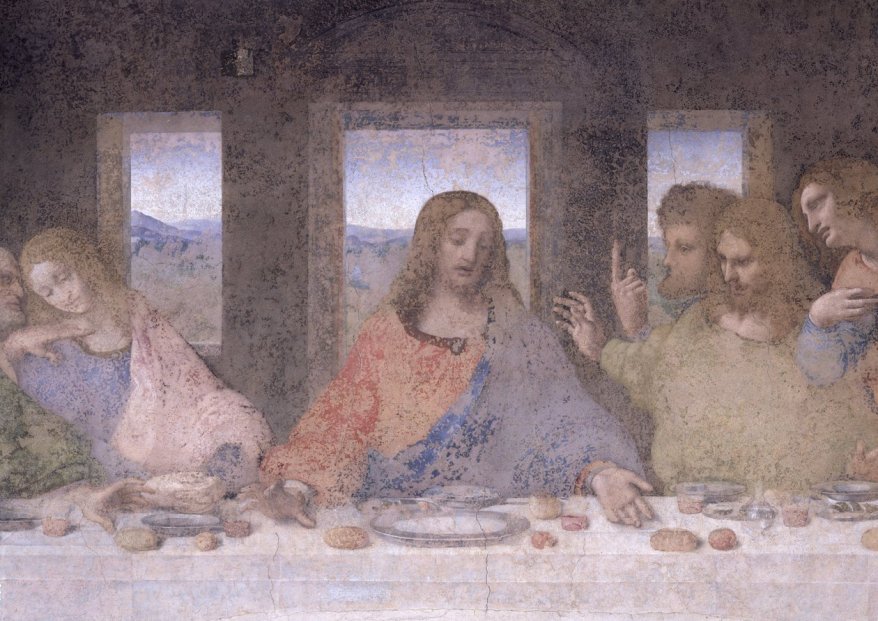
🇮🇹Nel Cenacolo di Leonardo da Vinci, custodito a Santa Maria delle Grazie, Cristo annuncia il tradimento e il tempo si ferma… 🇬🇧In Leonardo da Vinci’s Last Supper, housed in Santa Maria delle Grazie, Christ announces the betrayal and time stands still…
-
La Lavanda dei Piedi di Tintoretto: Il Capolavoro Veneziano al Prado
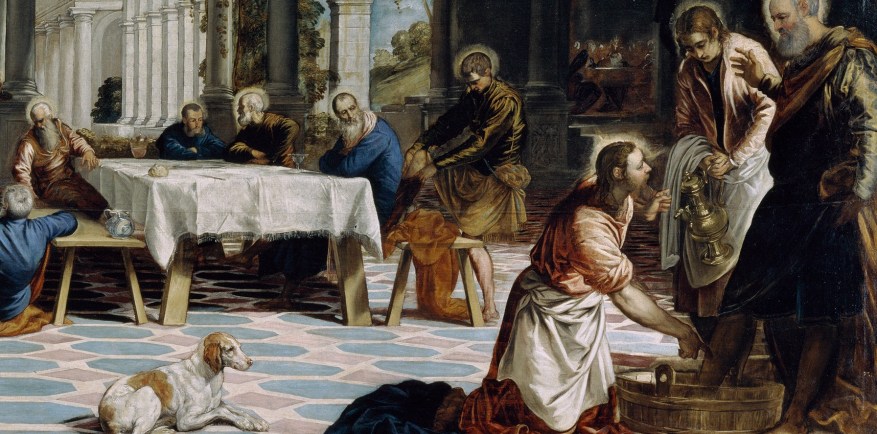
🇮🇹Tra i capolavori più affascinanti del Rinascimento veneziano, “La Lavanda dei Piedi” di Jacopo Tintoretto rappresenta un perfetto equilibrio tra spiritualità, innovazione compositiva e straordinaria forza narrativa… 🇬🇧Among the most fascinating masterpieces of the Venetian Renaissance, Jacopo Tintoretto’s “The Washing of the Feet” represents a perfect balance between spirituality, compositional innovation, and extraordinary narrative force…
-
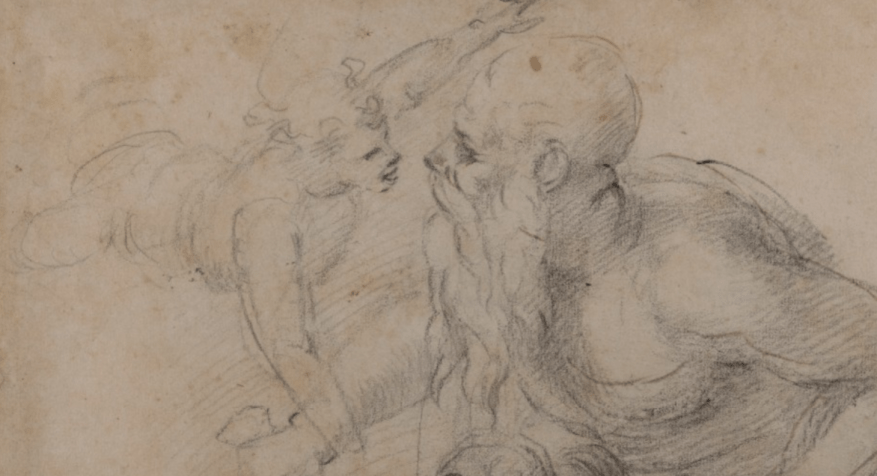
Il Sacrificio di Isacco e quel momento tra la vita e la morte
🇮🇹Oggi voglio raccontarvi alcuni dettagli sul mio disegno del Sacrificio di Isacco, conservato oggi a Casa Buonarroti. Su quel foglio volli tracciare il momento preciso in cui la paura fa spazio al miracolo… 🇬🇧Today I want to tell you some details about my drawing of the Sacrifice of Isaac, now preserved at Casa Buonarroti. On…
Condividi:


Questo sono io





sostienici

Sostienici – Support Us
Se questo blog ti piace e ti appassiona, puoi aiutarci a farlo crescere sempre più sostenendoci in modo concreto condividendo i post, seguendo le pagine social e con un contributo che ci aiuta ad andare avanti con il nostro lavoro di divulgazione. . ENGLISH: If you like and are passionate about this blog, you can help us make it grow more and more by supporting us in a concrete way by sharing posts, following social pages and with a contribution that helps us to move forward with our dissemination work.
€10,00


