
Le Opere del Natale: l’Adorazione dei pastori del Tintoretto
L’opera del Natale che vi propongo oggi è l’Adorazione dei pastori, la grande tela dipinta a olio dal Tintoretto per la sala capitolare della Scuola Grande di San Rocco a Venezia, fra il 1579 e il 1581.
L’opera che misura 5,42 metri in altezza per 4,55 metri in larghezza, raffigura il tema classico della pittura religiosa con i momenti immediatamente successivi alla nascita di Gesù. Tuttavia, ciò che rende questa Natività unica, è l’approccio artistico del Tintoretto che propone un’iconografia diversa da quella più tradizionale.
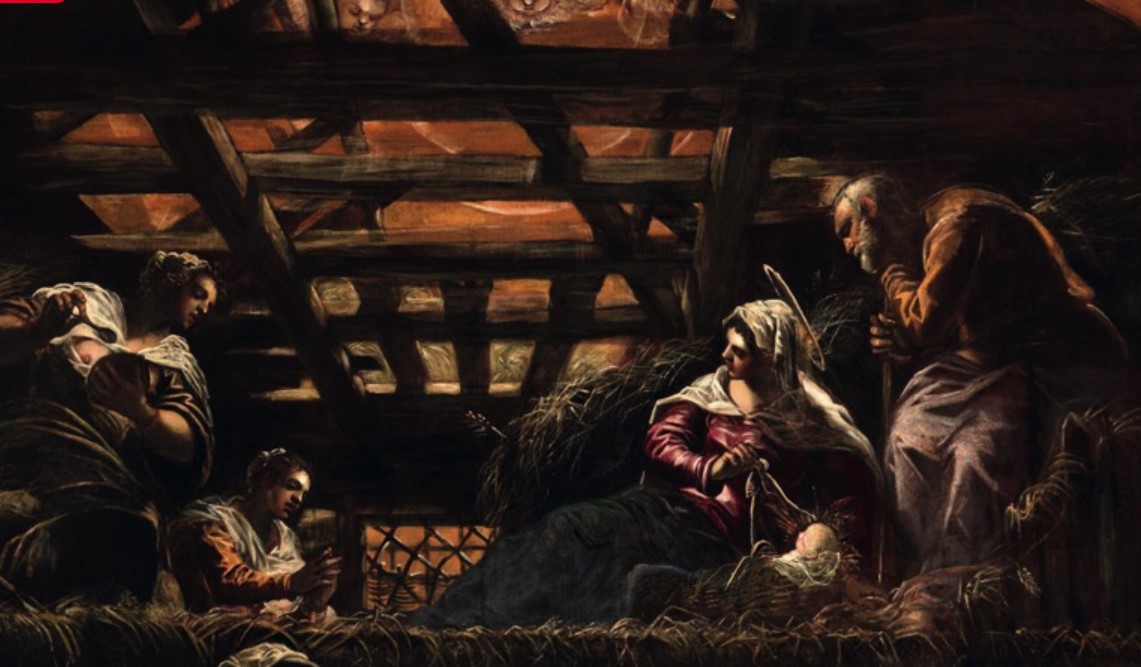
La composizione dell’opera è suddivisa in due piani sovrapposti anziché essere rappresentata in un solo blocco. La scena infatti si svolge in un rustico fienile a due piani.
Nella scena inferiore, si possono osservare i pastori con i loro doni, una donna in controluce, il bue e una scala che porta al piano superiore.

Nella scena superiore invece, troviamo la Sacra Famiglia e due donne che offrono un piatto a Gesù. Una delle donne è rappresentata a seno scoperto, identificata come Zabel o Salomè, entrambi personaggi biblici.
Alle due donne però può essere data anche una lettura più simbolica: quella con le mani giunte raffigura la Fede mentre l’altra a seno scoperto e con il piatto, raffigura la Carità.
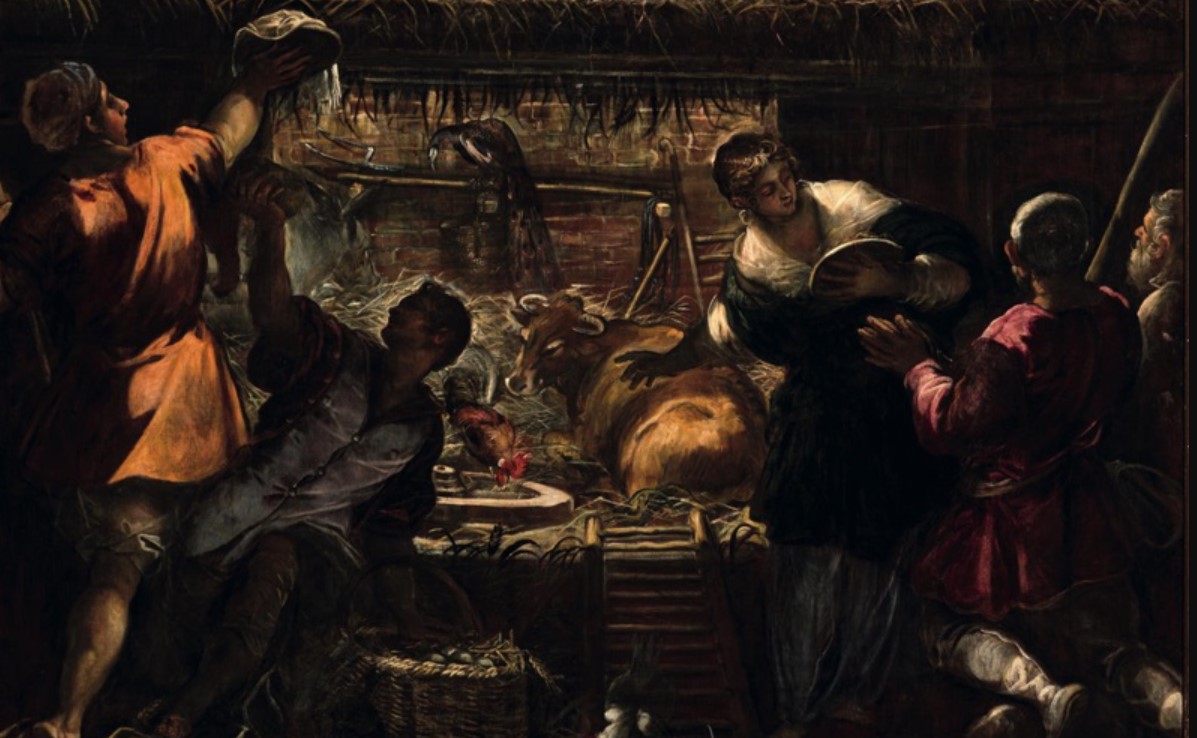
Un elemento distintivo di questo dipinto è l’uso della luce artificiale. Le travi del tetto sono illuminate, creando un effetto straordinario in grado di mettere in risalto la sacralità della nascita di Gesù.
Tutto è descritto con grande realismo, compresa la luce emanata dall’aureola della Vergine.
Per il momento il vostro Michelangelo Buonarroti vi saluta dandovi appuntamento ai prossimi post e sui social.

The Works of Christmas: The Adoration of the Shepherds by Tintoretto
The Christmas work that I propose to you today is the Adoration of the Shepherds, the large canvas painted in oil by Tintoretto for the chapter house of the Scuola Grande di San Rocco in Venice, between 1579 and 1581.
The work, which measures 5.42 meters in height by 4.55 meters in width, depicts the classic theme of religious painting with the moments immediately following the birth of Jesus. However, what makes this Nativity unique is the artistic approach of Tintoretto who proposes an iconography different from the more traditional one.
The composition of the work is divided into two overlapping planes rather than being represented in a single block. In fact, the scene takes place in a rustic two-story barn.
In the lower scene, you can see the shepherds with their gifts, a woman against the light, the ox and a staircase leading to the upper floor.
In the upper scene however, we find the Holy Family and two women offering a dish to Jesus. One of the women is represented with bare breasts, identified as Zabel or Salome, both biblical characters.
However, the two women can also be given a more symbolic reading: the one with clasped hands depicts Faith while the other with bare breasts and a plate depicts Charity.
A distinctive element of this painting is the use of artificial light. The roof beams are illuminated, creating an extraordinary effect capable of highlighting the sacredness of the birth of Jesus.
Everything is described with great realism, including the light emanating from the Virgin’s halo.
For the moment, your Michelangelo Buonarroti greets you and will meet you in future posts and on social media.

Sostienici – Support Us
Se questo blog ti piace e ti appassiona, puoi aiutarci a farlo crescere sempre più sostenendoci in modo concreto condividendo i post, seguendo le pagine social e con un contributo che ci aiuta ad andare avanti con il nostro lavoro di divulgazione. . ENGLISH: If you like and are passionate about this blog, you can help us make it grow more and more by supporting us in a concrete way by sharing posts, following social pages and with a contribution that helps us to move forward with our dissemination work.
8,00 €
-
Il Sacrificio di Isacco e quel momento tra la vita e la morte
🇮🇹Oggi voglio raccontarvi alcuni dettagli sul mio disegno del Sacrificio di Isacco, conservato oggi a Casa Buonarroti. Su quel foglio volli tracciare il momento preciso in cui la paura fa spazio al miracolo… 🇬🇧Today I want to tell you some details about my drawing of the Sacrifice of Isaac, now preserved at Casa Buonarroti. On…
-
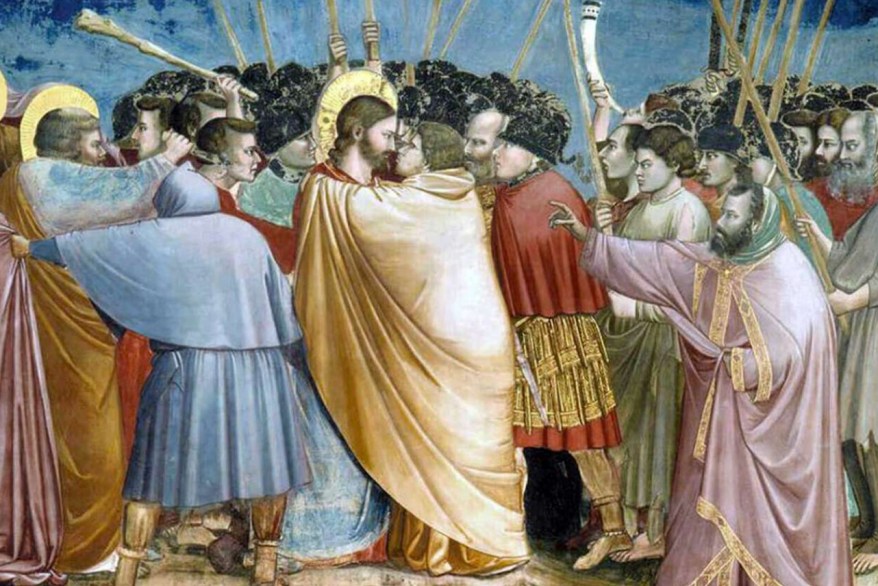
Mercoledì Santo: il giorno del tradimento di Giuda affrescato da Giotto
🇮🇹Il Mercoledì Santo è il giorno del silenzio, della riflessione e del tradimento. È il momento in cui Giuda sceglie di vendere Gesù per trenta denari, segnando uno dei passaggi più dolorosi della Settimana Santa…. 🇬🇧Holy Wednesday is a day of silence, reflection, and betrayal. ✝It is the moment when Judas chooses to sell Jesus…
-
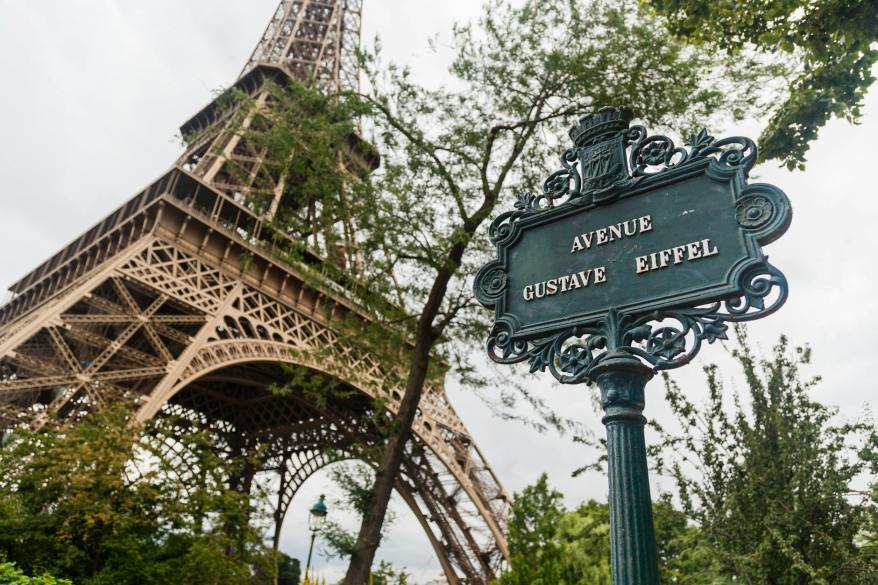
31 marzo 1889: inaugurata la Torre Eiffel tra critiche feroci e un destino inaspettato
🇮🇹Il 31 marzo 1889 segna una data destinata a cambiare per sempre il volto di Parigi e dell’immaginario collettivo globale: viene inaugurata la Torre Eiffel, l’opera più audace e discussa del suo tempo… 🇬🇧March 31, 1889 marks a date destined to change the face of Paris and the global collective imagination forever: the Eiffel Tower,…
Condividi:


Questo sono io





sostienici

Sostienici – Support Us
Se questo blog ti piace e ti appassiona, puoi aiutarci a farlo crescere sempre più sostenendoci in modo concreto condividendo i post, seguendo le pagine social e con un contributo che ci aiuta ad andare avanti con il nostro lavoro di divulgazione. . ENGLISH: If you like and are passionate about this blog, you can help us make it grow more and more by supporting us in a concrete way by sharing posts, following social pages and with a contribution that helps us to move forward with our dissemination work.
€10,00


