

La Scultura del giorno: la triste storia dell’Angelo del Dolore di William Wetmore Story
La scultura del giorno che vi propongo oggi è l’Angelo del Dolore, scolpito dall’artista statunitense William Wetmore Story nel 1894.
È un’opera che ha alle spalle una storia molto triste ma che serve a comprendere la disperazione mostrata dall’angelo.
Lo scultore si trasferì definitivamente a Roma nel 1850 assieme a tutta la famiglia. Con la moglie e i figli visse nella propria dimora a Palazzo Barberini che poco a poco divenne uno dei salotti culturali più apprezzati di tutta la città, frequentato da scrittori, musicisti e artisti sia italiani che stranieri.
I figli intrapresero tutti una carriera artistica: Edith Marion divenne scrittrice di successo, Thomas Waldo un abile scultore e Julian Russell un afferrmato pittore. Purtroppo il loro primogenito Joseph morì a soli sei anni e fu sepolto nel Cimitero Acattolico di Roma.

A dolore si aggiunse dolore quando l’amata moglie Emelyn il 7 gennaio del 1894 morì. Per l’artista di 78 anni fu un duro colpo da sopportare e il suo unico obiettivo da allora in poi sarà quello di scolpire per la consorte una bellissima scultura che potesse esprimere tutto quel dolore.
“Sto facendo un monumento da collocare nel Cimitero Protestante e mi chiedo sempre se lei lo sa e può vederlo. Rappresenta l’Angelo del Dolore, in totale abbandono, affranto su un altare funerario, con le ali ricadenti e il volto nascosto. Rappresenta quello che sento. Rappresenta la prostrazione. Eppure farlo mi dà conforto.”
Così Wetmore Story scriveva nella primavera del 1894 a un parente
Quando lo scultore William Wetmore Story morì il 7 ottobre 1895, fu sepolto con l’adorata moglie al cimitero Acattolico di Roma e a sorvegliare entrambi fu posta la sua ultima scultura: l’Angelo del Dolore. Quel cimitero fu fatto realizzare da papa Clemente XI nel 1716 per far seppellire a Roma gli stranieri non cattolici che non potevano trovare sepoltura negli altri cimiteri consacrati. Si trova al Testaccio, in via Caio Cestio, nei pressi di Porta San Paolo.
L’Angelo scolpito da Wetmore Story non è un angelo che consola le anime portandole verso il cielo ma è una figura dolente e disperata.
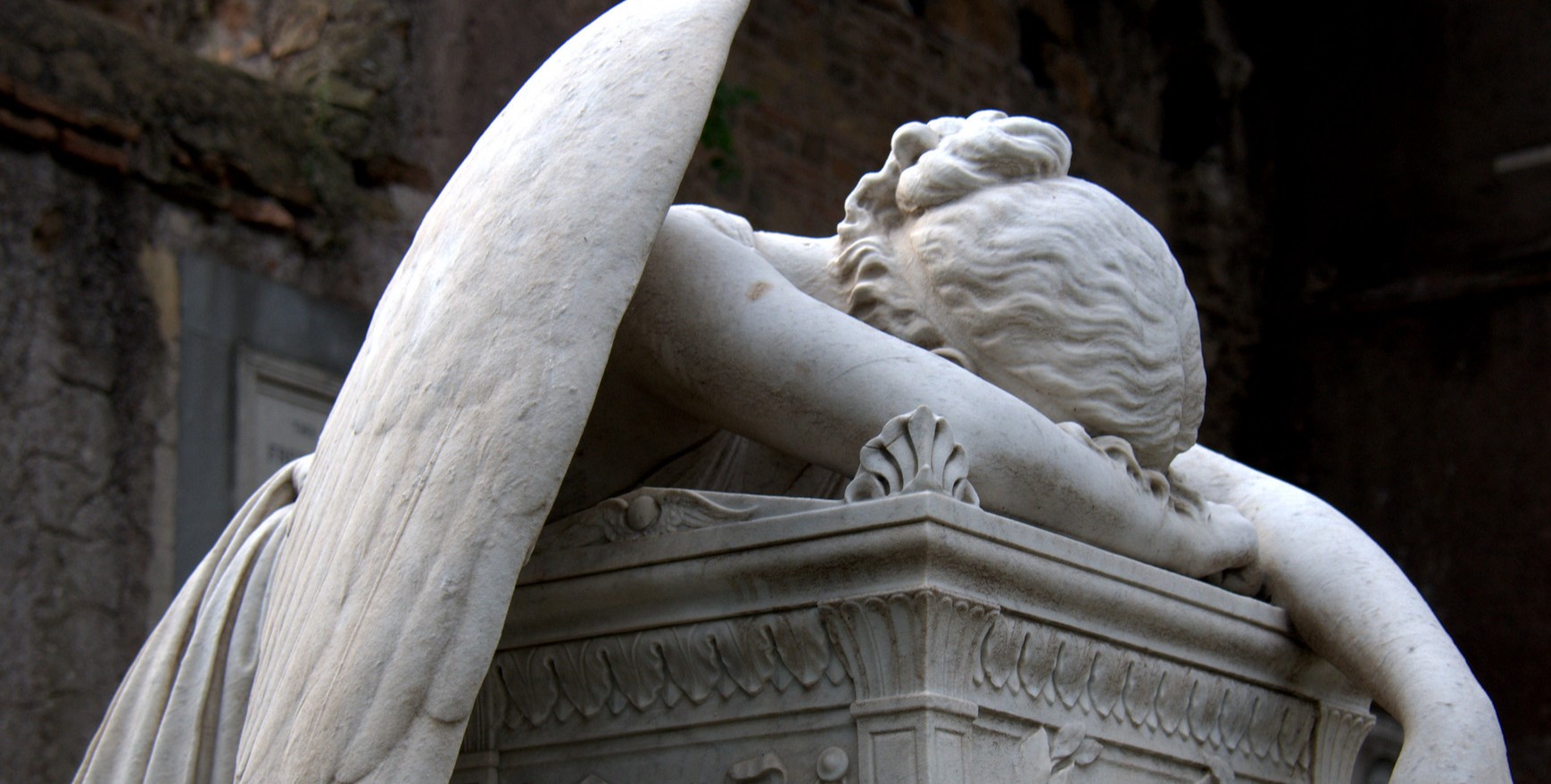
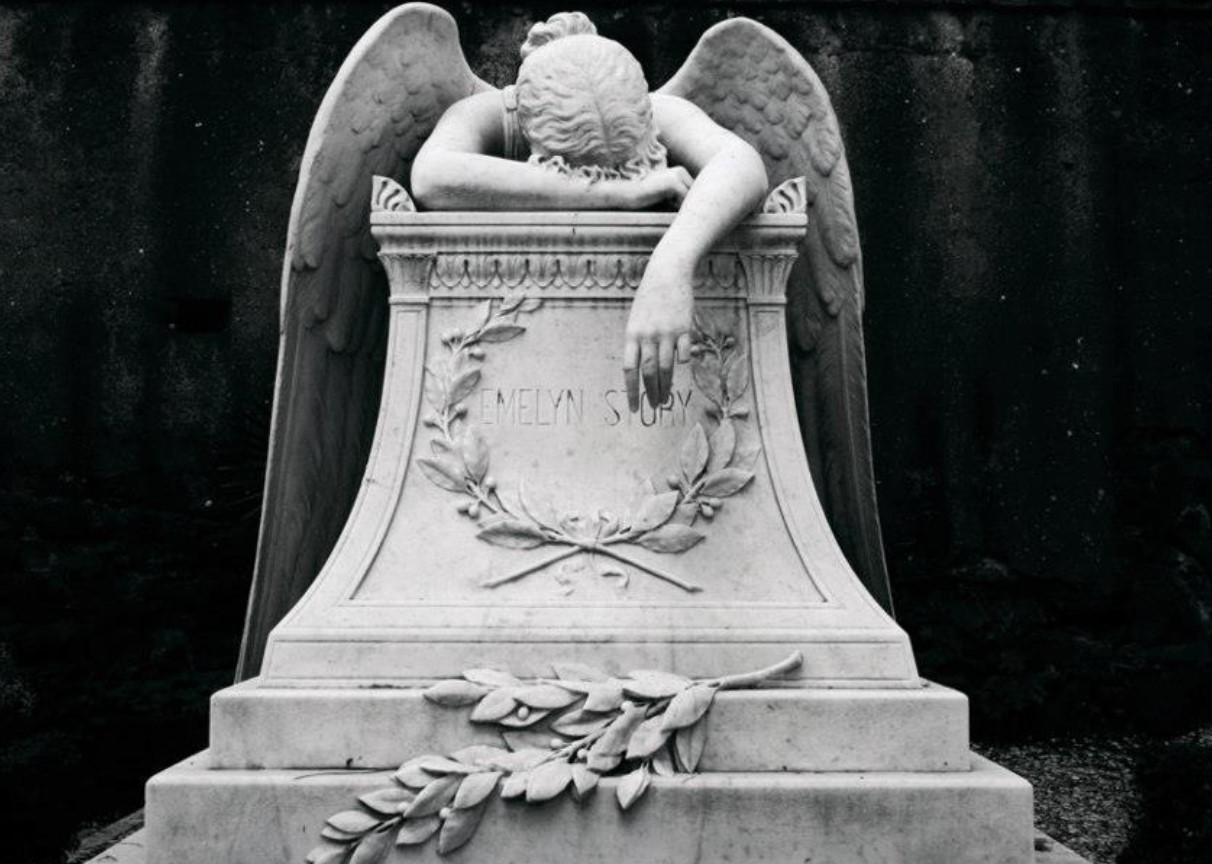
Travolto dal dolore, l’angelo è inginocchiato e poggia la testa sopra il braccio, adagiato sul piedistallo. Nasconde il volto per non mostrare il suo pianto senza ritegno. La mano sinistra penzola nel vuoto priva di forza.

Alla base del piedistallo si vedono dei fiori scolpiti, quasi come se l’angelo li avesse lasciati andare dalla mano sospesa. Le ali non si elevano verso l’alto ma sono ripiegate con estrema cura sulla schiena. Pare non ci sia speranza nella sua gestualità a solo un profondissimo sconforto.
E’ un’opera straziante che ben racconta il dolore di Wetmore Story dopo la perdita della moglie.
La scultura così realistica riscosse un enorme successo tanto che vanta numerose copie in tutto il mondo. Ne esiste una per esempio in California realizzata dallo scultore Bernieri per omaggiare la memoria di Henry Clay Lathort ma ce ne sono altre anche in diverse parti d’Europa.

Per il momento il vostro Michelangelo Buonarroti vi saluta dandovi appuntamento ai prossimi post e sui social.
Sculpture of the Day: The Sad Story of the Angel of Sorrow by William Wetmore Story
The sculpture of the day that I propose to you today is the Angel of Sorrow, sculpted by the American artist William Wetmore Story in 1894.
It is a work that has a very sad story behind it but which serves to understand the desperation shown by the angel.
The sculptor moved permanently to Rome in 1850 together with the whole family. With his wife and children he lived in his home in Palazzo Barberini which gradually became one of the most popular cultural salons in the whole city, frequented by both Italian and foreign writers, musicians and artists.
The children all pursued artistic careers: Edith Marion became a successful writer, Thomas Waldo a skilled sculptor and Julian Russell an established painter. Unfortunately their firstborn Joseph died at just six years old and was buried in the Non-Catholic Cemetery in Rome.
Pain was added to the pain when his beloved wife Emelyn died on January 7, 1894. For the 78-year-old artist it was a hard blow to bear and his only goal from then on was to sculpt a beautiful sculpture for his wife that could express all that pain.
“I’m making a monument to place in the Protestant Cemetery and I always wonder if you know about it and can you see it. It represents the Angel of Sorrow, in total abandonment, heartbroken on a funerary altar, with drooping wings and a hidden face. It represents what I feel. It represents prostration. Yet doing it gives me comfort.”
So Wetmore Story wrote in the spring of 1894 to a relative
When the sculptor William Wetmore Story died on 7 October 1895, he was buried with his beloved wife in the Non-Catholic cemetery in Rome and his last sculpture was placed to watch over them both: the Angel of Sorrow. That cemetery was built by Pope Clement Xi in 1716 to bury non-Catholic foreigners who could not find burial in other consecrated cemeteries in Rome. It is located in Testaccio, in via Caio Cestio, near Porta San Paolo.
The Angel sculpted by Wetmore Story is not an angel who consoles souls by taking them towards heaven but is a painful and desperate figure.
Overwhelmed by pain, the angel is kneeling and rests his head on his arm, resting on the pedestal. He hides his face so as not to show his crying without restraint. His left hand dangles in the void without strength.
At the base of the pedestal you can see sculpted flowers, almost as if the angel had let them go from his suspended hand. The wings do not rise upwards but are folded with extreme care on the back of the mourning angel. There seems to be no hope in his gestures, only a very profound despondency.
It is a heartbreaking work that tells the story of Wetmore Story’s pain after the loss of his wife.
The artist’s very realistic work was such a huge success that it boasts numerous copies all over the world. For example, there is one in California created by the sculptor Bernieri to pay homage to the memory of Henry Clay Lathort but there are others also in different parts of Europe.
For the moment, your Michelangelo Buonarroti greets you and will meet you in future posts and on social media.

Sostienici – Support Us
Se questo blog ti piace e ti appassiona, puoi aiutarci a farlo crescere sempre più sostenendoci in modo concreto condividendo i post, seguendo le pagine social e con un contributo che ci aiuta ad andare avanti con il nostro lavoro di divulgazione. . ENGLISH: If you like and are passionate about this blog, you can help us make it grow more and more by supporting us in a concrete way by sharing posts, following social pages and with a contribution that helps us to move forward with our dissemination work.
8,00 €
-
31 marzo 1889: inaugurata la Torre Eiffel tra critiche feroci e un destino inaspettato
🇮🇹Il 31 marzo 1889 segna una data destinata a cambiare per sempre il volto di Parigi e dell’immaginario collettivo globale: viene inaugurata la Torre Eiffel, l’opera più audace e discussa del suo tempo… 🇬🇧March 31, 1889 marks a date destined to change the face of Paris and the global collective imagination forever: the Eiffel Tower,…
-
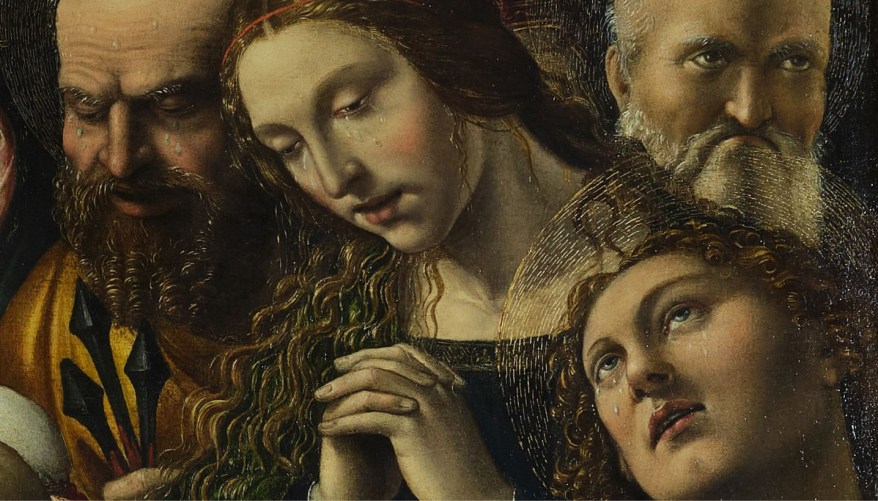
Sodoma in mostra a Torino: il Rinascimento al Museo Accorsi-Ometto
🇮🇹Al Museo di Arti Decorative Accorsi-Ometto arriva una mostra dedicata al Sodoma: oltre 50 opere, alcune mai viste prima, raccontano la formazione dell’artista e il suo dialogo con maestri come Pinturicchio… 🇬🇧An exhibition dedicated to Sodoma arrives at the Accorsi-Ometto Museum of Decorative Arts: over 50 works, some never before seen, recount the artist’s development…
-
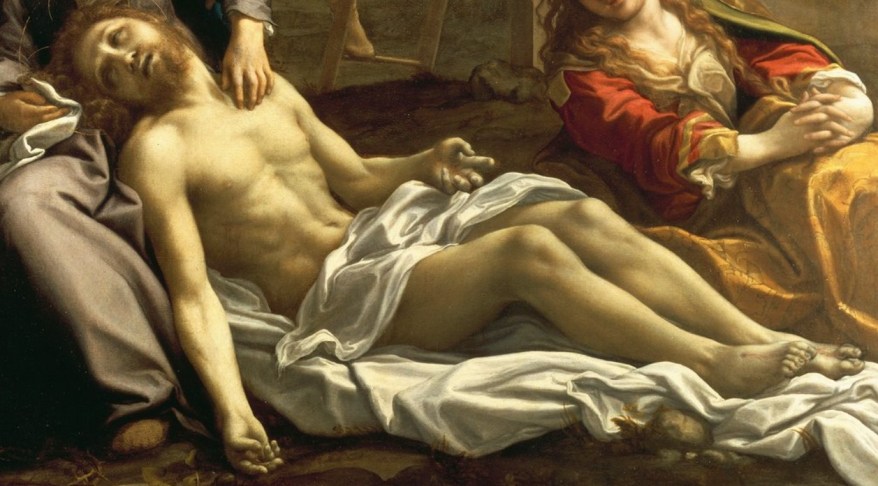
Il Compianto sul Cristo morto di Correggio: pathos e devozione
🇮🇹Con l’inizio della Settimana Santa, vi propongo il Compianto sul Cristo morto di Antonio Allegri, più noto come il Correggio: uno dei vertici assoluti della pittura emiliana del Cinquecento… 🇬🇧With the beginning of Holy Week, I propose the Lamentation over the Dead Christ by Antonio Allegri, better known as Correggio: one of the absolute peaks…
Condividi:


Questo sono io





sostienici

Sostienici – Support Us
Se questo blog ti piace e ti appassiona, puoi aiutarci a farlo crescere sempre più sostenendoci in modo concreto condividendo i post, seguendo le pagine social e con un contributo che ci aiuta ad andare avanti con il nostro lavoro di divulgazione. . ENGLISH: If you like and are passionate about this blog, you can help us make it grow more and more by supporting us in a concrete way by sharing posts, following social pages and with a contribution that helps us to move forward with our dissemination work.
€10,00


1 commento »