

La Testa di Medusa strappata dalla Fonte della Fata Morgana del Giambologna andrà all’asta
La Testa di Medusa realizzata nel 1573, parte integrante della Fonte della Fata Morgana del Giambologna, verrà battuta all’asta il prossimo 26 ottobre.
L’opera, prima strappata dalla fontana nel corso del Novecento e poi riemersa dopo anni di oblio in una collezione privata nazionale, finirà così nelle mani del migliore offerente e chissà, lascerà l’Italia in via definitiva dopo l’asta battuta presso la Casa D’Aste Pandolfini di Firenze.
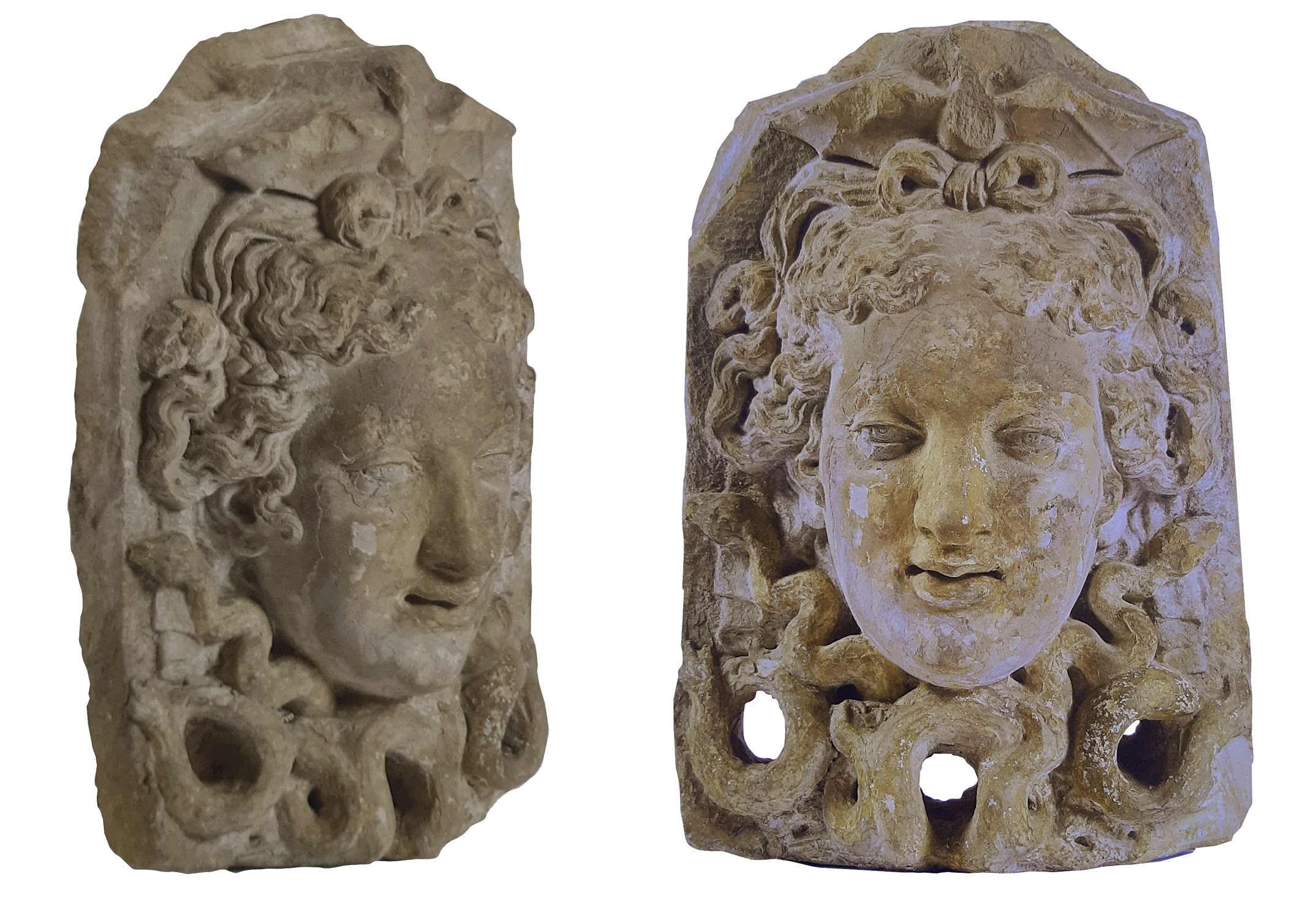
Sabina Corsini e Neri Torrigiani, organizzatori di Artigianato e Palazzo, fanno appello alle autorità competenti affinchè la Testa di Medusa della Fonte della Fata Morgana progettata dal Giambologna e ubicata nel Comune di Bagno a Ripoli, non lasci l’Italia e possa magari essere ricollocata nel prezioso complesso originario.
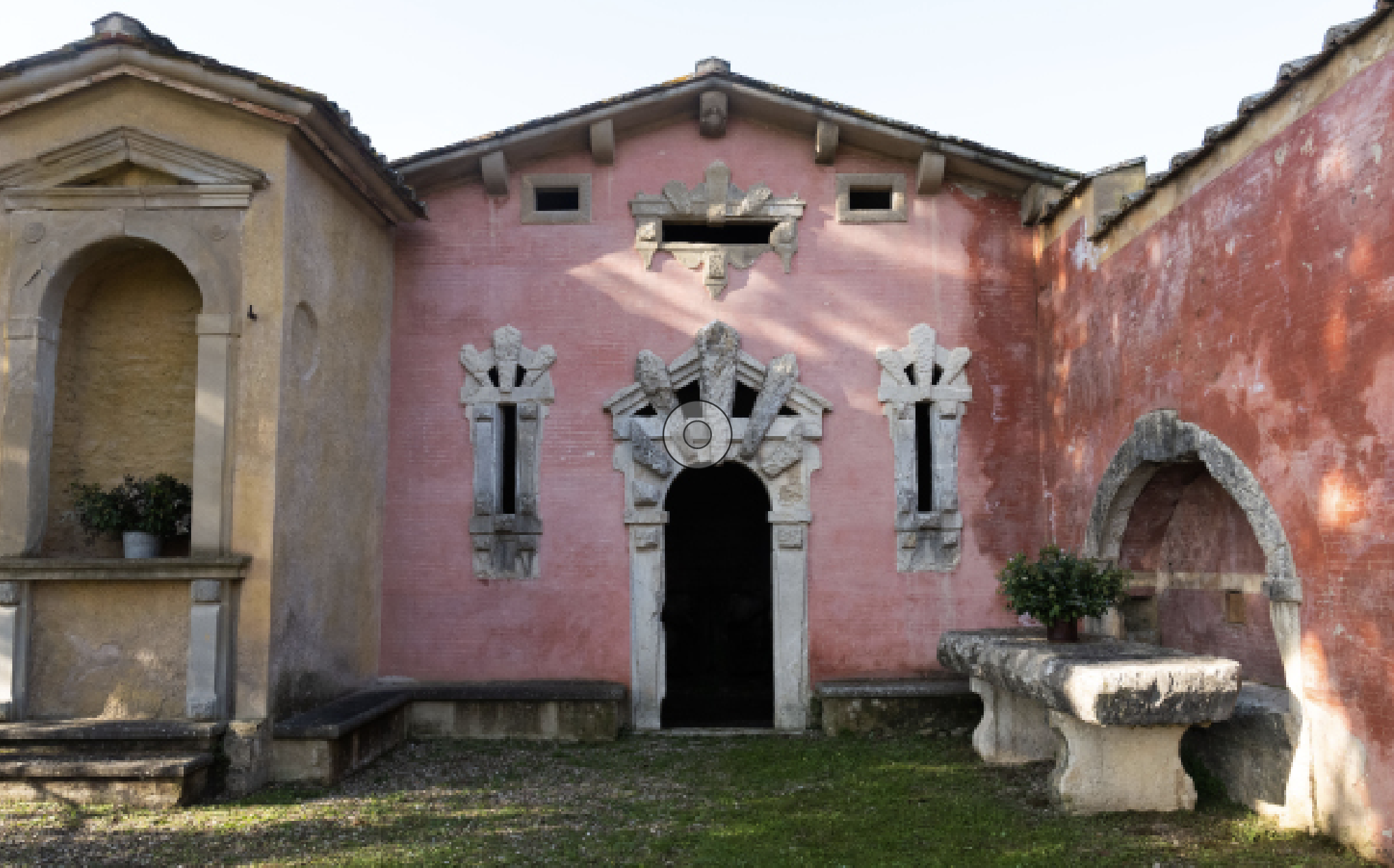
Il complesso della Fonte della Fata Morgana, conosciuto anche come la Casina delle Fate, fu commissionato da Bernardo Vecchietti nella seconda metà del Cinquecento al Giambologna. Fu così realizzata all’interno del parco della villa “Il Riposo”, residenza estiva di Vecchietti immersa nel Chianti ai piedi del colle di Fattucchia.
La Fonte è stata donata alcuni decenni fa dalla famiglia Morrocchi al Comune di Bagno a Ripoli e necessita di un urgente intervento di restauro che è stato appena avviato dal Comune di Bagno a Ripoli, provincia di Firenze.(FI).
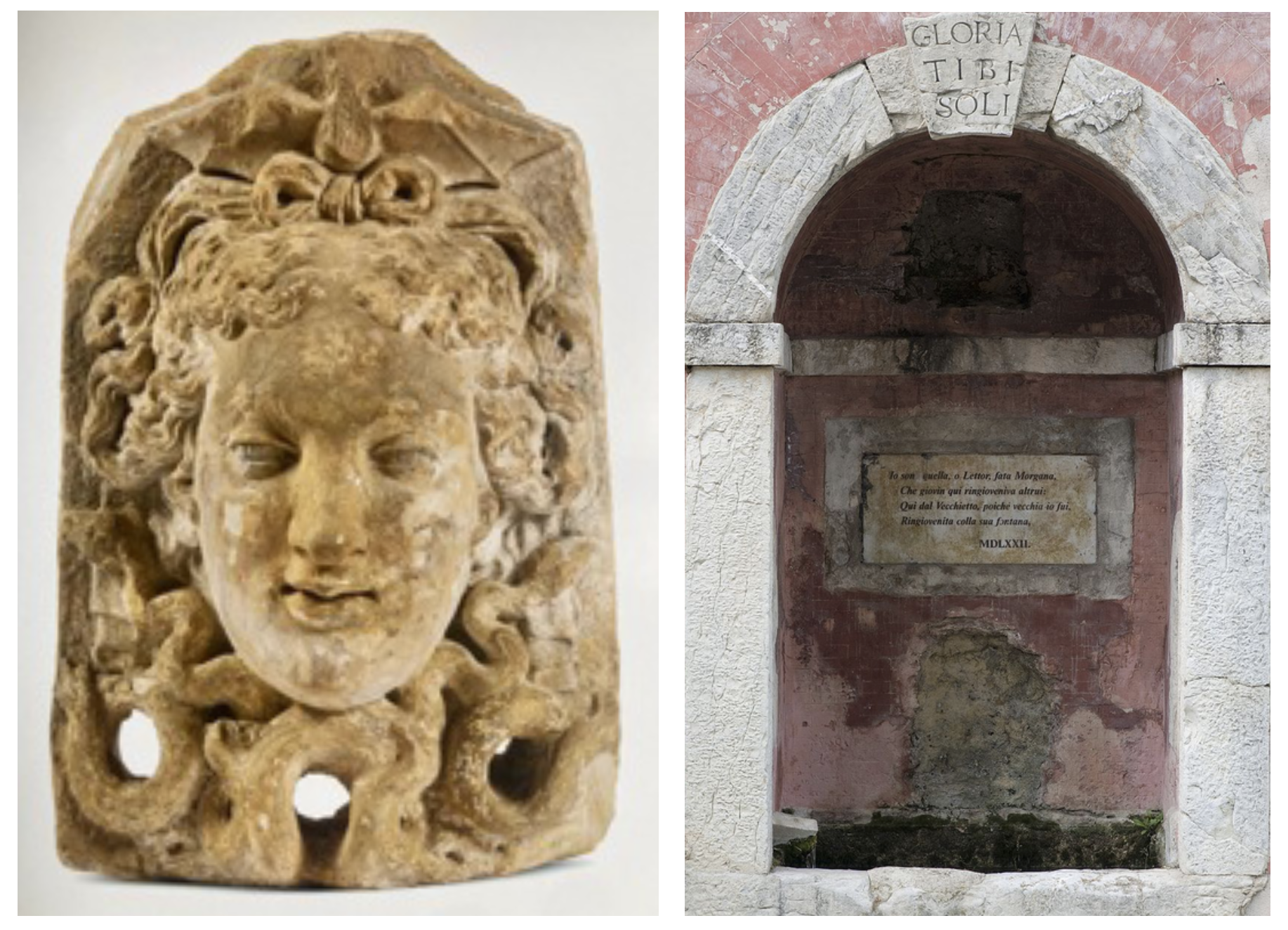
Come si legge anche nella scheda della Testa di Medusa dal Catalogo della Casa d’Aste Pandolfini, la maschera in marmo fungeva da fontana all’interno della Fonte della Fata Morgana. Secondo la tradizione letteraria, raffigurerebbe la Gorgone Medusa ed era accompagnata da una scultura a tutto tondo dell Fata Morgana, apparsa quest’ultima sul mercato inglese già nel 1990 e oggi nelle pertinenza di una Galleria d’arte in Ontario.
E’ probabile che il Giambologna realizzò il bozzetto in cera o in gesso della Gorgone e non è da escludere che abbia contribuito in parte alla sua trasposizione in marmo in virtù della finezza dei tratti che ancora oggi sono apprezzabili, nonostante i restauri ottocenteschi invasivi
“Non dobbiamo permettere che venga disperso il patrimonio artistico di un complesso monumentale così unico che fu completamente spogliato delle sue opere nel corso del ‘900 quando la Fonte fu abbandonata. Un complesso monumentale che oggi è in fase di restauro, grazie anche alla raccolta fondi “Giambologna e la Fata Morgana” che lanciammo durante l’edizione 2020 di ARTIGIANATO E PALAZZO e che ha raggiunto a oggi 40.000 euro”
Sabina Corsini e Neri Torrigiani.
Nella speranza che quest’opera del Giambologna e bottega non prenda la strada per l’estero e venga vincolata, il vostro Michelangelo Buonarroti vi saluta dandovi appuntamento ai prossimi post e sui social.
The Head of Medusa torn from the Fountain of the Fata Morgana by Giambologna will go to auction
The Head of Medusa created in 1573, an integral part of Giambologna’s Fonte della Fata Morgana, will be auctioned on October 26th.
The work, first torn from the fountain during the twentieth century and then re-emerged after years of oblivion in a national private collection, will thus end up in the hands of the highest bidder and who knows, it will leave Italy permanently after the auction held at the Casa D’Aste Pandolfini of Florence.
Sabina Corsini and Neri Torrigiani, organizers of Artigianato e Palazzo, appeal to the competent authorities so that the Medusa Head of the Fonte della Fata Morgana designed by Giambologna and located in the municipality of Bagno a Ripoli, does not leave Italy and can perhaps be relocated in precious original complex.
“We must not allow the artistic heritage of such a unique monumental complex to be lost, which was completely stripped of its works during the 1900s when the Fountain was abandoned. A monumental complex that is currently being restored, thanks also to the “Giambologna and the Fata Morgana” fundraiser that we launched during the 2020 edition of ARTIGIANATO E PALAZZO and which has reached 40,000 euros to date”
Sabina Corsini and Neri Torrigiani.
The complex of the Fonte della Fata Morgana, also known as the Casina delle Fate, was commissioned by Bernardo Vecchietti in the second half of the sixteenth century to Giambologna. It was thus built inside the park of the villa “Il Riposo”, Vecchietti’s summer residence immersed in the Chianti at the foot of the Fattucchia hill.
The Source was donated a few decades ago by the Morrocchi family to the Municipality of Bagno a Ripoli and requires urgent restoration work which has just been started by the Municipality of Bagno a Ripoli, province of Florence. (FI).
As can also be read in the Medusa Head entry from the Pandolfini Auction House Catalogue, the marble mask served as a fountain inside the Fonte della Fata Morgana. According to literary tradition, it depicted the Gorgon Medusa and was accompanied by a sculpture in the round of the Fata Morgana, the latter appearing on the English market as early as 1990 and today in the vicinity of an art gallery in Ontario.
It is probable that Giambologna created the wax or plaster sketch of the Gorgon and it cannot be excluded that he contributed in part to its transposition into marble by virtue of the fineness of the features which are still appreciable today, despite the invasive nineteenth-century restorations
In the hope that this work by Giambologna e Bottega will not go abroad and be restricted, your Michelangelo Buonarroti greets you and will meet you in the next posts and on social media.

Sostienici – Support Us
Se questo blog ti piace e ti appassiona, puoi aiutarci a farlo crescere sempre più sostenendoci in modo concreto condividendo i post, seguendo le pagine social e con un contributo che ci aiuta ad andare avanti con il nostro lavoro di divulgazione. . ENGLISH: If you like and are passionate about this blog, you can help us make it grow more and more by supporting us in a concrete way by sharing posts, following social pages and with a contribution that helps us to move forward with our dissemination work.
8,00 €
-
Giovedì Santo: l’Ultima Cena di Allori che pochi conoscono a Firenze
🇮🇹Nel cuore di Museo di Santa Maria Novella, a Firenze, si conserva una delle interpretazioni più affascinanti e meno note dell’Ultima Cena: quella realizzata da Alessandro Allori nel 1584… 🇬🇧In the heart of the Santa Maria Novella Museum in Florence, one of the most fascinating and least-known interpretations of the Last Supper is preserved: the…
-
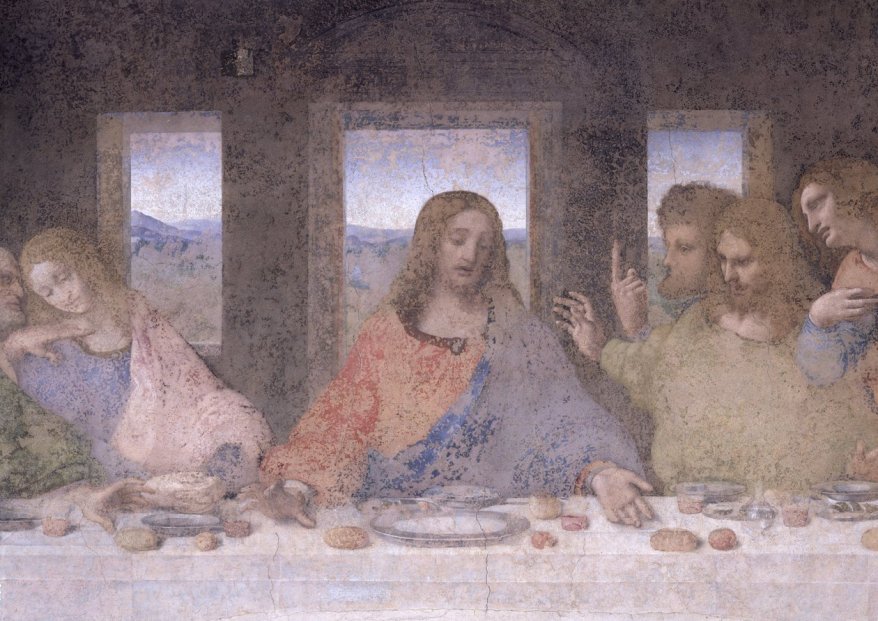
Cenacolo di Leonardo: i dettagli che raccontano il tradimento
🇮🇹Nel Cenacolo di Leonardo da Vinci, custodito a Santa Maria delle Grazie, Cristo annuncia il tradimento e il tempo si ferma… 🇬🇧In Leonardo da Vinci’s Last Supper, housed in Santa Maria delle Grazie, Christ announces the betrayal and time stands still…
-
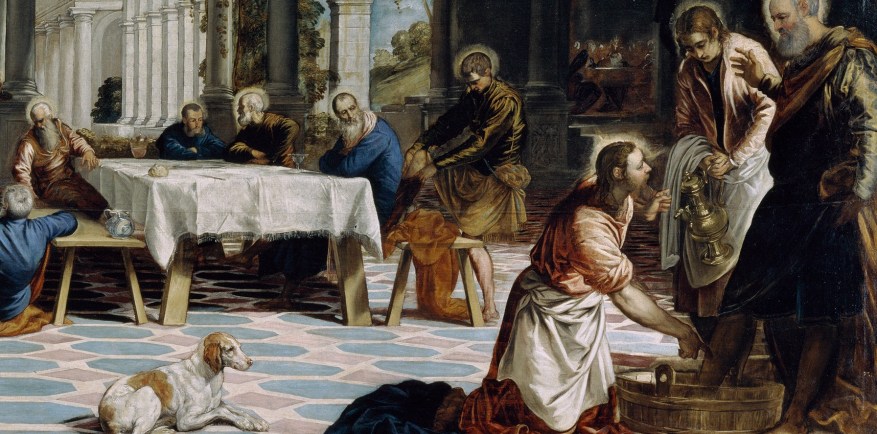
La Lavanda dei Piedi di Tintoretto: Il Capolavoro Veneziano al Prado
🇮🇹Tra i capolavori più affascinanti del Rinascimento veneziano, “La Lavanda dei Piedi” di Jacopo Tintoretto rappresenta un perfetto equilibrio tra spiritualità, innovazione compositiva e straordinaria forza narrativa… 🇬🇧Among the most fascinating masterpieces of the Venetian Renaissance, Jacopo Tintoretto’s “The Washing of the Feet” represents a perfect balance between spirituality, compositional innovation, and extraordinary narrative force…
Condividi:


Questo sono io





sostienici

Sostienici – Support Us
Se questo blog ti piace e ti appassiona, puoi aiutarci a farlo crescere sempre più sostenendoci in modo concreto condividendo i post, seguendo le pagine social e con un contributo che ci aiuta ad andare avanti con il nostro lavoro di divulgazione. . ENGLISH: If you like and are passionate about this blog, you can help us make it grow more and more by supporting us in a concrete way by sharing posts, following social pages and with a contribution that helps us to move forward with our dissemination work.
€10,00


1 commento »