
Il Prigione Giovane: ecco le sue particolarità
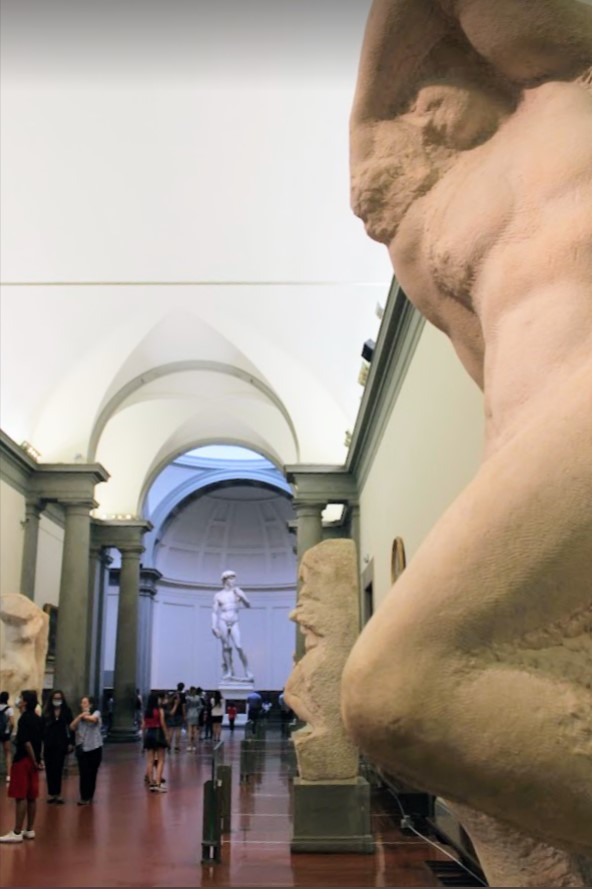
Il Prigione Giovane viene definito in questo modo per il suo volto che sembra avere una qualche gentilezza nei propri tratti e per la mancanza di barba.
Ha un corpo vigoroso alla stregua di tutti gli altri schiavi e pare divincolarsi dal marmo grezzo che ancora lo trattiene. E’ un’opera non finita che molto ricorda i più celebri Schiavi custoditi al Louvre che avevo donato a suo tempo a Roberto Strozzi per ringraziarlo dell’ospitalità che mi aveva offerto nella sua casa romana quando la mia salute venne meno.

Come lo Schiavo Morente anche il Prigione Giovane porta il braccio sinistro piegato al di sopra del capo e il destro dietro la schiena, con la stessa gestualità dello Schiavo Ribelle.
Il prigione in questione ha un laccio che lo cinge sulla parte superiore del petto e che coinvolge anche la spalla sinistra. Il suo corpo è movimentato da una evidente rotazione del tronco.
Le parti portate più avanti nella lavorazione sono quelle del torace e alcune porzioni delle gambe e delle braccia ache se rimangono ben visibili i segni della subbia da taglio e quelli delle differenti gradine che adoperai per modellare i volumi.
Quale avrebbe dovuto essere la collocazione per quest’opera?
Ebbene, lo Schiavo Giovane avrei dovuto sistemarlo in posizione frontale nel secondo progetto del complesso scultoreo funebre di papa Giulio II. Poi come sapete i ridimensionamenti dell’opera che seguirono furono tanti quanti i contratti successivi che stipulai con gli eredi del papa e gli Schiavi non avrei potuto più utilizzarli per quel lavoro.

Per il momento il vostro Michelangelo Buonarroti vi saluta dandovi appuntamento ai prossimi post e sui social.

The Young Prison: here are its peculiarities
The Young Prisoner is defined in this way due to his face which seems to have some kindness in his features and the lack of beard.
He has a vigorous body like all the other slaves and seems to be struggling from the rough marble that still holds him.
It is an unfinished work that is very reminiscent of the most famous Slaves kept in the Louvre which I had given to Roberto Strozzi at the time to thank him for the hospitality he had offered me in his Roman home when my health failed.
Like the Dying Slave, the Young Prisoner also has his left arm bent above his head and his right arm behind his back, with the same gestures as the Rebel Slave.
The prisoner in question has a lace that surrounds him on the upper part of the chest and which also involves the left shoulder. His body is moved by an evident rotation of the trunk.
The parts carried further in the process are those of the chest and some portions of the legs and arms although the signs of the cutting beam and those of the different steps that I used to model the volumes remain clearly visible.
What should have been the location for this work?
Well, I should have placed the Young Slave in a frontal position in the second project of the funeral sculptural complex of Pope Julius II. Then, as you know, the subsequent downsizing of the work was as many as the subsequent contracts that I stipulated with the Pope’s heirs and the Slaves I could no longer use for that work.
For the moment, your Michelangelo Buonarroti greets you and will meet you in future posts and on social media.

Sostienici – Support Us
Se questo blog ti piace e ti appassiona, puoi aiutarci a farlo crescere sempre più sostenendoci in modo concreto condividendo i post, seguendo le pagine social e con un contributo che ci aiuta ad andare avanti con il nostro lavoro di divulgazione. . ENGLISH: If you like and are passionate about this blog, you can help us make it grow more and more by supporting us in a concrete way by sharing posts, following social pages and with a contribution that helps us to move forward with our dissemination work.
8,00 €
-
31 marzo 1889: inaugurata la Torre Eiffel tra critiche feroci e un destino inaspettato
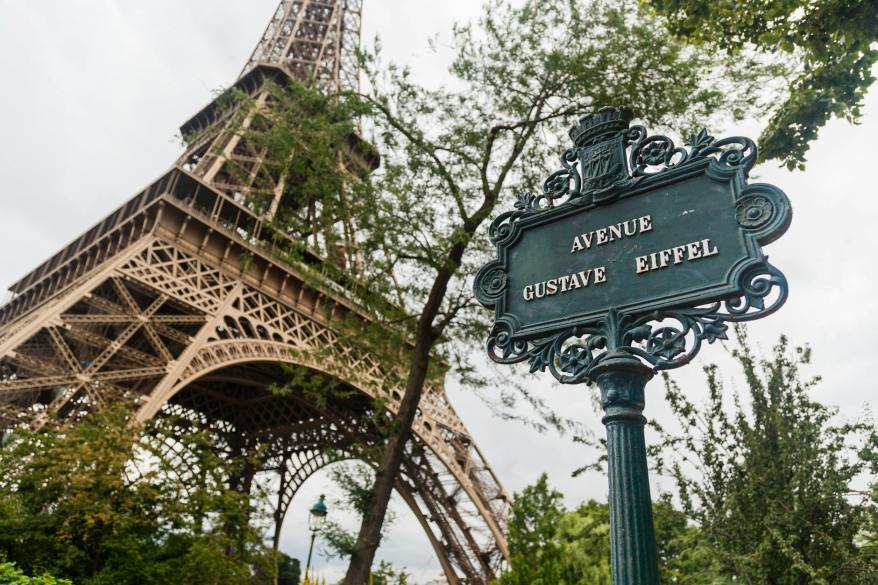
🇮🇹Il 31 marzo 1889 segna una data destinata a cambiare per sempre il volto di Parigi e dell’immaginario collettivo globale: viene inaugurata la Torre Eiffel, l’opera più audace e discussa del suo tempo… 🇬🇧March 31, 1889 marks a date destined to change the face of Paris and the global collective imagination forever: the Eiffel Tower,…
-
Sodoma in mostra a Torino: il Rinascimento al Museo Accorsi-Ometto
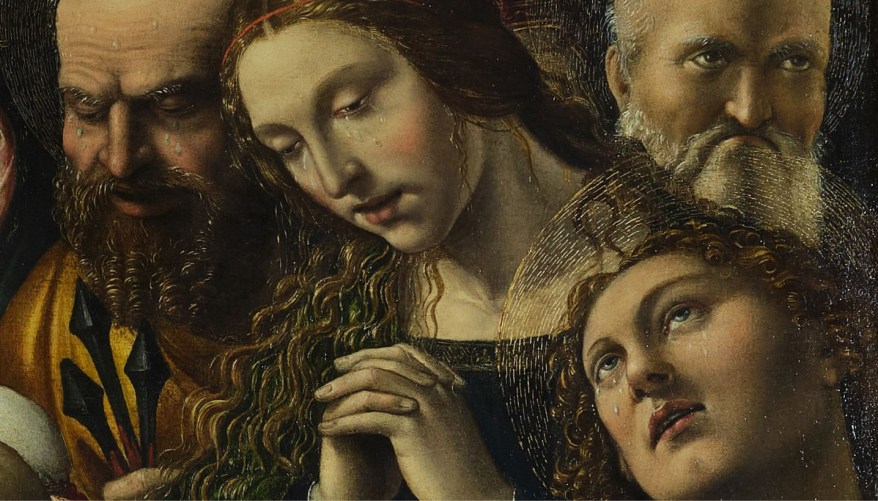
🇮🇹Al Museo di Arti Decorative Accorsi-Ometto arriva una mostra dedicata al Sodoma: oltre 50 opere, alcune mai viste prima, raccontano la formazione dell’artista e il suo dialogo con maestri come Pinturicchio… 🇬🇧An exhibition dedicated to Sodoma arrives at the Accorsi-Ometto Museum of Decorative Arts: over 50 works, some never before seen, recount the artist’s development…
-
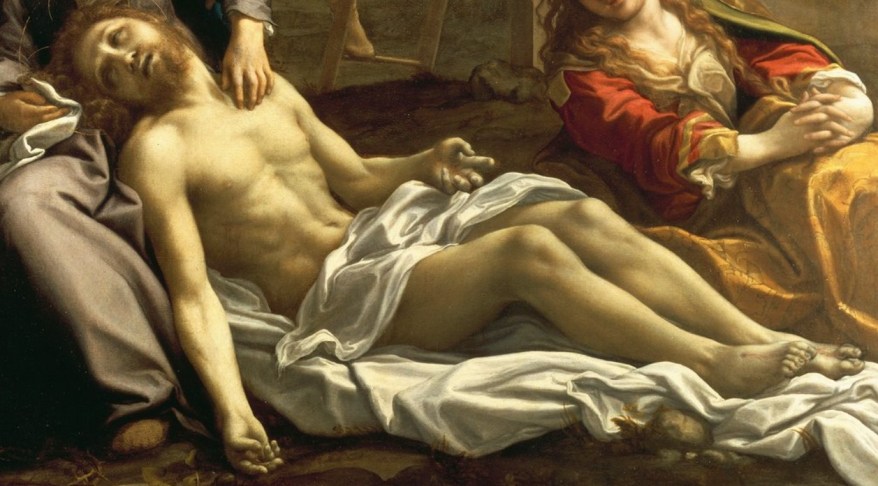
Il Compianto sul Cristo morto di Correggio: pathos e devozione
🇮🇹Con l’inizio della Settimana Santa, vi propongo il Compianto sul Cristo morto di Antonio Allegri, più noto come il Correggio: uno dei vertici assoluti della pittura emiliana del Cinquecento… 🇬🇧With the beginning of Holy Week, I propose the Lamentation over the Dead Christ by Antonio Allegri, better known as Correggio: one of the absolute peaks…
Condividi:


Questo sono io





sostienici

Sostienici – Support Us
Se questo blog ti piace e ti appassiona, puoi aiutarci a farlo crescere sempre più sostenendoci in modo concreto condividendo i post, seguendo le pagine social e con un contributo che ci aiuta ad andare avanti con il nostro lavoro di divulgazione. . ENGLISH: If you like and are passionate about this blog, you can help us make it grow more and more by supporting us in a concrete way by sharing posts, following social pages and with a contribution that helps us to move forward with our dissemination work.
€10,00


